
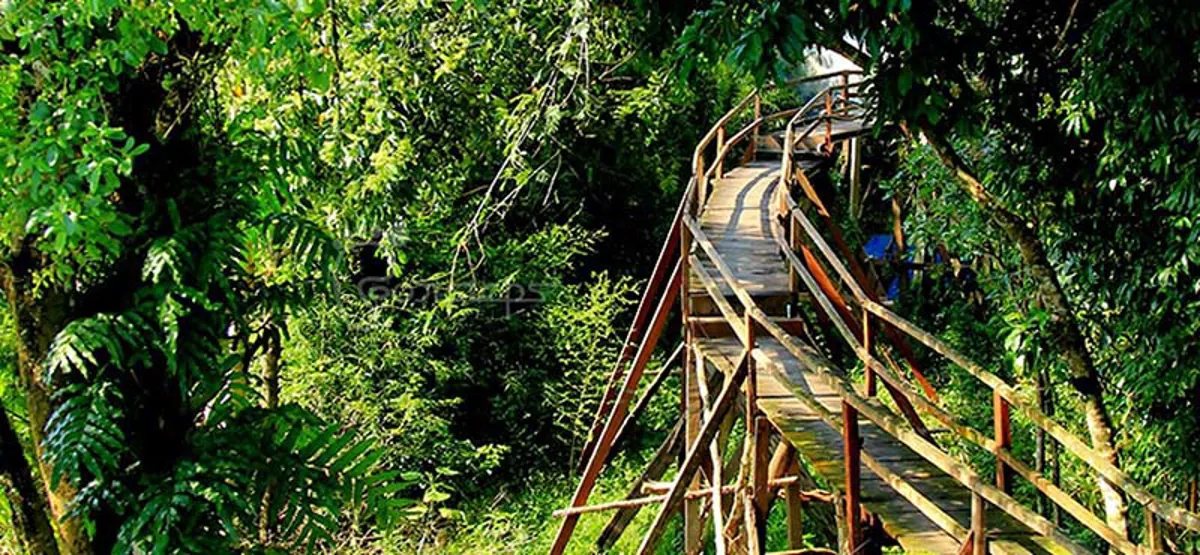
Dong Nai Province, situated in Vietnam's southeastern region, presents a compelling mix of industrial progress and natural beauty. This area functions as a significant economic hub and a gateway connecting various parts of southern and south-central Vietnam. For those planning a visit, understanding its geographical features, climate patterns, and available attractions is key to a rewarding experience.
Introducing Dong Nai Province
Dong Nai holds a prominent position in Vietnam's southern economic landscape, particularly as a crucial link within the development triangle formed with Ho Chi Minh City and Binh Duong. The province is recognized for its substantial industrial sector, yet it also possesses considerable natural resources. Bien Hoa City, the provincial capital, is located adjacent to Ho Chi Minh City and is notable for having one of the country's highest population densities, having achieved Urban Level 1 status in 2015.
Historically, Dong Nai has maintained its importance from feudal eras through to contemporary times. Following the reunification in 1975, previously separate administrative divisions were consolidated to form the present-day Dong Nai province, with Bien Hoa serving as its central town. Beyond its industrial output, the province is known for traditional craft communities, particularly those specializing in the creation of durable potteries. Visitors interested in unique purchases and souvenirs might find these local crafts appealing.
- Area: 5,905.7 square kilometers
- Population (2019): 3,348,107 residents
- Provincial Capital: Bien Hoa City
- Administrative Districts: Long Khanh town, Tan Phu, Dinh Quan, Vinh Cuu, Thong Nhat, Xuan Loc, Long Thanh, Nhon Trach, Cam My, Trang Bom
Geographical Features and Landscape
Dong Nai Province shares its borders with several other Vietnamese provinces and cities, including Lam Dong, Binh Thuan, Ba Ria – Vung Tau, Binh Duong, Binh Phuoc, and Ho Chi Minh City. The provincial topography primarily consists of plains and midlands, interspersed with some mountainous areas. Generally, the elevation decreases towards both the northern and southern boundaries, resulting in a largely level landscape.
The terrain is diverse, encompassing flat plains, low-lying areas characterized by muddy sediments, gently undulating hills, and lower mountain ranges. Soil types include alluvial, gley, and sandy soils. Many sections of the province experience year-round flooding. The majority of black, brown, and gray soils exhibit slopes of less than 8 degrees, while most red soils have slopes under 15 degrees. Areas with thin soil and pumice stone can feature steeper inclines.
Dong Nai's Climate Profile
Dong Nai experiences a tropical monsoon climate, marked by two distinct periods: a dry season and a rainy season. The dry period typically extends from December through April of the following year. Conversely, the rainy season spans from May to November, though its conclusion can sometimes occur between early October and December.
Throughout the year, the average temperature ranges from 25 to 27 degrees Celsius. Extreme temperatures have been recorded as high as approximately 40 degrees Celsius and as low as 12.5 degrees Celsius. The province receives a substantial amount of sunshine, with annual hours typically between 2,500 and 2,700. Humidity levels consistently remain elevated, averaging between 80% and 82%.
Exploring Natural and Cultural Destinations
Dong Nai offers various travel experiences, catering to interests such as ecological exploration, cultural discovery, outdoor activities, and relaxation. While the province is recognized for its industrial growth, it also provides numerous natural sites and outdoor recreation areas, many of which are situated in suburban locations. These ecological tours are a key feature of the province's travel offerings.
Visitors can explore several notable locations. Cat Tien National Park provides opportunities for wildlife observation and nature walks. Suoi Mo Park and Giang Dien Waterfall are popular for their natural water features and scenic environments. Tri An Lake is another significant natural landmark. Other sites frequently visited by both local and international travelers include Suoi Tre, Bo Cap Vang, and Vuon Xoai.
| Destination Name | Primary Attraction Type |
|---|---|
| Cat Tien National Park | Nature, Wildlife, Eco-tourism |
| Suoi Mo Park | Recreation, Water Features |
| Giang Dien Waterfall | Nature, Water Features |
| Tri An Lake | Nature, Reservoir |
| Suoi Tre | Recreation, Eco-tourism |
| Bo Cap Vang | Recreation, Eco-tourism |
| Vuon Xoai | Recreation, Eco-tourism |
Navigating Transportation in Dong Nai
Dong Nai is a sizable province with well-developed transportation links. Bien Hoa City, its capital, is approximately 30 kilometers from Ho Chi Minh City and is readily accessible via National Highway No. 1A. This highway is a major artery connecting the province to other key destinations. Additionally, Dong Nai offers convenient access to other southern and central Vietnamese locations, including Da Lat, Vung Tau, Binh Thuan, and Can Tho.
For rail travelers, the Thong Nhat express train includes a stop at Bien Hoa station, providing an alternative mode of transport for those journeying through Vietnam. Understanding overnight rail journeys in Vietnam can be beneficial for planning longer trips across the country.
Practical Considerations for Travelers
When planning a trip to Dong Nai, considering the climate is important. The dry season, from December to April, generally offers more comfortable weather for outdoor activities. During the rainy season, visitors should be prepared for potential downpours, although these often bring cooler temperatures. It is advisable to verify operational hours and any entry fees for specific attractions, as these details can change.
Given Dong Nai's proximity to Ho Chi Minh City, many travelers may combine a visit to the province with time spent in the larger metropolis. Familiarity with banking services in Ho Chi Minh City can be useful for managing finances during your trip to the region. Exploring local markets and craft villages offers a chance to engage with the province's cultural heritage and find authentic keepsakes.
Frequently Asked Questions
What is Dong Nai Province known for?
Dong Nai Province is recognized for its significant industrial development, serving as a vital economic gateway in southern Vietnam. It is also known for its rich natural resources, diverse ecological sites, and traditional handicraft villages, particularly those producing pottery.
What are the main attractions in Dong Nai?
Key attractions in Dong Nai include Cat Tien National Park, Suoi Mo Park, Giang Dien Waterfall, and Tri An Lake. Other popular recreational spots and ecological sites include Suoi Tre, Bo Cap Vang, and Vuon Xoai.
When is the best time to visit Dong Nai?
The dry season, which typically runs from December to April, is generally considered the most favorable time to visit Dong Nai. During these months, the weather is usually sunny and less humid, making it more suitable for outdoor activities and exploration.
How can one travel to Dong Nai?
Dong Nai is accessible by road, notably via National Highway No. 1A, which connects it to Ho Chi Minh City and other southern provinces. The Thong Nhat express train also provides rail access, with a stop at Bien Hoa station.
What kind of climate does Dong Nai have?
Dong Nai experiences a tropical monsoon climate characterized by two distinct seasons: a dry season from December to April and a rainy season from May to November. Temperatures average between 25 and 27 degrees Celsius, with high humidity levels throughout the year.








