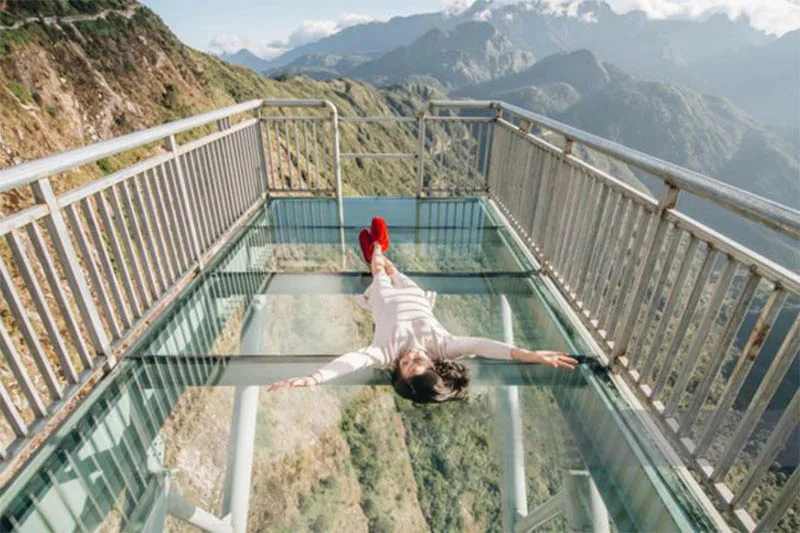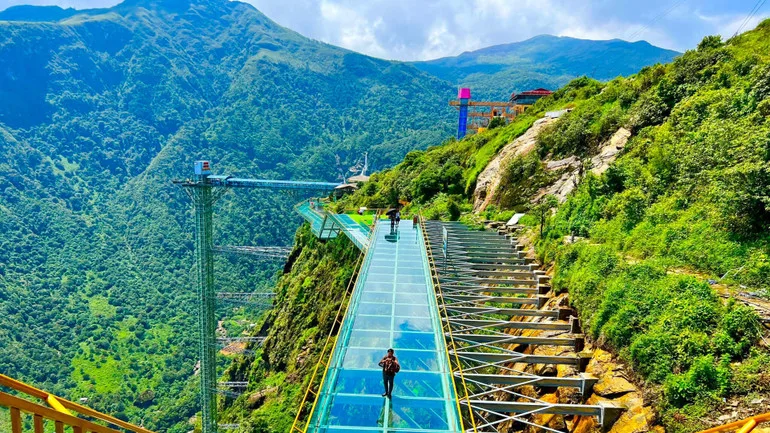
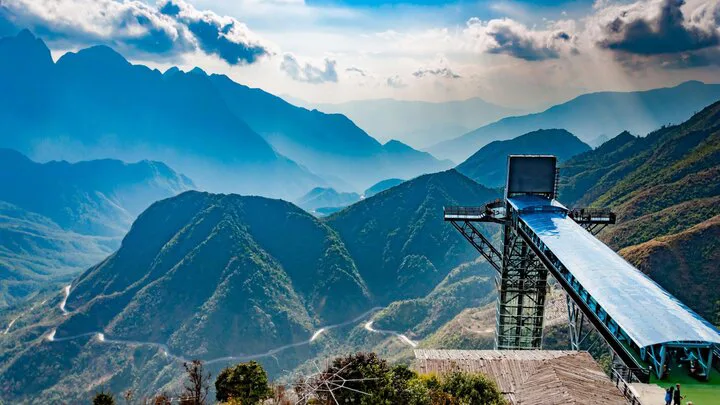
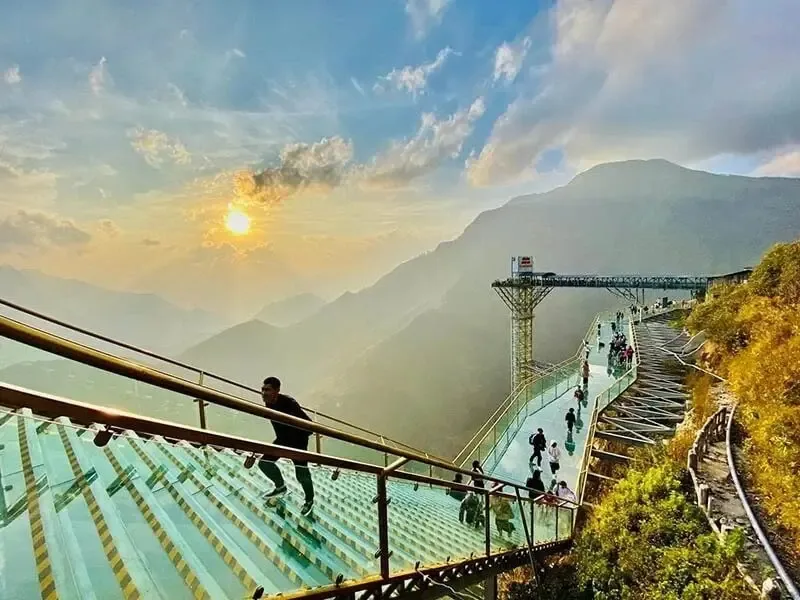
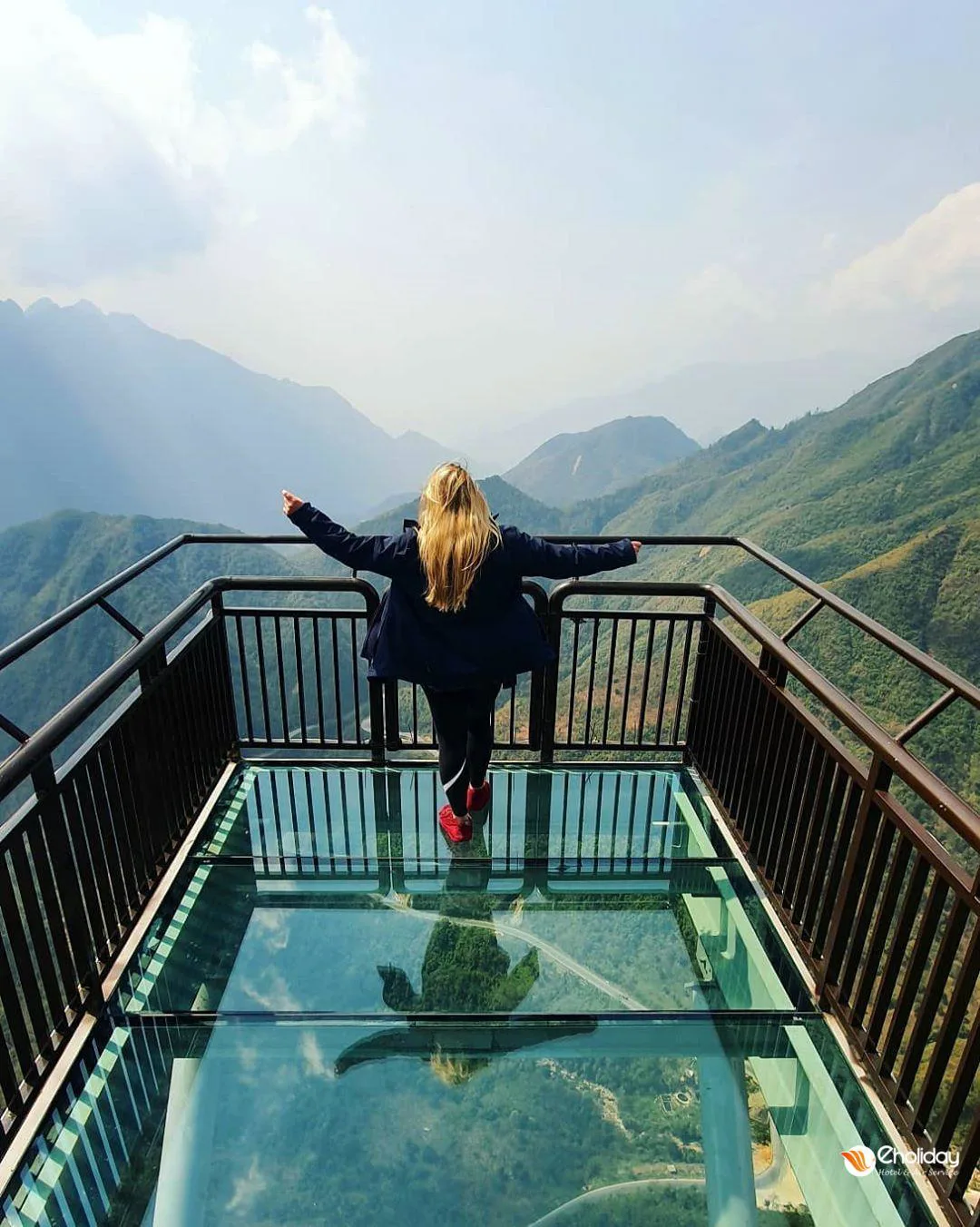
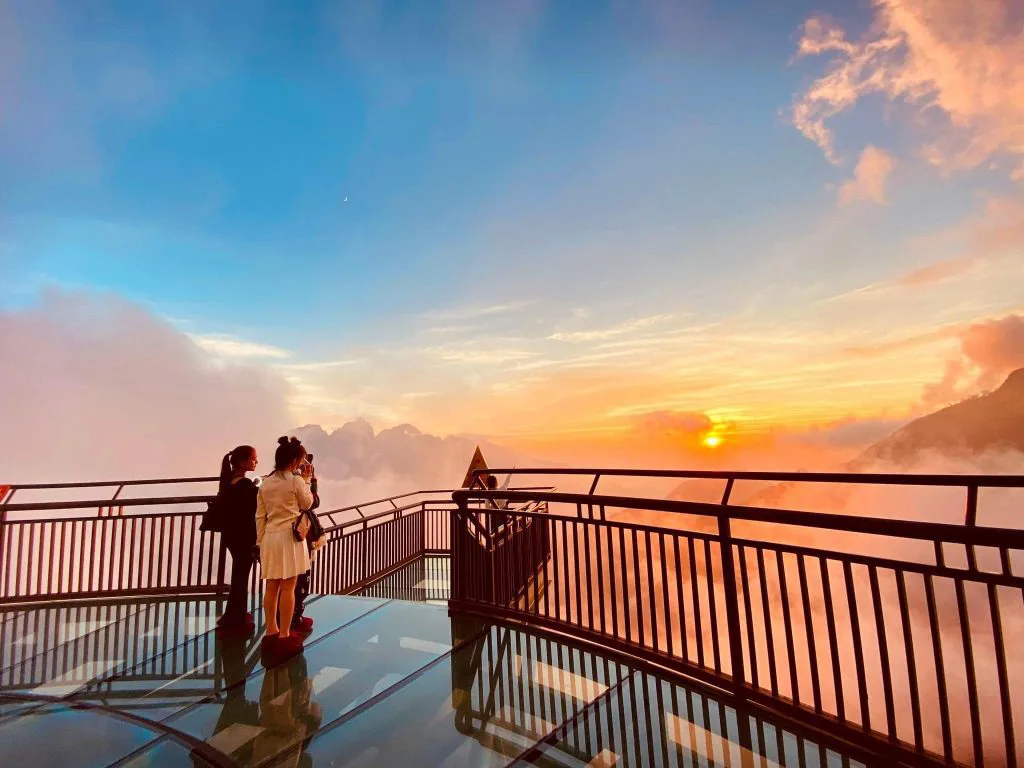
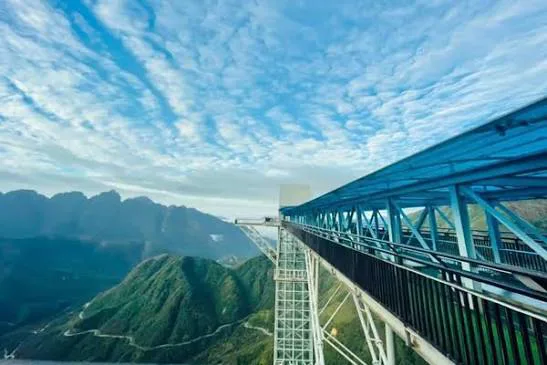
The Sapa Glass Bridge, officially named Cau Kinh Rong May and also known as the Dragon in Cloud Glass Bridge, presents a distinctive elevated experience for those visiting Northern Vietnam. Positioned at the summit of O Quy Ho Pass, this structure offers expansive vistas of the surrounding mountainous terrain, providing an alternative perspective on the region's natural splendor. It has emerged as a significant point of interest for travelers exploring the Sapa area.
Navigating to the Sapa Glass Bridge
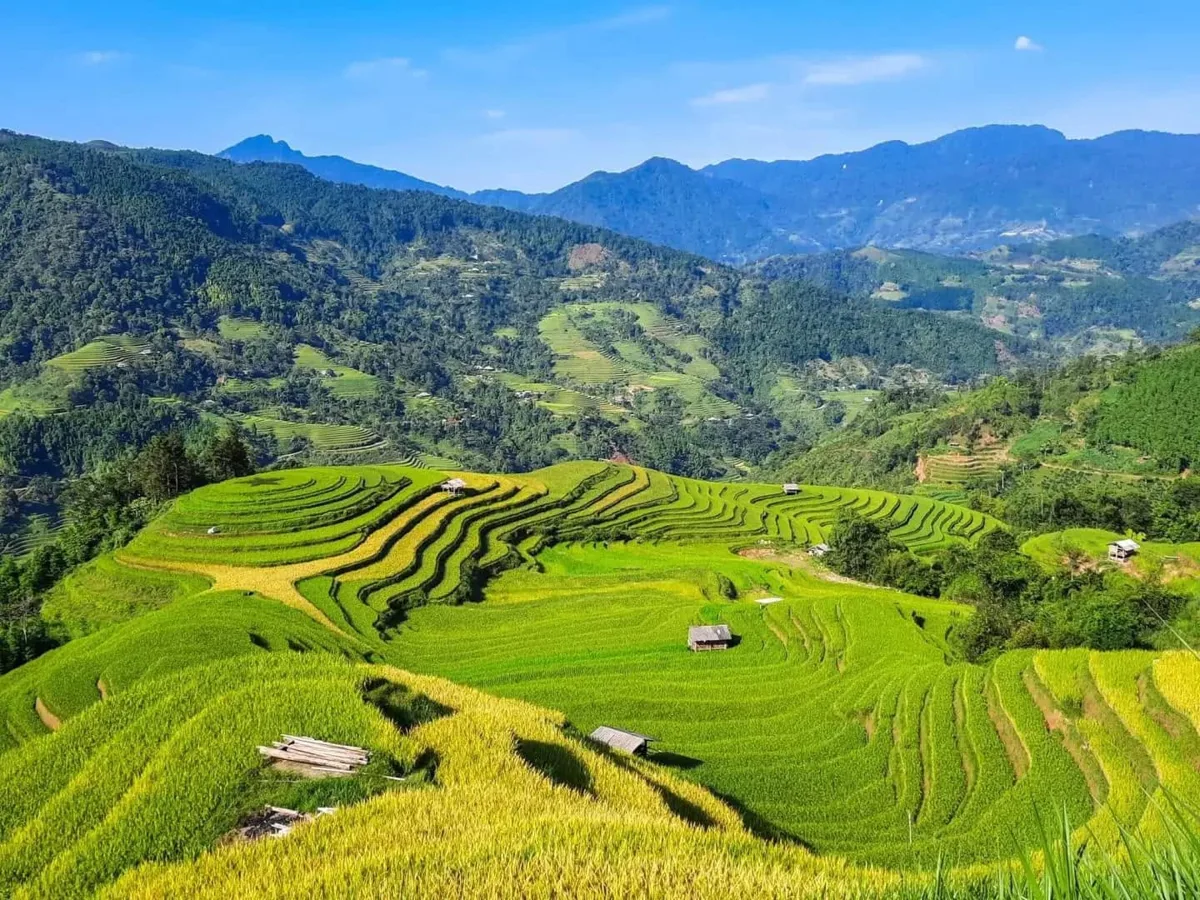
The Sapa Glass Bridge is situated approximately 17 kilometers from the central Sapa town, atop the renowned O Quy Ho Pass. This pass is a prominent geographical feature in the region, known for its winding roads and elevation, offering its own scenic appeal even before reaching the bridge. The precise location is on Route No. 4, in Son Binh, Tam Duong, Lao Cai, Vietnam. The journey to the bridge itself provides glimpses of the mountainous terrain, rice terraces, and local villages that characterize the Sapa area.
Reaching this elevated attraction primarily requires vehicular transport. Visitors typically arrange for a private car with a guide as part of a tour package, which simplifies the journey and ensures convenient access directly to the site. This option often includes insights from a local guide about the region. Alternatively, taxis are available from Sapa town. It is advisable to arrange for the taxi driver to wait for your return, as securing a taxi for the journey back from the pass can be challenging due to its somewhat remote location. A round-trip taxi fare from Sapa town, including waiting time, is reported to be around 500,000 VND, which is approximately 20 US dollars (prices subject to change, verify locally). For general travel planning to the region, understanding overnight rail journeys in Vietnam can also be beneficial.
The Unique Features of the Glass Bridge and Surrounding Views
This architectural marvel holds the distinction of being the longest glass bridge in Indochina. It extends 60 meters in length and measures 5 meters in width, providing ample space for visitors to walk and observe. What truly defines the experience is its placement: constructed at an elevation exceeding 500 meters above the Hoang Lien Son Mountain cliff face, and more than 2000 meters above sea level. The bridge projects approximately 60 meters out from the cliff, providing guests with unobstructed 360-degree views of the landscape, including valleys, distant peaks, and sometimes, the winding roads below.
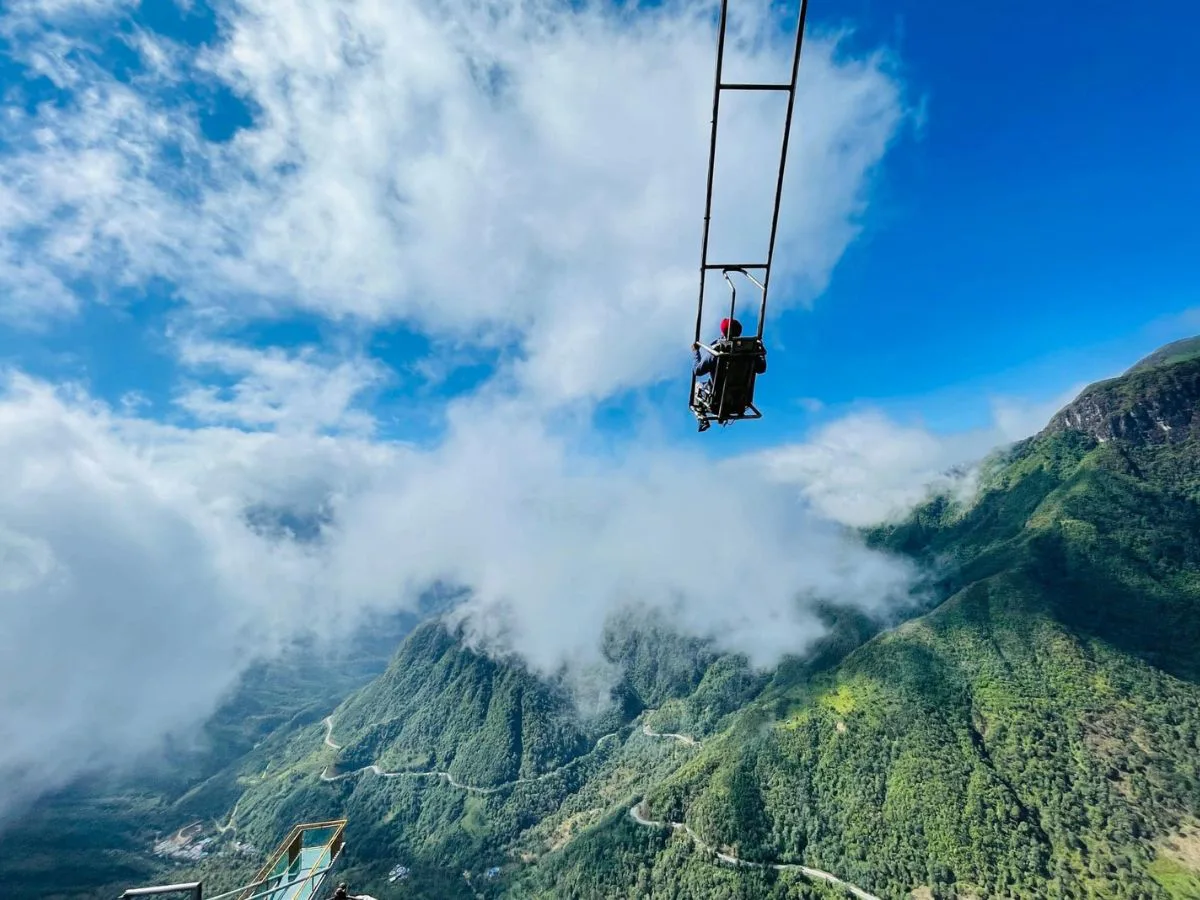
For those visiting during the cloud hunting season, typically from October to December, the Sapa Glass Bridge offers an unparalleled opportunity to witness the phenomenon of clouds gathering below and around the structure. During these months, the bridge can appear to float above a soft, white expanse, creating a surreal atmosphere. This experience is often compared to the views from Fansipan Peak, allowing visitors to feel as though they are walking amidst a sea of clouds. Even outside this season, the panoramic views of the Hoang Lien Son mountain range are impressive, showcasing the rugged beauty of Northern Vietnam.
Ensuring Visitor Safety and Accessibility
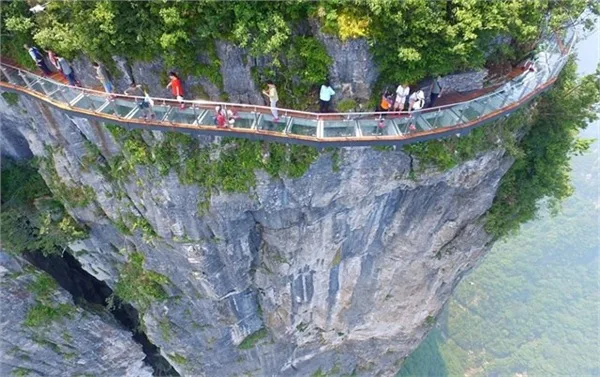
The Sapa Glass Bridge is engineered with safety as a primary consideration, utilizing advanced construction techniques. Its walking surface consists of three layers of transparent, high-standard tempered glass, totaling 7 centimeters in thickness. This robust construction is designed to support a significant load, capable of holding up to 3000 individuals simultaneously. However, for enhanced safety and visitor comfort, management limits the number of people on the bridge to a maximum of 500 at any given time, ensuring a less crowded and more secure experience.
Access to the bridge itself involves a modern system of glass elevators. These elevators are designed to transport up to 30 people per ascent, operating at a controlled speed to ensure passenger security and allow for appreciation of the rising views. The system is estimated to move approximately 1200 people per hour, facilitating efficient visitor flow. A notable feature of these elevators is their three glass sides, which allow for continuous scenic views during the ascent to the bridge platform, adding to the overall experience before even stepping onto the bridge itself.
Admission Information and Practical Travel Advice
Accessing the Sapa Glass Bridge involves an admission fee, which varies depending on whether visitors opt for a one-way or round-trip elevator ride. It is important to note that these prices are subject to change, and visitors should verify current rates upon arrival at the site. As of the last update on March 14, 2023, the ticket prices are as follows:
| Service | Adult Price (VND) | Child Price (VND) |
|---|---|---|
| Returned Elevator | 400,000 | 200,000 |
| One Turn Elevator | 200,000 | 100,000 |
(Prices are subject to change; visitors should verify current rates upon arrival.)
While the elevator offers a quick ascent of approximately 1 minute and 30 seconds, providing a swift and effortless journey, an alternative is to hike to the bridge. This uphill trek is estimated to take around three hours. This option appeals to those seeking a more active approach and wishing to experience the surrounding nature up close. For those who find the round-trip elevator cost considerable, purchasing a one-turn ticket for the ascent and walking down might be a practical option, as the downhill path is generally less strenuous than the climb. Visitors should carefully consider their physical condition, time constraints, and weather conditions before choosing the hiking route. For managing finances during your trip, understanding banking facilities in Sapa is also helpful.
Tips for Capturing Memorable Photographs
The Sapa Glass Bridge provides numerous opportunities for unique photography, particularly given its height and the surrounding natural scenery. The transparent floor and expansive backdrop allow for creative compositions. Visitors often find inspiration in various poses and perspectives to create striking images that highlight both the architectural design and the natural environment.
- Lying down on the transparent surface to emphasize the depth and height below, creating a sense of floating.
- Posing with the majestic Hoang Lien Son mountain range as a backdrop, capturing the scale of the landscape.
- Capturing the bridge during sunset hours for dramatic lighting and colorful skies.
- Experimenting with creative and playful poses to add a personal touch to your pictures.
The expansive views, especially during the cloud hunting season, offer a dynamic setting for photographers aiming to document their visit with truly distinctive images. For those planning a longer stay or concerned about emergencies, reviewing Sapa healthcare options is a practical step.
Frequently Asked Questions
What is the Sapa Glass Bridge also known as?
The Sapa Glass Bridge is additionally referred to as Cau Kinh Rong May, which translates to Dragon in Cloud Glass Bridge. This alternative name reflects its elevated position and often misty surroundings.
How far is the Sapa Glass Bridge from Sapa town center?
The bridge is located approximately 17 kilometers from the central area of Sapa town, positioned on O Quy Ho Pass. The journey typically takes about 30-45 minutes by car or taxi, depending on road conditions.
Is it possible to hike to the Sapa Glass Bridge instead of using the elevator?
Yes, visitors have the option to hike to the bridge. However, this uphill walk is estimated to take about three hours, compared to a 1.5-minute elevator ride. The hiking path offers a different perspective of the landscape but requires good physical condition.
What are the operating hours for the Sapa Glass Bridge?
The source material does not provide specific operating hours for the Sapa Glass Bridge. Visitors are advised to check local information, consult with tour operators, or contact the venue directly for current timings before planning their visit.
When is the best time to visit for cloud views?
The period from October to December is generally considered the cloud hunting season in the Sapa region, offering the highest likelihood of experiencing the bridge surrounded by clouds. Early mornings can also increase the chances of clear views before mists roll in.