
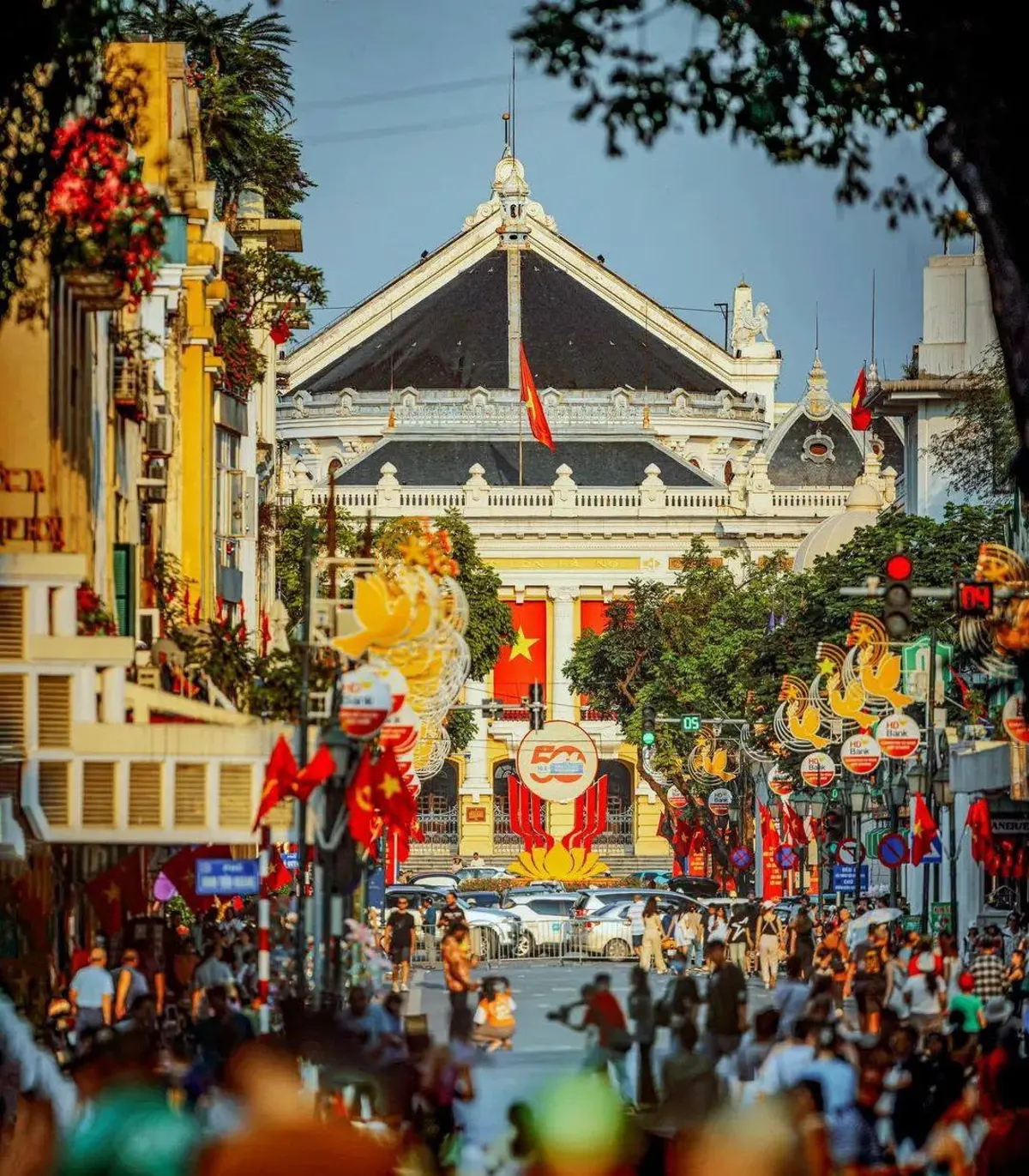
Travelers planning to visit Hanoi during Lunar New Year, locally known as Tet, often inquire about the weather conditions. Unlike the consistently warm southern regions of Vietnam, Hanoi experiences a distinct winter season, and Tet typically coincides with the coolest part of the year. Understanding the capital's climate during this significant cultural period is crucial for appropriate packing, realistic activity planning, and deciding if this season aligns with individual travel preferences.
Hanoi's Winter Climate and the Timing of Tet
Hanoi is characterized by a humid subtropical climate, featuring four distinct seasons. The winter period generally spans from December through February, bringing cooler temperatures, reduced sunlight, and persistent high humidity. While snowfall is not a feature of Hanoi's winter, the damp air can make the cold feel more penetrating than the thermometer might suggest, particularly due to the lack of widespread indoor heating.
Lunar New Year does not adhere to a fixed Gregorian calendar date; instead, it follows the lunar calendar, usually occurring between late January and mid-February. This annual timing means that Tet in Hanoi almost invariably falls within the heart of winter. Although the precise dates shift each year, the prevailing weather patterns remain relatively consistent for the holiday period. Visitors should therefore prepare for typical winter conditions whenever Tet takes place. To gain a broader perspective on seasonal variations across the country, consider reviewing a comprehensive guide to Vietnam travel seasons.
Temperature Expectations and Perceived Chill
During the Tet holiday, average daytime temperatures in Hanoi generally fluctuate between 14°C and 20°C. As night approaches and in the early morning hours, temperatures can decrease to 10°C–12°C, occasionally dropping further during particularly cold spells. While these figures might seem mild to individuals accustomed to colder climates, many visitors find Hanoi's winter surprisingly chilly. This sensation is largely attributed to the high humidity and occasional winds, which combine to create a cooler perceived temperature than the actual reading.
The indoor environment in Hanoi can also contribute to this feeling of cold. Most buildings in the city lack insulation, and central heating systems are uncommon. Consequently, spaces like cafes, restaurants, and hotel rooms may feel similar in temperature to the outdoors. The moist air readily permeates clothing, making it harder for the body to retain warmth, leading to a "bone-chilling" effect, especially when stationary. Travelers who do not anticipate this often experience discomfort throughout the Tet period, even when temperatures are not extremely low. For those interested in deeper cultural experiences, a culinary journey from Hanoi to Ho Chi Minh City can offer insights into local life and traditions, regardless of the weather.
Atmospheric Conditions: Mist, Drizzle, and Wind
Hanoi's weather during Lunar New Year typically does not feature heavy rainfall or torrential downpours. Instead, the city frequently experiences light drizzle, mist, and fog. These atmospheric conditions are particularly prevalent during the early mornings and late evenings. Skies are often overcast, and periods of sunshine can be limited, sometimes for several consecutive days. While this type of weather can reduce visibility and overall brightness, many travelers find that it imparts a serene and evocative mood to the city.
Although the total rainfall during Tet is generally lower compared to the summer months, the persistent drizzle can leave streets damp and sidewalks slick. Carrying an umbrella or a lightweight rain jacket is advisable, not primarily for protection against heavy rain, but for shielding against the continuous fine mist. Visitors should generally anticipate grey skies rather than consistently clear blue ones. Furthermore, cold winds occasionally sweep down from northern regions into Hanoi during winter. Should these cold fronts arrive around Lunar New Year, temperatures can fall abruptly and significantly, impacting comfort levels for a few days. Wind can make outdoor activities less pleasant and increases the necessity for warm clothing layers. Local weather forecasts often provide warnings for these cold spells, but it is prudent for travelers to be prepared regardless.
Daily Weather Progression and Activity Planning
Mornings in Hanoi during Tet are typically the coldest part of the day. They often present a quiet, misty, and still atmosphere. Temperatures are at their lowest, and fog might reduce visibility, particularly around lakes and parks. This period of the day often feels peaceful and contemplative, aligning with the reflective spirit of Tet. Local residents still engage in morning walks and visits to temples, but they dress warmly and move at a relaxed pace. For visitors, mornings can be excellent for photography and observing local life, provided they are adequately dressed.
Afternoons generally offer the most comfortable conditions during Lunar New Year. Temperatures usually climb slightly, reaching their daily maximum in the early to mid-afternoon. On some days, the weather may feel pleasantly cool rather than distinctly cold. Any sunshine that appears is usually brief and occurs during this window. This makes afternoons the most suitable time for walking, sightseeing, and other outdoor pursuits. Travelers should consider scheduling the majority of their outdoor exploration during these hours. As the sun sets, temperatures decline rapidly. Evenings during Tet can feel quite cold, especially if there is a breeze. Streets become quieter as many people remain indoors with their families. Those planning evening strolls or night photography should ensure they wear additional layers. Dining outdoors might also be uncomfortable without sufficient warm attire.
Tet Celebrations and Local Adaptations to the Climate
The prevailing weather significantly influences how Tet is observed in Hanoi. Due to the cooler temperatures, many festive activities shift indoors. Families typically gather within their homes rather than spending extended periods outside. Meals are often warm and substantial, and hot beverages are a common feature. While public celebrations still occur, people tend to move between indoor locations rather than lingering outdoors for prolonged durations. This climate-driven adaptation means that Tet in Hanoi often feels more intimate and less overtly public compared to celebrations in warmer cities.
Local residents are well-accustomed to the winter Tet conditions. They practice careful layering of clothing, frequently consume hot tea, and gather around warm meals. Street vendors who remain open often prioritize hot food items, and cafes serve fewer chilled drinks. People also adjust their daily schedules, tending to venture out later in the morning and returning home earlier in the evening. Observing these local adaptations provides visitors with valuable insights into daily life during the Lunar New Year period. For a deeper understanding of the city's offerings, consider exploring a three-day Hanoi itinerary.
Traveler Suitability and Common Misconceptions
The suitability of Hanoi's weather during Tet for sightseeing depends largely on individual expectations. From a comfort standpoint, the conditions are conducive to walking and exploring, provided travelers dress appropriately. Excessive heat is not a concern, and tourist crowds are generally smaller than during peak seasons. Visually, the city often appears subdued rather than brightly illuminated. Overcast skies and mist soften colors and reduce sharp contrasts. Travelers who appreciate a calm, atmospheric, and culturally rich experience often find Hanoi during Tet quite appealing. Conversely, those primarily seeking abundant sunshine and vibrant cityscapes might find the conditions less to their liking.
The cooler weather naturally encourages a slower pace of travel. People tend to walk more deliberately, take more frequent breaks, and spend additional time indoors. This relaxed rhythm aligns well with the Tet spirit of rest and reflection. Visitors who embrace this slower tempo often report greater enjoyment of Hanoi during Lunar New Year than those attempting to adhere to overly packed schedules. A common misconception among travelers is the assumption that all of Vietnam is perpetually warm. Another is the belief that winter weather will detract from the trip. In reality, Hanoi during Tet offers a distinctive experience shaped by its seasonal climate and profound cultural significance. Anticipating the weather conditions in advance helps establish realistic expectations and mitigate potential disappointment.
Essential Packing and Activity Recommendations
Correct packing significantly enhances comfort during Tet in Hanoi. Many visitors underestimate the chill, especially indoors. Layering is paramount. A light winter jacket or an insulated coat is highly recommended, particularly for mornings and evenings. Underneath, sweaters or long-sleeve tops are more effective than thin shirts. Relying solely on hoodies is not advisable, as humidity can easily penetrate lighter fabrics. Long trousers are considerably more practical than shorts; jeans or thick pants help retain warmth, especially when sitting outside or riding motorbikes. Closed-toe shoes are important, as cold pavement and damp streets can quickly cool feet. Scarves are surprisingly useful, providing warmth and protection from the wind, a practice commonly observed among locals. Gloves are optional but can be welcome during colder periods. Inside hotels, rooms might feel cooler than anticipated, so bringing warm sleepwear is worthwhile if you are sensitive to cold.
Despite the cooler weather, there are numerous enjoyable activities. A walk around Hoan Kiem Lake offers a particularly atmospheric experience during Tet. The morning mist, quiet streets, and locals engaging in gentle exercise create a tranquil, reflective ambiance. Dressing warmly transforms this into one of Hanoi's most memorable experiences. Visiting temples and pagodas is also ideal during Lunar New Year. These sites hold deep cultural importance during Tet and remain active regardless of the weather. The cooler temperatures actually make temple visits more comfortable than during the summer. Museums and other indoor attractions serve as excellent choices on colder days, providing warmth, historical context, and shelter from damp air. Cafes become central to daily routines; Hanoi's renowned coffee culture truly flourishes in winter, with hot beverages largely replacing iced options. Sitting inside a cozy cafe, observing the quiet streets, is a quintessential Tet experience. For those seeking structured exploration, a Hanoi jeep adventure can provide a unique perspective on the city's sights.
Impact on Services and Transportation During Tet
The combination of cold weather and the Tet holiday generally leads to a reduction in overall activity and movement within Hanoi. Traffic significantly decreases, making walking around easier, but also potentially reducing the frequency of public transport. Ride-hailing services continue to operate, though fewer drivers might be available, particularly in the mornings. Cold mornings also discourage early starts; locals tend to leave their homes later in the day, and travelers might find mid-morning or afternoon exploration more comfortable. Since rainfall is usually light, weather rarely causes complete disruption to transportation. However, damp roads can be slippery, so wearing appropriate footwear with good grip is important.
Photography Opportunities and Regional Weather Comparisons
Hanoi during Tet offers distinct photographic opportunities, leaning towards moody and atmospheric scenes rather than bright and colorful ones. Fog, mist, and soft, diffused light create a timeless quality, especially around historical lakes and ancient streets. Photographers who appreciate minimalism, emotional depth, and visual storytelling often find Hanoi in winter Tet to be a compelling subject. Those expecting vibrant blue skies and bold colors might find the conditions challenging. Timing is important; early mornings and late afternoons often provide the most interesting light. For general advice on capturing the essence of the country, refer to a Vietnam photography guide.
When comparing Hanoi's Tet weather to other parts of Vietnam, the differences are notable. Hanoi feels considerably colder than southern Vietnam, where cities remain warm and dry, allowing for more lively outdoor celebrations. Compared to central Vietnam, Hanoi is cooler but typically experiences less heavy rain. Central regions can sometimes face more intense rainfall during Tet, depending on the specific year. This regional contrast explains why Tet often feels quieter and more introspective in Hanoi than in other areas. Travelers planning multi-region trips should prepare for a wide range of weather conditions across the country. For instance, understanding Ho Chi Minh City Tet celebrations reveals a much warmer experience.
| Region | Typical Tet Weather Characteristics | Impact on Celebrations |
|---|---|---|
| Hanoi (Northern Vietnam) | Cool (10-20°C), high humidity, mist, drizzle, overcast skies, occasional cold winds. | More indoor, family-focused activities; quieter public spaces; warm food/drinks. |
| Southern Vietnam (e.g., Ho Chi Minh City) | Warm (25-30°C), dry, sunny skies. | Lively outdoor festivals, flower markets, public gatherings; more vibrant street life. |
| Central Vietnam (e.g., Hue, Hoi An) | Mild to cool, can experience heavier rain, especially if affected by monsoon remnants. | Mix of indoor and outdoor activities; weather can be unpredictable, requiring flexibility. |
Frequently Asked Questions About Hanoi Weather During Lunar New Year
Is Hanoi cold during Tet?
Yes, Hanoi is typically at its coolest point of the year during Tet, with temperatures often ranging between 14°C and 20°C during the day, and dropping lower at night.
Does it rain much during Lunar New Year in Hanoi?
Heavy downpours are not common, but light mist and persistent drizzle are frequently observed.
Can I comfortably walk around Hanoi during Tet?
Yes, walking is quite comfortable if you dress in warm layers, particularly during the milder afternoon hours.
Do Hanoi hotels provide heating during Tet?
While some hotels offer heating, many rely on air conditioning units that may have limited heating capabilities. It's advisable to check with your accommodation.
Final Thoughts on Hanoi Weather During Lunar New Year
Hanoi's weather during Lunar New Year is not merely a condition to tolerate; it is an intrinsic element of the Tet experience itself. The cool, often misty atmosphere reinforces the holiday's deeper meaning: a time for slowing down, seeking warmth, and fostering connections within the family and community. The city takes on a quieter, softer, and more intimate character. For travelers prepared to adjust their expectations and pack appropriately, Tet in Hanoi presents a unique opportunity to witness the capital at its most authentic and reflective. The climate profoundly shapes the culture, and during Tet, Hanoi clearly demonstrates this profound connection.








