
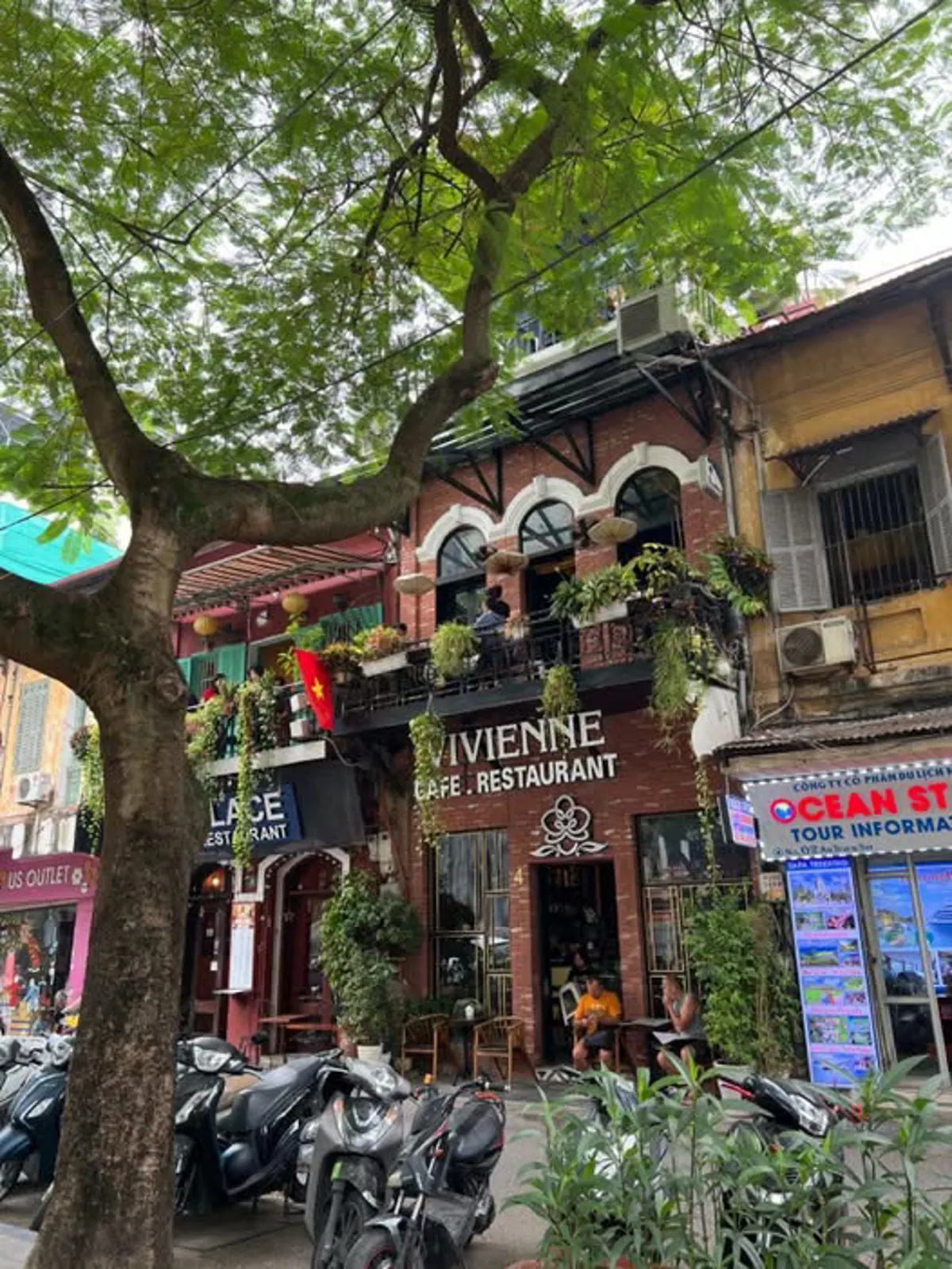
February in Hanoi marks the beginning of spring, presenting visitors with generally mild weather conditions suitable for exploring Vietnam's capital. This period is characterized by cooler temperatures and less intense heat compared to other seasons, often coinciding with the significant Lunar New Year (Tet) celebrations. Understanding the specific climate and cultural events of this month is key to preparing for a comfortable and enriching travel experience in Hanoi.
Understanding Hanoi's February Climate
February represents Hanoi's transition into spring, with air temperatures gradually increasing from January's cooler averages. Daily temperatures typically fluctuate between 15°C (59°F) and 21°C (69.8°F). Mornings and evenings can be quite cool, particularly during the first half of the month, when overnight lows might reach around 10°C (50°F).
Despite being part of the dry season, February in Hanoi experiences a notable number of rainy days, ranging from 11 to 17 throughout the month. However, total precipitation remains low, averaging approximately 30mm. These are generally light drizzles, often occurring in the early morning or at night, and are unlikely to significantly disrupt daytime travel plans. The light rain contributes to the city's fresh appearance and encourages local flora to bloom.
The average relative humidity in Hanoi during February is around 70%. While not excessively high, this level can make the cooler temperatures feel more pronounced. Early in the month, the probability of muggy conditions is lower, with about an 18% chance on February 1st. This likelihood increases as the month progresses, reaching approximately 38% by February 28th.
Air quality in Hanoi generally shows improvement during February, allowing for comfortable outdoor activities on most days. Nevertheless, fine particulate matter like PM2.5 and PM10 can still be present in congested areas. The UV index can reach up to 7, so applying sunscreen or wearing a hat is advisable when spending time outdoors, especially around midday.
Why February is a Favorable Time to Visit Hanoi
February is considered an excellent time to visit Hanoi for those who prefer cooler, gentle weather and wish to experience the traditional Lunar New Year atmosphere. The mild temperatures are conducive to sightseeing and outdoor exploration, avoiding the intense heat of summer or the heavy rains of the wet season.
Crucially, February often provides a unique opportunity to participate in Tet, Vietnam's most important annual holiday. The exact dates of Tet vary each year according to the lunar calendar, typically falling in late January or early to mid-February. While official celebrations last about a week, the festive mood and associated spring festivals, ceremonies, and cultural events extend throughout much of the month. Visitors can observe ancient rituals at temples and sample special Tet dishes that are exclusively available during this period.
It is important to note that February is a popular month for international visitors. Therefore, securing accommodations, transportation, and any guided tours well in advance is highly recommended to prevent issues with availability or increased pricing.
Cultural Experiences and Activities in Hanoi During February
Hanoi offers a range of engaging activities that are particularly enjoyable in February, especially if your visit aligns with the Tet holiday.
- Pilgrimage to Tran Quoc Pagoda: Visiting Tran Quoc Pagoda on the first day of the Lunar New Year is a significant cultural practice. Many Vietnamese people, regardless of formal religious affiliation, visit pagodas to honor ancestors and pray for success, health, and happiness in the coming year.
- Stroll Around Hoan Kiem Lake: During Tet, when many residents return to their hometowns, Hoan Kiem Lake becomes notably quiet and serene. This provides a rare chance to experience the lake's peaceful beauty, a contrast to its usual lively atmosphere.
- Enjoy a Cyclo Tour in the Hanoi Old Quarter: A cyclo tour offers a relaxed way to see the Hanoi Old Quarter. This mode of transport, used for centuries, allows visitors to observe the ancient streets and architecture at a leisurely pace, complemented by the pleasant February weather.
- Savor Tet Dishes: Sampling traditional New Year foods and snacks is essential for understanding Vietnamese culture. Items like Banh Chung (sticky rice cake) or O Mai (candied fruits) each carry cultural significance and stories. For those interested in local products and traditional crafts, many food items also make excellent gifts.
- Participate in a Cooking Class: Joining a cooking class focused on holiday dishes, such as Banh Chung, Gio Lua (Vietnamese sausage), or Nem Ran (spring rolls), provides hands-on cultural engagement. Under expert guidance, participants learn traditional preparation methods and then enjoy their own creations.
- Watch a Water Puppet Show: This traditional art form, dating back to the 11th century, is performed indoors at venues like the Thang Long Water Puppet Theatre. Wooden puppets are skillfully manipulated over a water stage, accompanied by live folk music and singing, depicting rural life, legends, and folklore.
Notable Attractions to Explore in February
Hanoi's classic attractions are particularly appealing during February's mild weather. Here is a selection of cultural and scenic destinations:
| Tourist Attraction | Address | Entrance Fee (Current as of 2025) |
|---|---|---|
| Ho Chi Minh Mausoleum | 2 Hung Vuong St, Ba Dinh District | Free |
| Temple of Literature | 58 Quoc Tu Giam St, Dong Da District | US$2.68 |
| St. Joseph Cathedral | 40 Nha Chung St, Hoan Kiem District | Free |
| Long Bien Bridge | Ngoc Thuy & Long Bien Wards | Free |
| One Pillar Pagoda | Chua Mot Cot St, Ba Dinh District | US$0.96 |
Ho Chi Minh Mausoleum: This solemn site is dedicated to President Ho Chi Minh. Visitors can pay their respects in a dignified atmosphere, especially during morning flag ceremonies. The structure stands as a national symbol.
Temple of Literature: As Vietnam's first university, this site holds historical and cultural importance. In February, students and families often visit to seek academic fortune for the new year. Its courtyards and pavilions offer a quiet, culturally rich experience.
St. Joseph Cathedral: This Gothic-style cathedral, with its tall arches and stained glass, attracts both worshippers and those interested in architecture and photography. The surrounding church square is a popular spot for relaxing and enjoying local street food or coffee.
Long Bien Bridge: The Long Bien Bridge is a testament to resilience, offering views of the Red River and daily life below. It is particularly favored by photographers during sunrise and sunset for its atmospheric glow.
One Pillar Pagoda: This unique pagoda, designed to resemble a lotus flower emerging from water, symbolizes harmony and spiritual enlightenment. Despite its small size, it leaves a lasting impression on visitors.
Suggested Itineraries for a February Visit
Depending on whether your visit coincides with the Lunar New Year, here are two potential one-day itineraries for Hanoi in February.
Itinerary 1: Visiting Hanoi on a Regular Day (Non-Tet Holiday)
Morning: Begin your day at 08:00 by departing from your accommodation. Around 08:30, arrive at the Temple of Literature to learn about Vietnam's traditional education system and observe students seeking calligraphy for good fortune. By 10:00, proceed to the Ho Chi Minh Complex, which includes the Presidential Palace, Ho Chi Minh’s Stilt House, and One Pillar Pagoda, to gain insights into modern Vietnamese history. Lunch at a local restaurant around noon is recommended, featuring dishes like beef pho, spring rolls, and grilled fish.
Afternoon: At 13:30, take a walk through the Old Quarter and around Hoan Kiem Lake, exploring the historic 36 streets and pausing for a cup of egg coffee. By 15:00, visit Hoa Lo Prison, a site that offers a perspective on the Vietnam-US war. Around 17:00, embark on a street food tour, sampling local favorites such as Banh Goi (pillow cake), Bun Cha, and lotus sweet soup, with Dong Xuan Market or Hang Chieu Street being recommended locations. Conclude your day at 18:00 by returning to your hotel or enjoying a rooftop bar.
Itinerary 2: Experiencing Hanoi During Lunar New Year
Morning: Depart from your hotel at 08:00 and head to a Tet flower market, such as Hang Luoc or Quang Ba. This offers an opportunity to experience the festive atmosphere, adorned with peach blossoms and kumquat trees, and interact with local vendors. By 10:00, participate in a hands-on activity like making Banh Chung or candied fruits in a traditional craft village. Around noon, enjoy an authentic Tet meal at a local home or a restaurant specializing in holiday dishes, including spring rolls, Banh Chung, Vietnamese sausage, and pigskin soup, while learning about Tet customs.
Afternoon: At 13:30, visit a pagoda or temple, such as Tay Ho Temple or Tran Quoc Pagoda, to observe spiritual traditions like picking lucky buds or praying for well-being. Around 15:30, stroll along streets decorated for Tet, stopping for photos at landmarks like Hoan Kiem Lake, the Opera House, or Phung Hung Mural Street; you might also try calligraphy for good luck. At 17:30, attend a cultural performance, such as a lion dance or traditional water puppetry, if available. Your day concludes around 18:30.
Practical Advice for Travelers in February
To enhance your Hanoi journey in February, consider these practical tips:
- Check the Lunar Calendar: Confirm the exact dates of Tet (Lunar New Year) in Vietnam, as this will influence local closures and crowd levels, allowing you to plan your trip accordingly.
- Temple Visits: If planning to visit temples during Tet, arriving early in the morning is advisable to avoid large crowds, as many locals make offerings during this time.
- Language Considerations: Be prepared for potentially limited English communication during the Tet holiday, as some businesses may operate with reduced staff. Carrying a translation app or learning a few basic Vietnamese phrases can be very helpful.
- Gratuities: Offering a small amount of "lucky money" to hotel receptionists or restaurant staff who are working during the holiday is a thoughtful gesture of appreciation.
- Packing Essentials: In addition to jackets and gloves for cool early mornings and evenings, especially if using a motorbike, carrying an umbrella is recommended for occasional light drizzles during walking tours.
- Lucky Money: Preparing small denomination money in red envelopes can be a nice gesture if you wish to participate in the tradition of giving lucky money during the New Year. For broader financial planning, understanding banking options in Hanoi is also beneficial.
Frequently Asked Questions
Is Hanoi cold in February? Do I need a winter coat?
Hanoi in February is generally cool, with average temperatures ranging from 15°C to 21°C (59°F to 69.8°F). While not severely cold, it can feel chilly, especially during early mornings and late evenings. A light to medium-weight jacket or a warm sweater is typically sufficient. A heavy winter coat is usually not necessary for most travelers, but dressing in layers is a practical approach to remain comfortable throughout the day.Is the weather good for outdoor activities in February?
Yes, February is considered a favorable time for outdoor activities in Hanoi. The weather is relatively dry, with minimal heavy rainfall, and the cool temperatures make walking, sightseeing, and exploring the city more pleasant than during the hotter, more humid summer months. Visitors can comfortably explore attractions such as the Old Quarter, Hoan Kiem Lake, and the Temple of Literature without significant concern about extreme heat or persistent rain.
Is Hanoi warmer than Northern US cities in February?
Many travelers from northern U.S. states, including areas like New York, Illinois, or Ohio, typically find Hanoi's February weather quite agreeable. Compared to the often snowy and freezing conditions experienced in those regions, Hanoi's climate in February generally feels more akin to an early spring day in the U.S., such as in early April.








