
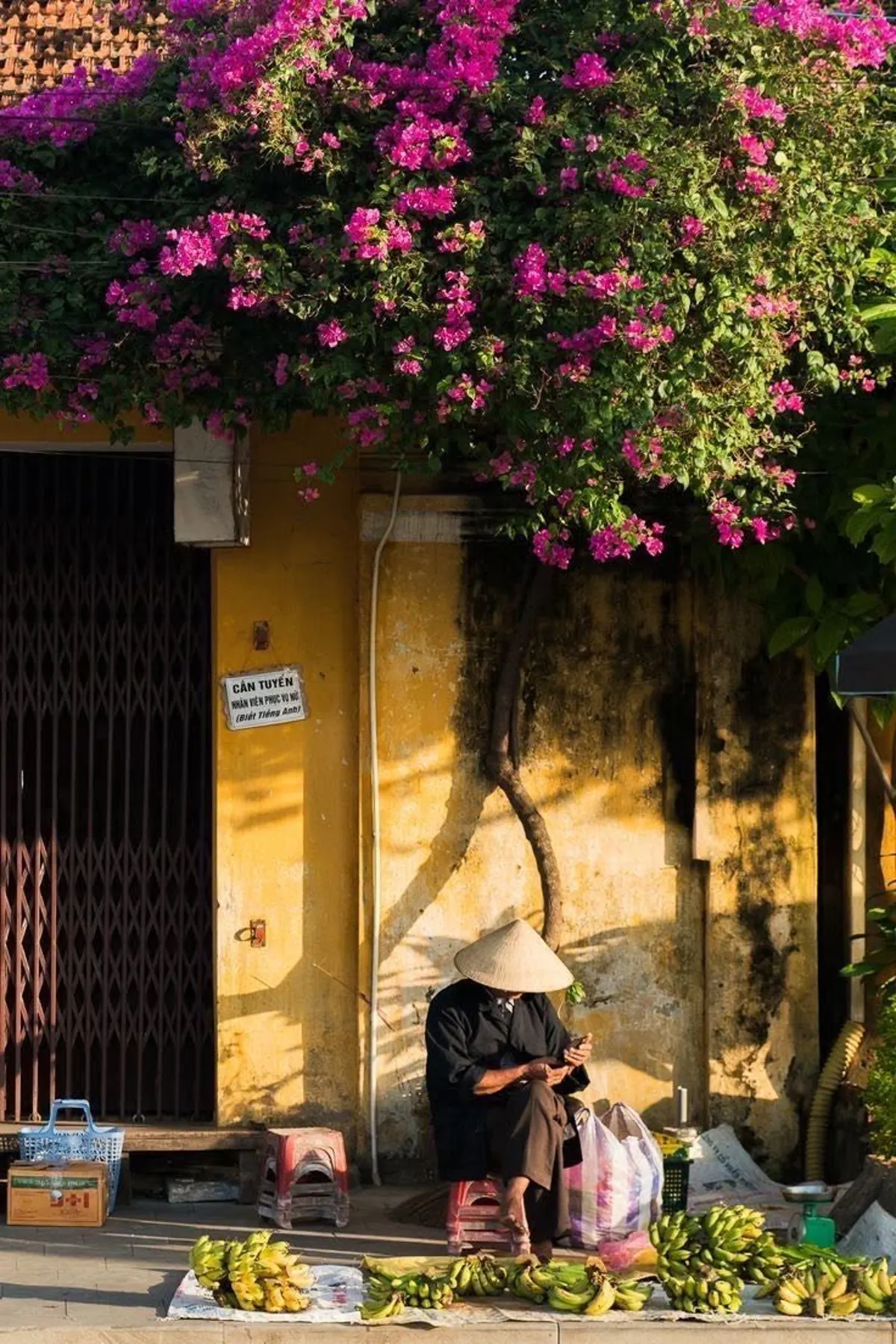
Hanoi, the capital of Vietnam, is characterized by a tropical climate typical of the northern region, featuring two primary seasons: a dry period extending from November to April and a wet period from May to October. Understanding these distinct weather patterns is crucial for travelers aiming to select the most suitable time for their visit and fully experience what the city offers.
Hanoi's Distinct Climatic Profile
Hanoi's weather is defined by a mild, tropical monsoon climate, which dictates its annual cycle. The year is broadly divided into two major meteorological phases. The dry season, influenced by the northeast monsoon, spans from November through April, bringing generally cooler and less humid conditions. Conversely, the wet season, shaped by the southwest monsoon, occurs from May to October, characterized by higher temperatures and increased rainfall.
Within these broader categories, the city experiences four discernible seasons, each presenting unique atmospheric conditions. The warmest months typically fall between June and August, while the coldest period is observed from December to February. This seasonal variation means that visitors can encounter a wide range of weather experiences, from hot, rainy summers to cool, misty winters, depending on their travel dates.
A Seasonal Breakdown of Hanoi's Weather
Each season in Hanoi offers a different ambiance and set of experiences, influenced by specific temperature and humidity levels.
Spring: Humid and Showery
The spring months, generally from March to May, mark the beginning of the year with a humid atmosphere. Average temperatures hover around 24°C, accompanied by a humidity level of approximately 81% and cloud cover around 53%. This period often brings light sunshine interspersed with brief, sudden drizzles, which locals report contribute to a refreshing natural environment.
During spring, the weather is often considered favorable for exploring natural landscapes as many flowers come into bloom. Walking or riding through the Old Quarter allows visitors to enjoy the mild air. Many find sitting at a cafe terrace with a warm beverage, observing daily life, to be a pleasant activity.
Summer: Warm and Wet
Hanoi's summer, typically from June to August, is known for being the warmest period. Average temperatures reach about 30°C, with humidity at approximately 79% and significant cloud cover at 90%. While the daytime heat can be intense, leading many to prefer indoor, air-conditioned environments, this also coincides with a popular tourist period.
Evenings during summer often see temperatures decrease to around 30°C, making them more comfortable for outdoor activities. Visitors frequently gather on street-side establishments to enjoy cold drinks. The West Lake area is particularly noted for its lotus blossoms during this time. Travelers should carry rain protection, such as an umbrella or raincoat, due to the possibility of sudden, heavy showers. For those looking to enjoy the coastal areas of Vietnam, considering a trip to Halong Bay's beaches might be a good option during the warmer months.
Autumn: Mild and Agreeable
Autumn, spanning from September to November, is widely regarded as Hanoi's most pleasant season. The weather is generally mild, with average temperatures around 25°C, humidity at 76%, and cloud cover at 54%. This period is characterized by clear sunlight and gentle breezes, creating a calm and serene atmosphere.
The comfortable conditions are ideal for leisurely strolls, allowing visitors to observe the changing foliage and enjoy the sweet scent of milk flowers that often bloom. Autumn is also the season to try "Com," a unique green sticky rice specialty.
Winter: Cool and Misty
From December to February, Hanoi experiences its cooler winter months. Average temperatures are approximately 17°C, with humidity around 78% and cloud cover at 32%. Temperatures can sometimes fall below 10°C, and the high humidity can make the cold feel more pronounced. This season appeals to those who prefer cooler weather.
Winter days are often characterized by a white mist, and the air becomes noticeably damper. Visitors should pack warm clothing, including sweaters, scarves, and gloves. Evenings become significantly colder, suggesting a return to accommodation before 10 p.m. is advisable. Trying warm dishes like Pho (hot noodle soup) and egg coffee is a popular way to stay warm.
Selecting the Optimal Period for a Hanoi Visit
While each season in Hanoi possesses its own charm, the ideal time for a visit often depends on personal preferences. However, many long-term residents and travel experts frequently recommend spring and autumn as the most favorable periods.
Based on temperature patterns, Hanoi's climate can be broadly categorized into three distinct phases:
- Hot Season: Lasting five months (May to September), with an average temperature of 31°C. June is typically the hottest month, reaching up to 38°C.
- Cold Season: Spanning five months (November to March), with an average temperature of 18°C. January is generally the coldest month, with temperatures around 13°C.
- Transitional Period: Occurring in October and April, these two months feature an average temperature of 24°C and are known for their cool and pleasant conditions.
Considering all factors, autumn, specifically from September to October, is widely considered the prime time to travel to Hanoi. During these months, the rainy season typically concludes, leading to lower precipitation and moderate temperatures. The city's appearance, with leaves changing color, is often described as captivating, providing excellent opportunities for photography. The agreeable autumn weather supports a variety of outdoor pursuits, including sightseeing, cycling, and culinary exploration.
Monthly Weather Expectations in Hanoi
Understanding the nuances of each month can further refine travel plans, as conditions can vary significantly. While precise forecasts are difficult, general trends provide useful guidance.
| Month | Temperature Range (°C) | Typical Conditions | Common Activities / Expectations |
|---|---|---|---|
| January | 13 – 25 | Foggy, Cold | Sampling winter dishes, experiencing cooler weather |
| February | 15 – 25 | Humid, Frequent light rain | Attending cultural festivals, observing blooming flora |
| March | 20 – 30 | Warm, Mild | Outdoor activities, city exploration |
| April | 25 – 33 | Sunny, Increased rain | Day tours, public holiday travel |
| May | 25 – 35 | Summery, Occasional showers | Enjoying bright skies, urban sightseeing |
| June | 28 – 38 | Very hot, Heavy rain | Water-based activities, beach trips (outside Hanoi) |
| July | 26 – 36 | Hot, Thunderstorms | Tasting summer cuisine |
| August | 25 – 35 | Warm, Highest rainfall | Finding summer travel deals |
| September | 24 – 34 | Less rain, Breezy | Observing sunsets, comfortable outdoor time |
| October | 23 – 33 | Windy, Pleasant | Ideal weather for sightseeing and outdoor activities |
| November | 20 – 30 | Cloudy, Crisp | Exploring northern Vietnamese mountains, such as those near Mount Fansipan in Sapa. |
| December | 20 – 30 | Cool, Lowest rainfall | Holiday vacations (Christmas, New Year) |
Navigating Tourist Seasons and Budget Considerations
Understanding Hanoi's tourist seasons can impact travel costs and crowd levels.
Peak Tourist Season
The months from October to December are generally considered Hanoi's peak tourist season. This period, coinciding with cooler weather and various holiday seasons, sees a higher influx of international visitors. Consequently, travel expenses, including accommodation and tours, are typically higher, and popular sites may be more crowded. This might not be the most economical time for travelers on a strict budget.
Off-Peak Tourist Season
Summer, particularly late summer between July and August, is often regarded as Hanoi's low tourist season. Despite the warmer and wetter conditions, this period can be advantageous for budget-conscious travelers. Many tour operators and accommodations offer promotional campaigns and discounts during these months. For instance, reports indicate significant savings, such as 40% off on tours to Halong Bay from Hanoi, making it an attractive time for those seeking value.
Practical Advice for Navigating Hanoi's Climate
Even when traveling during the recommended times, unexpected weather can occur. Here are some local suggestions for adapting to Hanoi's climate variations:
- Morning Activities During the Monsoon Season: While the rainy season can seem daunting, Hanoi's monsoon patterns are often less severe than in some other tropical regions. Sunshine hours are still common, and rainfall frequently occurs in the afternoon. Planning outdoor excursions or visits to the city's outskirts for the morning hours can maximize enjoyment.
- Indoor Alternatives for Rainy Days: Should rain persist, Hanoi offers numerous indoor activities. Consider participating in a Vietnamese cooking class, attending a traditional water puppet performance, joining a pottery workshop, or simply relaxing at a cafe with a warm drink while observing the rain.
- Layering for the Dry Season: Although December and January are the coldest months, it is advisable to pack a light jacket or cardigan for other dry season months. Daytime temperatures may not exceed 20°C, and the dry air can make it feel cooler than the thermometer indicates.
- Managing Finances: Regardless of the season, it's prudent to be prepared for financial transactions. Familiarize yourself with banking services available in Hanoi to ensure smooth access to funds.
- Souvenir Shopping: When planning your trip, consider what unique items you might want to bring home. Exploring local markets for essential souvenirs and unique purchases from Vietnam can be a rewarding experience, regardless of the weather.
Frequently Asked Questions
What are the primary seasons in Hanoi?
Hanoi experiences two main seasons: a dry season from November to April, influenced by the northeast monsoon, and a wet season from May to October, affected by the southwest monsoon. Within these, four distinct seasons—spring, summer, autumn, and winter—are observed.
Which months are considered the best for visiting Hanoi?
Autumn, specifically September and October, is generally recommended as the best time to visit Hanoi. During these months, the weather is typically cool and pleasant, with lower humidity and reduced rainfall, creating ideal conditions for sightseeing and outdoor activities.
Is Hanoi very hot in summer?
Yes, Hanoi summers, from June to August, are known for high temperatures, often averaging around 30°C and sometimes reaching up to 38°C in June. This period also sees significant rainfall and high humidity.
What should I pack for a winter trip to Hanoi?
For a winter visit (December to February), it is advisable to pack warm clothing such as sweaters, scarves, gloves, and a substantial jacket. Temperatures can drop below 10°C, and the humidity can make the cold feel more intense.
Are there any advantages to visiting Hanoi during the off-peak season?
Visiting Hanoi during the off-peak summer season (July and August) can be beneficial for budget travelers. This period often features promotional deals and discounts on tours and accommodations, offering potential cost savings despite the warmer and wetter weather.








