
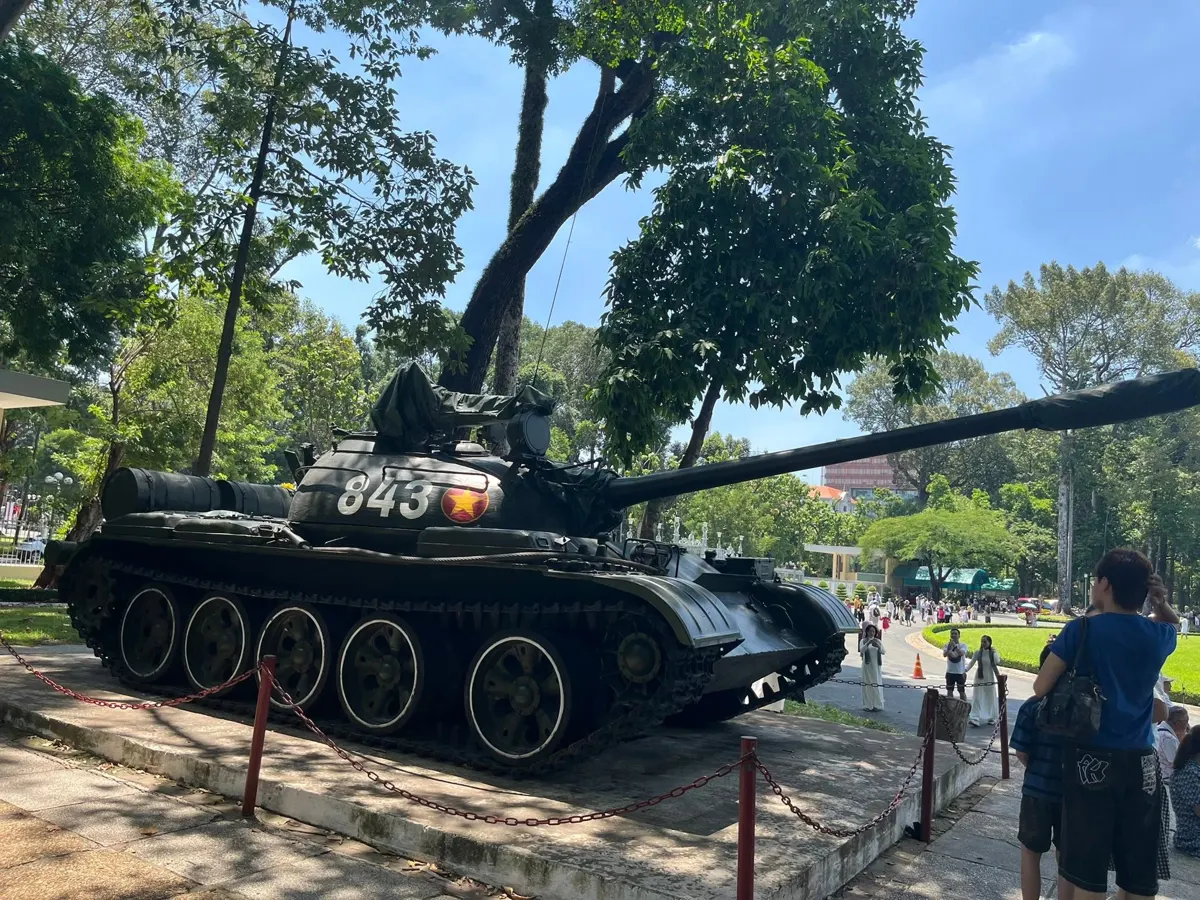
Visiting Ho Chi Minh City in January typically means experiencing some of the most pleasant weather of the year. This month falls squarely within the dry season, characterized by stable temperatures, very little precipitation, and a generally comfortable atmosphere suitable for extensive urban exploration. For many international visitors seeking an escape from colder climates, January in Ho Chi Minh City provides a welcome combination of sunshine, open-air markets, and lively streets, without the oppressive humidity often associated with Vietnam’s tropical environment. The climate supports a wide range of travel interests, whether focusing on sightseeing in District 1, cultural experiences in Chinatown, culinary tours through night markets, or excursions to the Mekong Delta and Cu Chi Tunnels. Understanding the typical January weather patterns helps visitors plan effectively and fully enjoy this stable period.
Understanding Ho Chi Minh City's January Climate
Ho Chi Minh City is situated in a tropical monsoon region, experiencing two primary seasons: a wet period and a dry period. January is firmly positioned within the dry half of the year, which generally extends from late November through April. This timing grants the month a notable characteristic: consistency. Unlike transitional months where conditions can fluctuate between showers and sunshine, January tends to maintain a steady pattern. Temperatures remain within a narrow range, humidity levels are moderate, and rainfall is minimal.
During January, morning temperatures typically begin around 22–24°C. By the middle of the afternoon, temperatures usually reach approximately 29–31°C. While still warm for travelers arriving from cooler regions, the significant difference is the reduced humidity that accompanies the dry season. The air feels lighter, making walking and outdoor activities more comfortable. Even under direct sunlight, the heat seldom feels stifling. Since the temperature variations are slight throughout the month, there is less need to constantly adjust plans for sudden shifts in warmth or coolness. Humidity levels decrease considerably compared to the rainy months. Instead of the dense, heavy air prevalent from May to October, January offers a drier, more breathable atmosphere. This makes navigating crowded streets easier, markets less overwhelming, and extended walks across the city more enjoyable. Indoor spaces that rely on natural ventilation rather than strong air conditioning also feel more pleasant during this period.
Rainfall is a rare occurrence in January. While a brief, passing shower can still happen, many visitors complete their entire trip without encountering any rain. This absence of rain leads to less cloud cover and more clear, bright days. Long, sunny afternoons are common, providing ideal conditions for visiting markets, taking walking tours, and enjoying panoramic city views from elevated spots. Visibility also improves as moisture in the air diminishes, making views from high-rise buildings in District 1 or along the Saigon River clearer and more expansive. These elements combine to create one of the most balanced weather patterns of the year, supporting almost any activity, from daytime street food explorations to late-night city strolls.
Daily Weather Patterns and Activities
Mornings: Cool, Calm, and Ideal for Exploration
Mornings in Ho Chi Minh City during January are widely considered the best time for outdoor activities. Temperatures start at approximately 22–24°C, giving the city a gentle, refreshing ambiance that contrasts with the hotter periods. The cooler air draws local residents outside. In parks like Tao Dan Park or September 23 Park, people can be seen exercising, practicing tai chi, or enjoying strong coffee at sidewalk cafés before the city fully awakens. For visitors, this window is perfect for relaxed walks through District 1, early visits to Ben Thanh Market, or leisurely strolls along the Saigon River. It is also an opportune time to visit significant landmarks such as the Central Post Office, Independence Palace, and Notre Dame Cathedral. With low humidity, the air feels crisp in a way that is uncommon for a tropical city, allowing for more ground to be covered without feeling fatigued. Photographers benefit from the soft morning light, which enhances both modern skyscrapers and colonial-era structures. Mornings are also well-suited for departing on excursions from the city. Many tours to the Cu Chi Tunnels, Mekong Delta, or Can Gio Biosphere Reserve typically leave early to take advantage of the cooler temperatures. Traveling at this time helps reduce exhaustion and allows for appreciation of rural scenery before the day heats up. Overall, January mornings strike a unique balance between tropical warmth and temperate comfort, providing an excellent climate for extended, relaxed exploration.
Midday and Afternoon: Warm but Manageable Heat
Around midday, the city reaches its warmest point, usually between 28°C and 31°C. The sun can feel intense at this time, but the reduced humidity prevents the heat from becoming overwhelming. Travelers who have visited in April or May will immediately notice the difference; in those months, stepping outside at noon can be exhausting. In January, similar activities remain quite manageable. This makes midday and early afternoon suitable for sightseeing and urban wandering. Visitors can explore the War Remnants Museum, the Opera House, Jade Emperor Pagoda, or the newer districts across the river without requiring frequent breaks in air-conditioned environments. District 3’s tree-lined streets feel shaded and pleasant, and even the wide boulevards in District 1 remain comfortable for walking. Shoppers and food enthusiasts also benefit. Areas around Ben Thanh Market, Chinatown, or other outdoor shopping streets are much more enjoyable when humidity is moderate. Airflow through markets and open buildings improves, making browsing for textiles, souvenirs, and street food less tiring. If indoor respite is preferred during the warmest part of the day, the city offers modern malls, art galleries, cinemas, and quiet cafés. Many travelers, however, choose to remain outdoors because January’s midday conditions are mild enough to permit sightseeing without excessive discomfort.
Evenings: Warm, Comfortable, and Perfect for Nightlife
After sunset, temperatures typically fall into the mid-20s, sometimes dropping slightly lower. This results in one of Southeast Asia's most pleasant evening climates during this time of year. There is no need for extra layers, yet the air no longer feels hot. This balance makes January nights particularly appealing for experiencing the city’s social and culinary scene. Nguyen Hue Walking Street becomes a central gathering point, where families, groups of friends, and travelers watch street performers, take photographs, and enjoy the open space between tall buildings. Rooftop bars and restaurants in District 1 and Thu Duc City remain busy, offering expansive views of the glittering skyline without the haze that can appear in wetter months. Saigon River cruises operate smoothly, providing comfortable deck temperatures for dining or simply observing the lights along the riverbanks. Night markets in districts 1, 4, and 5 thrive in January. Visitors can wander through Binh Tay Market after dark or explore the streets around Ben Thanh without concerns about rain. The comfortable air facilitates sampling street food, examining local products, and absorbing the atmosphere. Districts such as Thao Dien and Dakao, known for their cafés and bars, also benefit from the mild evenings. Many establishments feature open terraces or street-facing seating, allowing guests to linger in these spaces late into the night, making evenings a highlight of a Ho Chi Minh City visit.
Impact on City Life and Culture
The consistent climate of January significantly influences daily life in Ho Chi Minh City. Outdoor dining becomes a prevalent practice. Sidewalk eateries, rooftop venues, and riverside restaurants operate throughout the day with minimal need for weather-related adjustments. Street food vendors can work late into the night, confident that sudden storms will not force early closures. Morning markets are particularly lively. Ben Thanh Market, Tan Dinh Market, and various neighborhood fresh markets attract both residents and visitors. Vendors display fruits, vegetables, seafood, and flowers along dry streets, while shoppers move easily between stalls. For travelers, this offers one of the best ways to experience the city’s daily rhythm without contending with intense heat or rain.
Public parks assume a strong social function. Tao Dan Park, September 23 Park, and smaller green spaces see joggers, group exercise sessions, and families with children throughout the day. The cooler air makes these parks inviting, not only at sunrise but also during late afternoon and early evening. January also marks the period leading up to Tet, the Lunar New Year. Depending on the specific year, Tet may occur in late January or early February. In the weeks preceding the holiday, flower markets expand, streets are adorned with red and gold decorations, and families begin purchasing gifts and festive foods. Travelers visiting during this time experience a blend of regular city routines and a growing festive mood that feels distinctly local. Capturing these moments can be a rewarding experience, offering unique photography opportunities during Tet.
Food Culture in January
The dry-season weather elevates Ho Chi Minh City’s already prominent food culture. Because temperatures are comfortable day and night, outdoor dining is effortless. Plastic stools on the sidewalk, open-fronted street kitchens, and simple beer gardens all benefit from the mild conditions. Classic dishes such as pho, bun thit nuong, and com tam taste even better when diners do not feel overheated. In the evening, one can enjoy steaming bowls of noodle soup or sizzling plates of grilled meat without the discomfort of sticky heat. Seafood streets and snail restaurants, especially in districts 4 and 10, remain busy with locals enjoying plates of clams, crab, and shellfish in the open air. For those interested in a local specialty, exploring Saigon's essential banh xeo spots provides a delightful culinary experience.
Coffee culture also flourishes in January. The city’s numerous cafés, ranging from traditional phin-coffee shops to contemporary specialty roasters, offer outdoor or semi-outdoor seating that works perfectly in the dry season. Visitors can sit on a balcony overlooking a busy street, in a secluded courtyard, or by the river, and savor coffee at a leisurely pace rather than needing to rush indoors to escape heat or rain. International restaurants with terraces or rooftop decks also experience strong demand. The combination of clear views and gentle breezes transforms dinner into a relaxed experience, rather than something scheduled around adverse weather.
Exploring Beyond the City: Day Trips and Excursions
Stable weather makes January an excellent month for day trips originating from Ho Chi Minh City. Roads are dry, visibility is good, and temperatures outside the city remain warm but not excessively hot. The Mekong Delta is a popular choice. During the dry season, its narrow canals, orchards, and small villages are more accessible. Boat rides, cycling routes, and farm visits operate smoothly, and visitors avoid the mud and heavy humidity often associated with the rainy season. For those planning a visit to this region, understanding Mekong Delta weather in December can also provide useful context for the dry season. The Cu Chi Tunnels are also more comfortable to explore. Drier soil, reduced humidity, and moderate temperatures make walking through forest paths and viewing tunnel sections less fatiguing. Coastal destinations such as Vung Tau or Ho Tram enjoy mild temperatures and refreshing sea breezes in January. While sea conditions can vary, the general climate is pleasant for beach walks, seafood lunches, and brief getaways from the city. Consider a comprehensive journey that includes these southern highlights; a 10-day Southern to Northern Vietnam Discovery & Halong Bay Cruise offers an opportunity to experience Ho Chi Minh City, the Mekong Delta, and the Cu Chi Tunnels before heading north.
Travel Logistics and Planning Considerations
From a logistical standpoint, January is one of the most straightforward times to navigate Ho Chi Minh City. Dry roads and clear skies mean that traffic generally flows more smoothly than during the wet season. Ride-hailing services, taxis, and public buses operate with fewer weather-related disruptions. For confident riders, renting a motorbike is also more appealing when there is no concern about sudden storms or slippery streets. Air travel is relatively stable. Tan Son Nhat International Airport experiences fewer delays linked to tropical storms, so both domestic and international flights tend to run closer to schedule. Because January coincides with the high tourist season, it is still advisable to book flights and accommodations early, particularly if your visit overlaps with the Tet holiday period. Hotel availability is generally good due to the city’s large number of rooms, though central districts and popular boutique properties can fill up quickly. Prices may increase slightly around late January and early February as local travelers move for Tet, but they are usually still reasonable compared with peak summer rates in many other destinations.
January Weather Summary for Ho Chi Minh City
| Weather Aspect | Typical January Conditions |
|---|---|
| Average Temperature (Morning) | 22–24°C |
| Average Temperature (Afternoon) | 29–31°C |
| Humidity Level | Moderate (significantly lower than wet season) |
| Rainfall Frequency | Very Low (rare, short showers) |
| Sky Conditions | Mostly Clear, Bright, Sunny |
| Visibility | Good to Excellent |
| Overall Comfort | High |
Frequently Asked Questions
Is January a good time to visit Ho Chi Minh City?
Yes, January is considered one of the best months to visit Ho Chi Minh City due to its warm temperatures, low humidity, and minimal rainfall. It is ideal for sightseeing, culinary tours, and day trips.
How hot does Ho Chi Minh City get in January?
Temperatures typically range from about 22–24°C in the morning to 29–31°C in the afternoon. While warm, the lower humidity makes it much more comfortable than later dry-season months.
Does it rain in Ho Chi Minh City in January?
Rainfall is very rare in January. Many visitors experience entirely dry trips, which simplifies planning and makes the weather highly predictable.
Is January too humid?
Humidity levels drop significantly during January, making the air feel lighter and outdoor activities much easier compared to the wet season.
Can you swim or visit beaches near Ho Chi Minh City in January?
Yes, January is a favorable month for coastal excursions to places like Vung Tau or Ho Tram. Conditions are warm, accompanied by mild sea breezes.
What should travelers wear in January?
Lightweight clothing is suitable for daytime. It is also advisable to bring something thin for cooler evening breezes. Comfortable walking shoes are highly recommended for city exploration.
Is January a busy tourism month in Ho Chi Minh City?
January is part of the high tourist season. The city feels lively, and areas around District 1 can be busier, especially as preparations for Tet (Lunar New Year) begin.
Are day trips easier in January?
Yes, dry roads and clear skies make January an excellent time for excursions to sites such as the Cu Chi Tunnels, the Mekong Delta, and the Can Gio Biosphere Reserve.
Is air quality better in January?
Air quality can vary, but visibility generally improves due to lower humidity. Many travelers find the air more comfortable than during the wetter months.








