
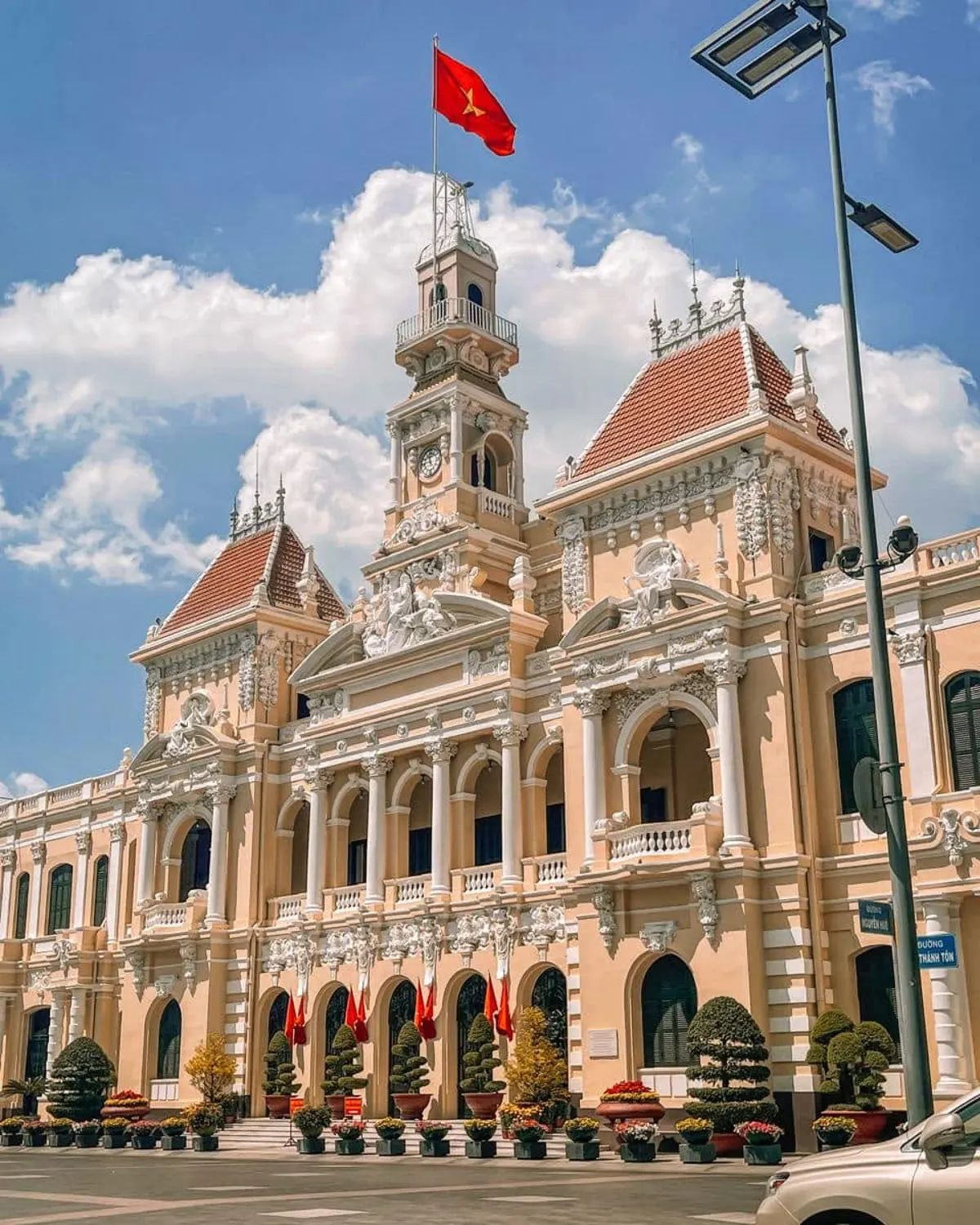
Ho Chi Minh City, often referred to as Saigon, has experienced a remarkable evolution in its artistic community over the last decade. What was once a smaller collection of commercial galleries has expanded into a rich and varied domestic art culture, increasingly focused on supporting young and developing Vietnamese artists. Visitors interested in the visual arts will find numerous locations dedicated to both the historical trajectory and the current trends in Vietnamese creative expression.
The Historical Roots of Vietnamese Visual Art
Vietnamese visual art traditions extend back to the Stone Age, encompassing a wide array of materials and techniques. These include intricate handcrafts, detailed woodwork, sophisticated lacquerware, delicate silk paintings, pottery, and bronze casting, alongside painting and sculpture. For centuries leading up to the 20th century, much of Vietnamese art served practical, religious, or decorative purposes, often manifesting as utilitarian handcrafts.
A significant shift occurred during the colonial era, when European artistic styles gained influence, giving rise to a new phase of modern Vietnamese art. Following the Doi Moi (renovation) campaign, a second wave of artistic exploration emerged, characterized by experimental, abstract, and innovative works. This period paved the way for the contemporary art scene visible in Vietnam today. Ho Chi Minh City's galleries and museums provide an opportunity to trace this dynamic artistic progression, featuring historical, classical, and modern pieces.
Prominent Art Institutions and Galleries in Ho Chi Minh City
Ho Chi Minh City offers a range of venues for experiencing Vietnamese art, from established museums preserving heritage to innovative spaces promoting new talent. Here are some notable locations:
The Factory Contemporary Art Center
Established in 2016 by artist Tia-Thuy Nguyen, The Factory operates as a social enterprise, reinvesting its earnings into its creative initiatives. It stands out as the only venue in Ho Chi Minh City specifically dedicated to contemporary art. The center occupies a 1,000-square-meter space constructed from shipping containers, which are cleverly arranged to form distinct rooms for various functions. Facilities include a coffee shop, a bar, an art book library, areas for pop-up sales, and dedicated spaces for talks, workshops, film screenings, seminars, and exhibitions.
The art displayed here is multidisciplinary, featuring paintings, sculptures, and installations. The Factory's programs are designed to address the needs of the local community, fostering connections among artists and providing access to resources and support. This center is gaining recognition for its commitment to collaboration, education, and contributing to Vietnam's evolving artistic landscape.
Fine Arts Museum of Ho Chi Minh City
Recognized as a leading art museum in Ho Chi Minh City, the Fine Arts Museum is housed within a restored three-story building. Its Art Deco architectural style blends Asian and European influences, making the structure itself an artistic highlight. This institution is particularly important for understanding the broader history of art in Vietnam. Its sixteen exhibition rooms are spread across three floors.
The first floor hosts rotating galleries, temporary exhibitions, and various activities. The second floor features a permanent collection of fine arts, including paintings from the Southern Fine Arts period (18th to 20th century), as well as works from two contemporary art periods: the early 20th century to 1975, and from 1975 to the present. The third floor is dedicated to historical art and handcrafts, showcasing ancient bronze sculptures of Hindu and Buddhist deities from Southern Vietnam, alongside sandstone and terracotta art from the Champa kingdom.
Ao Dai Museum
The Ao Dai Museum, constructed approximately a decade ago by fashion designer Sy Hoang, celebrates Vietnam's national dress. The building features a traditional Vietnamese architectural style, characterized by a substantial wood frame and a yin and yang patterned tile roof. This compact structure is set within an expansive 16,000-square-meter garden, complete with lotus ponds and herb gardens. Inside, visitors can view around 300 different versions of the ao dai. One section of the museum illustrates the historical progression of the ao dai through various periods, while another displays actual dresses worn by Vietnamese women who have significantly influenced the nation's culture and history. The Ao Dai Museum serves as a meaningful tribute to Vietnamese living history, culture, and artistry.
Couleurs by Rehahn - Dong Khoi
Réhahn, a globally recognized photographer, is known for his compelling images that capture both traditional and contemporary Vietnam, including its ethnic minority groups. His gallery in Ho Chi Minh City, which opened in 2017, has attracted numerous visitors from around the world. It features his travel photography from Vietnam, as well as from Malaysia, Cuba, and India. The gallery is situated on the historic Dong Khoi street, an area known for its diplomatic presence and luxury retail. This tree-lined avenue is home to five-star hotels and some of the city's most architecturally significant buildings. Réhahn’s gallery is located in the lobby of the Intercontinental hotel, directly opposite the Saigon Opera House. The gallery offers collector’s editions of Réhahn’s original works, which are considered investment pieces, alongside more accessible reproductions of his well-known photographs. It provides an opportunity to appreciate the beauty of Vietnam through a distinctive photographic perspective.
Craig Thomas Gallery
The Craig Thomas Gallery, established in 2009 by its namesake curator, was founded with the specific aim of nurturing and presenting young Vietnamese visual artists. Craig Thomas, having previously managed and curated other galleries in Ho Chi Minh City, recognized a need to support promising young painters who lacked adequate promotion and resources. The gallery was created to address this gap, fostering the art scene by offering opportunities to emerging and underground artists. Located in a quiet space in central District 1, the gallery hosts a regular schedule of carefully curated exhibitions featuring new artists. While initially focusing on talent from Ho Chi Minh City, the gallery has expanded to include artists from Hanoi and Hue, and now also features international artists. Each exhibition typically introduces at least two artists making their debut, positioning the Craig Thomas Gallery as a key venue for discovering rising stars within the Vietnamese contemporary art landscape. For those interested in art beyond Ho Chi Minh City, exploring Hanoi art galleries can provide further insights into Vietnam's diverse artistic expressions.
Exploring Contemporary Art Spaces
Ho Chi Minh City's contemporary art scene is characterized by its dynamic nature and focus on emerging talent. Institutions like The Factory Contemporary Art Center are at the forefront, providing platforms for experimental works and fostering a sense of community among artists. These spaces often host a variety of events, from interactive workshops to film screenings, making art accessible and engaging for a broader audience.
The Craig Thomas Gallery further exemplifies this commitment to contemporary art by actively seeking out and promoting new voices. Its regular exhibition schedule ensures a fresh rotation of works, often introducing artists to the public for the first time. This focus on debut exhibitions creates an environment where visitors can witness the early stages of significant artistic careers and engage with the cutting edge of Vietnamese visual culture. Such galleries play a crucial role in connecting local artists with both domestic and international audiences, contributing to the global recognition of Vietnamese contemporary art.
Traditional Vietnamese Art and Cultural Displays
While contemporary art flourishes, Ho Chi Minh City also preserves and celebrates its rich artistic heritage. The Fine Arts Museum offers a comprehensive journey through centuries of Vietnamese art, from ancient artifacts to early modern paintings. Its extensive collections provide context for understanding the cultural and historical influences that have shaped the nation's artistic identity. The museum's architectural beauty, blending Eastern and Western aesthetics, enhances the experience of exploring its diverse exhibits.
The Ao Dai Museum offers a unique cultural perspective, focusing on the evolution and significance of Vietnam's traditional dress. Through its displays, visitors gain insight into the social and historical narratives woven into this iconic garment. The museum's setting within a traditional garden further enriches the experience, creating a tranquil environment for appreciating Vietnamese heritage. These institutions collectively ensure that both the historical depth and modern expressions of Vietnamese art are accessible to all. For a broader view of cultural institutions in the country, consider visiting the Vietnam Women's Museum in Hanoi, which offers another perspective on the nation's heritage.
Practical Advice for Visiting Galleries
When planning a visit to Ho Chi Minh City's art galleries and museums, it is advisable to check their current operating hours and any specific entry requirements, as these can change. Many galleries are located within central districts, making them accessible via various transportation options, including ride-sharing services or taxis. Some smaller, independent galleries might have less consistent hours or require appointments, so a quick check of their official websites or social media pages before your visit is recommended.
While most major museums have clear signage, some contemporary art spaces might be situated in less obvious locations, such as converted industrial buildings or upper floors of commercial properties. Allowing ample time for exploration and perhaps combining a gallery visit with nearby cafes or cultural sites can enhance the overall experience. Ho Chi Minh City is also a significant hub for various events; for more information on the city's broader appeal, see our guide on Ho Chi Minh City as a leading destination for business events and conferences.
Frequently Asked Questions
What types of art can I expect to see in Ho Chi Minh City?
Ho Chi Minh City's art scene features a wide range of styles, from ancient handcrafts and traditional lacquerware to modern paintings, sculptures, and experimental installations. Both historical and contemporary Vietnamese art are well-represented across various venues.
Are there specific areas known for art galleries in Ho Chi Minh City?
Many prominent galleries and museums are located in central districts, particularly District 1. Historic Dong Khoi street is home to some, while other contemporary spaces might be found in repurposed industrial areas or quieter parts of the city.
Do Ho Chi Minh City's art galleries focus more on traditional or contemporary art?
The city offers a balance of both. While institutions like the Fine Arts Museum preserve and display historical works, centers such as The Factory Contemporary Art Center and Craig Thomas Gallery are dedicated to showcasing and developing contemporary Vietnamese artists.
Is there an entry fee for art galleries and museums in Ho Chi Minh City?
Entry fees vary by venue. Some commercial galleries may offer free admission, particularly for browsing, while larger museums typically charge a modest entrance fee. It is best to verify specific costs on each institution's official website before visiting.
Can I purchase art from galleries in Ho Chi Minh City?
Yes, many commercial galleries, such as Couleurs by Rehahn and Craig Thomas Gallery, offer artworks for sale, ranging from original pieces by established and emerging artists to reproductions. Prices can vary significantly based on the artist, medium, and size of the work.








