
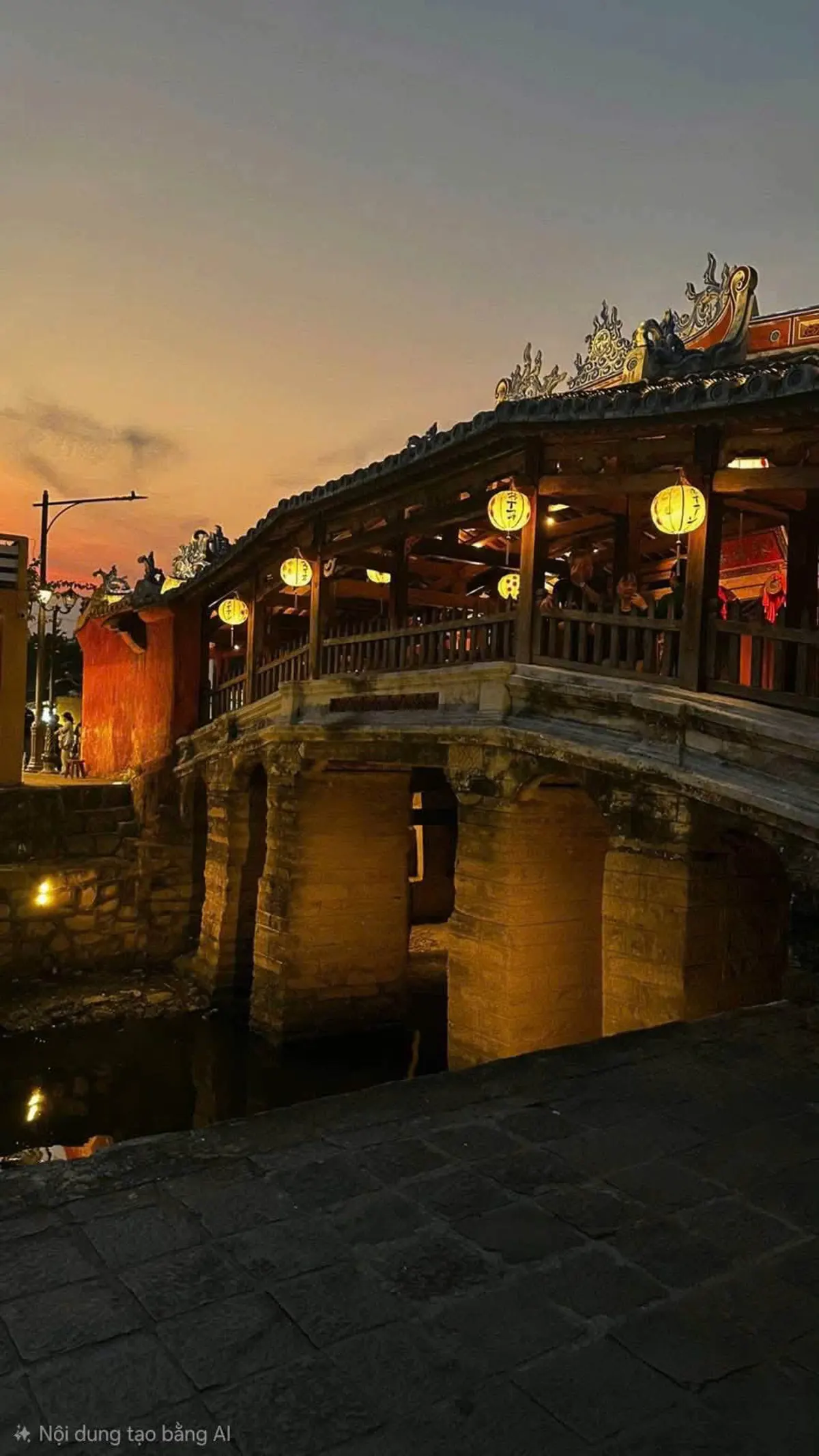
Hoi An experiences a wet season from August to January, characterized by regular rainfall. While this period brings cooler temperatures and fewer visitors, it also presents specific considerations for travelers. Despite the rain, the ancient town maintains its allure, offering a variety of indoor pursuits and a tranquil atmosphere for those who plan accordingly.
Understanding Hoi An's Wet Season Climate
Hoi An's climate is tropical, meaning warm conditions prevail throughout the year, with distinct wet and dry periods. The rainy season officially spans from August to January. However, the most significant rainfall typically occurs between October and December, marking these months as the period with the lowest tourist numbers. During this time, the city often takes on a serene and contemplative character.
Annual precipitation in Hoi An totals approximately 2110 mm. The months of October, November, and September collectively receive the highest rainfall, amounting to about 1331 mm. October alone averages 549 mm of rain, indicating a high likelihood of substantial downpours during this month. On average, Hoi An experiences around 17 rainy days per month from August to January, with October seeing up to 23 rainy days. Humidity levels during this half of the year average 84%, potentially reaching 100% in October.
Temperatures during the wet season generally range from 22°C to 28°C, making for a relatively cool and comfortable environment compared to the hotter dry months. August might see temperatures peak at 32°C on some days, but other months are typically breezier. In January, the influence of cold air from the north can cause nighttime temperatures to drop to around 19°C. This cooler weather allows for comfortable exploration without the intense heat or direct sun exposure often associated with other times of the year.
Weighing the Benefits and Drawbacks of Rainy Season Travel
Visiting any destination has its unique set of advantages and disadvantages, and Hoi An during its rainy season is no exception. While some travelers prefer to avoid this period, understanding both the potential challenges and the unique opportunities can help in deciding if it aligns with your travel preferences.
The primary disadvantage is, naturally, the rain itself. While brief showers might be manageable, the prolonged, heavy rains common in October and November can significantly disrupt outdoor plans and lead to itinerary adjustments. Adverse weather conditions can also cause delays or cancellations for various forms of transportation, particularly flights. Outdoor activities, including beach excursions, become less feasible. Furthermore, this season is prone to tropical storms, and heavy rainfall can lead to flooding, which typically occurs from October through late November or early December. Travelers considering a visit during these months should consistently monitor weather forecasts.
Conversely, the rainy season offers several compelling benefits. The reduction in visitor numbers often translates to more affordable prices for accommodation and various services, with many businesses offering promotions. This can lead to considerable savings, allowing for allocation to other experiences. The city itself takes on a peaceful and reflective quality, which many find appealing. For those who appreciate quiet environments or seek a break from crowded tourist spots, Hoi An during the wet season provides a more intimate experience. The absence of large crowds also means better opportunities for photography at popular sites without extensive waiting. Additionally, the cooler weather is often cited as enhancing the enjoyment of Hoi An's renowned local cuisine.
Activities for Rainy Days in Hoi An
Even if unexpected rain alters your outdoor plans, Hoi An provides numerous indoor activities to ensure an engaging and memorable visit. The city is well-equipped with options that allow travelers to experience its culture and charm from within.
One popular choice is to spend time at a local café or bar. These establishments offer a comfortable refuge from the rain, where visitors can enjoy Vietnamese coffee or a cocktail. The atmosphere of sipping a warm drink while listening to raindrops can be quite calming. Hoi An features many such places, offering both local and international food options. For those interested in the city's evening scene, streets like Le Loi, Nguyen Thai Hoc, and riverside areas host various bars, often with happy hour specials, live entertainment, and late-night drinks.
Another excellent option for relaxation is visiting one of Hoi An's many spas. After extensive travel, a day dedicated to wellness can be restorative. Hotels, resorts, and independent spas offer a wide array of treatments, including body therapies, foot massages, facials, herbal steam baths, and nail services. While hotel spas may have higher prices, local spas often provide more budget-friendly options and may offer discounts during quieter periods. For those who enjoy cooking, joining a culinary class is a fantastic way to learn about Vietnamese cuisine. Hoi An is recognized for its unique blend of northern and southern Vietnamese culinary traditions. These classes, often led by local chefs, provide hands-on experience and insight into the ingredients and techniques, allowing participants to recreate dishes at home. Many restaurants and dedicated cooking schools offer these experiences.
Hoi An is also widely known as a center for tailoring. With over 200 tailor shops, visitors can have custom-made suits, dresses, and casual clothing created to international standards. The process typically involves selecting materials and designs, taking measurements, and then returning for fittings and collection. Depending on the garment and service chosen (standard or express), items can be ready in a few days or even half a day for simpler pieces. Finally, learning to make traditional lanterns offers a creative and culturally enriching experience. These classes, usually lasting two to three hours, teach traditional techniques using silk and bamboo. Participants can craft their own lanterns to take home as a unique souvenir, often while learning about the cultural significance of lanterns in Vietnam.
Recommended Establishments for Indoor Activities
Hoi An offers a diverse range of venues for indoor enjoyment, from relaxing spas to engaging craft workshops. Below is a selection of establishments mentioned by visitors, along with typical pricing for their services. Please note that addresses and phone numbers for these specific venues were not supplied in the source material, and prices are subject to change; verifying current rates is always recommended.
| Category | Establishment Name | Typical Price (as of 2020) | Notes |
|---|---|---|---|
| Cafes/Bars | Hai Cafe | Coffee ~2 USD | Known for coffee and food (local & Western) |
| Cafes/Bars | Tam Tam | Coffee ~2 USD | Known for coffee and food (local & Western) |
| Cafes/Bars | Before and Now | Beer <2 USD | Bar on Le Loi, Nguyen Thai Hoc, or riverside streets |
| Cafes/Bars | Q bar | Beer <2 USD | Bar on Le Loi, Nguyen Thai Hoc, or riverside streets |
| Luxury Spas | Woosah Spa | 45 USD (60 mins massage) | Offers various body and beauty treatments |
| Luxury Spas | KOI Resort & Spa | 38 USD (60 mins massage) | Offers various body and beauty treatments |
| Luxury Spas | Akoya Spa – Vinpearl Resort & Spa Hoian | 52 USD (60 mins massage) | Offers various body and beauty treatments |
| Mid-range Spas | Citrus Spa | 16 USD (60 mins massage) | Offers various body and beauty treatments |
| Mid-range Spas | Palmarosa Spa | 17 USD (60 mins massage) | Offers various body and beauty treatments |
| Mid-range Spas | Five Senses Spa | 20 USD (60 mins massage) | Offers various body and beauty treatments |
| Budget Spas | Natura Spa | 12 USD (60 mins massage) | Offers various body and beauty treatments |
| Budget Spas | Pandanus Spa | 12 USD (60 mins massage) | Offers various body and beauty treatments |
| Budget Spas | Hidden Gem | 18 USD (60 mins massage) | Offers various body and beauty treatments |
| Cooking Schools | Red Bridge Cooking School | 35 USD (class fee) | Learn authentic Vietnamese cuisine |
| Cooking Schools | Hoi An Eco Cooking Class | 32 USD (class fee) | Learn authentic Vietnamese cuisine |
| Cooking Schools | Thuan Tinh Island Cooking Tour | 39 USD (class fee) | Learn authentic Vietnamese cuisine |
| Tailors | Be Be Tailor | 90-280 USD (suit) | Custom suits, dresses, casual clothes |
| Tailors | Yaly Couture | 90-280 USD (suit) | Custom suits, dresses, casual clothes |
| Tailors | A Dong Silk | 90-280 USD (suit) | Custom suits, dresses, casual clothes |
| Tailors | Kimmy Tailor | 90-280 USD (suit) | Custom suits, dresses, casual clothes |
| Lantern Making | Local Workshops | ~15 USD (class fee) | 2-3 hour classes to create traditional lanterns |
Practical Advice for Visiting Hoi An in the Rain
Preparing appropriately for Hoi An's wet season can significantly enhance your travel experience. A few key items and considerations will help you navigate the city comfortably, even during heavy downpours.
Essential gear includes an umbrella and a raincoat or poncho, as rain can be frequent and sudden. Waterproof footwear, such as flip-flops or slippers, is also highly recommended to keep your feet dry and comfortable when walking through wet streets. It is advisable to regularly check local weather forecasts to adjust your daily plans according to the prevailing conditions. For those concerned about managing their finances while traveling, understanding banking services in Hoi An can be helpful.
Regarding clothing, pack light layers that can dry quickly. While temperatures are generally mild, January evenings can be cool, dropping to 19°C, so include a few warmer items. Having quick-drying clothes is crucial, as prolonged wetness can be uncomfortable. Additionally, it is prudent to carry a basic supply of cold and flu medication, as traveling in rainy conditions can sometimes lead to minor ailments. When planning your itinerary, especially if it involves travel beyond Hoi An, be aware that overnight rail journeys in Vietnam and other transport might be affected by severe weather. For activities that might be susceptible to weather changes, booking through a local travel agent can offer greater flexibility for adjustments due to heavy rain or potential flooding. While beach activities are often limited during this season, those interested in coastal relaxation might explore Halong Bay's best beaches during drier periods.
Frequently Asked Questions
When is the rainy season in Hoi An?
Hoi An's rainy season typically runs from August to January. The heaviest rainfall is usually concentrated between October and December.
Is it worth visiting Hoi An during the wet season?
Yes, many travelers find value in visiting Hoi An during the rainy season. It offers advantages such as fewer tourists, lower prices for services, a more peaceful atmosphere, and unique indoor activities, despite the potential for rain.
What are the main disadvantages of rainy season travel in Hoi An?
The primary disadvantages include frequent rain that can disrupt outdoor plans, potential for transportation delays, limited beach and outdoor activities, and the risk of tropical storms and localized flooding, especially from October to early December.
What can I do indoors in Hoi An when it rains?
When it rains, popular indoor activities include relaxing at cafes or bars, enjoying spa treatments, participating in cooking classes, having custom clothing tailored, and learning to make traditional lanterns.
Does Hoi An experience flooding during the rainy season?
Yes, Hoi An can experience flooding during the rainy season, particularly from October through late November or early December, especially during periods of heavy and prolonged rainfall. It is advisable to monitor local weather forecasts closely if traveling during these months.








