
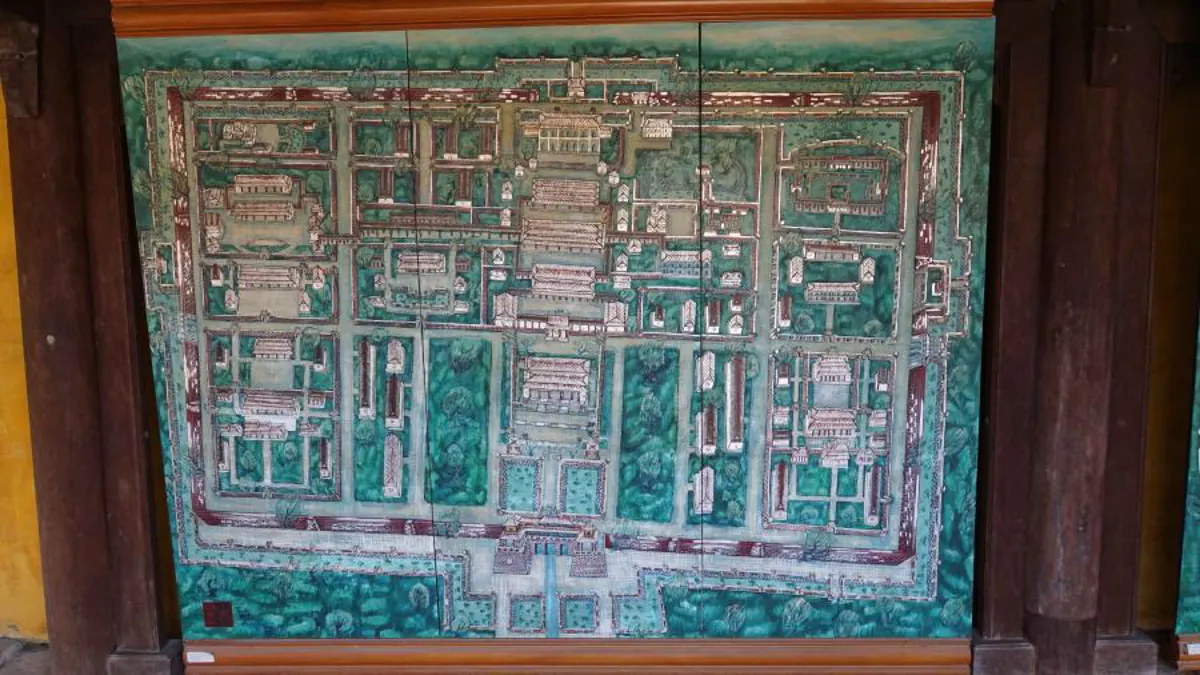
Hue, once the imperial capital of Vietnam under the Nguyen Dynasty, distinguishes itself with a wealth of historical architectural works and serene natural beauty. Unlike cities known for modern developments, Hue's appeal lies in its profound historical value, charming scenery, and the gentle character of its people. Visitors seeking to experience the city's unique atmosphere will find numerous sites ranging from ancient citadels and royal tombs to national parks and coastal areas.
Hue's Imperial Past: Citadels and Royal Tombs
The city's imperial heritage is prominently displayed through its well-preserved structures, offering a window into Vietnam's last feudal dynasty. These sites are central to understanding Hue's historical significance.
Hue Imperial Citadel
Situated alongside the Perfume River, the Hue Imperial Citadel represents a significant architectural complex embodying the cultural characteristics of the Nguyen Dynasty. It stands as a testament to Vietnamese history, having endured various periods of change. The citadel's stone walls feature distinct cultural motifs of the ancient capital. Within its grounds, various palaces exhibit nobility through their primary use of red and yellow tones. Beyond these structures, a carefully maintained garden features an aquarium and a collection of rare and valuable trees, meticulously shaped to create a unique aesthetic.
The Royal Tombs of Hue
Hue is home to several elaborate royal tombs, each reflecting the personality and reign of the emperors they commemorate. These mausoleums are celebrated for their intricate designs and harmonious integration with the surrounding environment.
- Tu Duc Tomb: Located in Thuy Ba village, this mausoleum is notable for its sophisticated architecture and graceful landscape, presenting a balanced and less angular beauty compared to other royal burial grounds in Hue. Many consider Emperor Tu Duc's resting place to be the most aesthetically pleasing among the ancient capital's complex of tombs. The site features a dense pine forest and a flowing lake, creating a peaceful and poetic setting. Its layout, details, and color schemes were designed according to the emperor's wishes during his lifetime.
- Minh Mang Tomb: Found on Cam Khe Mountain in Huong Tra town, this mausoleum is accessible by boat, allowing visitors to appreciate the natural scenery of Hue during their journey. Emperor Minh Mang's tomb is recognized as one of the most imposing architectural achievements of the Nguyen Dynasty, with its design principles rooted in Confucian philosophy. The complex features many structures arranged symmetrically along three axes, with a fragrant lotus pond at its center.
- Khai Dinh Tomb: Also situated in Huong Tra town, Khai Dinh Tomb is surrounded by streams, mountains, and hills, which were considered auspicious elements for water convergence, contributing to a majestic natural backdrop. Unlike other traditional mausoleums, Khai Dinh Tomb incorporates tower-shaped gates influenced by Indian architecture and Roman arches. The site is distinguished by two rows of mandarin statues, sculpted with remarkable realism. Its artistic value and interior design are widely admired, making it a unique example in the history of Nguyen Dynasty tomb construction. Current ticket prices for Khai Dinh Tomb are 150,000 VND for adults, 75,000 VND for seniors (60 years and over), and 30,000 VND for children.
- Gia Long Tomb: While not as grand as some other mausoleums, Gia Long Tomb captivates visitors with its extensive pine forests, refreshing landscape, and open spaces. Set amidst a vast pine forest and rolling hills on Thien Tho Son Mountain, approximately 20 km from the city center, the mausoleum exudes an ancient, untamed, and tranquil beauty. Surrounded by rivers, access to the mausoleum is often recommended via waterway. A pontoon bridge, which charges a fee of 5,000 VND for pedestrians and motor vehicles, also provides access and offers additional insights into the tomb's history.
Natural Wonders and Scenic Vistas
Beyond its historical sites, Hue offers diverse natural attractions, from expansive national parks to serene lagoons and coastal retreats.
Bach Ma National Park
Located in Phu Loc district, Bach Ma National Park is a significant biosphere reserve in central Vietnam. It provides an opportunity to observe rich flora and fauna, admire grand mountain and forest scenery, and experience varied weather conditions that can feel like all four seasons in a single day. Visitors might even encounter rare wildlife exploring the forest. As a national park rather than a commercial tourist area, the entrance fee is 40,000 VND.
Tam Giang Lagoon
Recognized as Southeast Asia's largest brackish lagoon, Tam Giang Lagoon offers a setting of untouched wilderness, quietude, and peace. A highlight for many is witnessing the sunset, when the lagoon is bathed in rose-gold light, creating a particularly enchanting scene. Visitors should also consider exploring the fishing village on a small island, which has existed for centuries and preserves fascinating cultural elements. This village, with its traditional Vietnamese communal harmony, holds many historical mysteries.
Do Quyen Waterfall
For those who appreciate Vietnam's waterfalls, Do Quyen Waterfall on Bach Ma Mountain is a notable natural feature. Cascading approximately 300 meters down a steep rocky face, the waterfall stands out amidst thousands of forest trees, especially when azaleas are in bloom. The path leading to it is shaded by the forest canopy. The final approach brings visitors into a lively yet captivating environment, where water splashes upwards, creating bright, crystal-like droplets that resemble cotton as they fall into the stream and rebound off ledges.
Vong Canh Hill
To escape the city's activity, Vong Canh Hill offers a peaceful retreat, typically reachable within 30 minutes by private vehicle from the city center. Situated south of Hue, it serves as a park for outdoor pursuits like sightseeing and boat excursions. From the hill's summit, visitors can enjoy expansive views of the Hue Citadel, ancient relics, and the broader natural landscape. The scenery is particularly poetic at dawn as the fog dissipates or during sunset, showcasing orchards interspersed with green pine groves.
Lang Co Beach
Acknowledged as one of the world's most beautiful bays, Lang Co Beach is located between Da Nang and Hue, forming a picturesque setting with the Hai Van Pass. The area boasts a complete natural beauty, featuring verdant mountains, tropical forests, soft white sands, and shimmering yellow sunlight. Visitors can swim in the clear blue water or dive from various ledges. The beach itself does not have an entrance fee, with costs primarily associated with food and souvenirs. The area also provides access to high-quality hotel facilities and services, including world-class spas offering treatments for relaxation and comfort.
Cultural Insights and Local Experiences
Hue's cultural identity is expressed through its traditional markets, revered pagodas, historic educational institutions, and iconic bridges.
Dong Ba Market
Located on Tran Hung Dao Street, positioned on the riverbank between the Truong Tien and Gia Hoi Bridges, Dong Ba Market is a traditional marketplace that reflects the daily life, culture, and customs of the people of Hue. It offers an opportunity to gain a deeper understanding of local cultural nuances. The third floor is dedicated to fabrics and clothing, while the lower levels feature fine art items crafted by renowned traditional villages. The market is also a place to sample regional cuisine, with specialties available at affordable prices while maintaining hygiene and freshness. If you are looking for local crafts or unique items to take home, exploring the market offers a chance to find essential souvenirs.
Thien Mu Pagoda
The Thien Mu Pagoda, located in Kim Long ward, is a frequently mentioned site for exploring the city. It is a sacred destination for Buddhists globally and is associated with various local myths. From a distance, the pagoda appears as an ancient tower atop a giant tortoise. Visitors often feel transported to an ancient era, surrounded by pine trees, ornamental plants, and lotus ponds, which contribute to a sense of tranquility. There is no entrance fee, and the pagoda welcomes guests throughout the day.
Quoc Hoc Hue - Century Old High School
Quoc Hoc Hue, situated at 12 Le Loi Street in Hue City, is one of Vietnam's three oldest high schools. It is easily identifiable by its red gate and distinctive ancient architecture. The expansive campus is suitable for leisurely strolls, with red and pink buildings harmonizing with green trees and lawns. Many school halls retain French architectural styles, providing a sense of being in historical Europe. Visitors interested in this institution can enter without charge, though a small parking fee applies for private vehicles.
Thanh Toan Bridge
Located on the outskirts of Hue, Thanh Toan Bridge is accessible via several routes. This tiled bridge, over 200 years old, showcases a unique beauty and is one of the few remaining structures in Vietnam built in a Japanese architectural style. During special events like the Hue Festival, the bridge transforms with colorful lanterns, flowers, and flags, adding a lively element to the rural landscape.
Truong Tien Bridge
This centuries-old bridge is a defining symbol of Hue. Visitors can learn about its impressive history, including its construction and various reconstructions, as it has witnessed many significant events in Vietnamese history. Truong Tien Bridge possesses an antique character, making it a popular backdrop for photography. For a different perspective, boat tours offer multi-dimensional views of this historic structure while enjoying traditional Hue folk songs.
Practical Advice for Visiting Hue's Attractions
Planning your trip to Hue involves considering various aspects to ensure a smooth and enjoyable experience. The city's attractions are spread out, so understanding transportation options is key. Many sites are accessible by taxi, motorbike, or organized tours. For those managing their finances while exploring the city, a guide to local banking options can be helpful. Additionally, understanding available medical services in Hue is also a practical consideration for any traveler.
The best time to visit Hue generally falls between February and April when the weather is mild and pleasant. Summers can be hot and humid, while the rainy season from September to January may bring heavy downpours. Always verify opening hours and admission fees for specific attractions, as these can change. Engaging with local guides can enhance your understanding of the historical and cultural significance of each site.
Key Information for Hue Attractions
| Attraction Name | Location/Address | Admission Fee (current as of source) | Notable Details |
|---|---|---|---|
| Hue Imperial Citadel | Next to Huong River | Varies by section, typically separate tickets for different areas | Historical seat of the Nguyen Dynasty; features palaces, gardens, and ancient walls. |
| Dong Ba Market | Tran Hung Dao Street, between Truong Tien and Gia Hoi Bridge | Free entry (purchases extra) | Traditional market for local goods, crafts, and regional cuisine. |
| Thien Mu Pagoda | Kim Long ward | Free | Ancient Buddhist pagoda, iconic seven-story tower, peaceful grounds. |
| Tu Duc Tomb | Thuy Ba village | Typically part of a combined ticket for royal tombs | Known for its harmonious architecture and poetic landscape, designed by Emperor Tu Duc. |
| Minh Mang Tomb | Cam Khe Mountain, Huong Tra town | Typically part of a combined ticket for royal tombs | Grand mausoleum reflecting Confucian principles, symmetrical layout, lotus pond. |
| Khai Dinh Tomb | Huong Tra town | 150,000 VND (Adults), 75,000 VND (Seniors 60+), 30,000 VND (Children) | Unique blend of Vietnamese and European architectural styles, intricate mosaic work. |
| Gia Long Tomb | Thien Tho Son Mountain, ~20 km from city center | Pontoon bridge fee: 5,000 VND (mausoleum entry may be part of combined ticket) | Set amidst pine forests, known for its serene and natural beauty. |
| Quoc Hoc Hue - Century Old High School | 12 Le Loi Street, Hue City | Free (small parking fee applies) | One of Vietnam's oldest high schools, features French colonial architecture. |
| Bach Ma National Park | Phu Loc district | 40,000 VND | Biodiverse park with mountains, forests, and waterfalls. |
| Tam Giang Lagoon | Near Hue city | Free (boat tours extra) | Largest brackish lagoon in Southeast Asia, ideal for sunset views and local fishing village visits. |
| Thanh Toan Bridge | Outskirts of Hue city | Free | Historic tiled bridge with unique Japanese-influenced architecture. |
| Do Quyen Waterfall | Bach Ma Mountain | Included with Bach Ma National Park entry | Tall waterfall amidst azalea flowers within Bach Ma National Park. |
| Vong Canh Hill | South of Hue city | Free | Offers panoramic views of the Perfume River, surrounding landscapes, and royal tombs. |
| Truong Tien Bridge | Central Hue city | Free | Iconic bridge over the Perfume River, a symbol of Hue. |
| Lang Co Beach | Between Da Nang and Hue city | Free (food, souvenirs, services extra) | Beautiful bay with white sand, clear water, and mountain backdrop. |
Frequently Asked Questions
What is the best way to get around Hue to see its attractions?
To explore Hue's attractions, visitors often utilize taxis, rented motorbikes, or organized tour buses. For sites along the Perfume River, boat trips offer a scenic alternative. The city center is walkable for some attractions, but many key sites are spread out, making vehicle transport practical.
Are there any combined tickets available for the royal tombs?
Yes, typically, there are combined ticket options that allow entry to multiple royal tombs and the Imperial Citadel at a reduced price compared to purchasing individual tickets. It is advisable to check at the ticket counters upon arrival for the most current bundled offers.
What local specialties should I try in Hue?
Hue is renowned for its distinctive cuisine. Must-try dishes include Bún Bò Huế (spicy beef noodle soup), Bánh Khoái (crispy pancake), Nem Lụi (grilled pork skewers), and various small, delicate royal dishes. Dong Ba Market is an excellent place to sample authentic local flavors.
Is it safe to visit Hue as a solo traveler?
Hue is generally considered a safe city for solo travelers. Standard precautions such as being aware of your surroundings, especially at night, and safeguarding your belongings are always recommended. The local people are often described as gentle and welcoming.
What is the significance of the Perfume River in Hue?
The Perfume River (Sông Hương) is central to Hue's identity, flowing through the city and past many of its historical and natural landmarks, including the Imperial Citadel and Thien Mu Pagoda. It has inspired countless poems and songs and is often seen as a symbol of Hue's romantic and serene character. Boat tours on the river are a popular way to experience the city's charm.








