
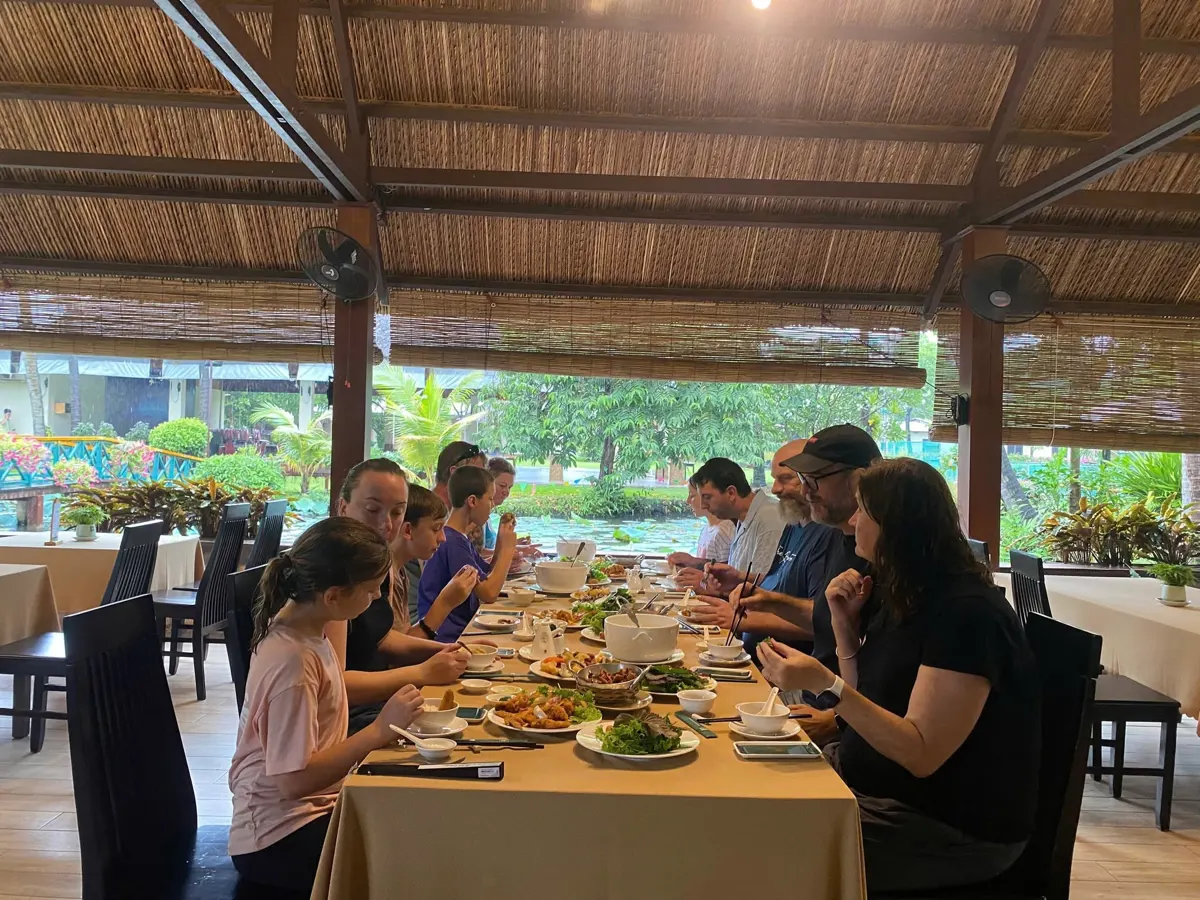
A visit to Vietnam's Mekong Delta provides a unique opportunity to experience a different side of the country, defined by its extensive river systems and agricultural traditions. This region, often referred to as Vietnam's 'rice bowl,' is known for its fertile land, abundant fruit orchards, and a way of life deeply connected to the Mekong River. To ensure a well-prepared and enjoyable trip, understanding the local climate, transport links, shopping opportunities, and culinary specialties is key.
Understanding the Mekong Delta's Climate and Seasons
The Mekong Delta experiences a tropical monsoon climate, featuring two primary seasons: the dry period and the rainy period. The dry season typically extends from November through April or May, with average temperatures around 28 °C. This period is often considered ideal for travel, as the skies are generally clear, the land is verdant, and the waterways are calm. Following this, the rainy season spans from May until October. While June and July are particularly wet, rainfall usually occurs in short, intense bursts, often lasting about an hour, which means it rarely disrupts an entire day's activities.
The early part of the rainy season, specifically April, May, and June, offers a comfortable climate with lighter showers and warm conditions, making it suitable for exploring river areas and fruit gardens. During this time, visitors to Can Tho might encounter local festivals such as the Cholchonam Thomas (New Year) Festival and the Opening Crop Festival. From June to September, while the weather can be hot and humid, it is also when the widest array of tropical fruits becomes available. Travelers planning visits in October and November should monitor regional weather forecasts, especially for areas like Dong Thap and Tra Vinh, as occasional flooding can occur. This period, sometimes called the 'floating season' (typically August/September to November), is not seen as a disaster by residents; instead, it brings rich alluvial water, abundant fish, and water vegetables, creating a fascinating waterfront life and opportunities for local farmers.
Traveling to the Mekong Delta: Road and Waterway Options
The Mekong Delta is readily accessible, particularly from Ho Chi Minh City (HCMC) and neighboring Cambodia.
By Roadway
From Ho Chi Minh City, both local residents and visitors frequently use buses to reach destinations like Ben Tre, My Tho, and Can Tho. A bus journey from Ho Chi Minh City to Ben Tre typically takes approximately four hours and costs around VND 69,000 (approximately $3 USD). Major bus terminals in Ho Chi Minh City include Mien Dong Bus Station and Mien Tay Bus Station. For those preferring organized travel, multi-day tours (ranging from two to five days) to the Mekong Delta can be booked from Ho Chi Minh City, with all arrangements managed by tour operators. For travelers arriving from Cambodia, direct connections are available, such as routes from Kampot to Ha Tien in Kien Giang Province, and bus services now connect Phnom Penh directly with Can Tho. For managing finances during your trip, consider consulting a guide to banking services in Ho Chi Minh City.
By Waterway
Traveling from Cambodia to the Mekong Delta by water offers a scenic and convenient option. Several daily boat services operate between Phnom Penh and Chau Doc in An Giang Province, offering both slower and faster journeys. Visas for entry into Vietnam can be obtained at the border crossing, with boat crews typically assisting with the immigration process (e-visas are not accepted for this border crossing). A slow boat trip can extend up to ten hours, while speed boats complete the journey in approximately five hours. Speed boat services, such as those operated by Hang Chau Boat Company, depart daily at 7:30 AM from the International Phnom Penh Port at Sisowath Quay. This method of travel provides an excellent perspective on the Mekong River's beauty.
Exploring Local Markets and Crafts in the Mekong Delta
Beyond its natural beauty, the Mekong Delta is a notable destination for experiencing local culture through its markets and traditional products. The region is particularly renowned for its floating markets, which are central to daily commerce and offer a unique spectacle. Prominent examples include Cai Be, Cai Rang, Phong Dien, and Ninh Kieu floating markets.
In addition to the bustling waterways, various land-based markets and artisan workshops provide opportunities for shopping and cultural insight. From fresh produce to handcrafted goods, these locations offer a glimpse into the local economy and traditional practices. For those interested in acquiring local goods, a guide to unique purchases and souvenirs in Vietnam can offer further inspiration.
Key Shopping Locations in the Mekong Delta
| Location Name | Address Details |
|---|---|
| Chau Doc Covered Market | Bach Dang Street, Chau Doc Town, An Giang Province |
| Phu Quoc Pearl Farm | Duong To Commune, Phu Quoc Island, Kien Giang Province |
| Ngoc Hien Pearl Private Enterprise | Duong Bao Street, Duong To Commune, Phu Quoc Island, Kien Giang Province |
| My Tho Central Market | corner of Trung Trac and Nguyen Hue streets, My Tho Town, Tien Giang Province |
| Central Market In Can Tho town | Between A1 and A2 streets (Near Dona Hotel In Tran Phu Street) |
| Co-Op Mart Ben Tre | 26A Tran Quoc Tuan Street, Ben Tre City, Ben Tre Province |
| Viet Artisans | An Binh Island, Long Ho District, Vinh Long Province |
Culinary Experiences: Essential Dishes of the Mekong Delta
The Mekong Delta's cuisine offers a diverse range of flavors and textures, reflecting its agricultural richness and riverine environment. Exploring the local food is a significant part of understanding the region's cultural identity.
- Tropical Fruits: The Mekong Delta is a major producer of tropical fruits in Vietnam, with orchards across the region. Visitors can enjoy a variety of seasonal fruits year-round at very accessible prices. Notable fruit orchards include Phong Dien (Can Tho), Cai Be (Tien Giang), Tan Quy (Tra Vinh), Tam Binh (Vinh Long), and Cho Lach (Ben Tre), featuring famous varieties such as Vinh Kim star apples, Cai Be tangerines, Vinh Long grapefruit, Cai Mon durian, Hoa Loc mangoes, and Hau Giang oranges.
- Elephant’s Ear Fish (Cá Tai Tượng Chiên Xù): This specialty dish, named for its distinctive shape, is typically served lightly fried until crispy, presented upright with its scales and teeth intact, often adorned with a flower. Diners usually assemble their own spring rolls using the fish meat and fresh herbs.
- Coconut Candy (Kẹo Dừa): A traditional handicraft and culinary specialty of Ben Tre Province, coconut candy has become a significant product, showcasing Ben Tre's food culture to a wider audience.
- Steamed Coconut Rice (Cơm Dừa): Another Ben Tre specialty, this dish incorporates the rich flavor of coconut into steamed rice.
- Pia Cake (Bánh Pía): In Soc Trang, visitors can sample Pia Cake, a pastry reflecting the culinary traditions of the Kinh, Hoa, and Khmer ethnic groups residing in the area.
- Grilled "Climbing" Fish (Cá Lóc Nướng Trui): Abundant in An Giang Province, particularly in August and September, these fish are prized for their firm flesh and satisfying crunch when grilled.
- Purple Tet Cake (Bánh Tét Lá Cẩm): A visually striking and colorful cake from Can Tho, its exterior resembles other Tet cakes, but its vibrant purple interior offers a delightful surprise.
- Hu Tieu My Tho: Originating from a Chinese noodle soup, Hu Tieu My Tho was adapted to local tastes and is now a renowned dish throughout Vietnam. Its main ingredients include meat, pig's intestine, pig liver, sliced barbecue pork, dried shrimp, noodles, and a distinctive broth, setting it apart from other variations like Hu Tieu Nam Vang.
- Snake Dishes: For adventurous palates, snake is a local delicacy often compared to chicken in taste. It can be prepared in various ways, including "thit con ran," where snake blood is mixed with rice wine.
- Banh Bo (Bánh Bò): These small rice flour and tapioca cakes, while found elsewhere in Vietnam, have a unique Delta twist, sweetened with ingredients like coconuts, sweet potato, sweet onions, and mint.
- Ca Kho To (Cá Kho Tộ): A specialty of Can Tho, this dish features sea bass caramelized in a clay pot, typically served with steamed rice and a clear soup, offering a simple yet flavorful experience.
- Bun Rieu (Bún Riêu): While available across Vietnam, the Delta version of this crab noodle soup often provides a broader selection of additions, such as soft shell crabs, prawns, fish, and blood pudding, combined with exceptionally fresh vegetables. For more culinary insights, consider exploring a dining guide to Phnom Penh, especially if traveling from Cambodia.
Frequently Asked Questions
What is the most favorable time to visit the Mekong Delta?
The Mekong Delta can be visited throughout the year due to its consistent tropical climate and continuous availability of fresh fruits. However, the dry season, from December to May, is often considered the most pleasant, offering clear skies and calm waters. The region is particularly lively during spring (late January to March, known for flowers) and early summer (April to May, known for abundant fruits).
How can I travel from Ho Chi Minh City to the Mekong Delta?
From Ho Chi Minh City, the most common methods of transport to the Mekong Delta are by bus or through organized tours. Buses regularly depart from Mien Dong and Mien Tay Bus Stations to key destinations like Ben Tre, My Tho, and Can Tho. Alternatively, many tour operators in HCMC offer comprehensive 2- to 5-day packages that include transportation and accommodation.
What are the unique shopping experiences in the Mekong Delta?
The Mekong Delta is renowned for its floating markets, such as Cai Be, Cai Rang, Phong Dien, and Ninh Kieu, where goods are bought and sold directly from boats. Additionally, visitors can explore various land-based markets and artisan workshops, offering local produce, traditional crafts, and specialties like Ben Tre coconut candy and Soc Trang Pia Cake.
What are some must-try local dishes in the Mekong Delta?
The Mekong Delta offers a rich culinary landscape. Essential dishes to try include the region's abundant tropical fruits, Elephant’s Ear Fish, coconut candy from Ben Tre, Pia Cake from Soc Trang, and Hu Tieu My Tho. For those seeking unique flavors, Grilled "Climbing" Fish and Purple Tet Cake are also highly recommended.
Is it possible to travel to the Mekong Delta from Cambodia by water?
Yes, it is possible and quite convenient to travel from Cambodia to the Mekong Delta by waterway. Daily boat services connect Phnom Penh and Chau Doc in Vietnam's An Giang Province. Both slow and speed boats are available, with speed boat journeys typically taking around five hours. Visa processing can be handled at the border with assistance from boat crews.








