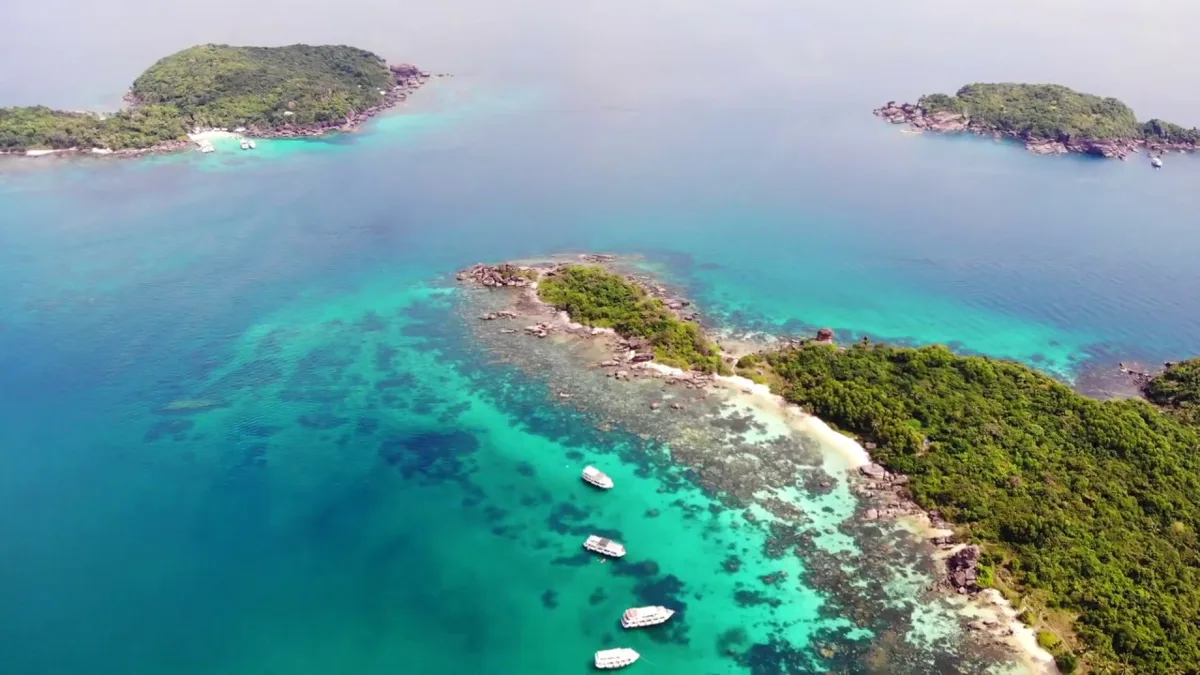
Phu Quoc, Vietnam's largest island, presents an appealing destination for travelers seeking diverse experiences. Known for its beautiful shorelines and varied attractions, the island provides a multitude of options for visitors. From historical landmarks to natural springs and distinctive culinary offerings, there is something to engage every interest on this island.
Exploring Phu Quoc's Natural Splendors
The island of Phu Quoc is renowned for its extensive coastline, featuring numerous beaches that cater to different preferences. While some stretches of sand are popular tourist spots, many others remain less frequented, offering a more secluded atmosphere. Notable locations include Ong Lang Beach, admired for its natural charm, and Bai Sao, also known as Starfish Beach, celebrated for its clear waters and the presence of marine life. Visitors are encouraged to observe starfish without disturbing their natural habitat to support conservation efforts.
Beyond the coastline, Phu Quoc's interior reveals captivating natural features. Suoi Tranh Waterfall, situated approximately nine kilometers from Duong Dong town, provides a serene retreat, particularly during the rainy season from June to October when water levels are highest. Activities such as swimming, fishing, and even camping are possible here. Similarly, Da Ban Spring, located within Phu Quoc National Park and about ten kilometers from Duong Dong, offers opportunities for light trekking and relaxation amidst its distinctive rock formations and cool waters. The optimal time to visit Da Ban Spring is also during the wetter months, from May to November, when the spring is at its fullest.
Cultural and Historical Journeys on Phu Quoc
Phu Quoc holds significant historical sites that offer insights into Vietnam's past. Phu Quoc Prison, constructed in 1953, served as a major detention facility during the French colonial era and the Vietnam War. This preserved site vividly portrays the harsh conditions endured by its prisoners, with details maintained to illustrate the historical context. Exploring the prison provides a sobering perspective on a crucial period in Vietnamese history.
For a broader understanding of the island's heritage, the Coi Nguon Museum, a private collection curated by Mr. Huynh Phuoc Hue, is a valuable resource. The museum features seven exhibitions across three main collections: marine and forest artifacts, artworks crafted from natural materials like driftwood, and historical documents detailing Phu Quoc's development and people. This institution offers a comprehensive overview of the island's natural environment and human history. Additionally, the Ho Quoc Pagoda, also known as Truc Lam Ho Quoc Monastery, stands as the largest religious structure on Phu Quoc. Completed in 2012, this expansive pagoda, located about 25 kilometers from Duong Dong, presents a notable example of Vietnamese religious architecture and offers a tranquil setting for contemplation, positioned according to traditional feng shui principles.
Culinary Explorations and Local Products
Phu Quoc's culinary landscape offers a range of authentic experiences, primarily centered around its fresh seafood. The Phu Quoc Night Market, located on Bach Dang Street in Duong Dong town, becomes a lively hub for street food after 6 PM. Here, visitors can sample a variety of freshly caught seafood, along with local desserts and traditional sweets, all prepared by local vendors. The proximity to the Duong Dong seafood market ensures the availability of high-quality ingredients.
For a more traditional seafood experience, Ham Ninh Fishing Village is an essential stop. Unlike the prepared dishes at the night market, Ham Ninh allows visitors to select fresh catches directly from returning fishing boats, particularly in the early morning. These can then be cooked simply at nearby establishments, providing a genuine taste of local preparation. Beyond seafood, Phu Quoc is famous for its distinct local products. Pepper farms across the island, especially in the southern region, offer tours where guests can learn about cultivation, taste different varieties, and purchase local pepper as a souvenir. Similarly, the Sim Wine Factory showcases the process of making wine from Sim fruit, a local berry. Visitors can explore Sim gardens, sample the fruit, learn about the fermentation process, and taste or purchase the unique sweet and slightly tart wine. Lastly, a visit to a fish sauce factory provides insight into the production of Phu Quoc's renowned fish sauce, known for its high protein content and rich flavor. These factories offer an opportunity to understand the traditional methods and ensure the purchase of authentic products, though the strong aroma of fermented fish may not appeal to everyone.
Distinctive Activities and Leisure Pursuits
Phu Quoc offers a variety of unique leisure activities, from aerial views to underwater explorations. The Phu Quoc Cable Car, inaugurated in 2018, provides an exceptional perspective of the island and the An Thoi Archipelago. Spanning nearly 7.9 kilometers between An Thoi and Hon Thom Islet, it offers expansive vistas of the surrounding seascape. While the journey involves a ticket fee, it includes access to a waterpark, making it a comprehensive outing. For a different kind of adventure, consider exploring the island by bicycle. Renting a bike in Duong Dong town or through accommodations allows visitors to navigate the island at a leisurely pace, taking in its scenic beauty. Guided cycling tours are also available for those who prefer organized excursions, offering support and local insights.
Underwater, the waters surrounding Phu Quoc are ideal for scuba diving and snorkeling. The island's distance from the mainland contributes to its clear waters and diverse marine ecosystems. Organized tours typically transport participants to outer islets, accompanied by certified instructors, and often include meals, ensuring a safe and comprehensive exploration of the vibrant underwater world. Fishing is another popular activity, with options for both day and night excursions. Night fishing, particularly for squid, is a common and relatively accessible experience, often including the opportunity to have your catch prepared locally. Day fishing tours, while potentially more time-consuming and costly, cater to those seeking a more extensive angling adventure. Finally, for an evening experience, Mango Bay, located near Duong Dong town, is widely regarded as an excellent spot to witness the sunset. Visitors can enjoy a beverage or dinner while observing the evening sky transform over the ocean, creating a memorable end to the day.
Planning Your Visit to Phu Quoc
When preparing for a trip to Phu Quoc, understanding the island's seasons and transport options is crucial. The rainy season, typically from May or June to October or November, is when waterfalls and springs are most impressive. The dry season, from December to April, offers calmer seas and more consistently sunny weather, ideal for beach activities and water sports. For detailed information on Phu Quoc's optimal visit times, consulting a dedicated travel guide can be beneficial.
Getting around Phu Quoc is relatively straightforward. Motorbike rentals are widely available for independent exploration, offering flexibility to reach various attractions. Taxis and ride-sharing services are also present for convenience. For those interested in organized experiences, many local tour operators offer packages that include transportation to multiple sites, such as pepper farms, fish sauce factories, and specific beaches, often providing a cost-effective way to see several highlights in a single day. Accommodations range from budget-friendly guesthouses to luxury resorts, concentrated primarily around Duong Dong and along popular beachfronts. Booking in advance, especially during peak travel seasons, is advisable to secure preferred lodging.
Comparison: Phu Quoc Night Market vs. Ham Ninh Fishing Village
| Feature | Phu Quoc Night Market | Ham Ninh Fishing Village |
|---|---|---|
| Location | Duong Dong town center | East coast of Phu Quoc |
| Atmosphere | Lively, tourist-oriented, street food stalls | Authentic, local, traditional fishing village |
| Seafood Freshness | Freshly cooked from local market sources | Directly from morning fishing boats |
| Preparation Style | Variety of cooked dishes, street food, desserts | Simple, traditional local cooking upon request |
| Best Time to Visit | Evenings (after 6 PM) | Early mornings for freshest catch, daytime for meals |
| Experience | Casual dining, browsing, souvenir shopping | Local culinary immersion, observing daily life |
Frequently Asked Questions
What is the best way to get around Phu Quoc?
To navigate Phu Quoc, visitors often choose between renting a motorbike for independent travel or utilizing taxis and ride-sharing services for convenience. Many hotels and tour operators also provide transportation services or organized excursions that cover multiple points of interest across the island.
Are there any historical sites to visit in Phu Quoc?
Yes, Phu Quoc features significant historical locations such as Phu Quoc Prison, which offers a poignant look into Vietnam's wartime past. The Coi Nguon Museum also provides a comprehensive historical and cultural overview of the island through various exhibits and collections.
What local specialties should I try in Phu Quoc?
Phu Quoc is known for its fresh seafood, which can be enjoyed at the Night Market or Ham Ninh Fishing Village. Other notable local products include Phu Quoc pepper, Sim wine made from a local berry, and the island's renowned fish sauce, all of which are available for tasting and purchase.
When is the ideal time to visit Phu Quoc for outdoor activities?
The dry season, typically spanning from December to April, is generally considered the most favorable period for outdoor activities in Phu Quoc, offering sunny weather and calm seas perfect for beach relaxation and water sports. However, the rainy season, from June to October, is ideal for experiencing the waterfalls and springs at their most abundant.
Can I go diving or snorkeling in Phu Quoc?
Absolutely. The clear waters around Phu Quoc are excellent for scuba diving and snorkeling. Numerous tour operators offer guided trips to various islets, providing equipment and professional instruction to explore the diverse marine life safely.