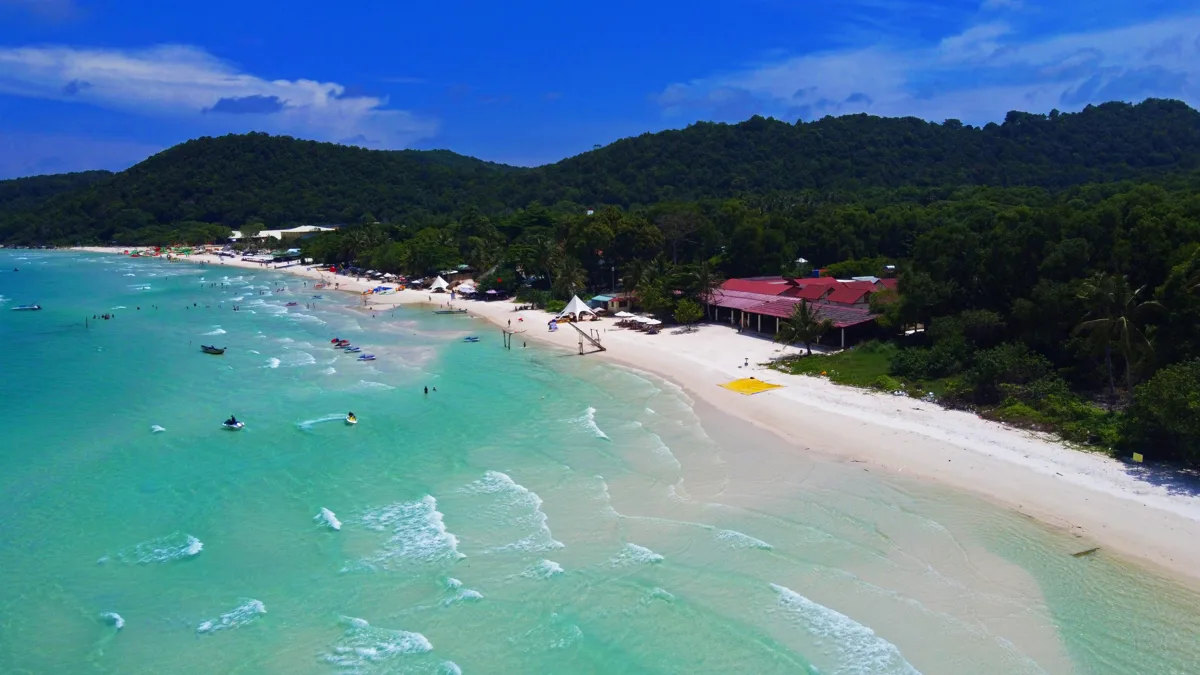
Welcome to Phu Quoc, Vietnam's "Pearl Island," a captivating destination renowned for its pristine white-sand beaches, crystal-clear turquoise waters, and lush tropical landscapes. As professional travel writers for enjoyvietnamtravel.com, we understand that timing is everything when planning your ideal island escape. This comprehensive guide, crafted with deep local expertise and traveler experience, will help you pinpoint the absolute best time to visit Phu Quoc, ensuring your trip aligns perfectly with your desires, whether that's sun-drenched beach days, cultural immersion, or budget-friendly exploration.
Understanding Phu Quoc's unique climate cycle is key to unlocking its full potential. We'll delve into the distinct characteristics of each season, offering practical advice and insights to help you make an informed decision for an unforgettable Vietnamese island adventure.
Decoding Phu Quoc's Tropical Monsoon Climate
Nestled in the Gulf of Thailand, Phu Quoc experiences a classic tropical monsoon climate, characterized by consistently warm temperatures year-round, averaging around 28°C (82°F). This pleasant warmth supports outdoor activities in most seasons, but the island's weather patterns are distinctly divided into two primary periods: the dry season and the rainy season, with fascinating transitional phases in between.
The Dry Season: November to April – The Golden Period for Sun Seekers
Widely celebrated as the most idyllic time to visit, Phu Quoc's dry season stretches from November through April. This period is a dream come true for beach lovers and adventure seekers alike, offering a near-perfect blend of weather conditions.
- Weather Perfection: Expect abundant sunshine, minimal rainfall, and comfortable temperatures ranging between 25°C and 32°C (77°F to 90°F). Humidity levels are lower, making for a more pleasant outdoor experience.
- Calm & Clear Waters: The seas during these months are exceptionally calm and crystal clear, creating unparalleled conditions for swimming, snorkeling, and scuba diving. Exploring vibrant coral reefs and diverse marine life around the An Thoi archipelago or the secluded Hon Mot islet becomes an effortless joy.
- Ideal for Island Hopping: Boat excursions to nearby islets, such as the picturesque May Rut Trong or Hon Gam Ghi, are highly recommended. The smooth waters ensure a comfortable journey and spectacular views.
- Peak Tourist Season: This period, particularly from December to February, coincides with international holidays and the Vietnamese Lunar New Year (Tet), making it Phu Quoc's peak tourist season. While the atmosphere is lively and vibrant, be prepared for higher prices for accommodation and flights, as well as larger crowds at popular attractions. Advanced booking is essential, especially for Tet.
- Cultural Highlights: January and February often bring the festive spirit of Tet, offering visitors a unique opportunity to witness and participate in local cultural traditions and celebrations across the island, from bustling markets to temple visits.
Activities during the dry season are boundless. Beyond water sports, consider trekking through Phu Quoc National Park to discover hidden waterfalls like Suoi Tranh (which might be less powerful during peak dry months but still scenic), taking a thrilling ride on the Phu Quoc cable car for breathtaking aerial views, or simply unwinding on iconic beaches like Long Beach (Bai Truong) or Starfish Beach (Bai Sao).
The Rainy Season: May to October – A Serene & Budget-Friendly Escape
While often perceived as less ideal, Phu Quoc's rainy season, from May to October, offers a distinct charm and significant advantages for certain types of travelers. This period is characterized by higher precipitation and varying sea conditions, but it's far from a washout.
- Weather Patterns: Temperatures generally fluctuate between 26°C and 34°C (79°F to 93°F). Rainfall is more frequent, often occurring as intense, short-lived downpours rather than continuous, all-day rain. September and October typically receive the heaviest rainfall, and there's a higher chance of tropical storms, particularly in August and September.
- Calmer East Coast: A crucial insight for rainy season travelers is that while the western coast (like Long Beach) might experience larger waves and choppier seas, the eastern coast, including popular spots like Bai Sao (Star Beach) and Bai Khem (Cream Beach), often remains relatively calm and clear. These sheltered bays offer a peaceful alternative for swimming and relaxation.
- Budget Traveler's Paradise: With reduced tourist demand, especially in July and August, hotels, resorts, and tour operators frequently offer attractive deals and packages. This makes the rainy season an excellent choice for budget-conscious travelers seeking luxury experiences at a fraction of the dry season cost.
- Quieter Atmosphere: Enjoy a more tranquil and authentic island experience with fewer crowds. You'll find more space on the beaches, shorter queues at attractions, and a more relaxed pace overall.
- Lush Landscapes: The rain breathes new life into the island's flora, transforming Phu Quoc into a vibrant, verdant paradise. Waterfalls like Suoi Tranh are at their most majestic, flowing powerfully through the lush jungle.
Activities during the rainy season require a bit more flexibility. Explore cultural sites such as Dinh Cau Temple and Ho Quoc Pagoda, immerse yourself in local life at Duong Dong Market, or indulge in Phu Quoc's renowned seafood cuisine. Many resorts offer excellent indoor facilities, including spas and cooking classes. Remember to pack a lightweight raincoat or umbrella, and check local forecasts daily.
Transitional Periods: October & April – The Smart Traveler's Choice
For those seeking a balance between ideal weather and reasonable costs, the transitional months of October and April present a compelling option. These periods mark the shift between the dry and rainy seasons, offering a unique blend of benefits.
- October: As the rainy season winds down, October often sees decreasing rainfall and increasingly pleasant weather. The island is still lush from the monsoon, but the seas begin to calm. Prices are more affordable than the peak dry season, and crowds are manageable. It's a fantastic time to enjoy the tail end of the green season's beauty without the heaviest rains.
- April: Following the dry season, April is typically still sunny and warm, but with a slight increase in humidity and the occasional afternoon shower signaling the approaching monsoon. Tourist numbers start to thin out, leading to more competitive prices for accommodation and tours compared to the peak months. The waters remain invitingly warm and clear.
These shoulder months are a smart choice for travelers who prioritize good weather and value, without the intense crowds or premium prices of the absolute peak season. You can often enjoy the best of both worlds: sunny days for beach activities and the beginnings of green landscapes.
Phu Quoc's Climate Cycle at a Glance
To help you visualize the island's distinct seasons and plan accordingly, here's a quick comparison:
| Feature | Dry Season (November - April) | Rainy Season (May - October) | Transitional (October & April) |
|---|---|---|---|
| Average Temperature | 25°C - 32°C (77°F - 90°F) | 26°C - 34°C (79°F - 93°F) | 27°C - 33°C (81°F - 91°F) |
| Rainfall | Minimal, low humidity | High, especially September-October; often brief showers | Moderate, decreasing in Oct, increasing in Apr |
| Sea Conditions | Calm, crystal-clear waters (all coasts) | Western coast choppier; Eastern coast (Bai Sao, Bai Khem) often calmer | Generally calm, improving in Oct, still good in Apr |
| Primary Activities | Beach relaxation, water sports, island hopping, snorkeling, scuba diving, trekking, cable car rides, cultural events | Indoor attractions, local markets, cultural sites, sheltered beach areas (East coast), lush jungle treks | Balanced activities, good for both beach and exploration |
| Crowd Levels | High, particularly during holidays (Christmas, New Year, Tet) | Low to moderate, very quiet in Sep-Oct | Moderate, thinning out in Apr, picking up in Oct |
| Accommodation & Flights | Higher prices, advance booking essential | Lower prices, more deals available | Moderate prices, good value options |
Choosing Your Ideal Phu Quoc Experience: Activities and Considerations
The "best" time to visit Phu Quoc is ultimately a personal decision, aligning with your travel style, priorities, and budget. Our experience tells us that Phu Quoc is a rewarding destination year-round, provided you plan accordingly.
For the Sun-Worshipper & Water Sports Enthusiast:
If your dream vacation involves endless sunshine, pristine beaches, and uninterrupted water activities like swimming, snorkeling, and scuba diving, then the dry season from November to March is your unparalleled choice. Be prepared for a lively atmosphere and plan to book well in advance to secure your preferred accommodation and flights.
For the Budget-Conscious & Tranquility Seeker:
If saving money, avoiding crowds, and enjoying a more serene, authentic experience are your priorities, consider the rainy season from May to October. Embrace the occasional refreshing shower, focus on the calmer eastern beaches, and delight in the lush, vibrant landscapes. The reduced prices and quieter ambiance offer a unique perspective of the island.
For the Balanced Explorer:
For those who want to strike a balance between good weather and good value, the transitional months of October and April are excellent choices. You'll likely enjoy pleasant conditions, fewer crowds than peak season, and more attractive prices, making it a smart strategic move for a well-rounded trip.
Practical Tips for a Flawless Phu Quoc Trip
- Book in Advance: Regardless of the season, if you're traveling during a holiday period or peak dry season, securing your flights and accommodation several months ahead is highly recommended.
- Pack Smart: For the dry season, light, breathable clothing, swimwear, sun protection (hat, sunglasses, high SPF sunscreen), and insect repellent are essential. For the rainy season, add a lightweight waterproof jacket or umbrella, quick-drying clothes, and sturdy, non-slip footwear. A waterproof bag for electronics is also a wise investment.
- Stay Flexible: Especially during the rainy season, having a flexible itinerary allows you to adapt to weather changes. Have backup indoor activities or explore different coastal areas.
- Hydrate: The tropical climate means it's crucial to stay hydrated year-round. Drink plenty of water.
- Local Insights: Don't hesitate to ask locals for recommendations on the best spots to visit or eat, especially during specific weather conditions. Their insights are invaluable.
Frequently Asked Questions About Visiting Phu Quoc
When does Phu Quoc experience its dry season, and what are the benefits?
Phu Quoc's dry season typically runs from November to April. This period is characterized by minimal rainfall, lower humidity, abundant sunshine, and calm, clear seas. It's ideal for beach activities, snorkeling, scuba diving, island hopping, and exploring all the island has to offer.
Are there cultural events in Phu Quoc during the dry season?
Yes, the dry season includes January and February, which often coincide with the Vietnamese Lunar New Year, known as Tet. Visitors during this time can witness and participate in various local cultural celebrations, traditions, and festive events across the island.
Can I find good travel deals for Phu Quoc, and when?
Travelers looking for more affordable options can often find better deals on accommodations and tours during Phu Quoc's rainy season, particularly from May to October. July and August are noted for lower tourist demand and competitive pricing, offering significant savings.
What activities are possible during the rainy season, and which beaches are recommended?
During the rainy season, many activities remain possible. Visitors can explore indoor attractions, enjoy local markets, visit cultural sites, and indulge in local cuisine. For beach time, the eastern coastal areas like Bai Sao (Star Beach) and Bai Khem (Cream Beach) are often more sheltered and offer calmer waters compared to the western coast.
What are the transitional months, and why should I consider them?
The transitional months are October and April. October marks the end of the rainy season, with decreasing rain and improving weather, while April signals the end of the dry season with continued good weather before the monsoon. These months offer a balance of pleasant weather, fewer crowds, and more affordable prices compared to the peak dry season, making them a smart choice for value-conscious travelers.
No matter when you choose to visit, Phu Quoc promises an unforgettable escape. With its stunning natural beauty, rich culture, and welcoming atmosphere, it's a destination that caters to every traveler's dream. Start planning your perfect Phu Quoc adventure with enjoyvietnamtravel.com today!