
For those considering a visit to Phuket during September, understanding the local climate and available activities is key to planning an enjoyable trip. This month typically falls within the island's green season, characterized by increased rainfall, yet it still offers numerous opportunities for exploration and relaxation. Travelers can experience Phuket's cultural sites and natural beauty with fewer crowds.
Understanding Phuket's September Climate
September in Phuket generally experiences significant rainfall. The early part of the month may see prolonged showers, transitioning towards the end into more frequent but shorter tropical downpours. Despite these autumnal weather patterns, the island continues to attract visitors.
Rainfall occurs almost daily, typically as brief, intense tropical showers. September records the highest monthly precipitation, averaging around 400mm over approximately 21 rainy days. A positive aspect is that these heavy rains usually do not persist throughout the entire day. Following a shower, the atmosphere often feels refreshed, creating pleasant conditions for various outdoor pursuits. The average daytime temperature hovers around 28 degrees Celsius. Even with overcast skies, the risk of sun exposure remains considerable, so seeking shaded areas for limited periods is advisable. The sea maintains a warm temperature, reaching up to 29°C, which is favorable for water sports. Surfers, in particular, find this period suitable for their activity, with annual competitions often held at Kata Beach during September.
Activities and Attractions Suitable for September
Even though September brings more rain, Phuket still offers a wide array of engaging activities for visitors. The intermittent nature of the rainfall means that clear periods are common, allowing for exploration and enjoyment of the island's many offerings. Travelers can adapt their plans to the weather, focusing on indoor experiences during showers and outdoor adventures when conditions improve. This period is particularly appealing for those who prefer a quieter atmosphere, as the island sees fewer tourists compared to the peak dry season. This reduction in visitor numbers can enhance the experience at popular sites, providing more space and a relaxed pace.
Beyond the well-known beaches and cultural sites, Phuket provides various other options. Consider participating in a Thai cooking class to learn about local cuisine, visiting a traditional spa for relaxation, or exploring the island's markets for local goods and street food. Many indoor entertainment venues and shopping centers also operate normally, offering alternatives during heavier downpours. For those interested in the ocean, boat trips to nearby islands might still be available on days with calmer seas, though conditions should always be checked locally. Surfing, especially at Kata Beach, becomes a prominent activity, attracting enthusiasts for its annual competitions.
Prominent Landmarks to Explore
Among Phuket's well-known destinations, Patong Beach stands out as a popular draw for many visitors. Its appealing scenery, featuring clear waters and soft white sand, remains inviting. Should weather conditions not permit swimming, guests frequently gather at beachfront bars or relax under sun loungers, enjoying the coastal views and atmosphere. The area around Patong also offers numerous dining and shopping opportunities, making it a central point for many travelers. For those who enjoy coastal environments, even during the rainy season, exploring various beaches and their unique characteristics is often a highlight. While Phuket offers its own beautiful shores, travelers might also consider destinations like Halong Bay's best beaches for different coastal experiences.
Wat Chalong, dating back to the 19th century, is recognized as Phuket's largest and most celebrated temple complex. Within its grounds, reverence is paid to two significant monks, Luang Pho Chuang and Luang Pho Chaem, alongside deities believed to safeguard the island's inhabitants. The complex encompasses several smaller temples, with Poh Than Jao being a particularly distinctive structure within the site. Visitors are encouraged to spend time observing the intricate architecture and serene atmosphere, which offers a glimpse into Thai Buddhist traditions. This cultural landmark provides a substantial experience that is largely unaffected by the weather.
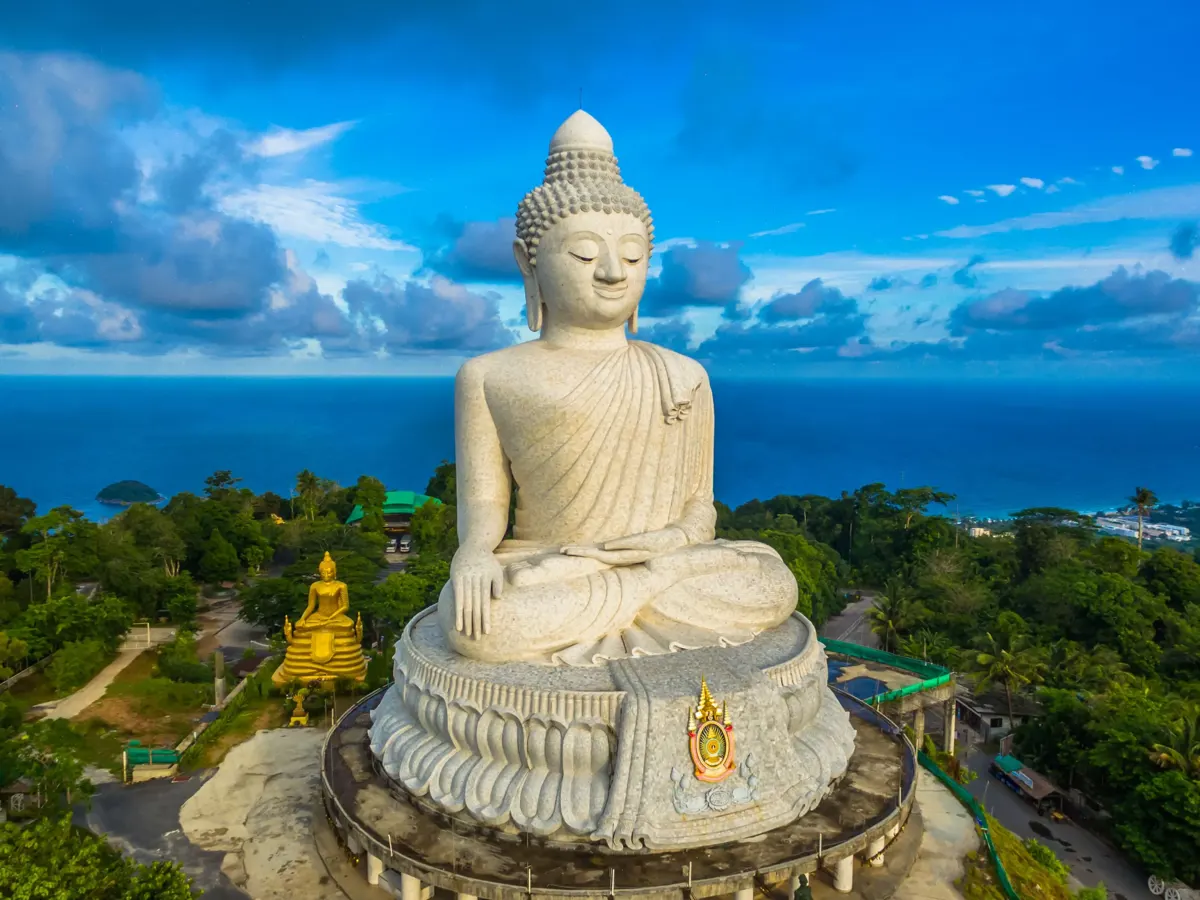
Perched on Nakkerd Hill, the Big Buddha is an impressive monument, reaching a height of 25 meters and crafted entirely from Myanmar marble. This statue is acknowledged as Phuket's largest representation of Buddha. For the local population, this site holds profound spiritual importance, serving as a cherished symbol of their beliefs and heritage. The elevated location also provides expansive views across the island, which can be particularly striking after a rain shower when the air is clear. Access to the Big Buddha is straightforward, making it a highly recommended stop for anyone visiting Phuket, offering both cultural insight and panoramic vistas.
Practical Advice for September Travel
September is typically one of Phuket's wettest months. However, it is important to note that rainfall rarely lasts for extended, continuous periods. While fewer international travelers choose to visit during this time, it means that popular locations are less crowded. For those seeking a quieter experience, September can be an opportune time to explore. The peak travel season in Phuket generally runs from November through February, when visitor numbers significantly increase compared to the green season. Travelers during September should consider packing lightweight, quick-drying clothing, a waterproof jacket or umbrella, and waterproof bags for electronics.
Regardless of the time of year you choose to visit Phuket, especially when entering religious sites such as temples, adherence to local customs is essential. This includes wearing clothing that covers shoulders and knees, removing footwear before entering sacred areas, and refraining from touching statues or other Buddhist artifacts. Respecting these guidelines ensures a considerate visit to these important cultural locations. When planning any international trip, including to destinations like Phuket, it's wise to consider all aspects of your journey, from local customs to practicalities such as managing finances in Hanoi or other regional hubs.
Understanding the logistics of travel, from weather patterns to local financial services, is crucial for a smooth experience. For instance, knowing about overnight rail journeys in Vietnam can inform broader regional travel plans, even if your primary destination is Phuket. It's always advisable to check local weather forecasts frequently and be flexible with your itinerary to make the most of your visit during the green season.
Frequently Asked Questions
Is September a suitable month to visit Phuket?
September falls within Phuket's rainy season, characterized by frequent but often brief tropical showers. While it is not the peak tourist season, it can be suitable for travelers who prefer fewer crowds and don't mind intermittent rain. Many activities, especially cultural and indoor ones, remain accessible.
What kind of weather can I expect in Phuket during September?
Expect daily tropical showers, with September being the wettest month, recording around 400mm of rain over an average of 21 days. Temperatures are warm, averaging 28°C during the day and sea temperatures around 29°C. Showers are typically short, leaving refreshing conditions afterwards.
Are beaches still enjoyable in Phuket in September?
Yes, beaches like Patong remain enjoyable for their scenery and beachfront establishments. While heavy rain or strong currents might limit swimming on some days, visitors can still relax at bars, lounges, and appreciate the coastal views. Surfing conditions, particularly at Kata Beach, can be favorable during this period.
What cultural sites should I consider visiting in September?
Cultural sites such as Wat Chalong, the island's largest temple, and the Big Buddha on Nakkerd Hill are excellent choices. These indoor and outdoor attractions offer historical and spiritual insights and are generally accessible regardless of the weather, providing a meaningful experience away from the beaches.
Is Phuket crowded in September?
No, September is considered the low tourist season in Phuket. This means fewer crowds at popular attractions, beaches, and restaurants, offering a more relaxed and perhaps more authentic experience for visitors.








