
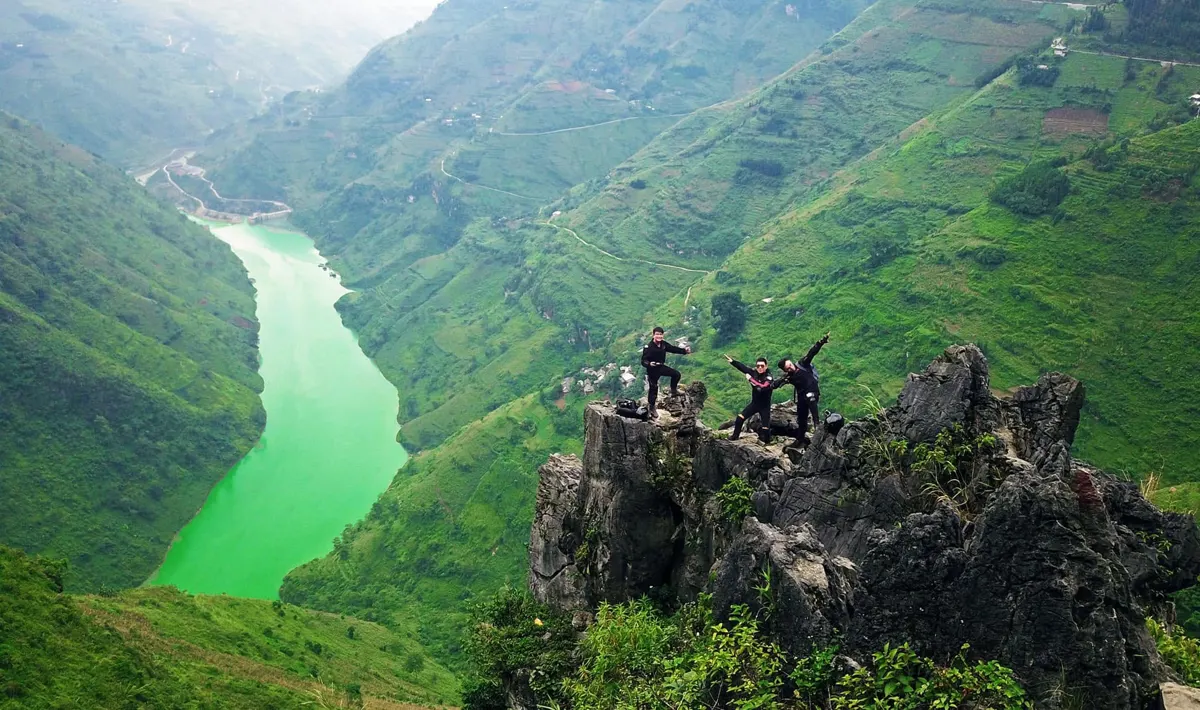
Sapa in December presents a distinct version of northern Vietnam, characterized by its winter climate rather than the verdant rice fields often depicted in travel imagery. This period marks the onset of the coldest season, bringing with it mist-shrouded valleys, crisp air, and a landscape transformed by dry winter conditions. For visitors accustomed to Vietnam's generally warm, tropical environment, Sapa's December chill can be unexpected. However, this season offers a different kind of appeal, showcasing the mountains in their most rugged form, revealing the daily routines of ethnic minority communities during colder months, and highlighting highland culture at a slower tempo influenced by cool mornings and shorter days.
December signifies a notable shift in Sapa's climatic patterns, impacting various aspects of travel, from transportation and hiking conditions to local lifestyles and agricultural practices. A thorough understanding of Sapa's December climate—including temperature ranges, fog prevalence, daylight hours, changes in visibility, and cultural rhythms—is crucial for travelers to prepare effectively. Such knowledge also enables a deeper appreciation for the unique ambiance that winter imparts to this mountainous region, which stands apart from other top destinations in Vietnam.
Sapa's December Climate Overview
Situated high within the Hoang Lien Son mountain range, Sapa's elevated position profoundly influences its December weather. The town itself lies at approximately 1,500 meters above sea level, with many surrounding settlements and mountain passes reaching even greater heights. This altitude contributes to thinner air and a more pronounced drop in temperatures than many first-time visitors might anticipate. Unlike the southern parts of Vietnam, where temperatures rarely fall below the mid-twenties Celsius, Sapa experiences a true winter, complete with cold nights, brisk mornings, and occasional frost.
During December days, temperatures in Sapa Town typically fluctuate between eight and fifteen degrees Celsius. These conditions are generally cool but conducive to walking, exploring, and hiking, particularly when the mist dissipates and sunlight warms the valleys. December falls within the dry season, meaning rainfall is minimal. Instead of rain, visitors should anticipate shifting patterns of mist and fog that drift across the mountains with the changing winds. Nighttime temperatures decrease considerably. More remote villages, such as Lao Chai, Ta Van, Ta Phin, Ban Ho, and Giang Ta Chai, often see temperatures dip below ten degrees at night. Higher-altitude locations like O Quy Ho Pass, the Fansipan summit, and ridge-top Hmong communities can approach freezing. While snow is uncommon, it does occur during severe cold fronts, especially at higher elevations. Frost is more frequent, coating vegetation in the early morning.
Humidity levels are lower during this season. The dry air can be a welcome change for some travelers who find Vietnam's tropical humidity uncomfortable. However, this dryness also intensifies the sensation of cold, making the wind feel sharper along exposed mountain routes. Winter monsoon winds originating from China contribute to the chill, particularly on days when cold fronts sweep across northern Vietnam. These weather systems affect Sapa more significantly than lower-lying areas like Hanoi, Lao Cai City, or Yen Bai. Fog is a defining characteristic of December in Sapa. Morning fog often settles thickly in the valleys, reducing visibility. It sometimes clears by late morning, but on certain days, it can persist into the afternoon. This fog creates a moody, atmospheric quality for the scenery. Villages may appear and disappear behind curtains of white mist, ridges emerge with soft outlines, and terraces become visible only when sunlight briefly penetrates the clouds. This variable visibility can be both a challenge and a memorable aspect for travelers.
The Winter Landscape of Sapa
The Sapa often envisioned by travelers—with its bright green rice terraces, golden harvest scenes, clear skies, and expansive valley vistas—is primarily associated with the growing season, not winter. By December, the rice harvest has long concluded. Fields are cleared, and the terraces reveal their underlying structure beneath a muted winter color palette. For many, this more understated version of Sapa is a pleasant surprise, as it highlights the intricate engineering, history, and human effort involved in shaping the land.
Terraced fields during this period possess a raw, architectural beauty. Without the cover of rice plants, their contours appear sharper. The curves of the terraces follow the natural slopes of the hills. The earthen walls, usually concealed by vegetation, stand exposed. Water remaining in some fields reflects the fog and sky, creating mirror-like surfaces that change throughout the day. When sunlight illuminates these terraces in the late morning or afternoon, the interplay between earth, water, and dark stone can offer striking photographic opportunities. The Muong Hoa Valley, a renowned Sapa landscape, transitions from its lush summer appearance to a winter aesthetic dominated by browns, greys, and deep evergreen hues. Bamboo forests retain some color, but the valley's overall tone becomes more subdued. Smoke ascending from village kitchens becomes a visible element of the landscape as cold air keeps it close to the ground, lending communities a tranquil winter character distinct from their lively summer ambiance.
Higher in the mountains, the scenery changes again. Peaks within the Hoang Lien Son range often remain partially obscured by clouds. On clear days, the silhouettes of these mountains stand out sharply against the sky. On foggy days, the mountains seem to merge with the air, creating a layered, dreamlike effect. Trails leading towards Fansipan, O Quy Ho, and Tram Ton can shift between clear and foggy conditions within minutes. Vegetation undergoes significant seasonal alterations. Many trees shed their leaves, particularly around higher villages. While some fruit trees may begin to bud in anticipation of spring, the most colorful blooming season occurs later, typically in January and February. The celebrated peach and plum blossoms, popular with photographers, do not appear until late winter or early spring.
Planning Daily Activities Around December Weather
Although December falls within Sapa’s dry season, each day is typically segmented into distinct weather phases that should inform travel planning. Early mornings in December are consistently cold, sometimes accompanied by frost in elevated villages. Mist frequently blankets the valley, obstructing mountain views. The combination of darkness, cold, and fog makes this period less suitable for sightseeing or motorbike excursions. Visitors staying in homestays often begin their mornings indoors, enjoying a leisurely breakfast while awaiting the fog's dissipation.
Late morning brings a noticeable shift in conditions. As the sun climbs higher, the fog gradually retreats, revealing clearer vistas across the valley. Temperatures rise sufficiently to feel comfortable. This transitional period is ideal for commencing treks, visiting local markets, or exploring villages. Most organized trekking tours schedule their departures around this time, as weather conditions become more predictable and visibility improves. Afternoons generally offer the most favorable conditions for outdoor pursuits. The light softens, casting warm tones across the landscape. Even on days with persistent fog, the afternoon often provides clearer skies. This is when travelers can best appreciate expansive viewpoints such as Ham Rong Mountain, Fansipan Sapa Station, the ridge above Lao Chai, or the panoramic trails near Hau Thao. The enhanced lighting makes photography particularly rewarding.
Late afternoons cool down rapidly. Shadows lengthen, and temperatures begin to fall. Given that the sun sets earlier in December, travelers should aim to conclude their outdoor activities before dusk. Mountain roads become extremely cold after sunset, and fog may return to certain areas. Riding a motorbike during these hours is generally not advised unless absolutely necessary. Evenings in Sapa during December are quiet. Restaurants become inviting spaces for hotpot meals, grilled dishes, and herbal teas. Homestays often light their fireplaces, and families gather indoors. The outdoor cold encourages peaceful, calm evenings, which many visitors describe as grounding and serene.
Cultural Rhythms and Community Life in Winter
December offers visitors a distinctive chance to observe the daily routines of ethnic minority communities as they adapt to winter. The Hmong, Dao, Tay, Giay, and Xa Pho groups all adjust their lifestyles during the colder months. Agricultural work slows significantly because the harvest is complete, and new planting does not commence until later in the season. Families shift their focus towards indoor tasks, including handicrafts, caring for livestock, and preparing for the upcoming Lunar New Year (Tet).
In many Hmong households, women dedicate time to embroidering traditional clothing, weaving hemp fabric, or dyeing cloth with indigo. These activities become more prevalent in winter when outdoor farm labor is paused. Simultaneously, men engage in repairing tools, maintaining the stone walls around their fields, gathering firewood, or constructing shelters to protect livestock from the cold. The slower pace of winter allows families to spend more time together around indoor stoves. Markets play a central role in community life during December. Weekly markets in Bac Ha, Can Cau, Sapa Town, and Muong Hum attract villagers who come to purchase warm attire, trade animals, exchange news, and sell handmade goods. The cold weather creates a unique market atmosphere. Stalls offering hot soups, grilled meats, sticky rice, and herbal teas draw crowds. The vibrant colors of traditional clothing stand out against the muted winter landscape. December also marks the initial stages of preparations for Tet, though the main festivities typically occur later, usually in January or February. Families begin cleaning their homes, fermenting traditional beverages, raising pigs for holiday meals, and stocking firewood. A visit to Sapa in December provides a glimpse into these preparations before the larger crowds arrive closer to the Tet holiday.
Children continue attending school throughout the month, traversing mountain paths bundled in multiple layers of clothing. Older villagers often gather around communal fire pits during the coldest parts of the day. Life generally becomes quieter and more reflective, allowing travelers to observe local culture in its winter rhythm. For those interested in the daily life of Sapa's serene villages, December offers a genuine perspective.
Trekking and Exploring Sapa's Mountains
Trekking is a primary draw for travelers to Sapa, and December can be a favorable month for this activity. The dry conditions mean trails are typically less muddy and more manageable than during the rainy season. The cool air makes hiking less physically demanding, enabling trekkers to cover greater distances without overheating. Popular routes, such as those from Lao Chai to Ta Van, Sapa to Y Linh Ho, and around Ta Phin, remain open and accessible. The terraced fields along these paths, while not at their most colorful, reveal their structure and engineering with greater clarity. Treks during this period tend to focus less on vibrant scenery and more on cultural interactions and the distinctive mountain ambiance.
Visibility remains the primary challenge for December treks. Fog can obscure views throughout the morning, requiring trekkers to exercise patience. Guides often adjust the pace based on visibility. Occasionally, the fog clears abruptly, unveiling expansive mountain vistas that feel even more dramatic after having been concealed. Homestay treks continue to be popular in December, providing warmth and hospitality at the conclusion of cold outdoor days. Families prepare hot meals, heat their kitchens, and offer thick blankets. Some homestays provide herbal baths made from local plants, which are particularly soothing during winter. Longer or more demanding treks, such as routes towards Fansipan or the ridge trails above Hau Thao, necessitate more thorough preparation. The cold intensifies at higher elevations, making appropriate clothing essential. Travelers must ensure they have windproof layers, sturdy footwear, and a guide experienced with winter conditions. Exploring the region's diverse landscapes and engaging with local communities can be enhanced by considering Sapa hard trekking and homestays for a deeper cultural experience.
Fansipan in December: The Roof of Indochina in Winter
Fansipan, Vietnam’s highest peak, undergoes a significant transformation in December. The summit area becomes one of the coldest locations in the country, especially during intense cold fronts. Frost, thin ice, and occasional snow contribute to the winter atmosphere. Most visitors reach Fansipan via the cable car, which typically operates throughout December, except on days with extremely high winds. The cable car journey offers expansive views of the Hoang Lien Son range, with clouds often drifting between the peaks. At the summit, the cold is intense. Temperatures frequently drop close to freezing, and strong winds can make outdoor photography challenging. Travelers opting to hike Fansipan in December face more arduous conditions. Trails can be slippery, visibility is unpredictable, and temperatures are considerably lower than in Sapa Town. Hikers require proper winter gear, including warm layers, gloves, and waterproof clothing. The reward, however, is a dramatic winter adventure that showcases a side of Fansipan few travelers witness. For those seeking to ascend Fansipan Peak, careful planning for winter conditions is essential.
Practical Travel Information for December
Transportation to Sapa in December remains reliable, as this month falls within the dry season. Highways connecting Hanoi and Lao Cai operate normally. Buses and limousines maintain frequent schedules. The road from Lao Cai to Sapa, though steep and winding, benefits from dry conditions that improve tire traction. Within Sapa itself, traveling by motorbike is feasible but requires prudence. The cold wind along O Quy Ho Pass can be severe, and fog can significantly reduce visibility. Individuals uncertain about riding in winter conditions should consider hiring a local driver or utilizing taxis.
Accommodation options in Sapa vary considerably in terms of heating provisions. Luxury hotels typically feature comprehensive heating systems, heated swimming pools, and well-insulated rooms. Budget hotels and homestays often rely on electric blankets, portable space heaters, heated mattress pads, or thick quilts. Travelers are advised to confirm heating arrangements prior to making reservations. Dining in Sapa during December becomes a particularly enjoyable aspect of the trip, as restaurants adjust their menus for winter. Hotpot, grilled dishes, sturgeon and salmon sourced from local farms, sticky rice, roasted chestnuts, and herbal teas appear more frequently. Cafés offer warm havens for relaxation after cold outdoor excursions. Exploring unique Vietnamese foods, especially warming dishes, is a highlight of winter dining.
Comparison: Sapa in December vs. Peak Seasons
| Feature | Sapa in December (Winter) | Sapa in Peak Seasons (Summer/Autumn) |
|---|---|---|
| Landscape Appearance | Muted browns, greys; bare terraces; architectural forms visible; occasional frost/ice. | Lush green rice terraces (summer); golden harvest fields (autumn); vibrant foliage. |
| Crowd Levels | Generally fewer visitors; quieter trails and viewpoints (except holiday weekends). | Higher visitor numbers; more crowded trails, viewpoints, and town areas. |
| Trekking Conditions | Dryer trails, less mud; cool air, less strenuous; visibility can be limited by fog. | Potentially muddy trails (rainy season); warmer temperatures, more humidity; generally clear views. |
| Temperature Range | Day: 8-15°C; Night: below 10°C (near freezing at high altitudes). | Day: 20-28°C (summer); 15-25°C (autumn); generally warmer nights. |
| Cultural Focus | Slower pace; indoor crafts; Tet preparations; markets for warm goods; intimate community life. | Agricultural activities (planting/harvesting); outdoor festivals; more tourist-oriented interactions. |
Frequently Asked Questions
Is December a suitable month to visit Sapa?
Yes, December is suitable if you appreciate cooler weather, fewer crowds, and dramatic winter landscapes. It is not the ideal time for travelers primarily seeking lush green rice terraces.
What are the typical temperatures in Sapa during December?
Daytime temperatures in Sapa Town usually range from 8°C to 15°C. At night, temperatures can fall to 3°C–7°C, with higher altitude areas potentially reaching freezing points.
Does Sapa experience snow in December?
Snow is infrequent but can occur at higher elevations like Fansipan or O Quy Ho Pass during periods of intense cold fronts.
Are trekking activities safe in December?
Trekking is generally safe, but the presence of fog and cold conditions necessitates appropriate clothing and careful planning. Trails are often less slippery than during the rainy months.
Can one visit Fansipan in December?
Yes, the cable car to Fansipan typically operates daily, unless severe winds prevent it. The summit area is known for being extremely cold during this month.
What clothing should travelers pack for Sapa in December?
Travelers should pack warm layers, thermal wear, gloves, a scarf, waterproof shoes, and a windproof outer jacket. Those planning to ride motorbikes will require additional insulation.








