
Thailand's summer months, typically from June through August, coincide with the onset of the monsoon season. While some travelers might hesitate due to the warmer, wetter conditions, this period offers unique advantages for exploring the country. Visitors can experience a different side of Thailand, often with fewer crowds and potentially more favorable travel costs, making it an appealing time for certain types of trips.
Understanding Thailand's Summer Climate
Thailand experiences its summer season from June to August, which also marks the beginning of the annual monsoon. During this time, the weather is characterized by warmth, humidity, and increased rainfall. Average daily temperatures generally range between 25°C and 35°C across the country.
June, the initial month of this period, typically sees less rainfall compared to May, allowing for enjoyable coastal activities. As July and August progress, the rainy season becomes more pronounced. Despite the precipitation, the atmosphere often remains warm, and sunny intervals are common, making water-based activities like swimming, sunbathing, and snorkeling quite suitable. Travelers should be prepared for tropical downpours, which are often intense but brief, followed by clear skies.
Advantages of Visiting Thailand During Summer
Many travelers traditionally consider the cooler, drier months as the prime time to visit Thailand. However, choosing to travel during the summer season, from June to August, presents several benefits. This period is generally regarded as a low tourist season, which often translates into a more relaxed travel experience with fewer international visitors at popular sites.
A significant advantage of traveling during Thailand's summer is the potential for reduced expenses. With lower demand, accommodations, flights, and certain tour packages can sometimes be found at more attractive prices. This allows individuals to explore various facets of the country, from its historical sites to its natural landscapes, without necessarily incurring peak-season costs.
Key Destinations and Activities for Summer Travelers
Despite the summer weather, Thailand offers numerous engaging experiences across its diverse regions. Planning activities around the climate can lead to a fulfilling trip, focusing on city exploration, water sports, and cultural immersion.
- Bangkok City Exploration: The capital city, Bangkok, maintains its energetic atmosphere year-round. Travelers can explore opulent shopping centers, visit renowned palaces and temples, or take a boat journey along the Chao Phraya River. The Bangkok National Museum provides cultural insights. A highlight for many is the city's exceptional and varied culinary scene, especially the readily available and affordable street food from numerous vendors.
- Scuba Diving in Koh Tao: The warm waters during Thailand's summer are particularly conducive to scuba diving and snorkeling. Koh Tao, known as "Turtle Island," stands out as a premier destination for underwater exploration. This island, covering 21 square kilometers, is surrounded by the clear waters of the Gulf of Thailand. Equipped with a mask and snorkel, visitors can observe diverse coral formations, colorful marine life, and underwater rock structures. The island's white sand beaches further enhance its appeal for those who appreciate natural beauty.
- Kwai River Bridge Memorial: For those interested in history, the Kwai River Bridge serves as a significant cultural landmark. Constructed by prisoners of war, this structure now functions as a memorial honoring the forced laborers who perished during its building. An annual week-long event is held here, recounting the bridge's history through daily and nightly festivities. Beyond the commemorations, visitors can appreciate the surrounding scenery along the Kwai River.
- Khao Yai National Park: As Thailand's third-largest national park, Khao Yai is well-suited for independent explorers. Its landscape combines dense jungles, abundant wildlife, mountains, grasslands, waterfalls, and rivers, creating a rich environment for nature enthusiasts. Camping is possible at locations such as Lam Ta Khong campground, offering opportunities for wildlife observation. The Haew Suwat and Haew Narok waterfalls are notable natural features within the park.
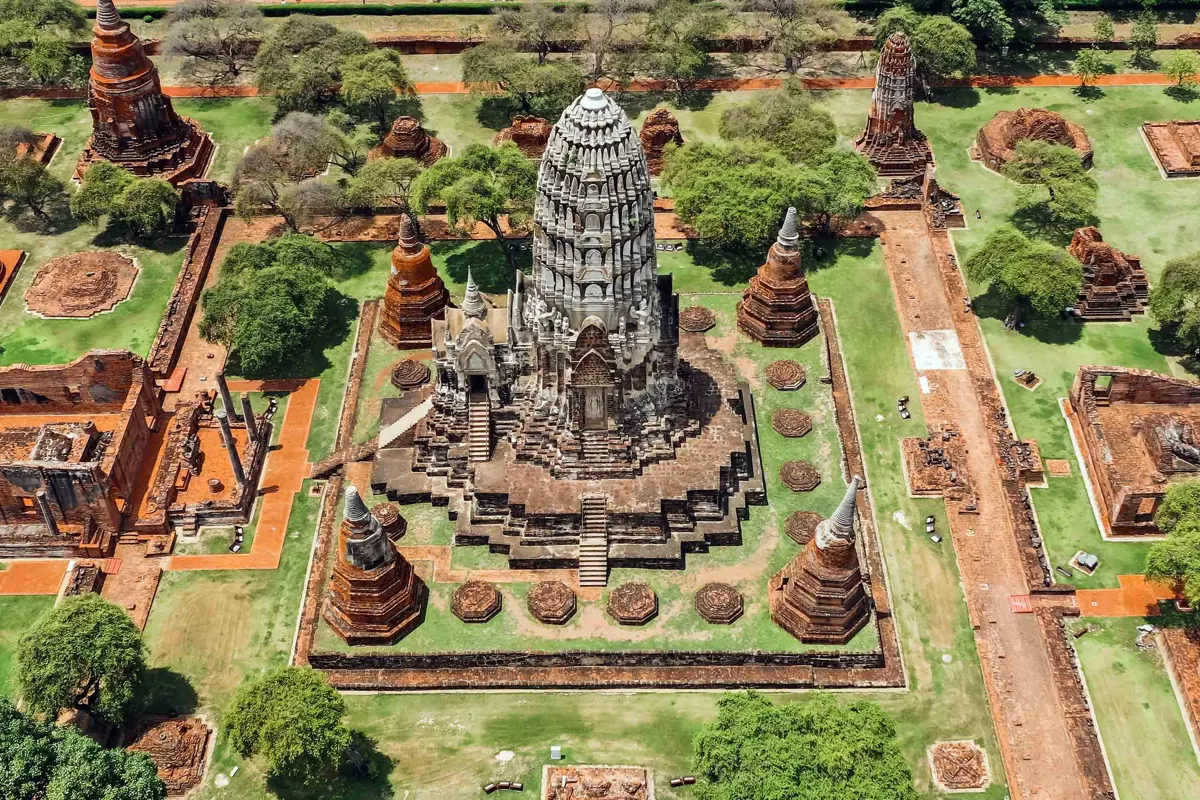
- Sukhothai Historical Park: Recognized as a UNESCO World Heritage Site, Sukhothai was the first capital of the ancient Siamese kingdom. It remains a compelling archaeological site, drawing many visitors annually to its impressive old town. The Sukhothai Historical Park is a central attraction. Beyond the historical ruins, visitors can enjoy local cuisine at establishments like JayHae, Tapui, and Poo restaurants. The Sukhothai Saturday night market offers a chance to experience local commerce and culture, alongside visits to various museums and temples.
Dining Options in Sukhothai
| Restaurant Name | Known For | Notes |
|---|---|---|
| JayHae | Local Thai dishes | Specific details on cuisine not provided in source. |
| Tapui | Local Thai dishes | Specific details on cuisine not provided in source. |
| Poo | Local Thai dishes | Specific details on cuisine not provided in source. |
Cultural Celebrations During the Summer Months
Thailand's summer season also features several distinctive cultural events that offer insights into local traditions. Attending these festivals can provide a deeper understanding of the country's heritage.
- Phi Ta Khon (Ghost Festival): This unique festival takes place in Dan Sai Town, typically on the weekend of the sixth full moon of the lunar calendar. It combines religious customs with a celebratory atmosphere and showcases local handicrafts. Participants wear elaborate ghost masks, making it a visually striking event.
- Boon Bang Fai (Rocket Festival): Predominantly observed by the farming communities of Issan, the Rocket Festival is a significant event held from May 1st to May 5th. Its purpose is to appeal to the deities for ample rainfall to ensure a successful agricultural season. The festival features parades of intricately decorated rockets, which are then launched into the sky throughout the week, creating a spectacular display.
Essential Travel Advice for Summer in Thailand
When planning a trip to Thailand during the summer, it is wise to prepare for the tropical climate. Given the warmth and sun, packing appropriate items can significantly enhance comfort and enjoyment.
- Sun Protection: Always carry and apply sunscreen regularly to protect against strong sun exposure.
- Footwear: Lightweight sandals or flip-flops are recommended for ease of movement and comfort in warm, potentially wet conditions.
- Clothing: Opt for light, breathable fabrics. Loose-fitting clothes are ideal for staying cool and comfortable throughout the day.
Frequently Asked Questions
Is Thailand's summer a good time to visit?
Yes, Thailand's summer (June to August) can be an excellent time to visit, especially for travelers seeking fewer crowds and potentially lower costs. While it coincides with the monsoon season, rainfall often occurs in short bursts, leaving plenty of time for activities.
What kind of weather should I expect in Thailand during summer?
Expect warm and humid conditions with average temperatures between 25°C and 35°C. The monsoon season brings increased rainfall, particularly in July and August, but sunny periods are still common, allowing for outdoor and water-based activities.
Are there specific activities suitable for Thailand's summer?
Absolutely. Summer is ideal for water activities like scuba diving and snorkeling in locations such as Koh Tao. City exploration in Bangkok, visiting historical sites like Sukhothai, and experiencing cultural festivals like Phi Ta Khon are also popular choices.
Will travel costs be lower during Thailand's summer?
Generally, yes. The summer months are considered a low tourist season, which often results in more competitive pricing for flights, accommodation, and tours compared to the peak travel periods.
What should I pack for a summer trip to Thailand?
Pack light, breathable clothing, comfortable footwear like flip-flops or sandals, and essential sun protection such as sunscreen and a hat. An umbrella or light rain jacket can also be useful for sudden downpours.








