
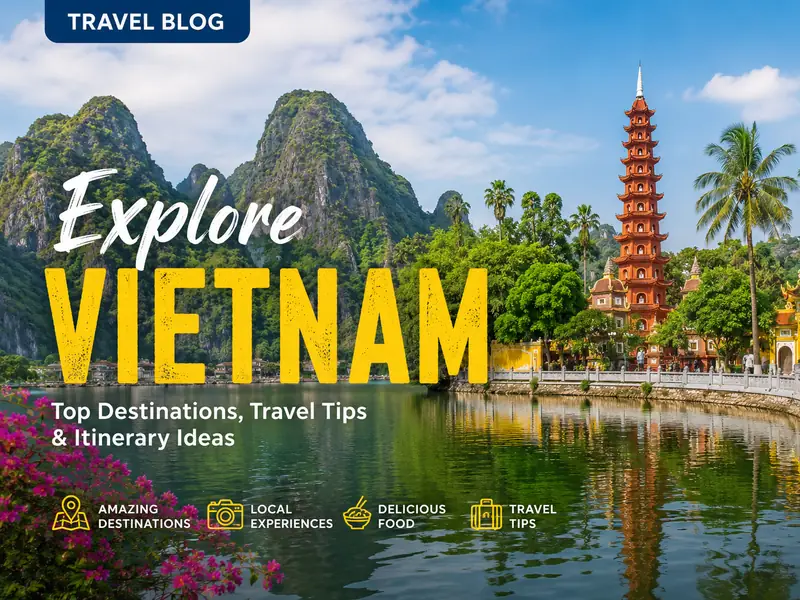
Vietnam, a Southeast Asian nation, draws a growing number of visitors annually with its varied attractions. Across its regions, travelers can find numerous engaging pursuits, whether seeking beach relaxation, water sports, mountain vistas, historical learning, cultural immersion, or culinary adventures. This article outlines some of the most popular activities available throughout Vietnam, helping you plan a comprehensive itinerary.
Culinary Exploration and Local Life
Vietnamese cuisine enjoys international recognition, with dishes like “Pho” known worldwide. A street food tour is often recommended as an excellent way to connect with the country's culture through its culinary traditions. Cities such as Hanoi, Hoi An, and Ho Chi Minh City are frequently cited as prime locations for these tours, offering opportunities to sample local dishes and interact with residents. Guides, often local experts, can lead visitors to authentic eateries not typically found in guidebooks.
During these tours, you might encounter Hanoi's famous noodle soup, distinctive egg coffee, and local beer. In Hoi An, popular items include Banh Mi sandwiches, the refreshing Mot drink, and Quang noodle. Ho Chi Minh City offers broken rice dishes and Hu Tieu Nam Vang. Generally, Vietnamese food is both flavorful and affordable. Hanoi, recognized not only as a commercial, cultural, and political center but also as a culinary hub, is particularly noted for its street food scene.
Another way to experience local life is by visiting the Cai Rang Floating Market in the Mekong Delta. This region, often called Vietnam's “rice bowl” due to its extensive waterways, features homes, eateries, and markets situated directly on rivers and canals. Cai Rang stands as one of the largest wholesale floating markets in the area, trading everything from fresh produce to various household items. Visiting early in the morning allows you to witness the colorful boats laden with goods and sample fresh tropical fruits like green mangoes, pineapples, dragon fruits, oranges, coconuts, and durians. Hot dishes, such as traditional crab noodles, BBQ pork noodles, or even Banh Mi, are also available from vendors on sampans, offering a distinct taste of the Mekong River. For the best experience, visitors often opt for a two-day, one-night Mekong Delta tour, staying overnight in Can Tho province to visit the market the following morning.
In Hoi An, the Tra Que village provides a glimpse into traditional farming practices. This quiet, verdant agricultural area contrasts with Hoi An's busier streets. Benefiting from fertile soil and abundant water, Tra Que produces high-quality vegetables, including lettuce, basil, and coriander, which are integral to local specialties like Quang noodles and Cao Lau. Visitors can participate in farming activities such as raking, sowing, watering, and harvesting greens. Beyond agricultural work, the village also offers cooking classes and cycling opportunities.
Iconic Natural Landscapes and Waterways
A visit to Vietnam is often considered incomplete without a cruise through Halong Bay, a site recognized for its natural beauty. This bay features approximately 1,600 limestone formations rising from its clear waters. Numerous boats provide daily and overnight cruise options. Opting for an overnight cruise allows guests to appreciate the scenery and engage in onboard activities like Tai Chi sessions or cooking classes. Outdoor pursuits such as swimming, kayaking, cave exploration, visiting floating markets, and cycling in local villages are also common. Waking up amidst the bay, observing the sunrise over the limestone karsts, and breathing the fresh air in a tranquil setting is an experience many travelers seek. Halong Bay cruises cater to a wide range of visitors, including couples, families, and solo travelers. For those interested in coastal leisure, exploring the best beaches in Halong Bay can enhance the experience.
Tam Coc, part of the Trang An Landscape Complex, is another UNESCO World Heritage site often referred to as “Halong Bay on land.” Its name, meaning “three caves,” refers to a flooded cave system comprising Hang Ca, Hang Hai, and Hang Ba, alongside Bich Dong. A boat journey through Tam Coc typically lasts about two hours along the Ngo Dong river, allowing passengers to explore the caves and observe the surrounding rice fields. The period from mid-April to early June is particularly recommended, as it coincides with the harvest season when the rice paddies turn a golden yellow. Travelers should be aware that some boat operators might attempt to sell goods during the trip.
Phu Quoc, known as “Pearl Island,” is Vietnam's largest island, celebrated for its untouched beaches, upscale resorts, and calm atmosphere. It serves as a hub for various water sports, both above and below the surface. Kayaking along the coast and up small rivers into jungle areas appeals to those seeking mild adventure. For speed enthusiasts, jet skiing is available at Sao Beach or Long Beach. Snorkeling and diving offer opportunities to observe marine life. Parasailing allows participants to ascend to heights of up to 1,000 meters, providing a bird's-eye view. More adventurous options include flyboarding, also known as hoverboarding.
For a desert-like experience, Mui Ne features expansive sand dunes. The two most notable are the White and Red sand dunes. The White sand dunes are a popular attraction, creating a sense of being in a vast, pristine landscape. Here, visitors can rent quad bikes for 40 USD for 20 minutes (accommodating up to 2-3 people) or take a hot air balloon tour for approximately 150 USD per person for a 60-minute flight. The Red sand dunes are smaller, characterized by their rusty red-brown hue, and are particularly striking at sunset, offering views of the sun descending over the rolling red hills.
Historical Sites and Cultural Immersion
Exploring the Cu Chi Tunnels is a prominent activity for visitors to Ho Chi Minh City. This extensive underground network, stretching over 120 kilometers, includes trapdoors, living quarters, kitchens, storage areas, schools, hospitals, and command centers. The tunnels played a significant role in the Vietnamese army's efforts during wartime. A tour of the Cu Chi Tunnels provides insight into their unique construction and historical importance. Visitors can also sample foods consumed by Vietnamese soldiers, such as sesame and boiled cassava, or venture into sections of the tunnels to gain a sense of the challenges faced by soldiers. It is important to note that navigating the tunnels may not be suitable for individuals with claustrophobia or heart conditions.
Hue, once Vietnam's imperial capital and now a World Heritage Site, offers numerous historical attractions, including pagodas, tombs, and palaces. The Hue Imperial Citadel is a key highlight, having served as the residence for the Nguyen Royal Family, Vietnam's last dynasty. The citadel grounds are encircled by a moat adorned with waterlilies. Inside, visitors can explore various buildings in their original, restored, or damaged states, along with carved gates, royal pavilions, the Flag Tower, and museums housing royal antiquities. Opportunities to wear traditional Vietnamese royal attire for photographs are also available.
My Son Sanctuary, another UNESCO World Heritage Site, consists of Champa ruins situated among mountains. Comprising over 70 temples and epitaphs, it is often compared to Angkor Wat in Cambodia and Borobudur in Indonesia. A visit here offers insights into the history of the Champa Kingdom and its distinctive architectural style. The early morning is considered the best time to explore, as temperatures are cooler, the air is fresh, and visitors can witness the sunrise over the temples. Travelers can rent a bicycle to reach the sanctuary, as the roads are generally in good condition, though guided tours are recommended for a deeper understanding of its history.
To gain a deeper appreciation for Vietnamese culture, attending a cultural show in cities like Hanoi, Ho Chi Minh City, or Hoi An is a popular option. The water puppet show is particularly well-known globally, with performances often depicting the daily lives of Vietnamese farmers, communal festivities, historical narratives, or traditional folk tales. Tickets for a Vietnamese Water Puppet Show are typically less than 5 USD. Other performances, such as My Village, A O show, Palao, Teh Dar, or The Mist, are also available, with slightly higher ticket prices but are generally considered worthwhile.
The War Remnants Museum in Ho Chi Minh City provides a sobering look into Vietnam's history, displaying artifacts, images, and materials that illustrate the impact of past conflicts on the Vietnamese populace. Exhibits include US armored vehicles, bombs, weapons, and depictions of notorious prisons used by French and South Vietnamese forces. Collections of anti-war movement posters and photographs, alongside images detailing the effects of Agent Orange, are also featured. While the museum's content can be confronting, it serves as a powerful reminder of the importance of peace. The War Remnants Museum operates daily from 07:30 to 12:00 and from 13:30 to 17:00, with an entrance fee of approximately 2 USD per person.
Mountain Adventures and Scenic Routes
For those who enjoy motorcycling and adventure, Vietnam offers several scenic routes. The Hai Van Pass is frequently highlighted as one of the country's most beautiful passes. This 20-kilometer stretch of road was described as a “ribbon of perfection” and among the “best coastal roads in the world” by a well-known UK television program in 2008. Along the pass, travelers encounter views of mist-shrouded mountains, the South China Sea, secluded sandy beaches, forests, and distant city lights. The road features various curves, bends, and hairpin turns. Motorbike rental services are available in both Hue and Hoi An, often allowing for one-way rentals. Guided tours are also an option for those who prefer not to manage their own vehicle or luggage.
Sapa, located in northern Vietnam's mountainous region, is home to numerous hill tribe villages, including Ta Van, Cat Cat, Ta Phin, Lao Chai, Sin Chai, Y Linh Ho, and Ho. Each village maintains distinct cultural traditions, with different ethnic groups residing in them; for example, the H'Mong people live in Cat Cat village, while the Red Dao inhabit Ta Phin. Trekking through these villages offers views of green fields, mountains, and waterfalls, as well as opportunities to interact with local communities. The period from late September to early October is considered ideal for trekking in Sapa, as the terraced rice fields ripen and turn yellow. For those interested in higher altitudes, exploring Mount Fansipan is another popular option in the region.
Son Doong Cave, recognized as the world's largest cave, is situated within Phong Nha-Ke Bang National Park. Visiting this cave is considered one of Vietnam's most challenging adventures, requiring participants to meet specific health criteria. The cave extends over five kilometers in length and reaches heights of 200 meters, featuring its own weather system, clouds, internal jungles, and rivers. Expeditions typically last five days, with overnight stays inside the cave. The cost for such a tour is substantial, around 3,000 USD, and a waiting period of approximately two years is common. The journey to the cave entrance involves a two-day trek through the Ban Doong ethnic minority village. Inside, participants must abseil, climb, crawl, and swim through underground rivers. For those with budget constraints or less adventurous inclinations, Dark Cave and Phong Nha Cave within the same national park offer alternative exploration opportunities.
Mai Chau presents an unspoiled area characterized by mountains, rice fields, and waterfalls, offering a chance to interact with local communities. Staying in a traditional house on stilts with the Thai minority is a popular activity. Such houses can be found in villages like Lac, Pom Coong, and Van, preserving ancient architectural features that reflect the cultural heritage of these communities. Homestays provide opportunities to engage with locals and observe their daily routines. In the evenings, guests can often enjoy traditional dance performances and sample Ruou Can, a local rice wine.
Urban Charm and Coastal Relaxation
Cycling is an excellent method for exploring Hoi An Ancient Town, a UNESCO World Heritage site where motorized vehicles are restricted. The city's small and flat terrain makes it suitable for bicycles, appealing to individuals, couples, and families. With a bike, visitors can explore historical landmarks such as the Japanese Covered Bridge and ancient houses, learning about the city's history and culture. Hoi An is also known for its tailor shops, offering custom-made clothing from a variety of fabrics and styles. Cycling to rural areas like Tra Que village provides insight into farming life, while rides to the beaches offer opportunities for relaxation. Many hotels in Hoi An provide bicycles free of charge, or rentals are available for less than 2 USD per day. For practical needs during your stay, information on banking services in Hoi An is readily available.
The Golden Bridge in Da Nang, located within Ba Na Hills, is renowned for its distinctive architecture, featuring giant hands appearing to hold the bridge. The gray-colored hands contrast with the yellow bridge, creating a blend of design and natural scenery. This bridge has been featured in international media outlets, contributing to its status as a significant tourist attraction in Vietnam. Walking across the bridge offers a sensation of traversing clouds. Many visitors, particularly couples and younger travelers, come to capture photographs. The optimal times for photography are typically before 9:00 and after 17:00 to avoid larger crowds. Beyond the Golden Bridge, Ba Na Hills also hosts Fantasy Park, a French Village, flower gardens, and Linh Ung Pagoda, providing additional photo opportunities.
In major tourist centers like Hanoi, Ho Chi Minh City, Hoi An, and Hue, night markets are a common weekend feature. These markets offer a wide array of goods, including clothing, food, and souvenirs, often at reasonable prices. Bargaining is customary, and learning a few Vietnamese phrases can enhance the experience. The Hanoi Old Quarter night market is particularly notable, operating from 19:00 on Fridays, Saturdays, and Sundays, extending from Hang Dao Street towards Dong Xuan Market. This market also hosts cultural performances, where locals in traditional attire play Vietnamese music or engage in traditional games. Visitors are encouraged to participate in these games. Due to the market's popularity, it can become very crowded, so visitors should remain aware of their personal belongings. These markets are also excellent places to find unique purchases and souvenirs.
For those seeking relaxation at the conclusion of their travels, the beaches of Nha Trang offer an appealing option. Nha Trang is a coastal city known for its white sandy shores and clear blue waters. Nha Trang beach itself and Bai Dai Beach are frequently cited as particularly beautiful. Nha Trang beach is lined with luxury hotels and resorts, providing settings for building sandcastles, watching sunsets from the shore, and enjoying the sound of waves with a refreshing coconut drink. Bai Dai Beach is characterized by its long, smooth sandy expanse and swaying coconut trees, offering a tranquil environment for relaxation or observing activities like tug-of-war, beach volleyball, or soccer.
Practical Information for Key Attractions
| Attraction | Location | Operating Hours (Verify Locally) | Estimated Cost (Verify Locally) | Notes |
|---|---|---|---|---|
| War Remnants Museum | Ho Chi Minh City | 07:30-12:00 & 13:30-17:00 (Daily) | ~2 USD per person | Displays artifacts and images from past conflicts. |
| Hanoi Old Quarter Night Market | Hanoi (Hang Dao Street) | 19:00 onwards (Fri, Sat, Sun) | Varies by purchase | Offers shopping, food, and cultural performances. Can be crowded. |
| Hoi An Bicycle Rental | Hoi An | Daily | Less than 2 USD per day | Ideal for exploring the ancient town and surrounding areas. |
| Water Puppet Show | Various cities (Hanoi, HCMC, Hoi An) | Varies by venue | Less than 5 USD per ticket | Traditional Vietnamese cultural performance. |
| Mui Ne Quad Bike Rental | Mui Ne (White Sand Dunes) | Daytime | 40 USD for 20 mins (max 2-3 people) | Explore the vast white sand dunes. |
| Mui Ne Hot Air Balloon Tour | Mui Ne (White Sand Dunes) | Early morning | ~150 USD per person for 60 mins | Offers aerial views of the sand dunes. |
| Son Doong Cave Expedition | Phong Nha-Ke Bang National Park | 5-day tour | ~3000 USD per person | World's largest cave, requires health checks, long waiting list (~2 years). |
Frequently Asked Questions
What are the best ways to experience Vietnamese cuisine?
Engaging in a street food tour is widely regarded as one of the most effective ways to explore Vietnamese cuisine and local culture. Cities like Hanoi, Hoi An, and Ho Chi Minh City are particularly recommended for these tours, offering opportunities to sample diverse dishes and interact with local vendors.
Which natural attractions are considered essential visits in Vietnam?
Halong Bay, with its iconic limestone karsts, is a frequently recommended natural attraction, often explored via overnight cruises. Tam Coc, known as “Halong Bay on land,” offers boat rides through a flooded cave system and rice fields. Phu Quoc Island is popular for its beaches and water sports, while Mui Ne features unique sand dunes.
Are there any significant historical sites to visit?
Vietnam boasts several important historical sites. The Cu Chi Tunnels near Ho Chi Minh City provide insight into wartime history. Hue's Imperial Citadel, a former royal capital, showcases ancient Vietnamese architecture. My Son Sanctuary, a UNESCO site, preserves ruins of the Champa Kingdom. The War Remnants Museum in Ho Chi Minh City offers a comprehensive look at the consequences of past conflicts.
What cultural activities can travelers participate in?
Attending a traditional Vietnamese cultural show, such as a water puppet performance, is a popular activity available in major cities. These shows often depict aspects of daily life, folklore, and history. Additionally, visiting local markets, particularly night markets, provides opportunities to observe local customs and engage with vendors.
What are some unique outdoor adventures available?
Adventurous travelers can ride a motorbike through the scenic Hai Van Pass, trek to hill tribe villages in Sapa to experience local life and stunning landscapes, or undertake an expedition to Son Doong Cave, the world's largest cave, for a challenging multi-day adventure. Phu Quoc also offers a variety of water sports for active visitors.








