
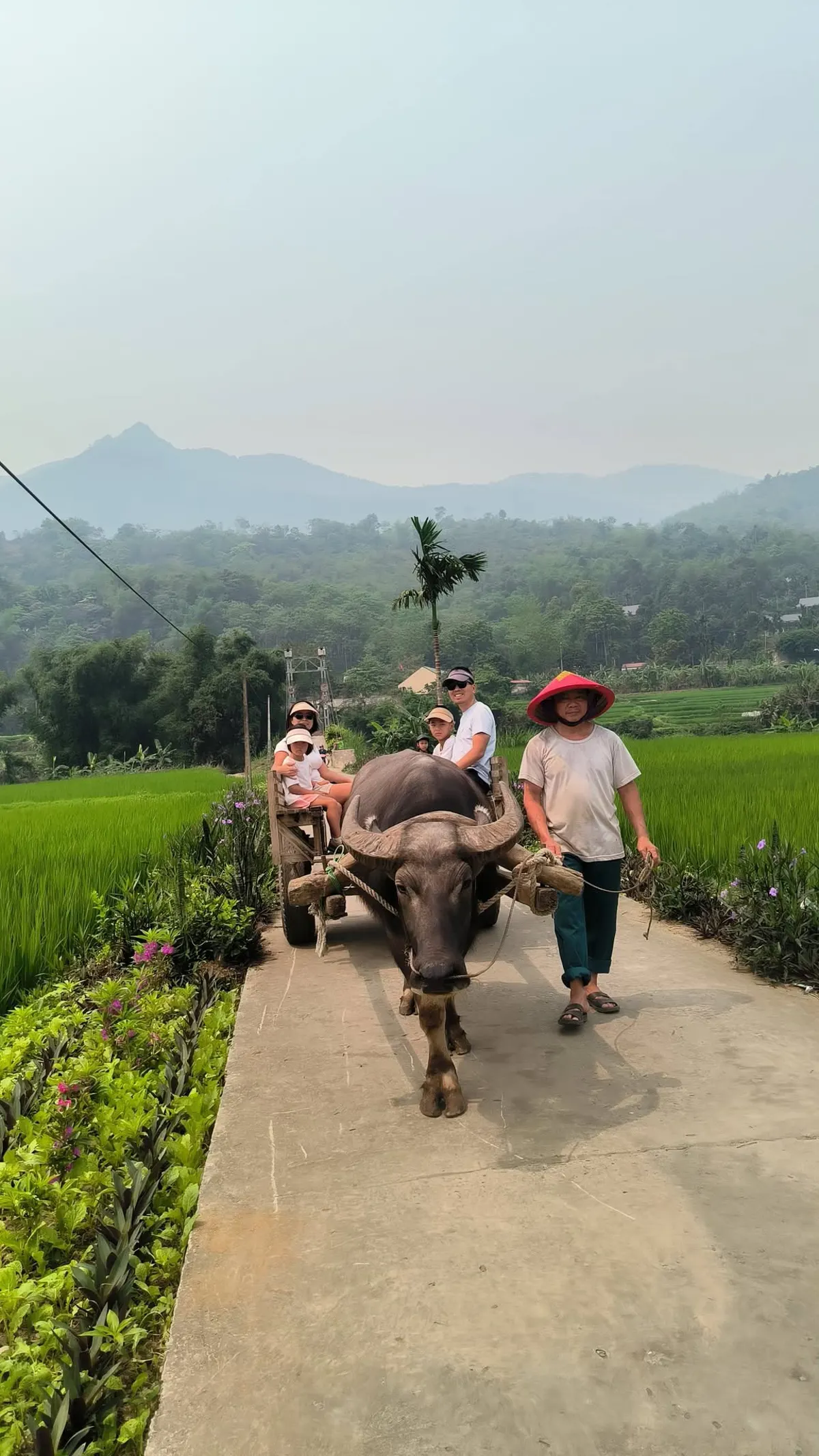
Vietnam from Dubai connects easily thanks to direct airline services and established entry procedures. This guide outlines regional weather patterns, visa routes, flight details and sample tour-starters in Ho Chi Minh City and Hanoi so travellers can plan efficiently.
What "Vietnam from Dubai" means: background and routes
The phrase "Vietnam from Dubai" commonly refers to travel routes, entry requirements and practical arrangements for people flying out of the United Arab Emirates to destinations across Vietnam. Direct flights operating between Dubai and major Vietnamese cities have reduced total travel time for many UAE-based visitors and created straightforward options for both short breaks and longer itineraries.
Vietnam spans a long north–south axis and presents three main climate zones, so planning a trip from Dubai typically involves choosing which region to prioritise. Northern areas (including Hanoi, Sapa and Halong Bay) have more pronounced seasonal variation; the south (including Ho Chi Minh City and the Mekong Delta) follows a tropical monsoon rhythm; highland plateaus have milder, more stable temperatures.
Key highlights and regional differences
Northern Vietnam offers cooler months and seasonal contrasts, especially from November through April when rain is less frequent and temperatures are generally lower. Halong Bay is one of the most visited northern attractions, and many visitors time their trip to the shoulder seasons (early spring and autumn) for calmer seas and clearer skies, according to travel reports.
Southern Vietnam maintains warmer conditions year-round with a more distinct wet and dry season. The dry season (roughly November to April) is popular for beach visits and river excursions in the Mekong Delta, while the wettest months (June to August) bring heavy tropical showers that can disrupt some outdoor plans. The central highlands and upland areas typically sit between these extremes and can be pleasant almost any time of year.
- North: seasonal four-season climate, best visited in cool, dry months.
- Central and highlands: moderate temperatures and good options for trekking.
- South: warm year-round with pronounced wet/dry seasons—ideal for beaches in the dry months.
Practical travel and visa tips
UAE residents planning travel to Vietnam have several entry routes. One traditional method is applying for a visa at the Vietnamese embassy in Abu Dhabi, which requires the original passport and supporting paperwork, and typically takes a few working days to process. Visitors should allow time for document collection and embassy processing.
An alternative widely used by international travellers is to obtain an approval letter in advance and then pick up a visa stamp on arrival at designated international airports in Vietnam. Travel agents can arrange the approval letter and send it to the applicant by email or fax. The source material indicates UAE passport holders pay US$70 for a visa approval letter through that channel, and airport visa-on-arrival counters require the printed approval letter, a passport photo and the stamping fee in cash.
- Embassy visa: suitable if you prefer having the stamp before departure; allow around 4–5 working days for processing, typically more depending on the workload.
- Visa on arrival with approval letter: convenient for air arrivals but requires an agent or online service to obtain the approval document beforehand.
- Prepare passport photos, the completed entry form and the required stamping fee in local currency or USD for airport counters.
Cultural context and travel etiquette
Vietnam’s long history and range of regional communities mean cultural norms vary from place to place. Hanoi and other northern cities reflect centuries of local tradition and historical sites, while the south has absorbed different influences through trade and colonial-era interactions. Visitors typically find differences in food styles, customs and public behaviour between regions.
Basic etiquette that most travellers find helpful includes dressing respectfully at religious sites, removing shoes where requested, and using a polite tone in public interactions. Learning a few Vietnamese phrases or consulting local guides can improve communications; many attractions and tour services provide English-language assistance but levels of fluency vary.
- Dress modestly at temples and pagodas; follow on-site guidance.
- Ask permission before photographing individuals in rural communities when appropriate.
- Be prepared for varying service styles—expect a different pace in big cities than in rural areas.
Sample itineraries and who these trips suit
Ho Chi Minh City often works well as a southern gateway for visitors interested in city life, street food and river systems. From there it is straightforward to arrange Mekong Delta excursions, day trips to nearby beaches, or visits to historic sites and tunnels. For practical visitor advice on exploring the Mekong, see this Mekong Delta travel tips.
Hanoi is commonly used as the northern entry point for travellers aiming to explore the country’s cultural centres, mountain provinces, and Halong Bay. The city’s old quarter, French-era architecture and museums make it a good pick for travellers prioritising history and slower-paced sightseeing. For those planning to include Hoi An in a Central Vietnam leg, these practical Hoi An travel tips explain how to make the most of a stop there.
- Short trips (4–7 days): focus on a single region—Hanoi plus Halong Bay or Ho Chi Minh City plus the Mekong Delta.
- One-week options: allow an extra day for travel connections and a simple multi-day tour.
- Two-week itineraries: combine north, central and south highlights for broader coverage.
Comparisons and travel alternatives
When arranging travel from Dubai, many visitors weigh direct flights against cheaper or more frequent transit options. Direct services save time and reduce potential complications from connections, but transit flights can offer different departure times and pricing that may suit flexible schedules.
Within Vietnam, travellers compare modes of travel—domestic flights, trains and long-distance buses—based on comfort, time and budget. Coastal and central corridors have well-developed flight options, while scenic overland routes may be slower but offer more interaction with countryside and small towns.
| Option | Typical duration | Best for | Notes |
|---|---|---|---|
| Direct flight (Dubai–Hanoi) | About 6 hrs 45 mins (source) | Fastest airway link to northern Vietnam | Direct daily services reported; check current schedules before booking. |
| Direct flight (Dubai–Ho Chi Minh City) | About 7 hrs 15 mins (source) | Quick access to southern destinations | Baggage allowance cited as 23 kg; carriers may change rules—verify with the airline. |
| Visa via embassy | Several working days | Travellers who want the stamp before travel | Requires original passport and supporting documents; processing times vary. |
| Visa on arrival (approval letter) | Pre-arrival application + airport stamping | Those who prefer to obtain stamp at arrival | Approval letter commonly arranged by agents; source indicates US$70 fee for UAE passport holders. |
Frequently Asked Questions
Do direct flights run between Dubai and Vietnam?
Yes. Direct services have been reported between Dubai and both Hanoi and Ho Chi Minh City. The source material lists approximate flight times of 6 hours 45 minutes to Hanoi and 7 hours 15 minutes to Ho Chi Minh City, but schedules can change—always confirm with the chosen carrier before travel.
What are the main visa options for UAE passport holders?
Travellers from the UAE may apply at the Vietnamese embassy in Abu Dhabi for a visa before departure, or obtain a visa on arrival using a prior approval letter sent by an authorised agent. The source indicates a US$70 fee for the approval letter route; embassy processing may require several working days.
When is the best time to visit northern versus southern Vietnam?
Northern Vietnam is generally most comfortable from November through April when rain is lower and temperatures are cooler; shoulder seasons like March–May or September–November are often recommended for Halong Bay. Southern Vietnam’s dry season (roughly November–April) tends to be the most popular for beach and river trips.
Can I mix cultural visits and active travel in one trip?
Yes. Many itineraries combine city-based cultural sightseeing with active elements such as trekking, biking or boating in rural areas. If you plan both, allow extra days for internal transfers so you can avoid rushed connections.
How should I prepare for local customs?
Respectful dress at religious sites, asking before photographing people in villages, and reading basic local etiquette are sensible steps. Guides and local hosts frequently provide briefings on customs relevant to the community you are visiting.








