
A two-day visit to Luang Prabang, Laos, offers sufficient time to experience its distinctive cultural heritage and impressive natural surroundings. This UNESCO World Heritage site presents a relaxed atmosphere, inviting travelers to explore ancient temples, participate in local traditions, and admire scenic landscapes. This guide outlines a possible itinerary to make the most of a short stay in this captivating destination.
Day One: Cultural Rituals and Natural Wonders
Begin your first day early by observing the traditional "tak bat," the morning almsgiving ceremony. To ensure a respectful and serene experience, consider finding a smaller side street or a neighborhood away from the central tourist areas. This allows for a more intimate viewing of the monks collecting their daily offerings, fostering a peaceful start to the day.
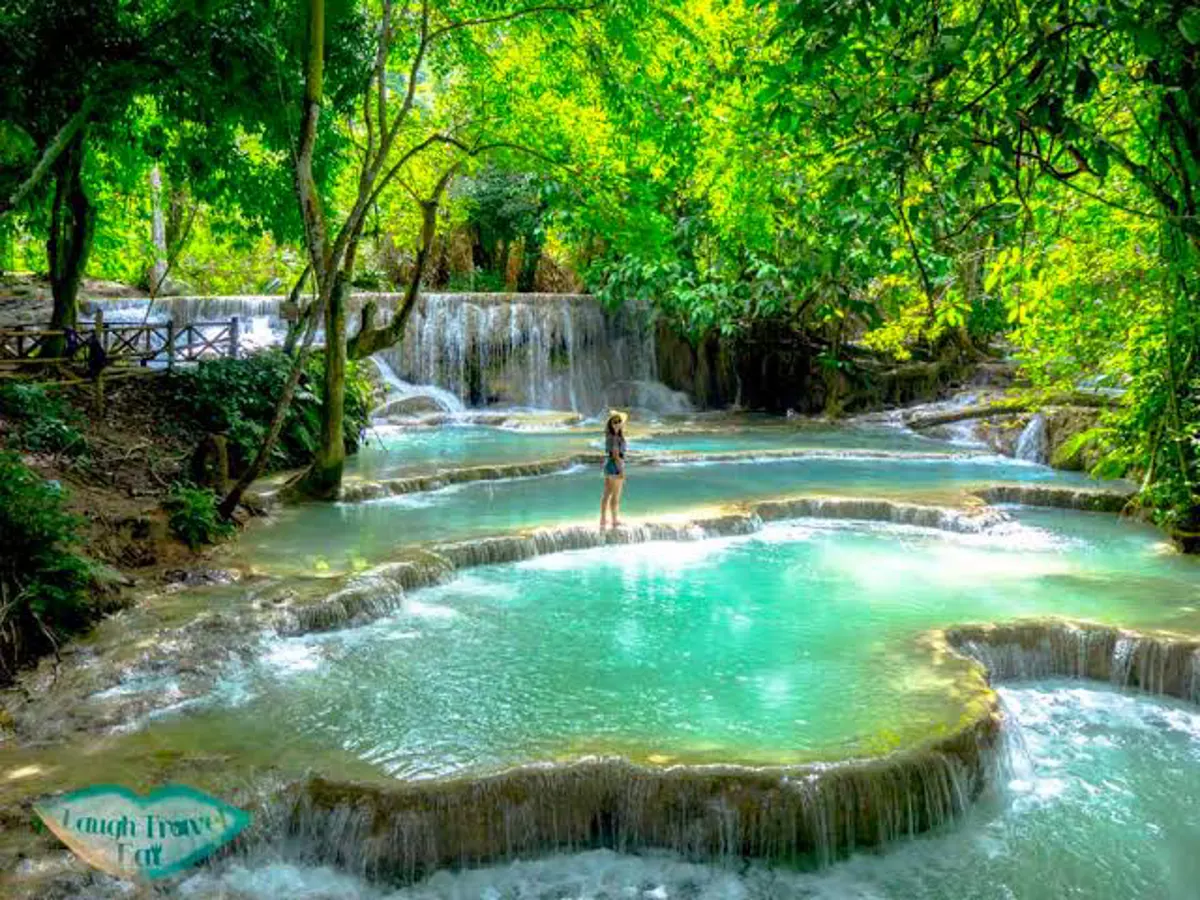
Following the ceremony, arrange transportation to the Kuang Si Waterfalls. This natural attraction features a series of cascades and pools suitable for swimming, so packing swimwear is advisable. Visitors often enjoy the rope swing located at one of the clear blue pools near the entrance, offering a refreshing break with views of the surrounding jungle. Adjacent to the falls, the Asiatic Black Bear Sanctuary and Rescue Center provides an opportunity to observe these animals, many of whom are rescued from poaching.
In the afternoon, dedicate time to exploring Luang Prabang's city center. Key religious sites include Wat Visoun and Wat Aham. A highlight for many is Wat Xieng Thong, recognized as one of Laos's most significant and architecturally rich temples. When visiting temples, both men and women should wear modest attire, covering shoulders and knees. Conclude your day at the Luang Prabang night market, an excellent location for purchasing local crafts such as hand-woven textiles, jewelry, bags, and small souvenirs.
Day Two: River Journeys and Local Craftsmanship
The second day typically involves a boat excursion along the Mekong River to the historic Pak Ou Caves. This journey usually takes approximately two hours each way. The cave complex consists of a lower cave, Tham Ting, which is easily accessible, and an upper cave, Tham Theung, which requires a slightly more challenging ascent. Both offer expansive views of the river and countryside, ideal for photography. Inside, the caves house thousands of miniature wooden Buddha figures, placed on shelves by devotees over centuries, making this a unique spiritual site.
Before returning to the city, a stop at Ban Xang Hai, often referred to as "Whiskey Village," is customary. This village is known for its production of Lao Lao, a potent rice whiskey. Travelers have the option to sample and purchase this local spirit. For those less inclined towards alcoholic beverages, the village also showcases local artisans weaving Lao silk and crafting paper products, which are available for purchase.
Essential Tips for Your Luang Prabang Visit
Respectful engagement with local customs is paramount in Luang Prabang. When observing the morning almsgiving, maintain a quiet distance and avoid direct interaction with the monks unless invited. Photography should be discreet and without flash.
For temple visits, ensure your clothing covers your shoulders and knees. Removing shoes before entering temple buildings is also a common practice.
Transportation around Luang Prabang and to nearby attractions like Kuang Si Waterfalls or Pak Ou Caves can be arranged through guesthouses, local tour operators, or by hiring private drivers. Negotiating fares in advance is recommended. For those planning further travel within the region, understanding various transport options is often helpful.
While the city is generally relaxed, always be mindful of your belongings, especially in crowded areas like the night market.
Beyond Two Days: Extended Exploration Options
While two days provide a good overview, Luang Prabang is a destination that rewards longer stays, encouraging a slower pace of travel. For those with additional time, numerous activities extend beyond the main itinerary.
Consider engaging in outdoor pursuits such as mountain biking through rural landscapes, kayaking on the Mekong River, or trekking to visit local hill tribes. Many visitors also find enjoyment in simpler pleasures, like savoring locally grown coffee while watching the sunrise over the Mekong, engaging in conversations with monks at a temple, or renting a bicycle to explore areas beyond the city center. These experiences offer deeper insights into the local way of life and the tranquil environment.
Key Attractions in Luang Prabang
Luang Prabang offers a range of significant cultural and natural sites. Below are details for the main attractions mentioned in this itinerary. Please note that specific addresses, phone numbers, and current operating hours were not provided in the source material, and visitors should verify these details locally upon arrival.
- Tak Bat (Morning Almsgiving Ceremony): A daily Buddhist ritual occurring at dawn throughout the city. Best observed respectfully from a distance on quieter side streets.
- Kuang Si Waterfalls: A multi-tiered waterfall complex located approximately 29 kilometers (18 miles) south of Luang Prabang. Features natural swimming pools and a bear sanctuary.
- Asiatic Black Bear Sanctuary and Rescue Center: Situated near the entrance of Kuang Si Waterfalls, dedicated to the rescue and rehabilitation of Asiatic black bears.
- Wat Visoun: An important temple in Luang Prabang, known for its unique stupa.
- Wat Aham: A temple with historical significance, often visited alongside Wat Visoun.
- Wat Xieng Thong: Considered one of Laos's most architecturally significant and beautiful temples, located near the Mekong River.
- Luang Prabang Night Market: An evening market held daily on Sisavangvong Road, offering a variety of local handicrafts and souvenirs.
- Pak Ou Caves: Two limestone caves (Tham Ting and Tham Theung) situated at the confluence of the Mekong and Ou rivers, approximately 25 kilometers (15 miles) north of Luang Prabang. Houses thousands of Buddha statues.
- Ban Xang Hai ("Whiskey Village"): A village en route to Pak Ou Caves, known for producing Lao Lao rice whiskey and showcasing local silk weaving and paper making.
Frequently Asked Questions
Is two days enough time to see Luang Prabang?
A two-day visit to Luang Prabang allows travelers to experience its main cultural and natural highlights, including the morning almsgiving, major temples, Kuang Si Waterfalls, and Pak Ou Caves. However, for a more relaxed exploration and to engage in additional activities, a longer stay is often recommended.
What is the best way to observe the almsgiving ceremony?
To witness the morning almsgiving ceremony respectfully, it is advisable to find a quiet side street away from the main thoroughfares. Maintain a respectful distance, remain silent, and avoid using flash photography or directly interacting with the monks during this sacred ritual.
What should I wear when visiting temples and waterfalls?
When visiting temples in Luang Prabang, both men and women should dress modestly, ensuring shoulders and knees are covered. It is also customary to remove shoes before entering temple buildings. For Kuang Si Waterfalls, bring a swimsuit if you plan to swim in the pools.
How can I get to Kuang Si Waterfalls and Pak Ou Caves?
Transportation to Kuang Si Waterfalls and Pak Ou Caves can be arranged through various means. Options include hiring a tuk-tuk or private car for the waterfalls, or joining a boat tour from the Mekong River for the caves. Many guesthouses and local tour operators can assist with these arrangements.
What kind of souvenirs can I buy in Luang Prabang?
The Luang Prabang Night Market is a primary spot for souvenirs, offering items such as hand-woven scarves, traditional textiles, silver jewelry, local paper products, and small wooden carvings. Ban Xang Hai also offers local rice whiskey and handmade silk products.








