
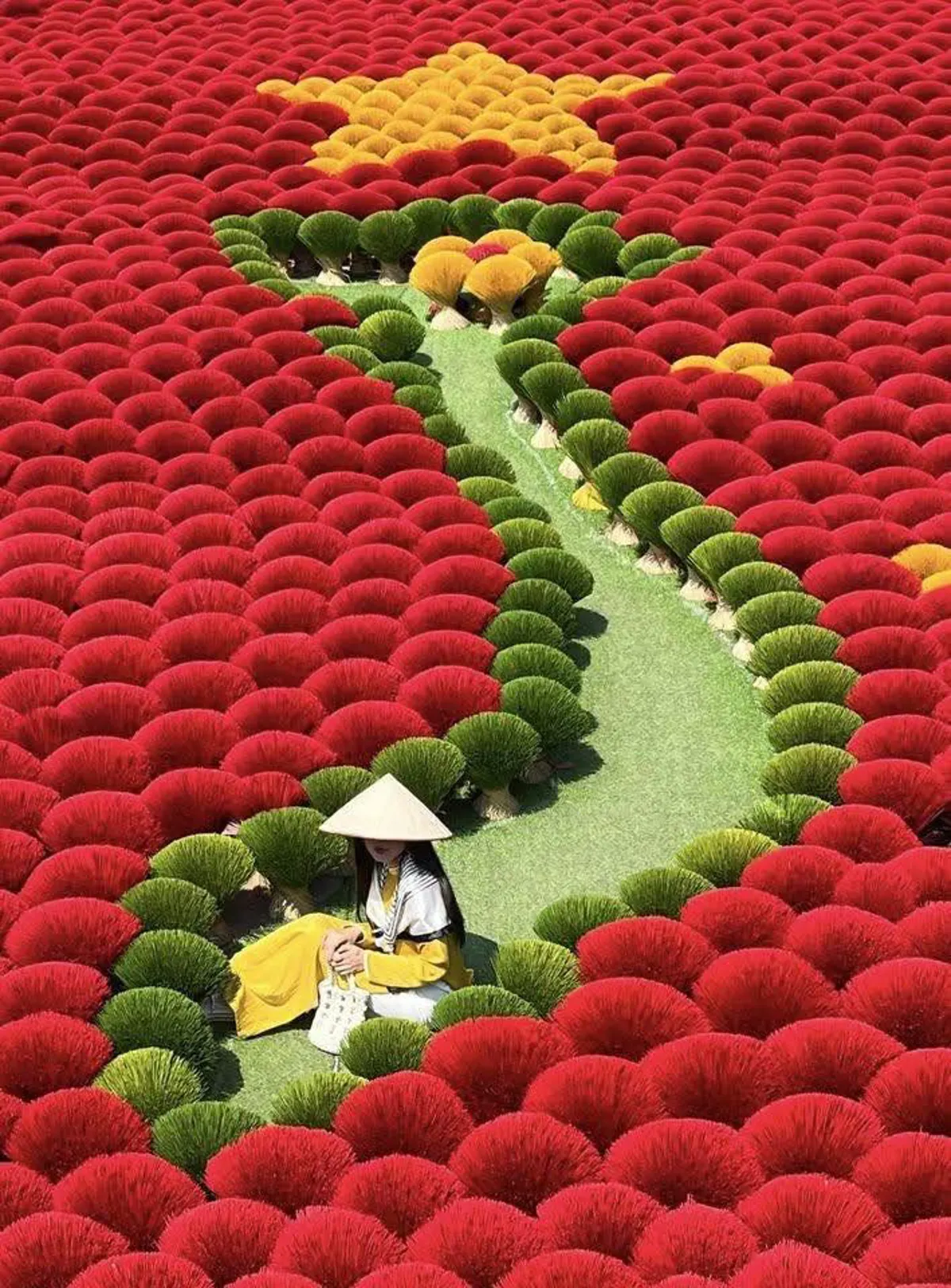
Vietnam presents an array of experiences for travelers, from ancient cultural sites and dynamic urban centers to tranquil natural landscapes and island retreats. This guide outlines the country's most significant destinations and activities, offering insights for planning an enriching and memorable visit across its diverse regions.
Iconic Natural Wonders of Vietnam
The country's geography offers several remarkable natural formations that draw visitors globally. One such area is Halong Bay, recognized as a UNESCO World Natural Heritage Site, known for its distinctive limestone formations rising from calm waters. Exploring this area often involves a cruise, allowing travelers to navigate among the islands and paddle through secluded grottoes and untouched areas. The vistas here are widely considered exceptional, making it a highly sought-after location.
Further north, Sapa attracts those interested in outdoor activities with its expansive terraced rice fields and Fansipan Peak, the highest point in Indochina. Travelers can undertake treks through dense forests and visit local communities like Ta Van and Cat Cat, interacting with various ethnic minority groups. An alternative to strenuous hiking is using the cable car to reach Fansipan's summit, which provides wide-ranging views of the mountains and valleys during the ascent and from the top. For more details on this ascent, consider experiencing Mount Fansipan's cable car.
Another notable natural feature is Tam Coc, frequently described as 'Halong Bay on Land' due to its similar limestone karst topography. Situated within the Trang An Landscape Complex, this location offers boat excursions along the Ngo Dong River, where passengers glide past towering karsts and cultivated rice fields. The journey typically includes visits to three caves: Hang Ca, Hang Hai, and Hang Ba, each displaying unique geological formations. The months of September and October are often recommended for visiting Ninh Binh, as the weather is generally favorable. The Phong Nha Caves, inscribed on the World Heritage List in 2003, are celebrated for their preserved natural state and historical importance. These caves feature an underground river and large dry chambers with impressive rock formations, including intricately shaped stalagmites and stalactites.
Historical Sites and Cultural Experiences
Vietnam's past is preserved in numerous locations, offering deep cultural insights. Hue, once an imperial capital, maintains a conservative cultural atmosphere along the Perfume River. The Imperial Citadel, a UNESCO World Heritage Site, displays grand architecture and extensive courtyards that recount the history of Vietnam's monarchy. Nearby, the elaborate tombs of Emperors Tu Duc and Khai Dinh are set within scenic landscapes, reflecting their respective legacies. For information on local services, a guide to healthcare facilities in Hue is available.
Hoi An Ancient Town hosts a Lantern Festival on the 14th day of each lunar month, transforming the area with countless illuminated lanterns placed along the Thu Bon River. During this event, visitors can join locals in releasing floating lanterns onto the Hoai Cau River, a practice believed to bring good fortune and honor ancestors. The Golden Bridge, located in Ba Na Hills near Da Nang, is an architectural marvel supported by two large stone hands, offering elevated views over the surrounding greenery. This structure has gained international recognition and is part of a larger complex that includes attractions like Fantasy Park and a French Village. My Son Sanctuary, a UNESCO World Cultural Heritage Site, comprises ancient Hindu temples that served as a significant religious center for the Champa Kingdom. With over 70 temples and inscriptions, it provides a window into this ancient civilization. Visiting early in the morning is suggested for milder temperatures and to observe the sunrise over the ruins. Travelers can also cycle to the sanctuary for an independent exploration.
The Cu Chi Tunnels, a historical site from the Vietnam War, represent the resilience and resourcefulness of Vietnamese soldiers. This extensive network of underground passages includes facilities such as hospitals, schools, and kitchens, demonstrating how people adapted to challenging wartime conditions. Visitors have the opportunity to crawl through sections of the tunnels to experience their narrow confines.
Dynamic Urban Centers and Relaxing Coastal Areas
Hanoi, the capital, offers a blend of historical depth and contemporary life. A cyclo ride through the Old Quarter provides an engaging way to observe daily activities, with the scents of street food and sounds of city life. Cultural experiences include visiting the Temple of Literature, an 11th-century site, and attending a Water Puppet Show, a traditional Vietnamese art form. Bat Trang Ceramic Village is also a place where visitors can learn about traditional pottery making. For unique items to take home, consider exploring essential souvenirs and unique purchases from a trip to Vietnam.
Ho Chi Minh City, a major economic hub, is characterized by its energetic atmosphere and cultural diversity. Historical landmarks like the Reunification Palace and the War Remnants Museum offer insights into the city's past. The markets and nightlife of Bui Vien Street provide a lively setting for social interaction and sampling local dishes. Quy Nhon, a coastal city in Binh Dinh province, offers a peaceful escape with beaches like Ky Co Beach, known for its white sands, and Hoang Hau Beach, which provides a quieter setting for relaxation and local seafood. Ancient Cham Towers in the region also highlight its historical significance. Phu Quoc, often called the 'Pearl Island,' is a tropical destination known for its clear waters and resorts. Activities include swimming at beaches such as Sao Beach, exploring the island by motorbike, or visiting a pepper farm to learn about local cultivation. As evening approaches, social venues offer opportunities to connect with other travelers.
Con Dao, an archipelago of 16 islands, is recognized for its clear, warm waters and healthy coral reefs, making it suitable for snorkeling and diving. Ong Dung Beach is particularly noted for its good visibility and calm conditions, appealing to both novice and experienced snorkelers. The area's diverse marine life includes colorful fish and sea turtles.
The Mekong Delta's Riverine Life
The Mekong Delta, often referred to as Vietnam's 'Rice Bowl,' offers a distinctive perspective on life centered around water. This region is defined by its complex system of rivers, canals, and streams, supporting floating homes, eateries, and markets. A visit to the Cai Rang Floating Market, especially in the early morning, is a key experience. Here, numerous boats display a variety of goods, and visitors can sample fresh tropical fruits like coconuts, pineapples, and mangoes. Taking a boat trip through the tranquil canals further enhances the cultural understanding of this unique waterway region.
Key Destinations and Their Main Attractions
Below is a summary of prominent destinations in Vietnam and their primary appeals:
| City/Region | Highlights |
|---|---|
| Hanoi | The capital city, noted for its historical depth, active street life, and architectural landmarks. |
| Halong Bay | A UNESCO World Heritage Site, celebrated for its limestone karsts and emerald waters. |
| Hoi An | A preserved Ancient Town featuring lantern-lit streets and historical architecture. |
| Ho Chi Minh City | Vietnam’s largest city, a dynamic center for commerce and culture. |
| Ninh Binh | Features captivating landscapes, rice paddies, and boat excursions through wetlands. |
| Sapa | Known for terraced rice fields, waterfalls, and diverse ethnic communities. |
| Mekong Delta | Characterized by active floating markets and a network of waterways amidst lush scenery. |
| Phu Quoc | A tropical island in the Gulf of Thailand, offering beaches and luxury accommodations. |
Planning Your Vietnam Adventure
When organizing a trip to Vietnam, travelers often consider whether to join a guided tour or explore independently. A guided tour can simplify logistics and planning, reducing the stress of arranging every detail. Conversely, independent travel offers greater flexibility to explore at one's own pace and customize the itinerary. The choice depends on individual preferences for structure versus freedom.
Transportation options within Vietnam are varied. For travel within cities, taxis, motorbikes, or bicycles are common. For longer distances between provinces, trains or buses are available. For reaching more distant destinations like Phu Quoc, Da Nang, or Nha Trang, flights are typically the most efficient method. For those considering longer journeys, information on overnight rail journeys in Vietnam can be helpful.
Frequently Asked Questions
When is the best time to visit Halong Bay?
The optimal time to visit Halong Bay is generally from March to May or from September to November. During these periods, the weather is typically dry with minimal rain and moderate temperatures, which is suitable for outdoor pursuits such as cruising, kayaking, and cave exploration. For those interested in coastal activities, discover Halong Bay's best beaches for relaxation.
Which locations are recommended for exploring Vietnam’s culture and history?
Vietnam provides several excellent destinations for those interested in culture and history. These include the Hue Imperial Citadel, with its palaces and temples reflecting the Nguyen Dynasty; the Cu Chi Tunnels in Ho Chi Minh City, which offer insights into the Vietnam War; and Hoi An Ancient Town, where visitors can experience traditional lifestyles and architecture dating back to the 15th century.
How can one experience the floating markets in the Mekong Delta?
To experience the riverine lifestyle of the Mekong Delta, joining a specific tour that includes a floating market visit is advisable. These tours often involve riding a sampan, providing opportunities to taste local specialties and fresh tropical fruits, and observe the daily life of local residents.
Where are the best places for snorkeling and seeing coral reefs in Vietnam?
Phu Quoc and Con Dao are recognized as prime locations in Vietnam for scuba diving and snorkeling. Both islands feature rich marine ecosystems with diverse coral formations and various types of marine life.
What are common transportation methods in Vietnam?
Travelers in Vietnam can select from several transportation options. Within urban areas, taxis, motorbikes, or bicycles are frequently used. For inter-provincial travel, trains or buses are available. Flights are the preferred choice for reaching distant destinations such as Phu Quoc, Da Nang, or Nha Trang.








