
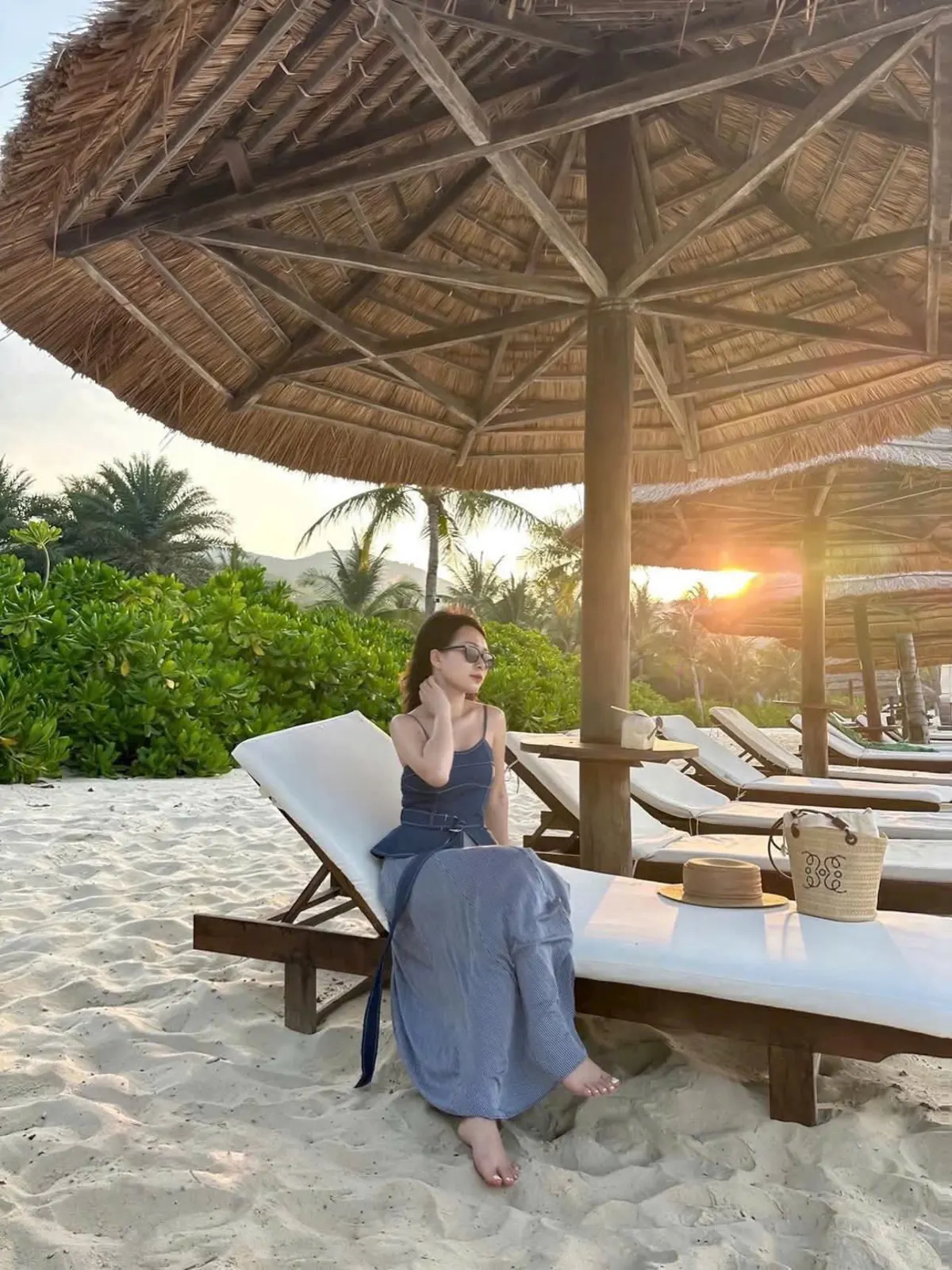
Hon Ong Island, commonly known as Whale Island, offers a serene natural retreat situated approximately 100 kilometers from Nha Trang in Vietnam's Van Phong Bay. This secluded destination appeals to those seeking a peaceful environment, opportunities for aquatic recreation, and a chance to connect with untouched coastal scenery. It serves as an ideal escape for travelers prioritizing tranquility over urban amenities.
The Unique Character of Hon Ong Island
Hon Ong Island, also recognized as Whale Island, spans about 40 hectares within Van Phong Bay, roughly 100 kilometers north of Nha Trang's coastal city. This landmass remains largely undeveloped, hosting only a single resort. Its isolated nature leads many to compare it to a "Robinson Crusoe" experience, offering a sense of profound solitude. The island gained international recognition in 2020 when Forbes Magazine included it among its top ten global diving locations. With an average temperature around 28°C, the waters surrounding Hon Ong are particularly noted for their diverse macro marine life, found among extensive soft coral formations, making it a prime spot for underwater exploration. For those planning a trip to the region, understanding medical care options can be a helpful part of preparation.
The island's name originates from a unique natural phenomenon: between April and July, during the breeding season for jellyfish and plankton, numerous whales congregate in these waters to feed. These marine mammals often approach the shore, providing a rare opportunity for fortunate visitors to observe them from the island. This seasonal gathering underscores the island's ecological significance and its connection to larger ocean life.
Accommodation at Whale Island Resort
The sole accommodation option on Hon Ong Island is the Whale Island Resort, established by a French-Vietnamese couple. This establishment features 31 bungalows, constructed in a traditional style using bamboo and thatched roofs. Each bungalow provides essential comforts, including beds equipped with mosquito nets, ceiling fans, and private bathrooms with showers. Notably, the accommodations do not include air conditioning, aligning with the resort's commitment to an eco-friendly and natural environment. The primary building materials—wood, bamboo, and leaves—ensure the resort integrates harmoniously with its surroundings.
Pricing for a stay at Whale Island Resort typically ranges from 45 USD to 80 USD, though these figures are subject to change based on the specific room type selected and the dates of travel. All guest services on the island, such as dining facilities, a bar, massage treatments, and arrangements for diving and snorkeling excursions, are managed directly by the resort. Guests are advised to confirm current rates and availability when planning their trip.
Reaching Hon Ong Island
Accessing Hon Ong Island requires first traveling to Dam Mon pier, from which the resort's boat provides the final segment of the journey. The boat transfer from Dam Mon to the island typically takes approximately 15 to 20 minutes. Several transportation methods are available to reach Dam Mon pier from Nha Trang:
| Transport Method | Description | Estimated Cost (Current as of source, verify) | Estimated Time |
|---|---|---|---|
| Motorbike Rental | Ideal for independent travelers. Rent a motorbike in Nha Trang City. Follow National Highway 1A North through Ninh Hoa and Van Gia for about 80km to the foot of Co Ma Pass, then turn right and continue for approximately 20 minutes to the pier. | 100,000 – 150,000 VND for 24 hours | Approximately 2 hours (80km + 20 mins drive) |
| Public Bus Service | Take the Nha Trang – Van Gia bus to Van Gia station (approx. 68km, 2 hours). Transfer to the Nha Trang – Dai Lanh bus and alight at Co Ma junction. From there, hire a taxi or motorbike taxi to Dam Mon pier. | Approximately 40,000 VND for two bus segments | Approximately 2 hours for bus travel, plus transfer time |
| Resort Shuttle Bus | Whale Island Resort offers shuttle services from Nha Trang City center or Cam Ranh International Airport to Dam Mon pier. This service must be requested when making room reservations. | ~20 USD one-way from Nha Trang City center; ~25 USD one-way from Cam Ranh Airport (Verify current rates with resort) | Shuttle typically departs at 11:00 AM and 1:15 PM (Verify current schedule with resort) |
| Private Car Hire | The most comfortable and private option. A driver will collect guests directly from Cam Ranh International Airport or their hotel in Nha Trang City and transport them to Dam Mon. This allows for flexible stops for breaks or photography along the route. | Cost not specified in source, inquire with local providers | Flexible, direct travel |
The route to Dam Mon pier, particularly when traveling by motorbike or private car, offers scenic views of white sand dunes and the expanse of the sea. For travelers considering longer overnight train journeys across Vietnam, separate planning resources are available.
Optimal Times for a Visit
The climate on Hon Ong Island generally remains mild and pleasant throughout the year. However, the period from March to August is widely considered the most favorable time to plan a trip. During these months, the weather is typically warm, sunny, and dry, with calm and clear sea conditions. This makes it an ideal season for participating in various aquatic activities, including snorkeling and diving.
Conversely, the months between September and December mark the rainy season for Nha Trang and Hon Ong Island. During this time, visitors can expect cloudy skies and frequent rainfall, which can reduce water clarity. Additionally, tropical storms may occur, leading to rough sea conditions and large waves. In such instances, boat operations to and from the island may be suspended for safety reasons, potentially disrupting travel plans. Travelers should factor these seasonal variations into their planning.
Activities and Exploration on Hon Ong Island
Despite its modest size and undeveloped character, Hon Ong Island provides a range of engaging activities for those who appreciate nature and seek a peaceful escape. Visitors can choose to participate in organized excursions or simply relax amidst the island's untouched scenery.
Kayaking
Exploring the waters around Hon Ong Island by kayak offers a unique perspective. A two-seater kayak can be rented for 100,000 VND for a two-hour period. This allows individuals to paddle along the coastline, enjoying the tranquility of the island and potentially witnessing sunrises or sunsets over the water.
Snorkeling and Scuba Diving
Hon Ong Island is particularly renowned for its underwater environment. As noted by Forbes Magazine in 2020, it was ranked among the top ten diving destinations globally, making underwater exploration a highly recommended activity here. For snorkeling, a complete set of equipment, including a breathing tube, diving goggles, and two flippers, can be rented for 60,000 VND. The calm and clear waters facilitate easy viewing of marine life. The island is suitable for both novice and experienced divers, offering safe and straightforward shore dives to depths of up to 15 meters. Divers can observe a variety of marine creatures, such as seahorses, cuttlefish, sea snails, crabs, shrimp, and stingrays. For those interested in formal instruction, Rainbow Diving Center on the island provides PADI courses, with pick-up services to dive sites and professional instructors available.
Trekking Through the Island's Interior
Beyond aquatic pursuits, the island's interior offers opportunities for trekking, allowing visitors to experience the rich diversity of its forest flora and fauna. The island's unique ecological zone is a protected habitat for numerous rare bird species, including woodcocks, plovers, Indian pewits, white eagles, pink-necked parrots, and white-legged storks. Before embarking on a trek, it is advisable to prepare with long-sleeved clothing, appropriate walking shoes, a water bottle, and mosquito repellent. Trekking maps are available from the resort's reception. The island features three established routes:
- Yellow Trail: Approximately 15 minutes
- Blue Trail: Approximately 20 minutes
- Red & White Trail: Approximately 1.5 to 2 hours
These trails provide pathways around the island, allowing participants to appreciate the natural landscapes and capture memorable photographs.
Hon Ong Island is best suited for individuals who prioritize a genuine connection with nature, seeking complete relaxation in an unspoiled setting away from the demands of urban life. When traveling throughout Vietnam, a diverse array of local products and traditional crafts can be found. Visitors should not anticipate luxury accommodations or five-star services, as the island's focus is on an eco-conscious and natural experience. It offers opportunities to admire both above-water and underwater scenery and to find peace in its quiet atmosphere.
Frequently Asked Questions
What is Hon Ong Island known for?
Hon Ong Island, also known as Whale Island, is recognized for its untouched natural environment, calm clear waters, and opportunities for snorkeling and diving. It is also notable for the seasonal gathering of whales that come to feed in its bay between April and July.
How do I travel to Hon Ong Island?
To reach Hon Ong Island, you must first travel to Dam Mon pier, which is approximately 100 kilometers from Nha Trang. From Dam Mon, the Whale Island Resort operates a boat transfer that takes about 15-20 minutes to reach the island. Options to Dam Mon include motorbike rental, public bus, the resort's shuttle service, or a private car hire.
Is there more than one place to stay on Hon Ong Island?
No, Hon Ong Island features only one accommodation option: Whale Island Resort. This resort provides 31 traditional-style bungalows and manages all guest services on the island, including dining, activities, and amenities.
What activities are available on Hon Ong Island?
Visitors to Hon Ong Island can engage in various activities such as kayaking, snorkeling, and scuba diving in its clear waters. The island also offers trekking routes through its interior forest, providing opportunities to observe local flora and rare bird species.
When is the most suitable time to visit Hon Ong Island?
The optimal time to visit Hon Ong Island is from March to August. During these months, the weather is typically warm, sunny, and dry, with calm and clear sea conditions, which are ideal for water-based activities. The rainy season, from September to December, can bring storms and rough seas, potentially affecting travel and activities.








