
Visitors to Halong Bay often seek distinctive items to commemorate their trip or share with others. This guide provides an overview of unique local products and traditional crafts available, ranging from regional culinary specialties to exquisite handcrafted artworks. Understanding what to look for and where to purchase it can enhance your experience, ensuring you acquire authentic mementos from this renowned Vietnamese destination.
Distinctive Local Products from Halong Bay
This section will detail each product, its characteristics, and approximate pricing.
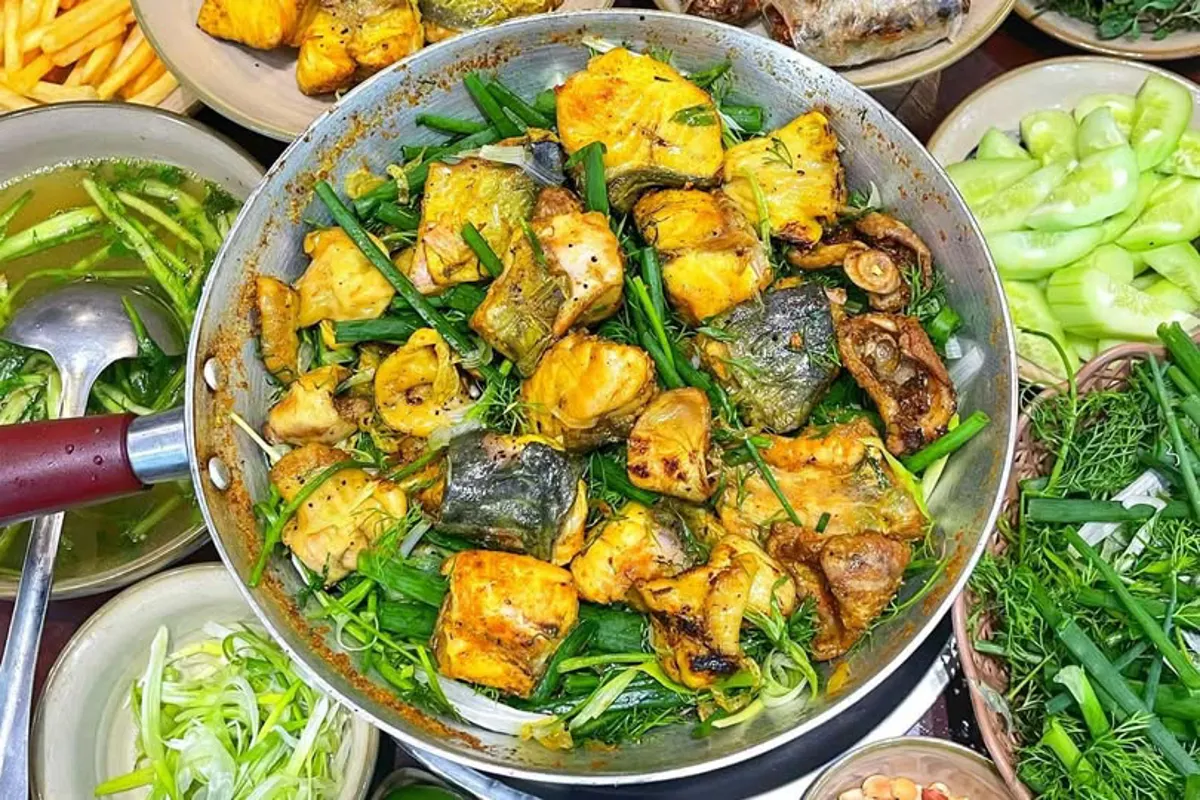
Squid Paste (Chả Mực)
Halong Bay's squid paste is recognized for its appealing golden hue and rich oceanic flavor. Prepared to achieve a crispy texture, it delivers a complex taste profile that combines savory, sweet, and occasionally spicy notes. Local residents often attribute its superior quality to squid sourced from the bay's highly saline waters, which are believed to yield sweeter, chewier meat compared to squid from other coastal areas. This specific characteristic contributes to the paste's reputation as a regional delicacy.
| Brand & Contact | Approximate Price (Per Kg, USD) |
|---|---|
| Thoan Ha Long (02033627219) | $16.5 - $22.7 |
| Dasavina (0962083232) | $14 - $20.2 |
| Ong Ba (0947211899) | $15.7 - $17.3 |
| Hoai Phuong (0988891050) | $13.6 - $18.5 |
| Hien Nhung Ha Long (020.3350.5799) | $16.9 - $18.5 |
Note: Prices are approximate and subject to change. Contact vendors directly for current information.
Dried Seafood
Halong Bay offers a variety of dried seafood products, popular for their concentrated flavors and extended shelf life. These items represent a significant part of the local culinary tradition.
- Dried Sipunculus Nudus (Sa Sùng Khô): This marine delicacy is highly valued and commands a considerable price due to its nutritional density. It offers a distinctively sweet and salty taste, capturing the essence of the sea. Sipunculus nudus contains high levels of amino acids like glycine, alanine, glutamine, taurine, and various beneficial minerals, making it sought after for both its taste and health properties. Prices typically range from US $82.4 to $103 per kilogram, with premium selections potentially reaching US $206.1.
- Dried Squid (Mực Khô): A staple of Vietnamese cuisine, dried squid from Halong is prepared from freshly caught squid. After cleaning, the squid is sun-dried or mechanically dried until firm. Halong's dried squid is known for its appealing combination of robust flavors, balanced with the natural sweetness and saltiness of the ocean. The drying process results in a slightly crisp exterior and a tender, chewy interior.
| Dried Squid Size | Approximate Price (Per Kg, USD) |
|---|---|
| 28cm - 33cm | Around $45.3 |
| 18cm - 23cm | Around $43.2 |
| 15cm - 17cm | Around $39.5 |
| 10cm - 14cm | Around $28 |
Note: Prices are approximate and subject to change.
Halong Pearl
Pearls from Halong Bay are recognized for their high purity, substantial nacre layers, and a range of natural colors including gold, lapis lazuli, cherry pink, and aqua gray. Beyond being a valuable commodity, these pearls symbolize the region's natural splendor and unique cultural heritage. Artisans craft diverse and intricate jewelry pieces such as necklaces, bracelets, rings, and earrings from these lustrous gems. Additionally, skilled craftspeople utilize oyster shells to create distinctive jewelry and other souvenirs.
| Pearl Type | Approximate Price (Per One, USD) |
|---|---|
| Tahiti Pearl | Around $123.8 |
| South Sea Pearl | Around $115.5 |
| Akoya Pearl | Around $103.1 |
Note: Prices are approximate and subject to change. It is generally advised to avoid purchasing pearls from vendors on ships or in highly tourist-frequented areas, as prices may be inflated, and authenticity can be difficult to verify. Always check carefully to ensure genuine products.
Seashell Accessories
With its abundant marine life, Halong Bay provides a rich source of materials for handcrafted souvenirs made from various snail and seashell remnants. Local artisans transform these natural elements into decorative and functional items, including wind chimes, bracelets, necklaces, and beads. These items serve as thoughtful gifts for friends and family, with prices typically ranging from US $0.8 to $16.5.
Alcoholic Beverages
Halong Bay's culinary offerings extend beyond food to include notable local alcoholic specialties.
- Hoanh Bo Soaked Rice Wine (Rượu Hoành Bồ): This rice wine is a regional product made by local inhabitants using premium sticky rice cultivated in the area. After cooking, the sticky rice undergoes an incubation period, allowing it to ferment with yeast derived from leaves found in the Hoanh Bo forest. This process results in a distinctively flavored wine, making it a popular choice for gifts. Prices generally range from US $3.1 to $3.8 per liter.
- Morinda Officinalis Wine (Rượu Ba Kích): This wine is produced by soaking tubers of the Morinda officinalis plant, which grows abundantly in Quang Ninh province. The color of the finished wine varies depending on whether white or purple roots are used. It is characterized by a rich flavor, the specific aroma of the purple tubers, and the spicy notes of rice wine made with local yeast. This combination creates the unique profile of Halong's Morinda officinalis wine. It is also believed to offer various health benefits, particularly for men. Prices typically range from US $3.3 to $6.2 per liter.
Vietnamese Rice Grain Painting
Rice grain painting is a traditional art form where skilled artisans meticulously arrange and combine individual rice grains to create detailed images. This creative medium allows for the depiction of diverse subjects, including portraits, architectural scenes, and landscapes. Each painting reflects the careful craftsmanship and artistic vision of its creator. The process involves selecting and sorting rice grains by color and size, transforming them into a textured and visually engaging artwork. Prices for these paintings can range from US $8.2 to $82, depending on complexity and size. For those interested in acquiring unique purchases and essential souvenirs from a trip to Vietnam, these paintings offer a truly local artistic expression.
Handicraft Coal Statues
Crafted from coal, these statues are distinctive artworks that highlight the skill and creativity of Halong's local artisans. Featuring intricate details and the inherent qualities of the coal material, these pieces are artistic expressions unique to the region. Quang Ninh coal handicrafts come in various designs, such as Buddha figures, miniature Halong Bay scenes, and the 12 zodiac animals. These items are suitable for display in various settings or as meaningful gifts and keepsakes. Small products typically cost between US $5 and $6.2, while more elaborate creations can exceed US $420.
Where to Find Authentic Goods in Halong City
Finding the right place to shop is crucial for acquiring genuine local products. Halong City offers several markets and specialized stores.
- Halong Seafood Night Market
- Address: Hoang Quoc Viet Street, Bai Chay Ward, Halong City
- Operating Hours (Current as of 2024): Fridays, Saturdays, and Sundays, from 17:00 to 23:00.
This market features 335 stalls offering a range of products, including food, souvenirs, apparel, and local specialties. Designed with durable concrete stalls, electric fans, lighting, and ample parking, it provides a lively shopping atmosphere. Visitors will encounter bright displays and a wide selection of items, particularly intricate handicrafts that demonstrate local artistry.
- Cai Dam Market
- Address: Tien Ong Street, Bai Chay Ward, Halong City
- Operating Hours (Current as of 2024): Daily, from 07:00 to 18:00.
A modern, six-story market with over 750 permanent vendor spaces. Each floor is designated for different product categories. The ground floor sells agricultural products, food items, and fresh seafood. The first floor offers fashion, footwear, cosmetics, pharmaceuticals, stationery, and general merchandise. The second floor provides electronics, jewelry, souvenirs, and wooden furniture, with other general services on the remaining levels. For those exploring the area, understanding banking services in Halong City can be useful for managing purchases.
- Halong Market 1
- Address: Bach Dang Street, Halong City
- Operating Hours (Current as of 2024): Daily, from 06:00 to 18:30.
This large market includes both indoor and outdoor sections. The outdoor area is primarily for fresh seafood sales. Inside, a four-story building houses numerous stalls. The first and second floors are dedicated to handicrafts and souvenirs, while the upper floors offer clothing and shoes for various age groups. Products here are generally considered fashionable and reasonably priced.
- Halong Market 2
- Address: 433 Le Loi, Tran Hung Dao, Halong City
- Operating Hours (Current as of 2024): Daily, from 08:00 to 17:00.
The indoor section of this market spans two floors, stocking a variety of goods from clothing, shoes, and household items to souvenirs. Items sold here are noted for their appealing designs and consistent quality. The outdoor area specializes in fresh seafood and is particularly known for dried foods such as dried squid, dried shrimp, and dried fish.
- Specific Retailers for Pearls, Seashells, Alcohol, Coal Statues:
- Pearl Shops:
- Halong Pearl: Halong Vincom Center, Halong City
- Legend Pearl: Dai Yen Commune, Halong City
- SJC Pearl: Cam Pha Vincom Center, Cam Pha City
- Seashell Accessories:
- Hoang Phat Trade Center: 187 Nguyen Van Cu, Halong City
- Thanh Nien Mart: Bai Chay Post Office Junction, Halong City
- Ha Long Supermarket: Le Thanh Tong Street, Halong City
- Hoanh Bo Soaked Rice Wine: Halong Market 2
- Morinda Officinalis Wine:
- OCOP Halong: Supermarket Go!, Nguyen Van Cu Street, Halong City
- Vietnamese Traditional Drinks: Sunworld Ancient Town, Bai Chay Ward, Halong City
- Morinda Officinalis Quang Ninh: Area 5, Ha Tu Ward, Halong City
- Vietnamese Rice Grain Painting: Cai Dam Market or Halong Market 1
- Handicraft Coal Statues:
- Artist Quyet's House: Hong Ha Ward, Halong City
- Cute Coal: Area 4, Hong Gai Ward, Halong City
- Pearl Shops:
Practical Advice for Shopping in Halong Bay Markets
To make your shopping experience efficient and enjoyable, consider these tips.
- Before Your Visit:
- Research Prices: It is advisable to research the typical price range for items you intend to buy. This knowledge helps prevent overpaying and ensures you receive fair value.
- Morning Visits: Planning your market visit for the early morning hours can be beneficial. This timing often means a wider selection of goods is available, and you can explore more comfortably before larger crowds arrive later in the day.
- Comfortable Footwear: Markets in Halong can be extensive and may have uneven surfaces. Wearing comfortable sports shoes will facilitate easy movement and a more pleasant experience as you navigate the stalls.
- During Your Shopping Trip:
- Quality Inspection: Carefully examine the quality of items, especially handcrafted products. Engage with vendors, ask about the item's origin, and confirm your satisfaction with the workmanship before finalizing a purchase.
- Personal Security: Markets can become crowded, which may present opportunities for petty theft. Maintain awareness of your belongings, consider using anti-theft bags like crossbody styles, and avoid openly displaying valuable items to minimize risk. While exploring the shopping areas, you might also consider taking some time to discover Halong Bay's best beaches for relaxation after your purchases.
Frequently Asked Questions
What are the most popular souvenirs to buy in Halong Bay?
Some of the most sought-after souvenirs include local seafood products like squid paste and dried squid, exquisite Halong pearls, handcrafted items made from seashells, traditional Vietnamese rice grain paintings, and unique statues carved from coal. Local rice wines also make popular gifts.
Is it safe to buy pearls in Halong Bay?
Yes, it is possible to buy genuine pearls, but caution is advised. Experts recommend purchasing from established shops in city centers rather than from vendors on tourist boats or in highly frequented tourist zones, where prices might be inflated or authenticity questionable. Always inspect items carefully.
What is the typical price range for souvenirs in Halong Bay?
Prices vary significantly depending on the item. Small seashell accessories might cost less than a dollar, while a kilogram of dried seafood can range from tens to hundreds of US dollars. Pearl jewelry and sophisticated coal statues can be considerably more expensive, reaching hundreds of dollars for premium pieces. It's advisable to research specific item prices beforehand.
Are there any specific markets recommended for shopping?
Halong City offers several notable markets. The Halong Seafood Night Market is popular for food and souvenirs on weekends. Cai Dam Market, Halong Market 1, and Halong Market 2 are larger markets offering a wide array of goods, from fresh produce and seafood to clothing, electronics, and handicrafts. Each market has different specialties across its floors.
What local food items can I buy to take home?
Popular edible souvenirs include Halong squid paste, various dried seafood like dried sipunculus nudus and dried squid, and local alcoholic beverages such as Hoanh Bo soaked rice wine and Morinda officinalis wine. These items offer a taste of the region's culinary heritage.








