
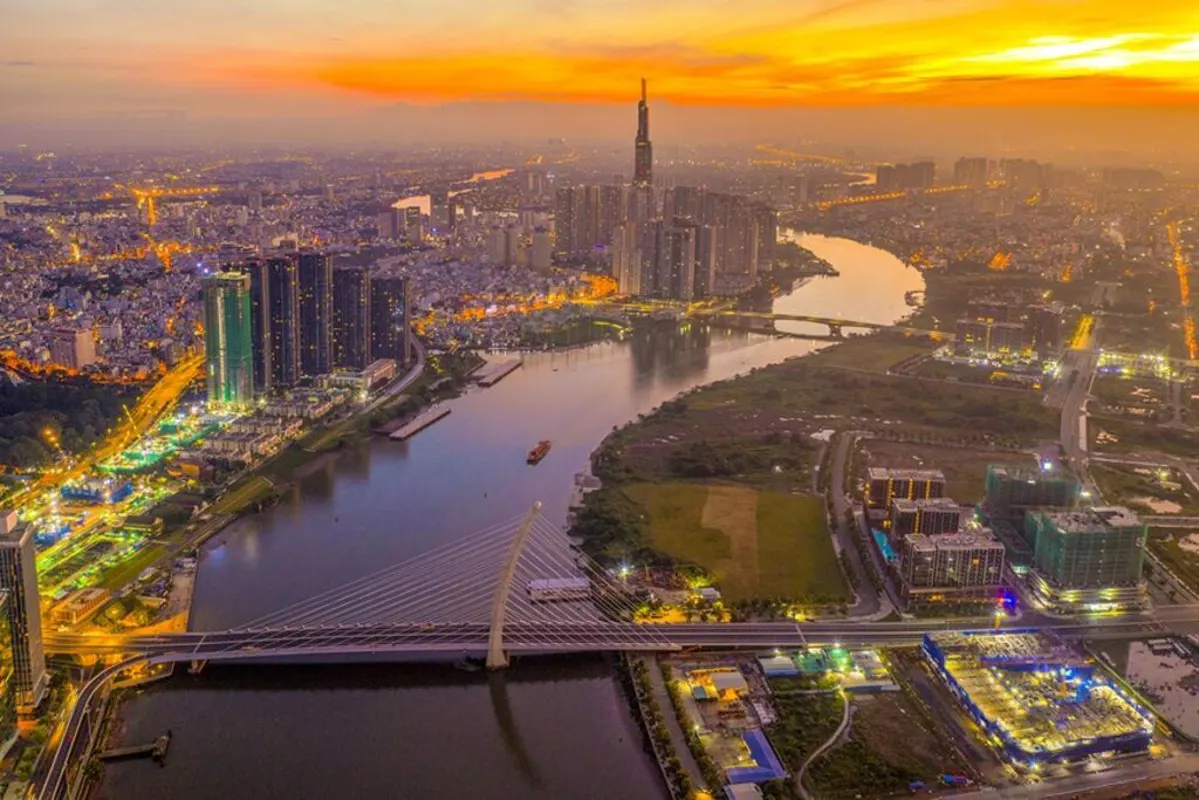
Ho Chi Minh City, often referred to as Saigon, presents a wide array of international culinary experiences, with Thai cuisine holding a significant place. Numerous Thai restaurants have established themselves over the years, consistently serving patrons with dishes that reflect the authentic tastes and aesthetic appeal of Thailand. For those eager to explore the distinctive flavors of Thai cooking within Vietnam's southern metropolis, a variety of establishments are available to satisfy diverse palates.
Exploring Thai Flavors in Ho Chi Minh City
The culinary landscape of Ho Chi Minh City is remarkably varied, and Thai food has become a prominent feature. The city's Thai eateries range from casual bistros to more upscale dining rooms, each contributing to the rich gastronomic fabric. Many of these venues pride themselves on using traditional recipes and fresh ingredients, aiming to replicate the genuine experience of dining in Thailand. This commitment to authenticity ensures that visitors can enjoy classic dishes prepared with care and expertise.
The popularity of Thai cuisine in Ho Chi Minh City can be attributed to its balance of sweet, sour, salty, and spicy elements, which resonate well with local tastes while also attracting international visitors. Whether seeking a quick lunch or a leisurely dinner, the city provides ample opportunities to savor everything from aromatic curries to refreshing salads and stir-fried specialties. The presence of such a wide selection underscores the city's status as a regional food destination.
Recommended Thai Dining Establishments in Ho Chi Minh City
For those seeking specific recommendations, Ho Chi Minh City hosts a collection of well-regarded Thai restaurants. Each offers a distinct atmosphere and menu, from casual settings ideal for friends to more refined spaces suitable for business meetings or family gatherings. Below is a detailed overview of some notable options, including their addresses, operating hours, and approximate price ranges, which are subject to change and should be verified by patrons.
| Restaurant Name | Address | Operating Hours | Price Range (USD) | Key Features |
|---|---|---|---|---|
| Tuk Tuk Thai Bistro | 38 Ly Tu Trong, Ben Nghe Ward, District 1 | 10:00 am - 10:30 pm | $4.40 - $13.19 | Original Thai food, cozy bistro style, suitable for families. |
| Son Tum Thai | 5th floor, L5 - 18, Saigon Centre, 65 Le Loi, Ben Nghe Ward, District 1 | 10:00 am - 10:00 pm | $3.53 - $22.05 | Bistro dining, diverse menu, professional service. |
| Son Tum Der | 136 Pasteur, Ben Nghe Ward, District 1 | 9:00 am - 9:00 pm | $1.32 - $8.82 | Authentic Isan flavors, tapas portions, cultural ambiance. |
| The Racha Room | 12 - 14 Mac Thi Buoi, Ben Nghe Ward, District 1 | 5:00 pm - 10:00 pm | $2.21 - $8.82 | Fusion Thai cuisine, exclusive cocktail bar, royal theme. |
| Mays Urban Thai Dine | 15 Nguyen U Di, Thao Dien Ward, District 2 | 11:00 am - 10:00 pm | $3.31 - $15.88 | High-standard, elegant dining space, professional service. |
| Golden Elephant Restaurant | 24 Hai Ba Trung, Ben Nghe Ward, District 1 | 11:00 am - 2:00 pm; 5:00 pm - 10:00 pm | $6.62 - $13.23 | Classic Thai dishes, weekend buffets, Thai-inspired interior. |
| Spice Temple Restaurant | 81 Mac Thi Buoi, Ben Nghe Ward, District 1 | 10:00 am - 10:30 pm | $2.43 - $8.16 | Traditional Thai spices, well-decorated bistro setting. |
| Anh Tukk | 1st floor, 74/7 Hai Ba Trung, Ben Nghe Ward, District 1 | 11:00 am - 10:00 pm | $6.62 - $11.03 | Spicy curries, seafood hotpot, modern classic decor. |
| Lac Thai | 74/2 Mac Thi Buoi, Ben Nghe Ward, District 1 | 10:00 am - 9:00 pm | $6.62 - $14.56 | Famous chain, original Thai taste, clean and airy space. |
| Naka Thai | 1st floor, Mplaza, 39 Le Duan, Ben Nghe Ward, District 1 | 11:00 am - 9:00 pm | $1.32 - $22.06 | Popular with locals, elegant wooden decor, diverse menu. |
| Coriander Thai Cuisine | 16 Bui Vien, Pham Ngu Lao Ward, District 1 | 9:30 am - 2:00 pm; 5:00 pm - 10:00 pm | $5.29 - $14.56 | Located on Bui Vien walking street, offers classic Thai dishes. |
| Thai Street | 32 Tran Ngoc Dien, District 2 | 11:00 am - 10:30 pm | $3.09 - $5.29 | Bangkok street vibe, outdoor dining, large and airy area. |
Individual Restaurant Highlights
Tuk Tuk Thai Bistro is frequently mentioned for its authentic Thai preparations. Diners can select from various dishes, including Thai dumplings, fried fish cake with sweet and sour chili sauce, spicy octopus, and grilled chicken. The ingredients are reported to be fresh, and the food prepared by experienced chefs. Its inviting bistro atmosphere makes it suitable for family meals and smaller gatherings for both lunch and dinner.
Son Tum Thai, situated within Saigon Centre, offers a bistro-style setting with a broad selection of Thai dishes. Patrons can enjoy a comfortable meal and savor genuine Thai flavors, with popular items like papaya salad, Krapi rice, and pad Thai available. The service is noted for its professionalism and hospitality, contributing to a positive dining experience, particularly for small groups of two or three.
Son Tum Der focuses on the distinctive flavors of Isan, a region in Thailand. The menu features typical Thai dishes such as Pad Thai, Tom Yum, Green Chicken Curry, and Papaya salad, prepared using what are believed to be authentic local recipes. The restaurant offers a diverse menu with smaller, 'tapas'-style portions, allowing guests to sample multiple dishes. Its comfortable environment is designed to evoke an Isan-style meal, where shared dishes create a balanced and communal dining experience, suitable for family or friend gatherings.
For those seeking a unique Thai culinary approach, The Racha Room provides fusion Thai cuisine. Dishes like Pork ribs Curry and Seafood Tom-yum soup are presented with a creative twist. The name 'Racha', meaning 'royal', reflects the establishment's aim to deliver a superior dining experience through high-quality ingredients and attentive service. The executive chef's extensive background in Southeast Asian cuisine contributes to a distinctive menu. An additional feature is an exclusive cocktail bar, serving cocktails crafted from house-aged spirits.
Mays Urban Thai Dine is recognized as a high-standard Thai restaurant in District 2. It attracts many patrons with its refined dining space, flavorful Thai dishes, and efficient service. Recommended dishes include chicken green curry, tom yum soup, and pineapple fried rice. The decor is described as elegant and comfortable, complemented by friendly staff, making it a pleasant choice for lunch or dinner with friends and family.
Golden Elephant Restaurant is known for serving classic Thai dishes, including traditional hot pots, soups, and rice. Weekend buffets are also available. The food is generally described as fresh, clean, and delicious. The interior design, which draws inspiration from Thai cities like Chiang Mai, Bangkok, Bothong District in Chonburi Province, and Pattaya City, aims to create an immersive atmosphere. With a capacity for up to 120 diners, it accommodates families and small parties. This restaurant has two locations, one on Hai Ba Trung Street in District 1 and another on Tran Quoc Hoan Street in Tan Binh District, though hours and pricing are provided for the District 1 location.
At Spice Temple Restaurant, the cuisine emphasizes the harmonious blend of various traditional Thai spices. Popular dishes include prawns on toast, Thai fish cake, and fried soft shell crabs, all offered at reasonable prices. The dining area is well-appointed, with a luxurious bistro feel, making it suitable for family gatherings and social outings for both lunch and dinner.
Anh Tukk specializes in Thai cuisine and is well-regarded by local residents for its flavorful dishes prepared by professional chefs. The spicy curry is often highlighted for its robust taste, while the seafood hotpot is noted for its sweet broth and tender seafood. The restaurant's dining space is considered visually appealing, featuring a clean, bright, and airy environment with a blend of classic and modern decor, suitable for business appointments, family meals, and social gatherings.
Lac Thai is a recognized Thai restaurant chain in Ho Chi Minh City. Patrons can enjoy a variety of traditional Thai dishes, such as Thai seafood salad, grilled beef salad, Thai hotpot, and roasted duck with red curry. The dishes are prepared in an authentic Thai style, delivering original flavors. The dining area is clean, bright, and spacious, accommodating families and groups. While food delivery is an option, dining at the restaurant is suggested to maintain food quality.
Naka Thai is a popular choice among locals for Thai dining. Upon arrival, visitors often notice the elegant dining space, adorned with wooden furnishings, lighting, and distinct art pieces. The menu features a wide selection of traditional Thai dishes, including Thai sour soup, stir-fried clams, sweet and sour stir-fried chicken, seafood salad, and fried rice, all prepared by skilled chefs. Its appealing interior and flavorful food make Naka Thai a noteworthy option for lunch or dinner.
Coriander Thai Cuisine, also known as “Ngò rí,” is a well-known Thai restaurant situated on the lively Bui Vien walking street. This location makes it convenient for those interested in both Thai food and experiencing Ho Chi Minh City's nightlife. The menu offers a range of Thai dishes, with sticky rice with mango, Tomyum soup, deep-fried fish salad, and Pad Thai being popular choices, all noted for their enjoyable flavors.
Drawing inspiration from Bangkok's street food culture, Thai Street aims to replicate the experience of dining outdoors in Thailand. Recommended dishes include chicken or pork satay, pad Thai, stir-fried chicken with cashew nuts, and Tomyum soup. To complement the meal, Thai milk tea and mango sticky rice for dessert are available. The outdoor dining setup provides a comfortable and spacious environment, making it suitable for family gatherings and social outings. For travelers managing their finances in the city, understanding banking services in Ho Chi Minh City can be quite helpful.
Understanding Thai Flavors and Dining Styles
Thai cuisine is celebrated globally for its complex flavor profiles, balancing sweet, sour, salty, bitter, and spicy elements. Key ingredients like lemongrass, galangal, kaffir lime leaves, chili, and fish sauce are fundamental to many dishes. Visitors to Ho Chi Minh City's Thai restaurants can expect to encounter a range of these traditional flavors.
Common dishes found on menus include Pad Thai, a stir-fried noodle dish; Tom Yum, a hot and sour soup often with shrimp; and various curries such as Green Curry, Red Curry, and Massaman Curry, typically made with coconut milk. Papaya salad (Som Tum) offers a refreshing, spicy, and tangy option, particularly popular in the Isan region of Thailand, which some restaurants in Saigon specialize in. Dining in Thai culture often involves sharing multiple dishes among the group, allowing everyone to sample a wider variety of tastes and textures. This communal style of eating enhances the overall experience.
Tips for Enjoying Thai Food in Saigon
When dining at Thai restaurants in Ho Chi Minh City, a few practical considerations can enhance your experience. Firstly, be mindful of spice levels; authentic Thai food can be quite piquant. If you are sensitive to spice, it's advisable to inquire about the heat level of a dish before ordering. Many establishments can adjust the spice to suit individual preferences.
Secondly, consider trying a variety of dishes. Thai meals are often designed for sharing, allowing diners to experience a broader spectrum of flavors. Ordering a mix of curries, salads, stir-fries, and soups can provide a comprehensive taste of the cuisine. Finally, while many restaurants accept card payments, it's always wise to carry some local currency, Vietnamese Dong (VND), especially for smaller establishments or for tipping. Exploring the diverse culinary offerings is a highlight of any trip to Southeast Asia, much like discovering the unique food scene in Phnom Penh.
Frequently Asked Questions
What types of Thai food are common in Ho Chi Minh City?
Ho Chi Minh City's Thai restaurants typically offer a wide range of classic Thai dishes, including Pad Thai, Tom Yum soup, various curries (green, red), papaya salad, and stir-fried dishes. Some establishments also specialize in regional Thai cuisine, such as Isan dishes.
Are Thai restaurants in Saigon suitable for families?
Many Thai restaurants in Ho Chi Minh City are well-suited for families, offering comfortable dining spaces and diverse menus that can cater to different tastes. Several establishments mentioned, such as Tuk Tuk Thai Bistro, Son Tum Der, Golden Elephant Restaurant, and Thai Street, are specifically noted as being appropriate for family gatherings.
What is the typical price range for Thai dining in Ho Chi Minh City?
The price range for Thai dining in Ho Chi Minh City varies significantly depending on the establishment, from budget-friendly options starting around $1-$3 USD per dish to more upscale experiences where main courses might cost $15-$20 USD or more. The table above provides specific price ranges for individual restaurants.
Do Thai restaurants in Ho Chi Minh City offer vegetarian options?
While not explicitly stated for every restaurant in the source material, most Thai restaurants are generally accommodating and can prepare many dishes with vegetarian alternatives, often substituting meat with tofu or additional vegetables. It is always best to inquire directly with the staff upon arrival.
How authentic is Thai food in Ho Chi Minh City?
Many Thai restaurants in Ho Chi Minh City strive for authenticity, employing professional chefs and using traditional recipes and ingredients to replicate genuine Thai flavors. Patrons often report a high level of authenticity, especially at establishments that have been operating for many years and are popular with both locals and expatriates.








