
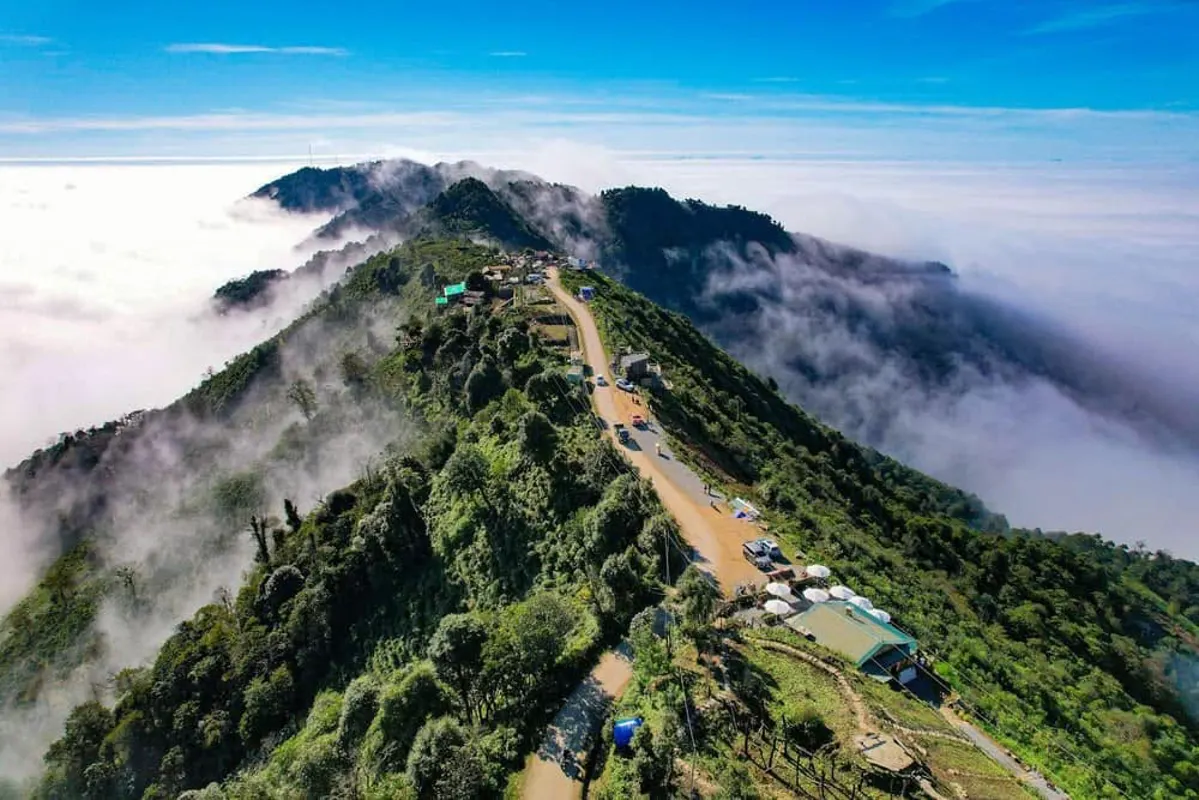
February in Sapa, Vietnam, marks a transition period from the depths of winter towards the onset of spring. This month offers a distinct experience characterized by cool temperatures and a frequently misty landscape, appealing to those who appreciate a tranquil atmosphere. Travelers planning a visit during this time should prepare for chilly conditions and the potential for ethereal fog, which lends a unique charm to the northern Vietnamese highlands.
Understanding Sapa's February Climate
Sapa's weather in February is typically cool, with temperatures gradually shifting as the month progresses. Mornings and evenings are particularly cold, and mist often envelops the terrain. Understanding these climatic details is key for proper trip preparation.
Daytime temperatures in Sapa during February generally range from 10°C to 15°C, providing a crisp environment suitable for outdoor walks and enjoying local cafes. As night falls, temperatures drop considerably, typically settling between 5°C and 8°C. In higher elevations or more secluded areas, such as Fansipan Peak, the mercury can fall to 3°C or even lower. Visitors should pack warm layers, including thermal wear, scarves, and gloves, especially if venturing to elevated locations.
Precipitation in Sapa during February is usually light and occurs infrequently, with an average of about 50 mm distributed over 5 to 7 days. Most rainfall manifests as gentle drizzles or misty showers, often accompanying the morning fog. While heavy downpours are uncommon, the consistent dampness can make walking paths slick and intensify the feeling of cold. Waterproof outerwear, footwear with good traction, and umbrellas are advisable. The moderate rainfall allows for a range of outdoor pursuits, including trekking and photography.
Humidity levels in Sapa remain relatively high throughout February, often averaging around 85%. This is due to the persistent mountain fog and moist air. While not comparable to tropical lowland humidity, this dampness contributes to the cool sensation, especially during early mornings and late evenings. Clothing may take longer to dry, and moisture-wicking fabrics are recommended for layering. The fog and moisture are also responsible for Sapa's characteristic mystical appearance, creating soft, atmospheric scenes over rice terraces and valleys.
The air quality in Sapa during February is generally excellent, benefiting from the region's altitude and minimal industrial activity. The Air Quality Index (AQI) typically falls within the “Good” category, ranging from 20 to 50. This environment is beneficial for individuals sensitive to air pollution and those seeking a natural setting. The UV index is low to moderate (2-4), meaning sunscreen is primarily needed for extended periods outdoors or at very high altitudes. The combination of clean mountain air and mild UV exposure creates a comfortable setting for exploration.
Characteristic weather patterns in February include cool, foggy mornings, generally overcast skies, and a persistent chill throughout the day. Cloud cover often creates a dreamlike ambiance, particularly in the valleys. Dense fog and sudden cold gusts can occur in the mornings and late evenings, necessitating warm, windproof attire. Although significant snowfall is rare, light frost or ice might be observed on Fansipan and nearby mountain passes, offering unique visual appeal. February is also known for cloud inversions, locally called bien may, which are especially visible from viewpoints like O Quy Ho Pass or Cloud Yard, providing memorable panoramic vistas.
Considering a February Trip to Sapa?
February can be an excellent time to visit Sapa for travelers who appreciate crisp air, quiet surroundings, and atmospheric mountain scenery. The region frequently experiences romantic fog, making it a favored destination for photographers and those seeking a peaceful retreat. With fewer visitors compared to peak seasons, and the possibility of witnessing light snow or frost on Mount Fansipan, February offers a distinctive and calm experience.
However, this month is not ideal for those hoping to see lush green or golden rice terraces, as the fields are dormant during winter. The cold, damp conditions might be uncomfortable for some, and fog can occasionally reduce visibility during treks. Nevertheless, for individuals who value cultural engagement and the cozy ambiance of a mountain town, Sapa in February holds a special allure.
Key Destinations in Sapa During February
Sapa offers several notable sites that are particularly appealing during the cooler, misty conditions of February. Here is a summary of recommended places to visit:
| Attraction Name | Distance from Sapa Town | Entrance Fee (Approximate, verify locally) |
|---|---|---|
| Ban Pho Village (Red Hmong Community) | ~4 km | Free |
| Cloud Yard (San May) | ~3 km (near Fansipan cable car station) | ~3 USD (viewing deck ticket) |
| Sapa Love Market | In the town center | Free |
| O Quy Ho Pass | ~18 km | Free |
| Ta Phin Monastery Ruins | ~12 km | Free (small donation welcomed) |
| Hang Da Ancient Rock Field | ~15 km | ~1 USD |
Ban Pho Village (Red Hmong Community)
Located approximately 4 km from central Sapa, Ban Pho is a quiet ethnic village inhabited by the Red Hmong people. In February, the surrounding misty hills and traditional wooden stilt houses create a serene, almost ethereal setting. It provides an excellent opportunity for leisurely walks and authentic cultural encounters.
Cloud Yard (San May)
Situated near the Fansipan cable car station, Cloud Yard is recognized as one of Sapa's premier locations for observing cloud formations. Visiting between 5:30 AM and 6:30 AM in February often allows for a view of the dramatic “sea of clouds” rolling across the mountains. The cool morning air combined with expansive views makes for a memorable experience.
Sapa Love Market (Saturday Nights)
Held every Saturday evening in Sapa town, the Love Market is a traditional gathering where young people from various ethnic groups meet to socialize through singing, dancing, and courtship rituals. February, following the Lunar New Year (Tet), often sees increased energy and larger attendance. It presents a distinctive chance to observe the blend of local romance and heritage in a genuine cultural context.
O Quy Ho Pass
Extending about 18 km from Sapa, O Quy Ho Pass provides expansive mountain vistas, especially in the early morning. February frequently brings frost or even light snowfall, creating dramatic landscapes for photography enthusiasts. With its fog-shrouded cliffs and considerable elevation, this pass is a significant attraction for those who appreciate natural scenery.
Ta Phin Monastery Ruins
Roughly 12 km from Sapa, the remnants of this French-era monastery are covered in moss and frequently surrounded by mist. February's atmosphere adds a mysterious quality to the site, making it both visually appealing and spiritually quiet. A visit here can be combined with experiencing a Red Dao herbal bath in the nearby Ta Phin Village.
Hang Da Ancient Rock Field
Approximately 15 km from Sapa, Hang Da is a less-known archaeological site featuring ancient stone carvings. The fog common in February often adds a mystical layer to this already spiritual landscape. It serves as a peaceful destination for those seeking to avoid crowds and connect with Sapa's historical roots.
A Recommended 3-Day Itinerary for Sapa in February
This itinerary offers a structured approach to experiencing Sapa's unique charm during February.
Day 1: Arrival & Initial Exploration
- Travel from Hanoi to Sapa, either by sleeper train or limousine bus.
- Upon arrival, explore central Sapa landmarks such as the Stone Church, Town Square, and local markets.
- Enjoy a moderate trek to a nearby ethnic village like Cat Cat or Ta Van, passing through terraced fields and observing local life.
- In the evening, sample local dishes such as grilled salmon, sturgeon hotpot, or thang co, then relax with a cup of ruou tao meo (mountain apple cider).
Day 2: Fansipan Ascent & Cultural Celebrations
- Take the Fansipan cable car to the summit, often referred to as the “Roof of Indochina,” for panoramic views. February may offer light snow or frost at the peak, enhancing the experience.
- Explore the pagoda complex at the mountaintop. If your visit coincides with early spring festivals like Gau Tao or Roong Pooc, consider joining local celebrations, which may include dancing, traditional khen music, folk games, and festive foods.
- Spend the evening with a Hmong or Dao family in a traditional homestay to experience local hospitality.
Day 3: Local Shopping & Departure
- Visit Sapa Market or village stalls to purchase local handicrafts like handwoven brocade, Shan Tuyet tea, and spices, which make for thoughtful souvenirs.
- If time permits, visit another ethnic village or a scenic viewpoint for a final memory of the Sapa landscape before continuing your journey through Vietnam or returning to Hanoi.
February Cultural Celebrations in Sapa
February often coincides with several significant cultural festivals in Sapa, tied to the Lunar New Year calendar. These events offer deep insights into the traditions of local ethnic groups.
- Gau Tao Festival (Hmong Ethnic Group)
- Date: Typically from the 1st to the 15th day of the Lunar New Year (verify specific dates annually).
- Meaning: Prayers for good health, fortune, and prosperity.
- Highlights: Traditional bamboo pole climbing, Hmong dances, and love-song contests.
This major celebration among the Hmong people is dedicated to seeking health, happiness, and good fortune through traditional games and performances.
- Roong Pooc Festival (Giay People of Ta Van)
- Date: Full Moon of Lunar January (verify specific dates annually).
- Purpose: Blessings for bountiful crops and village harmony.
- Activities: Xoe dancing, archery competitions, and communal food-sharing ceremonies.
Celebrated on the full moon of the first lunar month, the Roóng Poọc festival is unique to the Giáy ethnic group. It unites the community to pray for a successful harvest and peace, featuring joyful dances, contests, and shared meals.
- Tet Nhay (Dao Do Community)
- Date: 1st or 2nd day of Lunar New Year (verify specific dates annually).
- Meaning: Honoring ancestors and welcoming spring.
- Features: Martial dances, ancestor rituals, and elaborate festive costumes.
Taking place on the 1st or 2nd day of Lunar New Year, Tet Nhay is a sacred event that honors ancestors within the Dao Do community. The celebration includes ritualistic dances, martial arts demonstrations, and colorful traditional attire, showcasing Dao culture.
- Le hoi Xuong Dong (Down-to-Field Festival)
- Date: Around the 6th to 10th day of Lunar New Year (verify specific dates annually).
- Purpose: Blessing the land for new crops.
- Activities: Processions, buffalo plowing contests, and folk songs.
Observed between the 6th and 10th day of the Lunar New Year, the Le hoi Xuong Dong marks the beginning of the new farming season. Ethnic groups like the Hmong and Dao participate in lively processions, plowing ceremonies, and cultural performances to invoke a prosperous year.
Practical Advice for Sapa Travelers in February
- Dress in Layers: Sapa's February weather can change rapidly. Mornings might be as cold as 5°C, but midday sun can bring warmth. Locals recommend wearing multiple layers rather than a single heavy coat. Pack thermal wear, a sweater, and a windbreaker to adjust comfortably throughout the day.
- Seek Clouds at Sunrise: February is an excellent time for cloud hunting in Sapa, particularly from O Quy Ho Pass or Fansipan. Local advice suggests the best opportunity to witness the impressive “sea of clouds” is between 5:30 AM and 6:30 AM, when skies above the mist are often clearest.
- Carry Small Denominations of Cash: ATMs in Sapa are limited, and many stalls in ethnic villages do not accept cards or large bills. It is advisable to carry Vietnamese dong in smaller denominations (20,000 - 100,000 VND) for purchases like snacks, handicrafts, or market items. For more information on managing finances, consult a guide to banking facilities in Sapa.
- Trek with a Local Guide: Mountain fog in February can develop quickly, reducing visibility and making trails slippery. For longer treks, locals recommend hiring a Hmong or Dao guide. This not only enhances safety but also provides opportunities to learn about local culture.
Frequently Asked Questions
Does it snow in Sapa in February?
While snowfall is not common, light snow or frost can occur at high altitudes, such as on Fansipan Peak or O Quy Ho Pass, particularly in early February. It is not a guaranteed event, but visiting during a cold front increases the likelihood of seeing it.
Will walking paths be slippery or excessively foggy?
Yes, fog is a frequent occurrence and can reduce visibility. Some trails may become muddy and slick due to mist and light rain. It is recommended to wear appropriate trekking shoes and consider hiring a local guide for increased safety.
What should I pack for a February trip to Sapa?
Pack layered clothing, including thermals, sweaters, and a windbreaker, to adapt to fluctuating temperatures. Also include gloves, waterproof footwear, lip balm, and small-denomination cash, as some villages do not accept cards or large notes.
Can I expect to see flowers blooming in February?
Yes, peach and plum blossoms often begin to appear in late February, especially in villages like Lao Chai and Ta Van. These early spring blooms add a gentle, colorful element to the misty scenery.








