
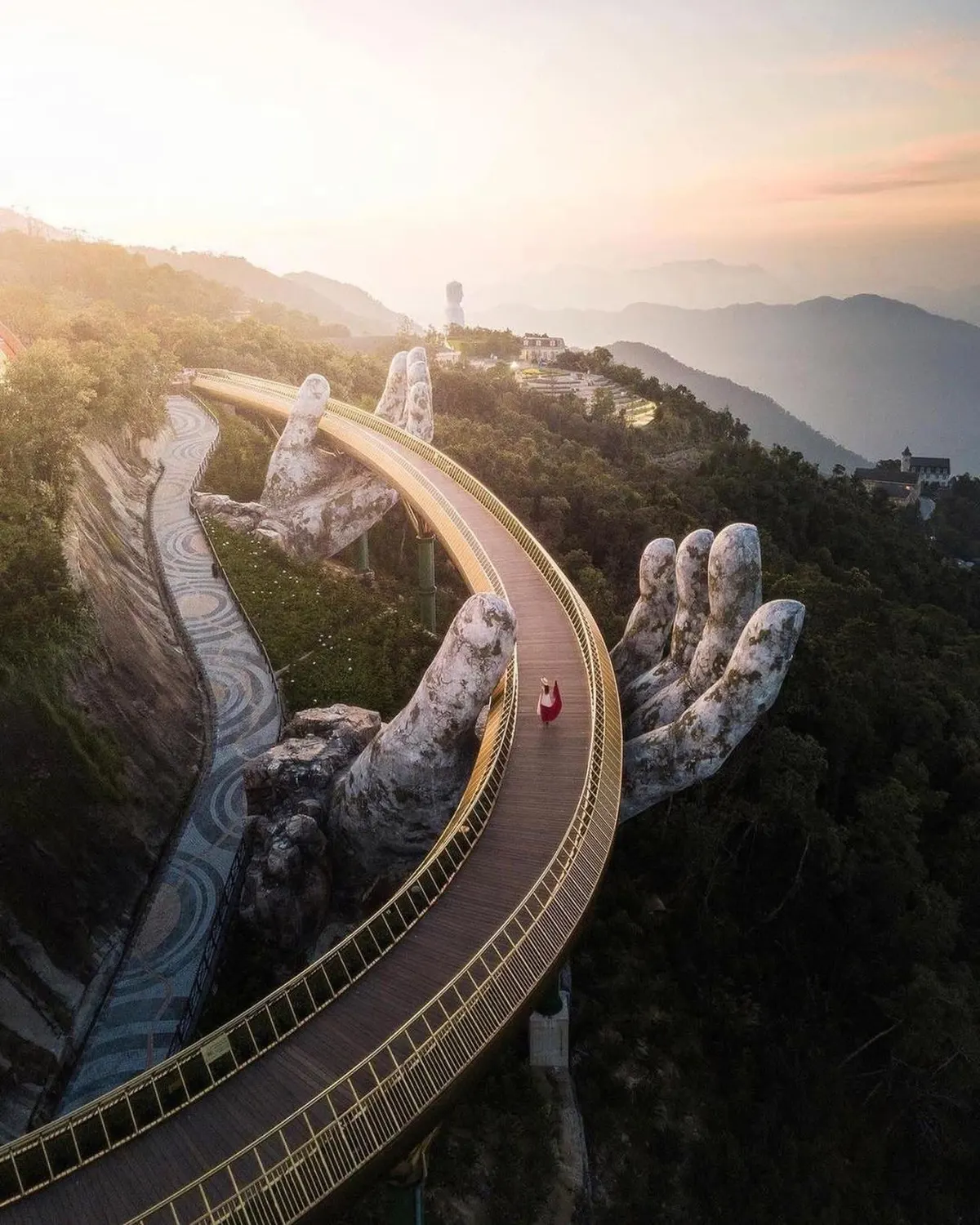
Traveling to Vietnam during its green season, often referred to as the low or rainy season, presents a unique set of advantages that many visitors overlook. This period, typically encompassing the summer months, offers a different perspective on the country, characterized by lush landscapes, fewer tourists, and more favorable pricing for accommodations and activities. Rather than avoiding these months, considering a trip during this time can lead to a more relaxed and authentic experience.
Understanding Vietnam's Travel Seasons
Vietnam experiences distinct travel seasons, with the peak period generally spanning from October to April. During these months, particularly around holidays like Christmas, New Year, and Tet (Vietnamese Lunar New Year), the country sees a significant influx of international visitors. While this time offers generally dry weather, especially in the south, the northern regions, including Hanoi, can become quite cool, with temperatures sometimes dropping to 10 degrees Celsius. Buildings often lack central heating, making the high humidity and wind feel particularly chilly.
Conversely, the green season, which aligns with Vietnam's summer and rainy period, is often perceived as less ideal for travel. However, this perception frequently overlooks the numerous benefits. This time of year is characterized by warmer temperatures across the country, and while rain is part of the climate, it typically differs from continuous gray days.
Financial Advantages of Off-Peak Travel
One of the most compelling reasons to visit Vietnam during its low season is the potential for significant cost savings. Reduced demand for travel services translates into more competitive pricing for flights, hotels, and various tour packages. Travelers often find that accommodation rates are lower, with hotels frequently offering promotions and better deals to attract guests.
Airlines also tend to provide more attractive fares during these months. Booking in advance during the low season can sometimes yield prices that are considerably less than those during the high season. While not every aspect of a trip will be cheaper, the overall reduction in demand increases the likelihood of finding excellent value across many travel components, allowing visitors to experience the same quality for a lower expenditure.
Enjoying a Quieter Experience
For those who prefer a more tranquil travel environment, the green season offers a distinct advantage: fewer crowds. Popular tourist destinations, from historical sites and cultural attractions to beaches and airports, are generally less congested. This reduction in visitor numbers allows for a more personal and relaxed exploration of Vietnam's many wonders.
Imagine navigating ancient streets or relaxing on a beach with ample space, free from the throngs of peak-season tourists. This quieter atmosphere extends to hotels, which are less likely to be fully booked, contributing to a more serene stay. The ability to experience destinations without constant jostling provides a greater sense of peace and a deeper connection with the local surroundings.
Vietnam's Summer Charm and Natural Beauty
During the summer months, Vietnam transforms into a verdant landscape, earning its "green season" moniker. The country is typically warm and sunny, with nature flourishing. This period is particularly rewarding for experiencing Vietnam's agricultural heartlands, such as the rice terraces of Sapa, which are at their most lush and vibrant green. Activities like swimming and kayaking in iconic locations like Halong Bay's waters become even more appealing in the warmer climate.
Beyond the scenery, the summer brings an abundance of fresh, flavorful fruits and local delicacies, with cold beverages readily available from street vendors. While temperatures are higher, modern accommodations frequently offer air-conditioned rooms, ensuring comfort after a day of exploration. This season truly showcases the country's natural richness and culinary delights.
Dispelling Rain Season Misconceptions
The term "rainy season" often conjures images of continuous downpours, but this is frequently a misconception when it comes to Vietnam. In reality, rainfall during these months often occurs as short, intense showers that typically clear up quickly. Many days still feature long periods of sunshine and pleasant weather.
These brief rain showers can even provide a welcome respite from the heat, cooling the air and refreshing the environment. Travelers should be prepared for rain, but it rarely dictates an entire day's plans. Instead, it often adds to the unique character of the trip, creating dramatic skies and contributing to the country's lush appearance.
Practical Packing and Enhanced Service
Traveling during Vietnam's green season simplifies packing significantly. With consistently warm temperatures, visitors primarily need lightweight clothing, sandals or flip-flops, and a camera. There's less need for bulky jackets, sweaters, or numerous pairs of socks, which allows for lighter luggage and greater mobility. Should any essential items like toiletries or memory cards be forgotten, they are widely available for purchase throughout Vietnam.
Furthermore, the hospitality sector during the low season often strives to provide exceptional service to a smaller pool of visitors. This can mean access to more experienced guides, better transportation options, and a greater willingness from service providers to offer personalized attention and special promotions. This increased focus on individual guests can lead to a higher quality travel experience overall, offering more value for money beyond just the reduced prices. Since you'll carry less, you might even have room for unique purchases and souvenirs.
High Season vs. Green Season Travel in Vietnam
| Feature | High Season (October - April) | Green Season (May - September) |
|---|---|---|
| Crowd Levels | High, especially at popular sites and holidays | Lower, more personal space at attractions and hotels |
| Pricing | Generally higher for flights, hotels, and tours | More affordable, with frequent promotions and deals |
| Northern Vietnam Weather | Can be cold, chilly, and foggy (e.g., Hanoi 10°C) | Warm and comfortable (average 26°C), lush landscapes |
| Southern Vietnam Weather | Sunny and warm | Warm, with occasional short, heavy rain showers |
| Rainfall | Generally drier, especially in the south | Occasional short, intense downpours, quickly clearing |
| Packing | Requires layers, including warmer clothing for the north | Lightweight clothing, less bulky luggage |
| Service Quality | Standard, but can be strained by high demand | Potentially enhanced, with more personalized attention |
Frequently Asked Questions
Is the "Green Season" the same as the "Rainy Season" in Vietnam?
Yes, the terms "Green Season," "Rainy Season," and "Low Season" often refer to the same period in Vietnam, typically from May to September. This time is characterized by warmer temperatures and increased rainfall, which contributes to the country's lush, green appearance.
Will I experience continuous rain during Vietnam's Green Season?
No, continuous rain is uncommon. While rainfall is more frequent, it usually manifests as short, heavy downpours that clear up relatively quickly. Many days still offer significant periods of sunshine, and the rain can provide a refreshing break from the heat.
Are all parts of Vietnam equally affected by the Green Season weather?
Weather patterns vary across Vietnam due to its elongated geography. While the south generally experiences its rainy season during these months, and the north becomes warm and humid, central Vietnam might have different peak rain periods. It's always advisable to check regional forecasts for specific travel dates.
Can I still enjoy outdoor activities like visiting Halong Bay or Sapa during the Green Season?
Absolutely. Activities such as swimming and kayaking in Halong Bay are popular during the warmer months. Sapa's rice terraces are particularly verdant and beautiful during this time. While occasional rain might temporarily alter plans, it rarely prevents enjoyment of outdoor attractions for extended periods.
Are there any specific items I should pack for a Green Season trip to Vietnam?
Focus on lightweight, breathable clothing, quick-drying fabrics, and comfortable sandals or flip-flops. A light rain jacket or umbrella is advisable. Sunscreen, insect repellent, and a wide-brimmed hat are also useful.








