
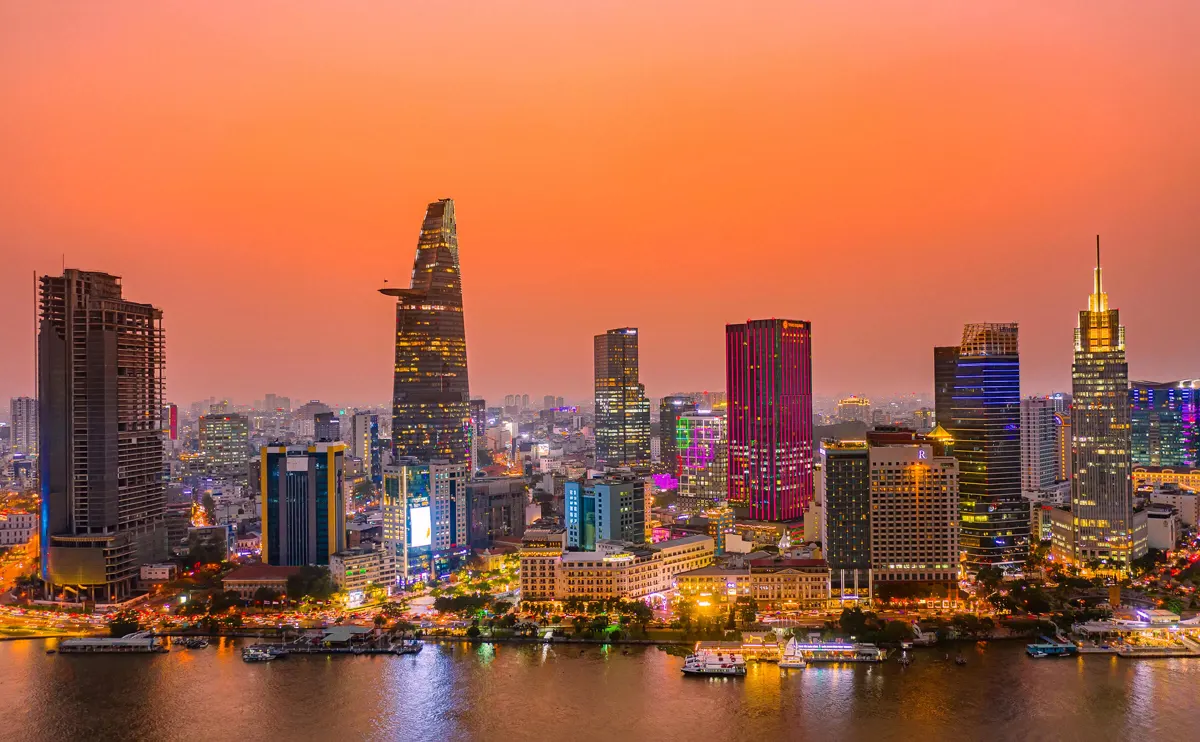
Ho Chi Minh City, frequently referred to as Saigon, presents a thriving cafe environment, with numerous establishments spread throughout its districts. Each venue possesses its own distinct character, yet all aim to provide patrons with an engaging and comfortable experience. The city's coffee tradition is deeply rooted, influenced by its history and position as a major economic hub in Vietnam.
The Enduring Coffee Tradition of Ho Chi Minh City
Vietnam holds a significant global position as the second-largest exporter of coffee, primarily focusing on robusta and arabica varieties known for their robust, intense flavor profiles. The introduction of coffee to Vietnam occurred in the late 19th century by the French, and cultivation quickly expanded into the country's highlands, leading to a robust export industry. This historical foundation has fostered a profound coffee culture that persists in Saigon, even as the city continues its rapid development as Vietnam's economic heart.
Thousands of coffee houses are situated across the city, catering to various preferences. Beyond local brands, Ho Chi Minh City also hosts numerous international coffee chains, including Starbucks Coffee, The Coffee Bean and Tea Leaf, Coffee Benne, and The Coffee House, among others. This blend of local heritage and global presence contributes to the rich diversity of its coffee scene.
Prominent Local Coffee and Tea Destinations
Ho Chi Minh City features several well-established local coffee and tea brands that have garnered significant popularity among both residents and visitors. These establishments often highlight Vietnamese coffee traditions while adapting to modern tastes and preferences.
| Venue Name | Description | Key Offerings | Location Notes |
|---|---|---|---|
| Highlands Coffee | A leading Vietnamese coffee chain, established in 1998, with its first cafe opening in October 2002. It has expanded internationally with over 65 locations. | Vietnamese-style Robusta, traditional espresso-style Arabica blends, diverse food options, free Wi-Fi. | Numerous outlets across Ho Chi Minh City. |
| Trung Nguyen Coffee | Vietnam's largest domestic coffee brand, operating over 1000 coffee shops nationwide since its first opening in October 1998 in Ho Chi Minh City. Exports to over 60 countries. | Rich, multi-species, heirloom coffees, deep-roasted. Extensive coffee menu. Beans available for purchase. | Many locations throughout Vietnam, including Ho Chi Minh City. |
| Phuc Long Coffee and Tea House | A well-regarded Vietnamese coffee and tea brand, particularly strong in Ho Chi Minh City. | Diverse coffee types, various teas (peach, green, jasmine, black). Packaged tea products suitable for gifts. | Branches exclusively within Ho Chi Minh City. |
Highlands Coffee stands out as a successful Vietnamese enterprise, known both domestically and in international markets like the USA, UK, Korea, and Japan. Its strategy includes competitive pricing, complimentary Wi-Fi, a varied menu, and a focus on Vietnamese coffee beans. Visitors can enjoy a comfortable atmosphere suitable for a morning coffee or an afternoon with a book.
Trung Nguyen Coffee is recognized for its extensive reach and quality, with its products enjoyed globally. The brand's coffee shops are a popular stop for tourists seeking a distinctive Vietnamese coffee experience. While prices may be higher, the quality is consistently praised. Patrons also have the option to purchase coffee beans to take home, making it a popular choice for those looking for unique purchases from a trip to Vietnam.
Phuc Long Coffee and Tea House holds a special place among locals in Saigon and visitors alike. The brand is particularly noted for its wide selection of teas, including peach, green, jasmine, and black varieties, which are often packaged for convenient transport as gifts. Unlike some larger chains, Phuc Long maintains its presence primarily within Ho Chi Minh City, offering a truly local flavor.
Cafes Combining Cuisine, Fashion, and Art
Beyond traditional coffee houses, Ho Chi Minh City also offers establishments that blend culinary experiences with other cultural elements, such as fashion and art. These venues provide more than just a beverage; they offer a complete sensory environment.
| Venue Name | Address / Location | Key Features | Notes |
|---|---|---|---|
| Une Journee a Paris | Half a block from Ben Thanh Market, adjacent to Lavender Hotel. | Patisserie and restaurant. Assortment of pastries. | Staff fluent in English and French. Offers a quiet escape from the city center. |
| L'usine Cafe | Original: First floor of a 19th-century French colonial building on Dong Khoi Street. New Branch: 70B Le Loi Street, District 1. | Cafe, fashion boutique, and art gallery. French bistro style, quality produce, homemade cakes. | Inspired by Indochina era elegance. Considered a trendy spot by locals. |
| M2C Bistro & Café Saigon | Dong Khoi Street, city center. | Bistro and cafe with a modern architectural design. Peaceful upstairs area. | Easy to locate on a busy street, yet offers a calm atmosphere inside. Suitable for various occasions, from drinks to full meals. |
Une Journee a Paris provides a European-inspired retreat in the city's core, conveniently situated near Ben Thanh Market. It serves as a pleasant alternative for breakfast with its selection of pastries, and its staff are noted for their multilingual abilities in English and French.
L'usine Cafe is frequently recommended by residents as a contemporary destination. It distinguishes itself by integrating a cafe with a fashion boutique and an art gallery, drawing inspiration from the historical Indochina period. Its initial location occupies the first floor of an old French colonial structure on Dong Khoi Street, with a second site now open on Le Loi Street. The culinary focus is on fresh ingredients and house-made desserts, following a French bistro concept.
M2C Bistro & Café Saigon, also located on the active Dong Khoi Street, offers a surprising tranquility once visitors ascend to its upper level. The interior boasts a modern design and an inviting ambiance, providing a suitable setting for either beverages or a meal in a relaxed corner.
Choosing Your Coffee Experience in Ho Chi Minh City
The extensive array of cafes in Ho Chi Minh City means there is an option for nearly every preference. Whether seeking a quick, strong Vietnamese coffee, a quiet spot for work, or a social setting with food and art, the city delivers. Visitors can explore the well-known chains for consistency or seek out independent establishments for unique local character.
When selecting a cafe, consider the desired atmosphere: some offer a fast-paced environment ideal for a quick stop, while others provide spacious, calm settings conducive to longer stays. Many cafes also provide complimentary Wi-Fi, making them suitable for travelers needing to connect or work remotely. Exploring different areas of the city will reveal various styles, from traditional Vietnamese coffee houses to modern, fusion-style venues. For those managing finances during their visit, understanding banking services in Ho Chi Minh City for travelers can be beneficial, with numerous local and international institutions available. When planning further travel within the country, considering overnight rail journeys in Vietnam can offer a unique perspective on the landscape.
Frequently Asked Questions
What kind of coffee is popular in Ho Chi Minh City?
Ho Chi Minh City is well-known for its strong Vietnamese coffee, often prepared with robusta beans. Arabica blends are also widely available, especially in cafes that cater to international tastes. Many local establishments serve traditional Vietnamese iced coffee (ca phe sua da) and hot coffee with condensed milk.
Are there international coffee chains in Ho Chi Minh City?
Yes, Ho Chi Minh City hosts several international coffee chains alongside its local brands. Well-known global names such as Starbucks Coffee, The Coffee Bean and Tea Leaf, and Coffee Benne have a presence in the city, offering familiar options to international visitors.
Can I purchase coffee beans to take home from Ho Chi Minh City cafes?
Many cafes, particularly larger local brands like Trung Nguyen Coffee, offer packaged coffee beans for sale. Phuc Long Coffee and Tea House also provides various packaged tea products, which make for convenient gifts or souvenirs. This allows visitors to enjoy the local flavors long after their trip.
Do cafes in Ho Chi Minh City typically offer Wi-Fi?
A significant number of cafes in Ho Chi Minh City, including popular chains like Highlands Coffee, provide complimentary Wi-Fi service to their customers. This makes them convenient locations for working, planning travel, or simply staying connected while enjoying a beverage.








