
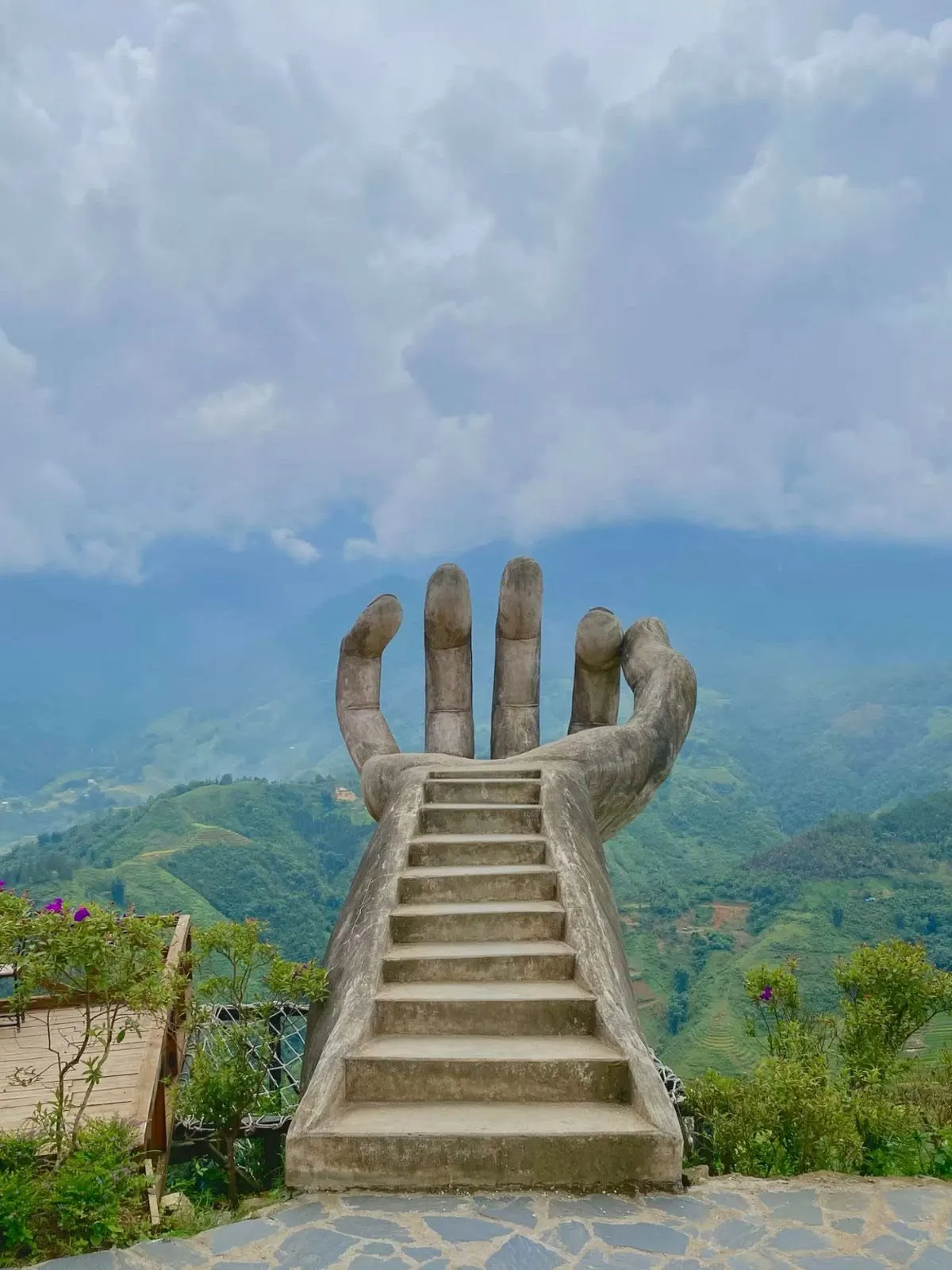
Sapa, a highland town in Northern Vietnam, presents a wide array of outdoor pursuits for individuals seeking active and engaging experiences. Situated amidst dramatic landscapes, the region provides diverse opportunities for visitors to connect with its natural environment and local cultural heritage. Whether through strenuous mountain climbs or immersive village visits, Sapa caters to various adventure preferences.
Exploring Sapa's Landscapes Through Trekking
Sapa is widely recognized for its impressive terraced rice fields and expansive mountain vistas, establishing it as a prime destination for walking excursions. Many travelers consider trekking a fundamental activity when visiting this part of Northern Vietnam. The area features a variety of routes, designed to accommodate different fitness levels and preferences, from gentle strolls to demanding multi-day expeditions.
Paths can lead to Ham Rong (Dragon Jaw) Mountain for shorter walks, offering accessible views close to the town center. More extensive journeys extend through ethnic minority settlements such as Cat Cat, Lao Chai, and Ta Van, providing direct insights into daily life and traditional architectural styles. Longer treks might include routes to the scenic Muong Hoa Valley, Ta Phin Village, or Bac (Silver) Waterfall. These excursions facilitate direct interaction with H'Mong and Dao communities, who are known for their welcoming nature and distinct cultural practices, including traditional crafts and farming methods. Engaging with these communities offers a deeper understanding of their enduring way of life amidst the mountainous terrain.
Ascending Mount Fansipan, the "Roof of Indochina"
For many adventurous travelers, reaching the summit of Mount Fansipan, which stands at 3143 meters, represents a significant personal accomplishment. Often referred to as "the Roof of Indochina," this peak attracts individuals eager to test their physical endurance and experience high-altitude environments. While specialized technical climbing skills are not typically required, a strong level of physical fitness and stamina is crucial for a successful ascent.
The mountain is generally accessible throughout the year, rewarding climbers with expansive panoramas of the Hoang Lien mountain range and a diverse array of plant life, including various orchid species and wild flowers that flourish along the trails. Several routes lead to the summit; the Tram Ton pass is frequently chosen for its relative ease and well-maintained path. Other starting points include Cat Cat ethnic village and Sin Chai, with the latter being noted for its exceptional scenic beauty but also for its increased difficulty and challenging terrain. A typical Fansipan expedition spans two to three days, and travelers are strongly advised to arrange their trip with a reputable local guide service to ensure safety and compliance with local regulations. For those seeking a less strenuous option to experience the peak's grandeur, a cable car system provides access to the upper sections of Mount Fansipan, offering views without the physical demands of a full climb.
Cycling Through Sapa's Rural Areas
For visitors who prefer a different pace than extensive hiking or climbing, cycling offers an alternative method to experience Sapa's surrounding areas. Renting a mountain bike allows for exploration beyond the main town, reaching local markets and more remote villages. This activity combines active sightseeing with physical exercise, providing a fresh perspective on the region's geography and the daily routines of its communities.
The mountainous terrain around Sapa features steep roads and paths, making it most suitable for experienced cyclists with good physical conditioning. The rewards include discovering secluded viewpoints and interacting with villagers away from the more frequented tourist paths. To ensure a safe and enjoyable journey, especially given the challenging gradients, it is highly recommended to travel with an experienced tour guide who can offer guidance on mountain biking safety protocols, navigate complex routes, and provide insights into the local environment.
Cultural Immersion: Homestays and Traditional Red Dao Baths
Engaging in a homestay experience offers a unique opportunity to connect with local families and gain insight into their traditional way of life. These stays are often integrated into multi-day trekking itineraries, typically lasting two or three days, providing an authentic cultural exchange. Villages like Lao Chai, Ta Van, and the more secluded Lao Chai San offer distinct environments for such experiences, each with its own charm and community dynamics.
Homestays provide a glimpse into a lifestyle that contrasts sharply with modern urban living, offering basic accommodations such as a thin mattress, a mosquito net, and thick blankets for cooler evenings. These simple provisions are part of the authentic experience, emphasizing connection over convenience. Due to local regulations, visitors planning a homestay must register through a local travel operator, who will secure necessary permits and assign a guide for village transitions, ensuring a smooth and respectful interaction with the host communities.
After active days spent exploring, a traditional medicinal herb bath, practiced by the Red Dao ethnic minority, offers a restorative experience. These therapeutic baths utilize a specific blend of 12-14 carefully selected herbs, sourced exclusively from the local mountains. These herbs are boiled for several hours to extract their essences, creating a potent and aromatic soak. Many individuals report that these herbal soaks help alleviate physical fatigue, reduce muscle soreness, decrease stress levels, and promote a profound sense of calm and relaxation throughout the body. This ancient practice is a cherished part of Red Dao culture and a unique wellness offering for visitors.
Camping Under Sapa's Night Sky
Camping provides another way for hikers and adventurers to deepen their connection with Sapa's natural environment. This activity is often incorporated into longer trekking tours, which can span three to four days, allowing participants to spend nights amidst the mountains. This experience typically involves setting up camp in designated areas, enjoying a campfire under the stars, and potentially listening to traditional music performed by local ethnic groups, creating memorable evenings.
Sleeping bags are utilized for warmth and protection from insects, offering a practical and comfortable solution for overnight stays in the wilderness. Camping offers a more direct outdoor experience compared to homestays, appealing to those who appreciate a simpler, less amenity-dependent approach to travel and a closer connection to the natural world. It allows for a deeper appreciation of the quiet solitude and the clear night skies of the Sapa region.
Practical Considerations for Your Sapa Adventure
Planning an adventure in Sapa involves considering several practical aspects to ensure a rewarding and safe trip. Given the varied terrain and potential for multi-day excursions, appropriate gear is essential, including sturdy hiking boots, layers of clothing suitable for fluctuating temperatures, and reliable rain gear. A hat, sunscreen, insect repellent, a basic first-aid kit, and a reusable water bottle are also highly recommended.
Engaging with local tour operators is often advisable for activities such as Mount Fansipan climbs, guided treks, and homestay arrangements. These operators can provide essential permits, experienced guides who understand the local landscape and culture, and ensure compliance with local regulations. Visitors should also be prepared for basic conditions in rural areas, particularly during homestays, where modern conveniences like hot water or flush toilets may be limited. For managing finances, it's useful to be aware of banking facilities in Sapa, though cash is often preferred in smaller villages. Traveling to Sapa often involves overnight rail journeys in Vietnam, which can be an adventure in itself, offering a unique perspective on the country's landscapes. Always remember to respect local customs and traditions when interacting with ethnic minority communities.
| Activity Type | Difficulty | Duration | Key Features |
|---|---|---|---|
| Trekking/Hiking | Easy to Challenging | Few hours to 3 days | Rice terraces, mountain vistas, ethnic villages (H'Mong, Dao), cultural interaction. |
| Mount Fansipan Climb | Challenging | 2-3 days | "Roof of Indochina" (3143m), Hoang Lien mountain range views, diverse flora. |
| Mountain Biking | Moderate to Challenging | Half-day to full-day | Exploring villages and markets, steep paths, physical exercise. |
| Homestay Experience | Easy to Moderate | 2-3 days (often with trekking) | Cultural immersion, basic local living, interaction with families. |
| Red Dao Herbal Bath | Easy | 1-2 hours | Traditional therapy, stress relief, muscle relaxation, local herbs. |
| Camping | Moderate to Challenging | Overnight (part of treks) | Wilderness experience, campfires, ethnic music, sleeping outdoors. |
Frequently Asked Questions
What is the best time of year to visit Sapa for adventure activities?
Sapa offers adventure opportunities across all seasons. However, the dry season from September to November and from March to May generally provides clearer skies and more comfortable conditions for trekking and climbing. The rice harvest season in autumn (late September to early October) is particularly scenic.
Are guides necessary for trekking and climbing in Sapa?
While some easy trails might be explored independently, it is highly recommended to hire experienced local guides for more challenging treks, Mount Fansipan ascents, and homestay arrangements. This is due to local regulations, the complexity of some routes, and for safety, as guides possess invaluable knowledge of the terrain and local customs.
What should I pack for an adventure trip to Sapa?
Essential items include sturdy, waterproof hiking boots, layers of clothing for varying temperatures (which can change rapidly), rain gear, a hat, sunscreen, insect repellent, a basic first-aid kit, and a reusable water bottle. For homestays or camping, consider a headlamp, a portable power bank, and personal toiletries.
Can I find vegetarian or vegan food options in Sapa?
While traditional Vietnamese cuisine often features meat, vegetarian and vegan options are increasingly available, especially in Sapa town's restaurants and guesthouses. When staying in villages for a homestay, it is advisable to communicate any dietary preferences to your guide or hosts in advance so they can make appropriate arrangements.
What local crafts or souvenirs are unique to Sapa?
Sapa is renowned for handicrafts produced by its ethnic minority groups, including intricately embroidered textiles, traditional silver jewelry, and distinctive indigo-dyed fabrics. These items can be found in local markets, such as Sapa Market, and in village shops, offering authentic mementos of your visit. For more on local products, consider essential souvenirs and unique purchases from a trip to Vietnam.








