
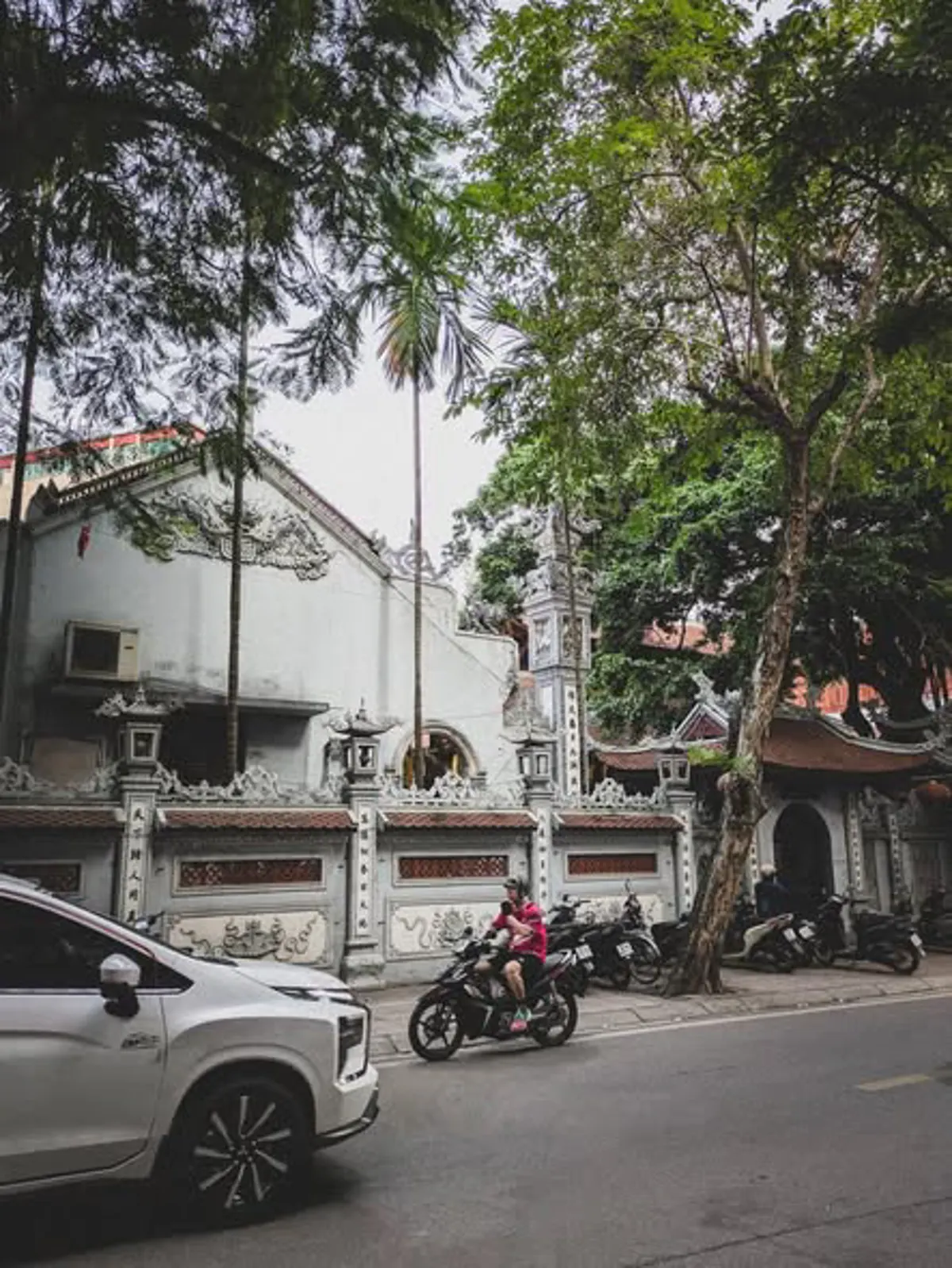
Hanoi, the capital city of Vietnam, holds a profound legacy as a historical center for Buddhism within the nation. With an estimated two thousand pagodas and numerous temples, the city offers visitors a rich array of spiritual and architectural sites. This guide presents seven particularly noteworthy pagodas and temples, inviting travelers to explore their unique heritage and cultural significance.
Historical and Cultural Significance of Hanoi's Religious Sites
Hanoi's long history, spanning over a millennium, has deeply intertwined with the development of Buddhist traditions in Vietnam. The city served as a pivotal hub for Buddhist practice and scholarship for centuries, resulting in a remarkable concentration of religious structures. These sites are not merely places of worship; they represent significant cultural landmarks, showcasing diverse architectural styles and housing relics that tell stories of Vietnam's past. For those interested in acquiring unique purchases and souvenirs, many areas around these cultural sites offer traditional crafts and local products.
Beyond their historical importance, these pagodas and temples continue to play a central role in the spiritual lives of local residents. During special occasions, particularly the Lunar New Year (Tet), Vietnamese people traditionally visit these sites to offer prayers for personal well-being and family prosperity. This practice underscores the enduring connection between the community and these ancient spiritual spaces, making them essential points of interest for understanding local customs.
Prominent Pagodas and Temples to Explore in Hanoi
Hanoi hosts a collection of religious sites, each offering distinct historical narratives and architectural characteristics. Visiting these locations provides insight into the city's spiritual landscape and artistic heritage.
One Pillar Pagoda
Situated in Doi Can, Ba Dinh, the One Pillar Pagoda is renowned for its distinctive design, featuring a shrine elevated on a single stone pillar. This unique construction led to its recognition by the Asian Records Academy in 2012 as the “Pagoda of Most Special Architecture” globally. Originally named Lien Hoa Pagoda, meaning Lotus Pagoda, its architecture was conceived to evoke a lotus flower emerging from water. A visit during the summer, when lotus flowers are in bloom, offers a chance to appreciate Vietnam's national flower and its delicate fragrance. The pagoda is open to visitors daily from 7:00 AM to 6:00 PM, with free admission for both domestic and international tourists. Special worship ceremonies are held on the first and full moon days of the lunar month, attracting many devotees.
Perfume Pagoda (Huong Pagoda)
Approximately 60 kilometers southwest of central Hanoi, the Perfume Pagoda, also known as Huong Pagoda or Huong Son Pagoda, is a revered destination for Vietnamese people. Each spring, particularly during the Huong Festival, which spans from early January to late March according to the lunar calendar, thousands undertake a pilgrimage to this complex. The site comprises a series of pagodas, shrines, and grottoes spread across Huong Son mountain. It is celebrated not only for its natural splendor but also for its deep connection to Vietnamese Buddhist culture, earning its designation as a National Monument by the Ministry of Culture, Sports, and Tourism in 1962. Visitors can explore ancient structures and enjoy the surrounding scenery, including the clear, emerald waters of Yen Stream. The current ticket price for the entire monument tour is 80,000 VND per person (as of the last update), with boat tickets costing an additional 50,000 VND per person.
Tran Quoc Pagoda
Located on the eastern shore of West Lake, accessible from Thanh Nien Road, Tran Quoc Pagoda holds the distinction of being the oldest pagoda in Hanoi. Its construction dates back to the reign of King Ly Nam De (541–547), making it over 1500 years old. This pagoda served as a central point for Buddhism during the Ly and Tran dynasties and remains a popular attraction today. In 2016, it was recognized by the British Daily Mail as one of the world's sixteen most beautiful pagodas. Visitors are often drawn to its ancient architecture and the serene environment it offers, a contrast to the city's busy streets. The pagoda has largely maintained its original appearance over centuries. Covering an area of 3000 square meters, it is divided into three main sections: Thap Garden, To House, and Thuong Palace. A notable addition from 2003 is a 15-meter-high lotus tower with eleven levels, each featuring a white Buddha statue crafted from gemstones.
Ngoc Son Temple
Situated on an island in the middle of Hoan Kiem Lake, Ngoc Son Temple is reached via the iconic Huc Bridge. Established in the 19th century, the temple honors the military commander Tran Hung Dao, celebrated for his leadership against the Yuan Dynasty. The temple's setting, with green trees reflected in the lake's fresh water, creates a harmonious natural scene. Ngoc Son Temple, together with the striking red Huc Bridge, forms a tableau that combines historical reverence with visual appeal. In the evenings, when the Huc Bridge is illuminated, the scene becomes particularly prominent, captivating those who pass by.
Quan Su Pagoda
Quan Su Pagoda is found at 73 Quan Su, Tran Hung Dao Ward, Hoan Kiem District. Dating back to the Le Dynasty, it has served as the headquarters for the Vietnam Buddhist Association since 1858. The pagoda's exterior is predominantly golden, giving it a distinctive and aged appearance. Upon arrival, visitors will notice a bell tower centrally positioned at the main gate, flanked by parallel sentences inscribed in Vietnamese. The pagoda operates daily from 6:00 AM to 9:00 PM, drawing many individuals who come to offer incense and worship. Stepping inside, one encounters a serene environment. This location frequently hosts significant events for the Buddhist Association of Vietnam and also functions as a repository for valuable Buddhist texts and documents.
Quan Thanh Temple
Positioned at the intersection of Thanh Nien Street, directly opposite West Lake and Tran Quoc Pagoda, Quan Thanh Temple, formerly known as Tran Vu Temple, is a significant historical and cultural monument. Its origins trace back to the reign of King Ly Thai To. This temple is one of the “Thang Long Four Towns,” historically tasked with safeguarding Hanoi. The temple's architecture is notable for its intricate details and traditional arches, reflecting Southern Vietnamese cultural styles, and is designed to complement its natural surroundings. It serves as a spiritual destination in Hanoi, welcoming visitors throughout the year. During the Lunar New Year, local residents often visit to offer incense and pray for family happiness.
Temple of Literature (Van Mieu – Quoc Tu Giam)
The Temple of Literature, located at 58 Quoc Tu Giam, Dong Da, holds the distinction of being Vietnam's first national university. Today, it stands as both a historical and cultural relic and a revered site where scholars and students come to seek good fortune in their academic pursuits and examinations. The Temple of Literature is open every day of the week. During the warmer period (approximately April 15 to October 15), operating hours are from 7:30 AM to 5:30 PM. In the cooler season (October 16 to April 14), the hours are 7:00 AM to 5:00 PM. Entry costs 30,000 VND per person for both domestic and international visitors. Children under 15 years old receive a 50% discount on the ticket price.
Table of Hanoi's Notable Religious Sites
| Site Name | Address / Location | Operating Hours (Verify Locally) | Entry Fee (Verify Locally) | Key Features |
|---|---|---|---|---|
| One Pillar Pagoda | Doi Can, Ba Dinh District | 7:00 AM - 6:00 PM | Free | Unique single-pillar architecture, lotus design |
| Perfume Pagoda (Huong Pagoda) | ~60 km SW of Hanoi center | Seasonal (Huong Festival Jan-Mar lunar) | 80,000 VND (monument tour), 50,000 VND (boat) | Large complex of pagodas, shrines, grottoes, Yen Stream |
| Tran Quoc Pagoda | Eastern shore of West Lake, Thanh Nien Road | Not specified in source, typically daylight hours | Not specified in source, typically free | Oldest pagoda in Hanoi, 15-meter lotus tower |
| Ngoc Son Temple | Middle of Hoan Kiem Lake, via Huc Bridge | Not specified in source, typically daylight hours | Not specified in source, typically free | Honors Tran Hung Dao, on an island in Hoan Kiem Lake |
| Quan Su Pagoda | 73 Quan Su, Tran Hung Dao Ward, Hoan Kiem District | 6:00 AM - 9:00 PM | Not specified in source, typically free | HQ of Vietnam Buddhist Association, golden exterior |
| Quan Thanh Temple | Corner of Thanh Nien Street, facing West Lake | Year-round, typically daylight hours | Not specified in source, typically free | One of "Thang Long Four Towns," intricate Southern architecture |
| Temple of Literature | 58 Quoc Tu Giam, Dong Da District | Apr 15 - Oct 15: 7:30 AM - 5:30 PM; Oct 16 - Apr 14: 7:00 AM - 5:00 PM | 30,000 VND (adult), 15,000 VND (under 15) | Vietnam's first national university, scholars' pilgrimage site |
Planning Your Visit to Hanoi's Spiritual Landmarks
When planning to visit Hanoi's pagodas and temples, considering a few practical aspects can enhance the experience. Many of these sites are active places of worship, so respectful attire, typically covering shoulders and knees, is advisable. While some locations, like the Perfume Pagoda, are significant distances from the city center and require dedicated travel, others are conveniently situated within central Hanoi, making them accessible via walking or short taxi rides. For instance, Tran Quoc Pagoda and Quan Thanh Temple are near West Lake, while Ngoc Son Temple is centrally located in Hoan Kiem Lake.
The best time to visit often depends on personal preference. Cooler months from October to April generally offer more comfortable weather for exploring. However, visiting during specific festivals, such as the Huong Festival for Perfume Pagoda, provides a unique cultural insight, albeit with larger crowds. It's always prudent to verify current operating hours and entry fees directly with the venues or through reliable local sources, as these details can change. For travelers managing their finances while exploring the city, understanding the local banking landscape can be helpful, with numerous institutions offering services for international visitors. You can find more information on banking services in Hanoi to assist with your trip.
Frequently Asked Questions
What is the typical dress code for visiting pagodas and temples in Hanoi?
Visitors are generally advised to wear modest clothing that covers their shoulders and knees when entering pagodas and temples in Hanoi. This shows respect for the sacred nature of these sites.
Are there any specific times of year that are better for visiting these sites?
The cooler, drier months from October to April are often preferred for sightseeing in Hanoi due to more pleasant weather. However, visiting during significant festivals, such as the Huong Festival in spring, offers a unique cultural experience, although it may involve larger crowds.
Is photography permitted inside these religious sites?
Photography is usually allowed in the outdoor areas of most pagodas and temples. Inside the main worship halls, it is often permitted, but visitors should be mindful and respectful, avoiding flash photography and ensuring not to disrupt worshippers. Always look for signs or ask if unsure.
How can I get to the Perfume Pagoda from central Hanoi?
The Perfume Pagoda is located approximately 60 kilometers southwest of Hanoi. Transportation options typically include hiring a private car, taking a local bus, or joining an organized tour. The journey involves both road travel and a boat ride along Yen Stream to reach the main complex.
Are all pagodas and temples in Hanoi free to enter?
While many pagodas and temples in Hanoi, such as the One Pillar Pagoda, offer free entry, some, like the Perfume Pagoda and the Temple of Literature, have an admission fee. It is always recommended to check the current entry fees before your visit.








