
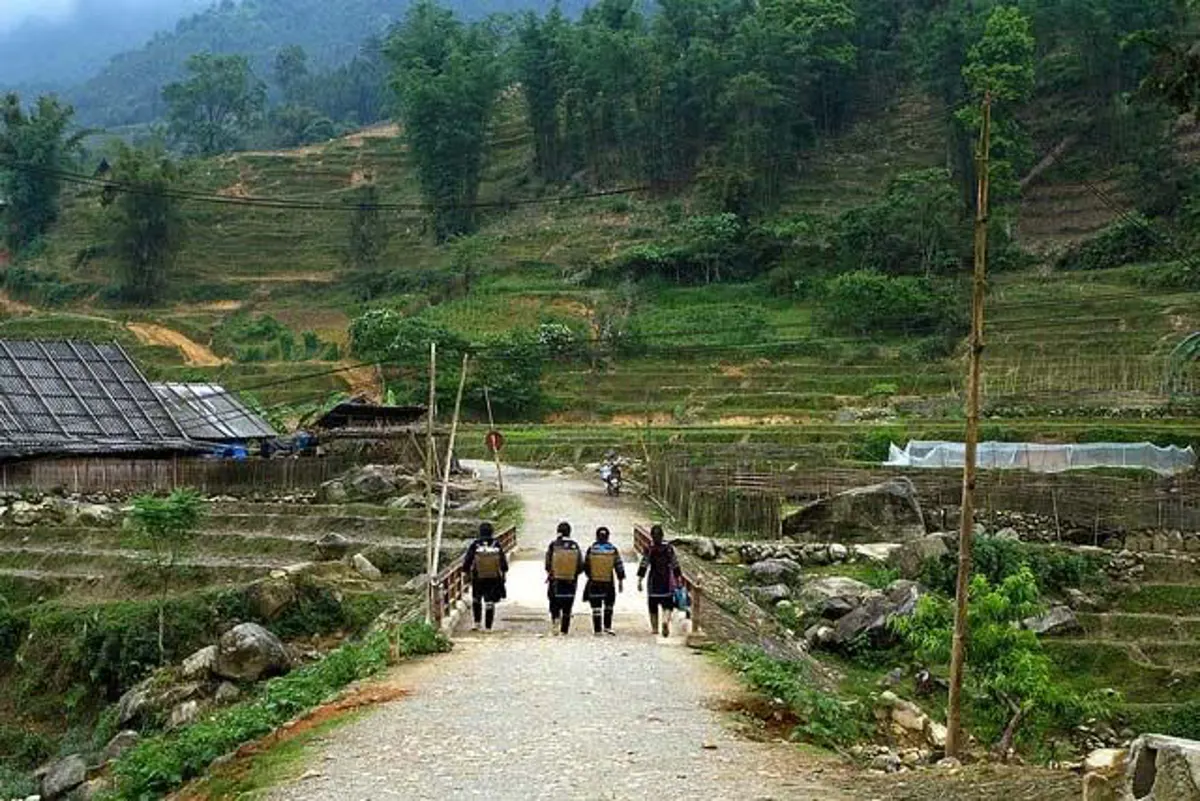
Sapa, located in the northern Vietnamese mountains, offers travelers a chance to experience distinctive landscapes and local cultures. A two-day, one-night visit allows sufficient time to explore the main attractions and engage with the region's unique heritage. This guide outlines a possible schedule to maximize a short stay in this captivating area.
Planning Your Short Visit to Sapa
Sapa is recognized for its elevated terrain, extensive rice paddies, and traditional villages inhabited by various ethnic groups. It also serves as a gateway to Fansipan, the highest point in Indochina. Due to its popularity, Sapa has become a significant destination in Northern Vietnam, drawing visitors seeking both natural beauty and cultural insights. The region's unique blend of natural surroundings and diverse ethnic heritage makes it a compelling destination for those interested in exploring beyond typical urban centers.
To fully appreciate the area, a minimum of two days is generally recommended. This duration provides enough opportunity to see the town's key sites and venture into nearby communities. The following itinerary focuses on accessible treks and cultural encounters suitable for most travelers, including families. It balances structured activities with opportunities for personal exploration, ensuring a comprehensive yet manageable experience within a limited timeframe.
Day One: Sapa Town and Cat Cat Village Exploration
The initial day begins with an exploration of Sapa town itself. This compact settlement is a focal point for different ethnic minority groups, who often come from surrounding areas. These communities, predominantly women and children, visit the town to sell handcrafted items such as embroidered textiles, silver jewelry, and other artisanal products, showcasing their distinct clothing and traditions. The interactions in the town provide an immediate introduction to the local way of life and the diverse cultural fabric of the region.
During the morning, visitors can walk through Sapa town to see its central church, the local market, and the Sapa museum. These locations offer insights into the local way of life and provide chances to interact with residents. It is often noted that while many local people may not speak Vietnamese, they frequently communicate effectively in English, particularly with tourists. The market is also an excellent place to sample local food and purchase mementos, offering a sensory experience of Sapa's culinary and craft traditions.
In the afternoon, the itinerary moves to Cat Cat village, known for its scenic setting amidst rice terraces and gentle hills. The route to Cat Cat village presents views of mountains, woodlands, terraced fields, and waterfalls, providing numerous opportunities for photography. Upon reaching the village, points of interest include a prominent waterfall and an old hydroelectric power station constructed during the French colonial period. Visitors can also observe H'mong dwellings and learn about their cultural practices, gaining a deeper understanding of their daily lives and ancestral traditions. The village offers a glimpse into a more traditional way of living, preserved against the backdrop of modern tourism.
The trek to Cat Cat village is approximately 3 kilometers and is considered straightforward, making it suitable for families with children or those preferring a less strenuous walk. The path is generally well-maintained, allowing for comfortable navigation. The day's activities typically conclude around 3:00 PM, allowing for free time to experience Sapa town in the evening. This might include enjoying a local meal, browsing shops, or simply relaxing after the day's explorations.
Day Two: Trekking Through Ethnic Villages
The second day focuses on visiting additional local communities. After breakfast, a guide typically leads a trek to three different villages, covering a total distance of about 4 kilometers, which is generally an easy walk. These treks are designed to be accessible, allowing participants to enjoy the scenery and cultural interactions without excessive physical exertion. The paths wind through agricultural landscapes and offer views of the surrounding natural environment.
The morning includes a visit to Ta Phin village, home to the Red Dao people. Upon arrival, visitors often observe Red Dao women engaged in textile work, holding colorful threads and fabrics. This village is renowned for its brocade production, earning it the nickname “brocade village.” The brocade items, which include bags, scarves, purses, skirts, backpacks, and coats, are notable for their bright colors and intricate patterns. Purchasing these items directly supports the local artisans and provides a tangible memory of the region's craftsmanship. The village offers a genuine insight into the Red Dao's artistic heritage.
The afternoon involves a trek through verdant valleys to Lao Chai and Ta Van villages. These communities are often described as being partially veiled by mist, set against a backdrop of rice paddies and a natural environment. They offer both scenic views and opportunities for cultural engagement. Exploring these villages provides a window into the daily routines of farming and animal care within a natural setting. Visitors can also observe the preserved cultural elements of each tribe, evident in their clothing, customs, and handmade crafts. Bringing small snacks for children in the villages is often appreciated as a gesture of goodwill.
Essential Travel Information for Sapa
For those interested in a structured experience, private tours are available, offering flexibility to explore Sapa at an individual pace. An example is a "A Glimpse Of Sapa 2 days" tour, which, as of May 2021, had a reported starting price of 118 USD per person. This type of tour is generally suitable for families with children and individuals with an average level of physical fitness, providing a guided and convenient way to experience the region's highlights. Specific booking details for individual venues like villages are typically handled by tour operators, as direct contact information for these sites is not commonly provided.
When planning your trip, consider the local infrastructure. While Sapa is a popular tourist destination, it retains much of its traditional character. Access to banking services is available, but it's always advisable to carry some local currency for smaller purchases in villages, where card payments may not be an option. The region's mountainous terrain means weather can change rapidly; packing layers and appropriate footwear for trekking is recommended. Engaging with local communities respectfully, such as asking permission before taking photographs and being mindful of cultural differences, enhances the travel experience for everyone.
Itinerary Overview and Trekking Summary
This table provides an overview of the suggested activities and trekking intensity for a two-day, one-night visit to Sapa, based on typical tour structures.
| Day | Morning Activities | Afternoon Activities | Trekking Distance | Trekking Difficulty |
|---|---|---|---|---|
| Day 1 | Sapa Town exploration (Church, Market, Museum) | Cat Cat Village visit | 3 km | Easy |
| Day 2 | Ta Phin Village visit | Lao Chai & Ta Van Villages trek | 4 km | Easy |
The itinerary is designed to offer a balance between cultural exploration within Sapa town and gentle treks to nearby ethnic minority villages. The trekking routes are generally considered accessible, making them suitable for a wide range of visitors, including those traveling with younger family members. The focus is on providing a rich cultural experience alongside appreciation for the natural environment.
Frequently Asked Questions
What is the best way to get to Sapa?
Travelers typically reach Sapa by overnight train or bus from Hanoi. The train journey usually ends in Lao Cai, from where a local bus or taxi completes the trip to Sapa town. Buses offer a direct route from Hanoi, which can be more convenient for some travelers, though the train provides a different travel experience.
What should I pack for a Sapa trip?
Essential items include comfortable walking shoes for treks, layers of clothing for varying temperatures (as mountain weather can change quickly), rain gear, sun protection (hat, sunscreen), insect repellent, and a basic first-aid kit. Cash is useful for purchases in smaller villages and for tipping, as card facilities are less common outside Sapa town.
Can I visit Sapa independently, or do I need a tour?
While it is possible to explore Sapa independently, joining a local tour can provide deeper cultural insights and facilitate access to remote villages. Guides often have strong relationships with local communities and can help bridge language barriers, enriching the overall experience. Independent travel allows for more flexibility, but a guided tour can offer structured convenience and expert local knowledge.
What kind of local products can I buy in Sapa?
Sapa is known for its handicrafts, particularly textiles and brocade items made by ethnic minority groups. These include embroidered bags, scarves, clothing, and silver jewelry. Purchasing these items directly supports local artisans and their traditional crafts, contributing to the local economy and preserving cultural heritage.








