
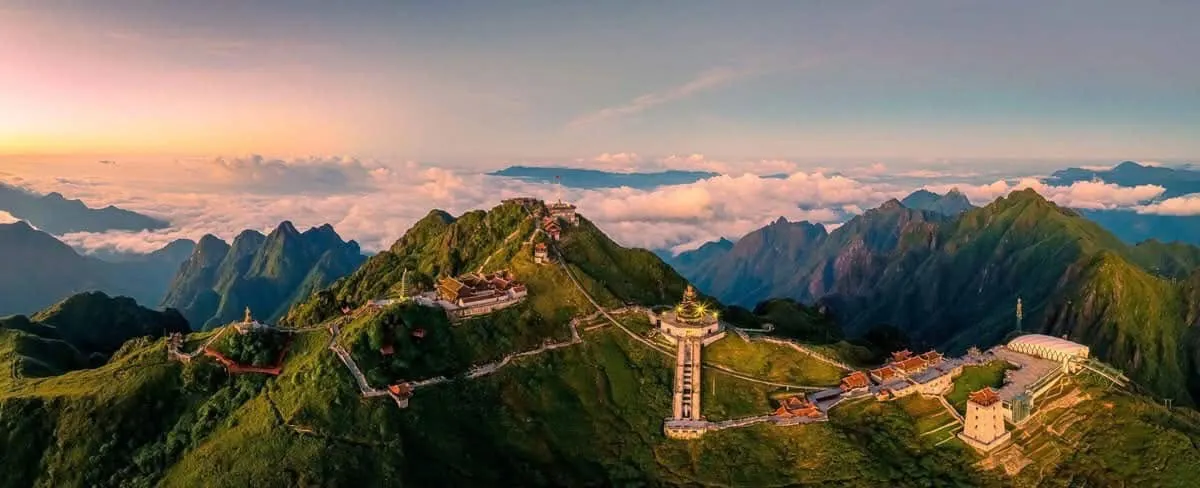
Sapa, a highland town situated in Vietnam's Lao Cai province, has become a favored destination for those seeking to experience northern Vietnam's distinctive landscapes and ethnic cultures. With advancements in transportation infrastructure, a comprehensive visit to Sapa is now achievable within a two-day timeframe, allowing travelers to explore its prominent natural landmarks and cultural sites efficiently. This guide outlines a detailed schedule to help visitors maximize their short stay, covering key attractions, dining options, and essential travel advice.
Planning Your Short Visit to Sapa
Historically, exploring Sapa thoroughly might have required several days, but contemporary travel options have significantly reduced transit times, making shorter trips more practical. A two-day, one-night, or two-day, two-night itinerary is now sufficient to engage with the region's primary points of interest. This condensed schedule focuses on experiencing the area's natural beauty, local markets, and traditional villages, providing a rich, albeit brief, encounter with Sapa's unique character.
For those with limited time, careful planning ensures that the most significant sites are included. The town itself serves as a central hub, with many attractions accessible via local transport or organized tours. Understanding the layout and typical travel times between locations is key to a smooth and enjoyable experience.
Sapa's Key Attractions for a Two-Day Trip
Sapa offers a variety of sites that appeal to different interests, from towering peaks to serene waterfalls and cultural villages. During a two-day visit, travelers can prioritize a selection of these locations to gain a broad understanding of the region.
- Fansipan Mountain: Known as the "Roof of Indochina," this peak is now accessible via a modern cable car system, allowing visitors to reach its summit for expansive views without extensive trekking. For more details on ascending Vietnam's highest peak, consider exploring Mount Fansipan by cable car.
- Cat Cat Village: A traditional H'mong village located a short distance from Sapa town, offering insights into local customs, handicrafts, and traditional houses.
- Ta Phin Village: Home to both Red Dao and H'mong ethnic groups, this village is recognized for its traditional crafts and herbal baths.
- O Quy Ho Pass: One of Vietnam's highest mountain passes, offering panoramic vistas of the surrounding valleys and mountains.
- Ham Rong Mountain: Situated close to Sapa town, this area features a landscaped garden, observation decks, and various floral displays.
- Silver Waterfall (Thac Bac): A striking waterfall easily accessible from the main road, known for its cascading waters.
- Love Waterfall (Thac Tinh Yeu): A romantic spot requiring a short trek through a forest, often visited in conjunction with Silver Waterfall.
- Sapa Stone Church: A historic French colonial church in the heart of Sapa town, serving as a prominent landmark.
- Sapa Market: An early morning market where local ethnic groups gather to trade goods, providing a glimpse into daily life.
Detailed Two-Day Sapa Itinerary
This proposed schedule provides a structured approach to experiencing Sapa's highlights within a limited timeframe. Adjustments can be made based on personal preferences and pace.
Day 1: Cultural Exploration and Waterfalls
Begin your first day early, around 6:00 AM, by observing the morning activities at the Sapa market. This is an opportune time to witness local people engaging in trade and daily routines. Following this, a hotel breakfast is typically served between 7:00 AM and 8:00 AM.
From 8:00 AM to 12:00 PM, dedicate your morning to exploring either Cat Cat Village or Ta Phin Village. Transportation from your accommodation to these villages is often arranged via private car or local taxi services. These villages offer a chance to learn about the culture and livelihoods of the local ethnic communities. Lunch can be enjoyed at one of the local restaurants or homestays within these villages, providing an authentic culinary experience.
In the afternoon, around 2:00 PM, proceed to the Silver Waterfall and Love Waterfall. These natural attractions provide opportunities for photography and enjoying the natural environment until approximately 4:00 PM. Afterward, return to Sapa town. The late afternoon, for about an hour, can be spent relaxing, strolling through the town, or browsing for local products. For those interested in local crafts and goods, consider essential souvenirs and unique purchases from Vietnam.
Dinner is suggested at Do Quyen Restaurant, beginning around 7:00 PM and concluding by 9:00 PM. The evening can then be extended with a visit to a local coffee shop or a leisurely walk around the Sapa Stone Church area. The first day typically concludes between 10:00 PM and 10:30 PM.
Day 2: Mountain Peaks and Scenic Views
The second day focuses on Sapa's elevated landscapes. Similar to the first day, begin with breakfast at your hotel. By 8:00 AM, depart for the cable car station that ascends Fansipan Mountain. The cable car ride itself offers impressive aerial views before reaching the summit. Visitors can spend the morning, until about 12:00 PM, exploring the peak and its immediate surroundings.
Following your descent from Fansipan, lunch is recommended at A Phu restaurant. The afternoon is dedicated to visiting O Quy Ho Pass and Ham Rong Mountain. These two locations are relatively close to each other, making them convenient to explore consecutively. Both sites are renowned for their expansive scenery, offering numerous photo opportunities. After concluding your exploration of these areas, arrangements can be made for your return journey, or you might consider extending your stay in Sapa for an additional night of rest.
Where to Eat in Sapa
Sapa's culinary scene offers a mix of local ethnic dishes and Vietnamese staples. The town center and surrounding villages provide various dining establishments. Below are some mentioned venues, though specific operating hours and contact details were not supplied in the source material, so verification upon arrival is recommended.
| Venue Name | Type of Cuisine / Notes | Address | Phone Number |
|---|---|---|---|
| Sapa Night Market | Street food, local specialties, grilled items | Not supplied | Not supplied |
| Ethnic specialties restaurant - A Phu | Local ethnic dishes | Not supplied | Not supplied |
| Do Quyen Restaurant | Local Vietnamese cuisine | Not supplied | Not supplied |
| Northwest Food Restaurant - Chapa | Northwestern Vietnamese cuisine | Not supplied | Not supplied |
| Homestays | Traditional home-cooked meals (often for guests) | Varies by location | Varies by location |
Practical Advice for Your Sapa Journey
To ensure a smooth and cost-effective trip to Sapa, considering certain practical aspects in advance can be beneficial. Many travelers opt to book accommodation and activities as part of a package, which can sometimes include additional benefits.
When booking accommodation, inquire about policies regarding children. Some establishments may offer reduced rates, for example, a 50% fee for children under 4 years old and a 75% fee for those aged 4-10 years, typically allowing up to two children per room with an additional charge. Complimentary breakfast, tea, and water are common inclusions with many hotel and homestay bookings.
For activities, if you are part of a pre-arranged service, you might find options for motorbike rentals or cable car tickets at a reduced rate. A deposit, often around 30% of the total price, is commonly required when securing services. It is also important to understand cancellation policies, which can vary. As an example, some services might charge 50% of the price for cancellations made 4-14 days before check-in, and 10% for cancellations 15-20 days prior. Always confirm these details directly with your service provider.
Managing finances while traveling is also a consideration. For information on local financial services, you can refer to resources about banking facilities in Sapa for travelers.
Frequently Asked Questions
How much time is sufficient for Sapa?
While a longer stay allows for deeper exploration, a two-day, one-night or two-day, two-night trip to Sapa is generally considered sufficient to visit the main attractions, including Fansipan Mountain, local ethnic villages, and prominent waterfalls.
What are the main activities in Sapa?
Key activities in Sapa include ascending Fansipan by cable car, visiting ethnic minority villages like Cat Cat and Ta Phin, exploring natural sites such as Silver Waterfall and Love Waterfall, and experiencing the local Sapa market and Stone Church area.
Is Sapa suitable for families with children?
Yes, Sapa can be suitable for families. Many accommodations offer specific rates for children (e.g., 50% for under 4s, 75% for 4-10s, often with a limit of two children per room with an additional fee). Activities like the Fansipan cable car are accessible, though some village treks might require consideration for younger children.
What kind of food can I expect in Sapa?
Sapa's cuisine features local ethnic specialties, traditional Vietnamese dishes, and various options at the night market, including grilled items and street food. Restaurants like A Phu and Do Quyen are mentioned for local fare.
How has Sapa's accessibility changed?
Due to ongoing infrastructure development, Sapa is now significantly easier and quicker to reach compared to several years ago. Modern transportation routes have made it possible to undertake shorter trips and still cover the main points of interest.








