
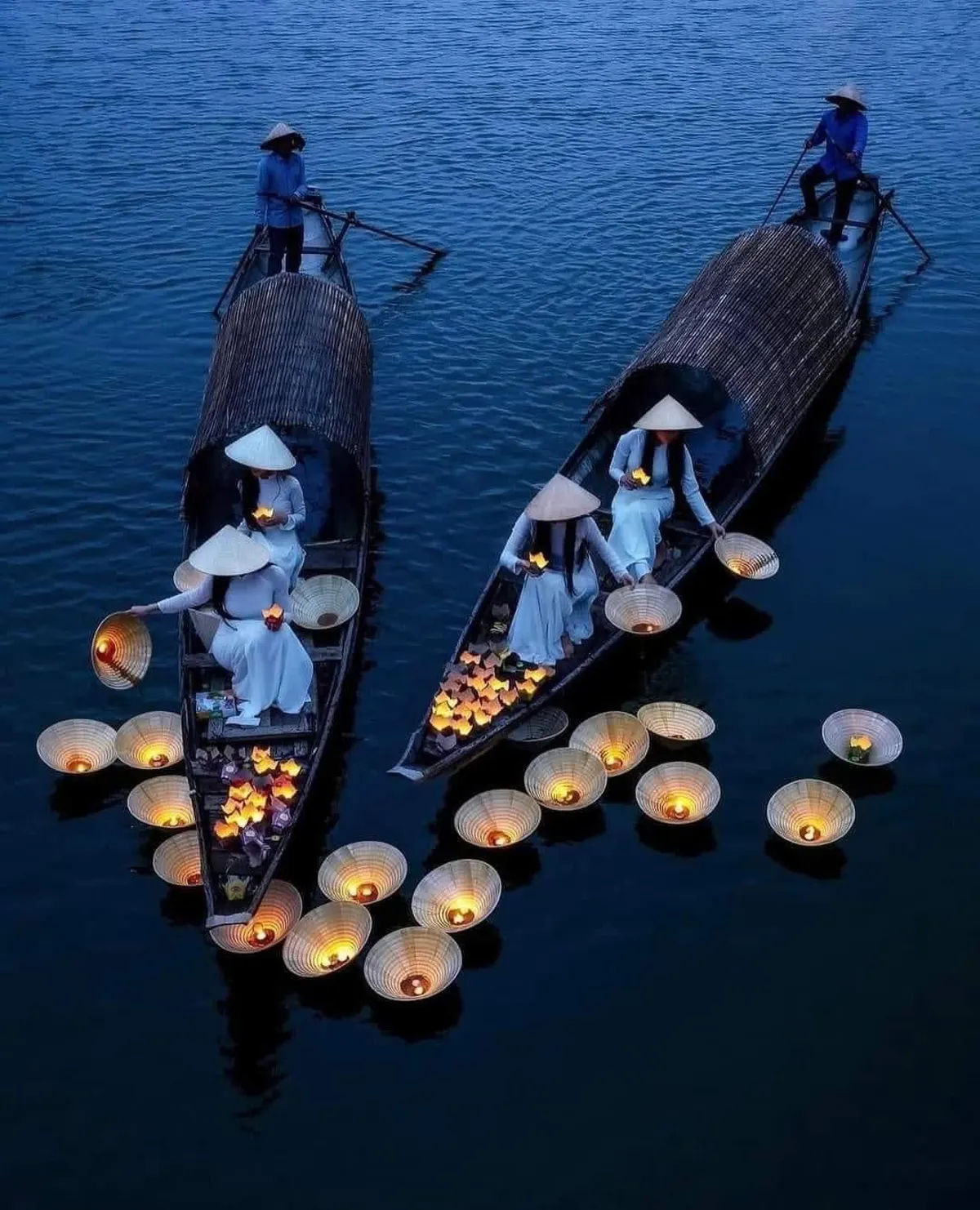
Hoi An, a city on Vietnam's central coast, holds a significant place in the country's history as a former major trading port. For over two millennia, from a modest trading post in the 2nd century Sa Huynh culture to a prominent international commercial hub by the 16th century, Hoi An facilitated extensive exchanges of goods, people, and ideas. This long history has resulted in a distinctive cultural environment, shaped by various influences that are still apparent today.
The city's historical importance stems from its role as a spice trading center for the Hindu Cham Kingdom and later as a settlement for Chinese Ming Dynasty merchants and soldiers. Over centuries, it hosted international commerce involving Arab, European, and other Asian traders. This convergence of different cultures—including Cham, Vietnamese, Chinese, Japanese, and European—has created a unique character that defines Hoi An.
Hoi An's Storied Past: A Crossroads of Civilizations
Hoi An's development as a port city began early, with its strategic location on the Thu Bon River making it an ideal point for maritime trade. The city's growth into a powerful international center by the 16th century meant it was a crucial link in the global trade networks, particularly for spices. This economic activity drew people from across Asia and beyond, each contributing to the city's evolving identity.
The cultural imprints left by these various groups are evident throughout Hoi An. Chinese merchants established communities, bringing their architectural styles and religious practices. Japanese traders also had a notable presence, influencing the city's infrastructure and cultural landscape. Later, European powers engaged in trade, adding another layer to the city's diverse heritage. This layered history is a key aspect of understanding Hoi An's enduring appeal.
Architectural Heritage: A Walk Through Time
Recognized as a UNESCO World Heritage Site in 1999, Hoi An's ancient core has remarkably preserved its original architecture and urban layout. The city's wooden structures and traditional shopfronts often feature a characteristic yellow hue, complemented by bougainvillea cascading from French-style balconies. Cobblestone pathways meander alongside tranquil canals, creating an atmosphere that reflects its long past.
The Old Town, sometimes referred to as the Ancient Town, serves as a central point for experiencing Hoi An's architectural diversity. While some might perceive it as a historical relic, it remains a living area where local customs and daily routines persist. During the day, visitors often enjoy observing daily life while relaxing at local cafes. As evening approaches, the Old Town transforms, illuminated by soft lantern light, with families gathering to enjoy street food by the riverbanks.
A prominent landmark within the Ancient Town is the Japanese Bridge, so significant to the city's heritage that it is featured on Vietnam's 20,000 VND banknote. This unique covered bridge is notable for housing a Buddhist temple, making it both a spiritual site and a popular attraction. The ancient residences of Hoi An also showcase a blend of architectural influences. Tan Ky House, constructed in the 18th century, is one such example. It remains a private residence, with descendants of the original family residing on the upper floors. The ground floor, known for its ornate antiques and carvings, attracts many visitors. While independent visits are possible, guided tours offer deeper insights into the seven generations of history associated with the property, highlighting details like poetry inscribed in mother-of-pearl inlays and symbolic architectural elements representing philosophical concepts.
Assembly Halls further illustrate the city's historical connections. The Phuc Kien Assembly Hall is particularly well-known, established in the 17th century as a community and spiritual center for Chinese migrants. Today, it continues to serve as a spiritual hub for local residents. Visitors can pass through its grand front gateway, adorned with carvings from Chinese mythology, into a central courtyard where people offer prayers amidst statues of Chinese mythological figures and midwives. For those interested in French colonial architecture in Ho Chi Minh City, Hoi An also offers subtle European influences in its building styles.
To gain a more comprehensive understanding of Hoi An's two-thousand-year history, museums offer valuable perspectives. The Museum of History and Culture provides an excellent starting point. Other institutions, such as the Museum of Trade Ceramics and the Museum of Folklore, highlight traditional handicrafts like pottery and local performance arts. These sites contribute to a broader appreciation of Vietnam's historical and war museums, offering specific insights into Hoi An's past.
Engaging with Local Culture: Activities and Workshops
Hoi An provides numerous opportunities for visitors to connect with local culture. The city's atmosphere encourages a more relaxed pace, allowing for deeper engagement with traditional practices. Popular activities include cooking classes, where participants learn about Vietnamese cuisine, and workshops focused on traditional handicrafts such as lantern making and ceramics. These experiences offer practical skills and a glimpse into local artistry.
Exploring the areas outside the Old Town also reveals aspects of traditional life. Cycling through rice paddies towards Cam Nam Island, for instance, offers a perspective on rural existence that has largely continued unchanged for generations. This contrast between the historical urban center and the surrounding countryside provides a fuller picture of the region's character. Visitors can also experience local customs by sampling street food in the evenings, a common practice for families in the Old Town, or by visiting traditional coffee houses in Vietnam.
Wellness and Relaxation in Hoi An
Hoi An has become a notable destination for wellness tourism in Vietnam, offering a slower rhythm of life that appeals to both residents and international visitors. The city's environment supports recharging through cultural engagement and opportunities for personal well-being. Many accommodations cater to this demand, providing facilities designed for relaxation and rejuvenation.
Travelers seeking wellness experiences often look for hotels and resorts equipped with spas, massage services, gyms, and saunas. The emphasis here is on a holistic approach, combining cultural discovery with personal care. This focus on well-being aligns with the city's generally calm pace, making it an attractive location for those looking to unwind and refresh.
Accommodation Options for Every Traveler
Hoi An offers a range of accommodation choices to suit various preferences and budgets. For those prioritizing wellness facilities and beachfront access, several resorts provide comprehensive amenities. While specific pricing and exact addresses are not provided, the following options are known for their offerings:
- Sunrise Hoi An Resort: Located directly on Cua Dai beach, this resort grants guests access to a private beach area. Amenities include massages, yoga classes, tennis courts, and a hot tub. Rooms typically offer views of either the ocean or the resort's gardens, allowing guests to feel connected to nature while enjoying modern comforts.
- Anantara Hoi An: Situated for those who prefer river views, this property features rooms decorated in a classic colonial style. Each room includes a private porch and an outdoor seating area overlooking the Thu Bon River or the hotel's garden. Guests can start their day with a swim in the pool before visiting the spa, steam room, and hamam. The resort also provides a selection of indoor and outdoor dining options and hosts cultural activities such as traditional Chinese painting and lantern-making workshops.
- Four Seasons Hoi An - The Nam Hai: This resort is recognized for its high level of service and sophisticated style. Its villas are generously sized, featuring walk-in closets and rain-shower bathrooms. The extensive grounds include a library, three distinct swimming pools, and a dedicated watersports center. Guests can engage in activities like badminton, basketball, or tennis before unwinding at the spa. The Nam Hai can also arrange private retreats, complete with butler service, to cater to individual preferences. For those interested in spiritual sites, exploring Phu Quoc's sacred sites, temples, and pagodas offers a similar focus on cultural and spiritual immersion.
Frequently Asked Questions
What makes Hoi An's Old Town unique?
Hoi An's Old Town is unique due to its exceptional preservation of traditional architecture and urban planning, reflecting centuries of diverse cultural influences. It's a living historical area where local customs continue, rather than just a museum, offering a blend of ancient charm and ongoing daily life.
What cultural activities can visitors participate in?
Visitors to Hoi An can engage in a variety of cultural activities, including cooking classes to learn about Vietnamese cuisine, and workshops for traditional handicrafts like lantern making and ceramics. Exploring the Old Town by night, when it's illuminated by lanterns, and cycling through rural areas like Cam Nam Island also offer cultural insights.
Are there wellness options available in Hoi An?
Yes, Hoi An is recognized for its wellness tourism offerings. Many hotels and resorts provide facilities such as spas, massage services, gyms, and saunas. The city's relaxed pace also contributes to a general sense of well-being, making it suitable for those seeking to recharge.
Which historical sites should I prioritize visiting in Hoi An?
Key historical sites to visit include the Japanese Bridge, a significant landmark housing a Buddhist temple. Ancient houses like Tan Ky House offer a glimpse into traditional living and architecture. The Phuc Kien Assembly Hall, a historical community and spiritual center, also provides insight into the city's diverse heritage. Additionally, the Museum of History and Culture is an excellent starting point for understanding Hoi An's extensive past.
How has Hoi An's history shaped its current culture?
Hoi An's history as a major international trading port, influenced by Cham, Vietnamese, Chinese, Japanese, and European cultures, has created its distinctive cultural blend. This long period of exchange is evident in its unique architecture, culinary traditions, religious practices, and the preserved customs found throughout the city today.








