
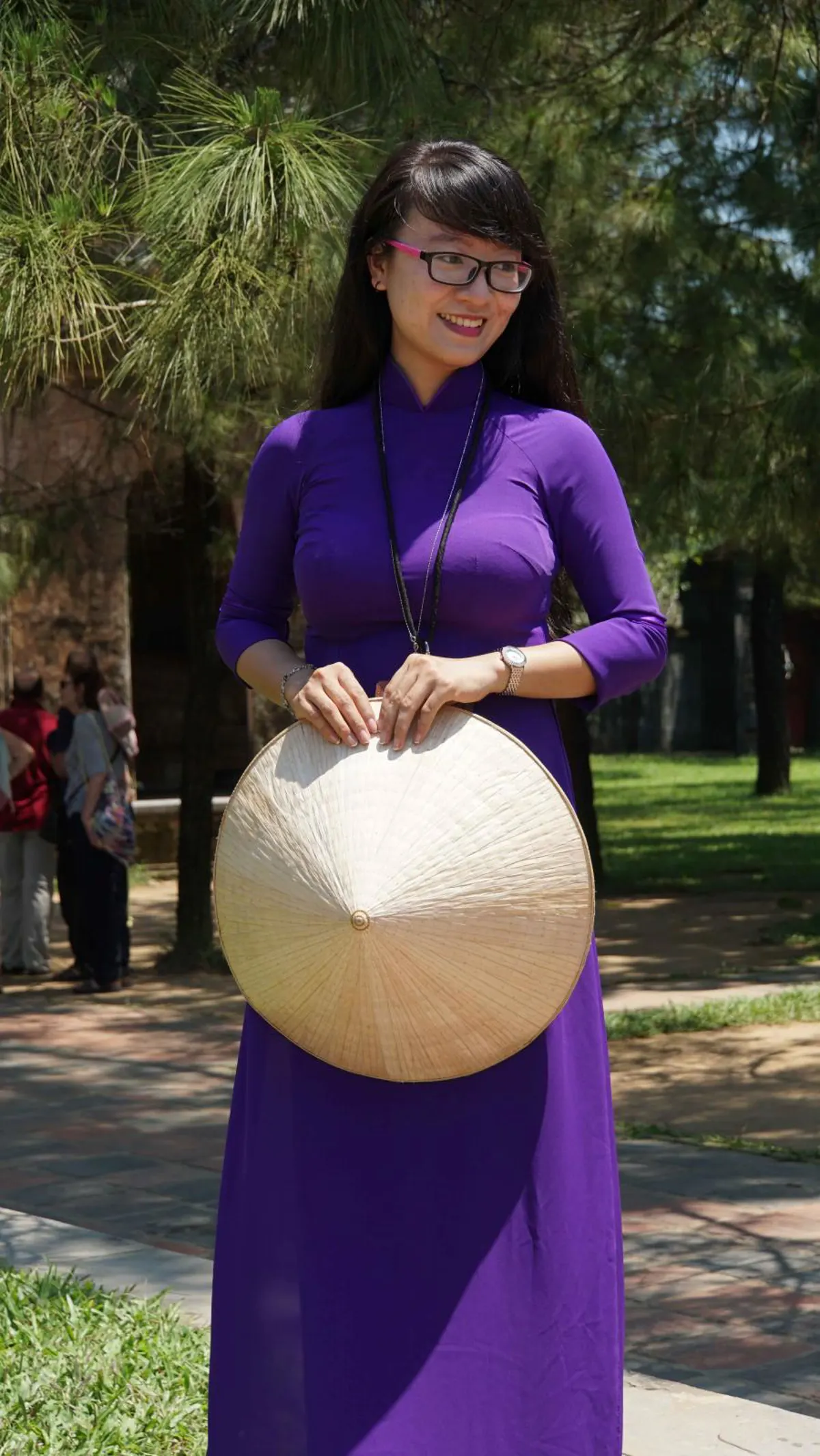
When planning a trip to Vietnam, many first-time visitors consider how long to stay in each location. For Hue, the former imperial capital, a visit of one to three days typically allows for a comprehensive experience, depending on individual interests and available time. This city, rich in history and culture, offers various attractions that can be explored through different itinerary lengths, catering to those with limited time or those seeking a deeper engagement with the region.
Understanding Hue's Historical Significance
Hue holds a significant place in Vietnamese history, having served as the imperial capital for 143 years under the Nguyen Lords and 13 Nguyen Kings, spanning nearly four centuries from 1558 to 1945. Situated in central Vietnam, the city lies along the banks of the Perfume River, a short distance inland from the East Sea. Its central location makes it accessible from major Vietnamese cities: approximately 700 kilometers from Hanoi, 1100 kilometers from Ho Chi Minh City, and 100 kilometers from Da Nang.
Travelers can reach Hue through various modes of transport. The city is served by an airport, a train station, and multiple bus terminals, allowing for arrivals by flight, bus, train, private car, or motorbike. This accessibility ensures that integrating Hue into a broader Vietnam itinerary is relatively straightforward. The city's enduring cultural and intangible heritage, including its palaces, pagodas, tombs, and temples, reflects centuries of wisdom and spiritual values.
Optimal Times to Visit Hue
Hue generally experiences warm and humid conditions throughout the year. Due to its position in central Vietnam and the influence of hot winds from Laos, it is often one of the warmest locations in the country. The most favorable period for a visit to Hue is from February to April, when the weather is typically pleasant, offering comfortable conditions for outdoor activities and sightseeing.
Conversely, the months from September to December mark the rainy season in Hue. During this period, temperatures can decrease to around 20 degrees Celsius, and rainfall may persist for extended durations. Travelers are generally advised to avoid planning their trip during these rainy months to ensure a more enjoyable experience of the city's attractions.
Suggested Itineraries for Hue
Choosing the right itinerary for Hue depends on the overall duration of your trip to Vietnam and your specific interests. Options range from a focused one-day exploration of key historical sites to a more expansive three-day journey that includes cultural immersion and a visit to the Demilitarized Zone (DMZ).
One-Day Hue Itinerary: Imperial Highlights
A single day in Hue is suitable for those with limited time, offering a concentrated overview of the city's primary historical and cultural landmarks. This itinerary typically includes visits to several significant sites associated with the Nguyen dynasty.
- Thien Mu Pagoda: One of Hue's oldest and most revered religious structures, known for its distinctive architecture.
- Imperial Citadel: A UNESCO World Heritage site, established in 1804 by Emperor Gia Long and completed in 1832 under Emperor Minh Mang. It houses a collection of oriental architecture, including temples, pavilions, and royal tombs.
- Minh Mang's Tomb: A vast architectural complex comprising 40 structures, designed to harmonize with the natural landscape, reflecting the emperor's personality and the characteristics of his reign.
- Khai Dinh's Tomb: Although the smallest, this tomb is noted for its elaborate and costly construction over 11 years, showcasing a blend of Eastern and Western architectural styles.
- Local Craft Villages: Opportunities to observe local artisans creating products such as sandalwood and cinnamon incense, and traditional conical hats.
Two-Day Hue Itinerary: History and Conflict
For visitors with an additional day, a two-day itinerary combines the imperial city tour with an exploration of the Demilitarized Zone (DMZ), offering insights into Vietnam's 20th-century history.
- Day 1: Follow the Hue City Tour Full Day itinerary, covering the major historical and cultural sites within Hue.
- Day 2: A full-day tour to the DMZ. This trip provides context on the Vietnam War, highlighting the struggles for independence. The journey along mountain roads includes stops at historical battle sites.
Three-Day Hue Itinerary: Cultural Immersion and Countryside
A three-day itinerary provides the most comprehensive experience, adding a cultural immersion component to the historical and conflict-related tours. This option allows for a deeper connection with local life and cuisine.
- Day 1: Hue City Tour Full Day.
- Day 2: DMZ Tour Full Day.
- Day 3: A full-day cooking class experience at Thuy Bieu Eco-village. This begins with a visit to Dong Ba market to select fresh ingredients. Afterwards, travel to Thuy Bieu village, known for its Thanh Tra pomelo. Visitors can explore the village by walking or cycling, observing gardens, traditional houses, and ancestral temples. There are also opportunities to see local craft production, such as incense making and paper painting, and to learn about the cultural significance of joss paper. The cooking class at Thuy Bieu restaurant teaches participants to prepare traditional Hue dishes, which are then served for lunch. The day concludes with a relaxing foot bath in medicinal herb water or a massage.
Exploring Hue's Imperial and Cultural Sites
Hue's historical landscape is dominated by its imperial past, evident in structures like the Imperial Citadel. This expansive complex was the administrative and political center of the Nguyen dynasty, housing the Forbidden Purple City where the emperor and his family resided. Walking through its gates and courtyards offers a tangible connection to Vietnam's royal heritage.
Beyond the citadel, the tombs of the Nguyen emperors are significant architectural achievements, each reflecting the personality and era of the monarch it honors. Thien Mu Pagoda, with its seven-story pagoda tower, stands as a symbol of Hue and is an active Buddhist monastery. These sites collectively offer a profound look into the spiritual and political life of imperial Vietnam. For those interested in managing their finances during their stay, information on banking services in Hue City is readily available.
Beyond the City: The DMZ and Countryside Experiences
The Demilitarized Zone (DMZ) tour offers a stark contrast to the imperial grandeur of Hue, providing a solemn look into a pivotal period of modern Vietnamese history. Key locations include:
- Khe Sanh Combat Base: A former US Marine base, now featuring a museum with war photographs, American helicopters, a C130 transport plane, and North Vietnamese tanks.
- Vinh Moc Tunnels: An extensive underground village that served as shelter and storage for the Vietnamese People's Army during the war. It includes wells, a hall, a clinic, a maternity ward, and other facilities.
- Quang Tri Ancient Citadel: A site of immense historical significance, where many Vietnamese soldiers made sacrifices for the nation's independence. It is now a memorial and draws visitors interested in Vietnam's historical chapters.
For a different kind of experience, the Thuy Bieu Eco-village offers a peaceful escape into the countryside. This area is known for its Thanh Tra pomelo orchards and provides a glimpse into rural Vietnamese life. Activities such as cycling through rice fields, interacting with local residents, and learning traditional cooking techniques offer a hands-on cultural experience. Travelers can also explore local crafts, providing opportunities to purchase unique purchases from a trip to Vietnam.
Comparison of Hue Itinerary Options
| Itinerary Duration | Primary Focus | Key Activities/Sites | Best Suited For |
|---|---|---|---|
| 1 Day | Imperial History & Culture | Imperial Citadel, Thien Mu Pagoda, Minh Mang Tomb, Khai Dinh Tomb, local craft villages | Travelers with limited time, history enthusiasts |
| 2 Days | Imperial History & War History | Day 1 activities + DMZ Tour (Khe Sanh, Vinh Moc Tunnels, Quang Tri Citadel) | Those interested in both imperial and modern Vietnamese history |
| 3 Days | Cultural Immersion & Countryside | Day 1 & Day 2 activities + Thuy Bieu Eco-village (market, cooking class, village exploration, traditional relaxation) | Travelers seeking deep cultural engagement, culinary experiences, and rural exploration |
Frequently Asked Questions
Is Hue worth visiting for first-time travelers to Vietnam?
Yes, Hue is highly recommended for first-time travelers. As the former imperial capital, it offers a rich historical and cultural experience, with well-preserved palaces, tombs, and pagodas that provide deep insights into Vietnam's past. Its location on the Perfume River also adds to its appeal.
What is the best way to get around Hue?
Within Hue city, common transportation options include taxis, cyclos (pedicabs), and motorbikes (either rented or with a driver). For exploring sites further afield, such as the imperial tombs or the DMZ, hiring a private car or joining an organized tour is often the most convenient choice. Travelers can also consider overnight rail journeys in Vietnam to reach Hue from other major cities.
Are there any specific cultural etiquettes to observe in Hue?
When visiting religious sites like pagodas and tombs, it is respectful to dress modestly, covering shoulders and knees. Removing shoes before entering certain areas is also customary. Always ask for permission before taking photos of people, especially in rural areas.
What local dishes should I try in Hue?
Hue is renowned for its distinctive cuisine. Must-try dishes include Bún Bò Huế (spicy beef noodle soup), Bánh Khoái (crispy pancake), Nem Lụi (grilled pork skewers), and various small, intricate royal dishes. Participating in a cooking class can offer a deeper appreciation for these flavors.
What should I know about healthcare services in Hue?
Hue has various healthcare facilities available for visitors. For minor ailments, local clinics are an option, while larger hospitals can handle more significant medical needs. It is always advisable for travelers to have comprehensive travel insurance. More detailed information can be found in a guide to healthcare facilities in Hue.








