
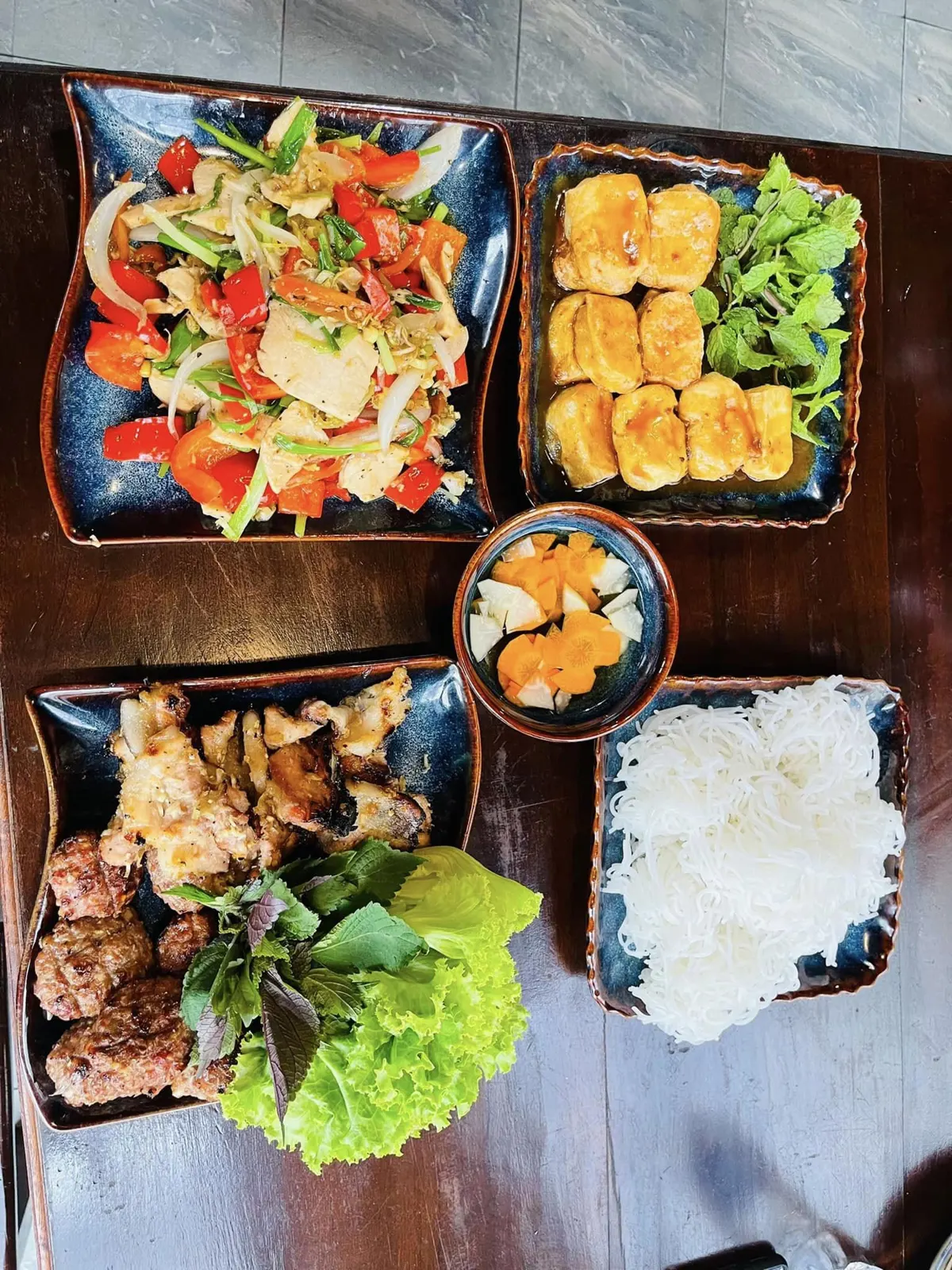
Mien Xao Luon, a well-regarded Vietnamese culinary creation, features glass noodles stir-fried with crispy deep-fried eel. This dish is celebrated for its distinctive combination of textures and flavors, making it a favored option for both residents and visitors seeking authentic local fare. Often found across various eateries in Hanoi, it provides a satisfying meal at any time of year.
Exploring Mien Xao Luon: A Hanoi Culinary Staple
Mien Xao Luon, or glass noodles with deep-fried eel, holds a prominent place in Vietnamese gastronomy, particularly within the capital city of Hanoi. This dish is widely recognized for its appealing taste and nutritional value, making it a popular choice for people of all ages, from young children to the elderly. While the exact origins of Mien Xao Luon are not precisely documented, its widespread appeal has led to its increasing availability in restaurants and street food stalls throughout the region, solidifying its status as a local favorite.
The primary ingredient, eel, is often sourced from local canals and fields by farmers, lending a rustic, authentic character to the dish. This connection to local agriculture contributes to the perception of Mien Xao Luon as a comforting food with a taste reminiscent of home and traditional Vietnamese life. The careful preparation transforms the eel into a crispy, flavorful component that pairs effectively with the delicate glass noodles and accompanying fresh herbs, creating a harmonious blend of textures and aromas that defines this specialty.
The Distinctive Components and Flavor Profile
The appeal of Mien Xao Luon lies in its carefully balanced ingredients and meticulous preparation methods. The eel, a key element, is typically cleaned thoroughly before being deep-fried until it achieves a desirable golden hue and a satisfying crisp texture. This process ensures that each piece of eel provides a pleasant crunch that contrasts with the softness of the noodles. The fried eel is then combined with translucent glass noodles, which are known for their ability to absorb the savory flavors of the other ingredients and seasonings, becoming tender yet resilient.
Aromatic herbs play a crucial role in enhancing the overall profile, adding freshness and complexity. Common additions might include cilantro, spring onions, and sometimes a hint of Vietnamese mint or perilla leaves, which contribute to the dish's characteristic fragrance and a slight peppery note. The seasoning often involves a precise blend of fish sauce, sugar, and a touch of chili or black pepper, creating a harmonious sweet, sour, and savory experience that many diners find memorable. This combination results in a meal that is both hearty and light, appealing to a broad range of palates and making it a culinary highlight for many visitors. For those exploring the culinary landscape of Vietnam, understanding local specialties like Mien Xao Luon offers a deeper appreciation of the country's gastronomic heritage. Beyond food, visitors often seek out unique purchases and souvenirs to remember their travels.
Considerations for Home Preparation
While many prefer to enjoy Mien Xao Luon at established eateries, preparing this dish in a home kitchen is also an option for those interested in cooking Vietnamese cuisine. The fundamental steps involve sourcing fresh, cleaned eel, along with glass noodles, and a selection of herbs and spices. After preparing the eel by frying it to achieve the desired crispiness, the noodles are typically stir-fried with the cooked eel and a sauce made from the prepared seasonings. This allows for customization of flavors to suit individual preferences.
However, achieving the specific flavor profile and texture found in renowned restaurants can be challenging for home cooks. Professional chefs often employ particular techniques for marinating the eel, ensuring it is tender yet firm, and for balancing the complex sauces, which contribute significantly to the dish's distinct character. These culinary nuances, often passed down through generations, are what give restaurant versions their special appeal. Therefore, while home preparation offers a personalized experience, many food enthusiasts suggest seeking out specialized venues to experience the dish at its most refined and authentic.
Notable Establishments for Mien Xao Luon in Hanoi
For individuals keen on sampling authentic Mien Xao Luon, Hanoi offers several well-regarded establishments that consistently deliver high-quality versions of the dish. Each venue may present its own subtle variations in preparation or seasoning, contributing to a diverse culinary experience. When planning a visit to Hanoi to sample dishes like Mien Xao Luon, it's also practical to consider other aspects of your trip, such as managing your finances. Information on banking services in Hanoi can be helpful for international travelers.
Here are some notable places to consider for experiencing Mien Xao Luon:
| Venue Name | Address | Operating Hours | Approximate Price (USD) | Notes |
|---|---|---|---|---|
| Mien Luon Phu Doan | No 9 Phu Doan Street, Hoan Kiem District, Hanoi | 06:45 am - 09:30 pm | 1.28 per bowl (as of Dec 2020) | Reported to offer crispy, golden eel with a rich, sweet, and sour marinated sauce, often considered a benchmark for the dish. |
| Mien Luon Dong Thinh | 87 Hang Dieu Street, Hoan Kiem District, Hanoi | 06:30 am - 09:30 pm | 1.50 per bowl (as of Dec 2020) | Another highly recommended spot for those seeking a flavorful and satisfying eel noodle experience in the Hoan Kiem area. |
| Mien Luon Thuy Loi | 34 Le Dai Hanh Street, Hai Ba Trung District, Hanoi | 08:00 am - 11:00 pm | 1.50 - 3.50 per bowl (as of Dec 2020) | Provides a range of pricing options, suggesting variations in portion size or additional ingredients, located in the Hai Ba Trung District. |
It is advisable for visitors to verify current operating hours and pricing directly with the establishments, as these details can change over time.
The Enduring Appeal of Mien Xao Luon
Trying Mien Xao Luon offers more than just a meal; it provides an insight into local Vietnamese culinary traditions and the country's rich food culture. The dish's appeal spans generations, making it a suitable option for families with children and older adults alike, largely due to its nutritional content and generally mild, yet satisfying, flavor profile. The eel is a source of protein, and when combined with the glass noodles and fresh vegetables, it creates a balanced and wholesome meal.
Whether you are starting a busy day of sightseeing or concluding an evening, a serving of Mien Xao Luon can provide a substantial energy boost. Its combination of protein from the eel and carbohydrates from the noodles, along with fresh vegetables, contributes to a well-rounded and invigorating meal that can sustain you through various activities. For visitors passing through Hanoi, dedicating time to savor this dish is often recommended as a way to engage deeply with the local food culture and appreciate a truly authentic Vietnamese specialty.
Frequently Asked Questions
What are the main ingredients in Mien Xao Luon?
Mien Xao Luon primarily consists of deep-fried eel, glass noodles (mien), and various aromatic herbs and spices. The eel is prepared to be crispy and flavorful, while the noodles are stir-fried to absorb the rich sauce and seasonings.
Is Mien Xao Luon suitable for children?
Yes, Mien Xao Luon is generally considered suitable for all ages, including children. The eel is a nutritious protein source, and the flavors are typically balanced and not overly spicy, making it an accessible and enjoyable dish for younger palates.
Can I find Mien Xao Luon outside of Hanoi?
While Mien Xao Luon is particularly popular and widely available in Hanoi, it can also be found in other parts of Vietnam, especially in cities with strong culinary traditions. However, Hanoi is often highlighted as a prime location to experience the dish in its most traditional and celebrated forms.
What is the typical cost of a bowl of Mien Xao Luon?
Based on information from December 2020, a bowl of Mien Xao Luon in Hanoi generally ranges from approximately 1.28 USD to 3.50 USD, depending on the establishment, portion size, and any additional ingredients. It is always recommended to confirm current prices locally as they may have changed.
What makes restaurant Mien Xao Luon different from homemade versions?
Restaurant versions of Mien Xao Luon often benefit from specialized cooking techniques, unique marinade recipes for the eel, and precise balancing of spices and sauces developed over time by experienced chefs. These elements can result in a more distinct, complex, and refined flavor and texture compared to typical home-cooked preparations.








