
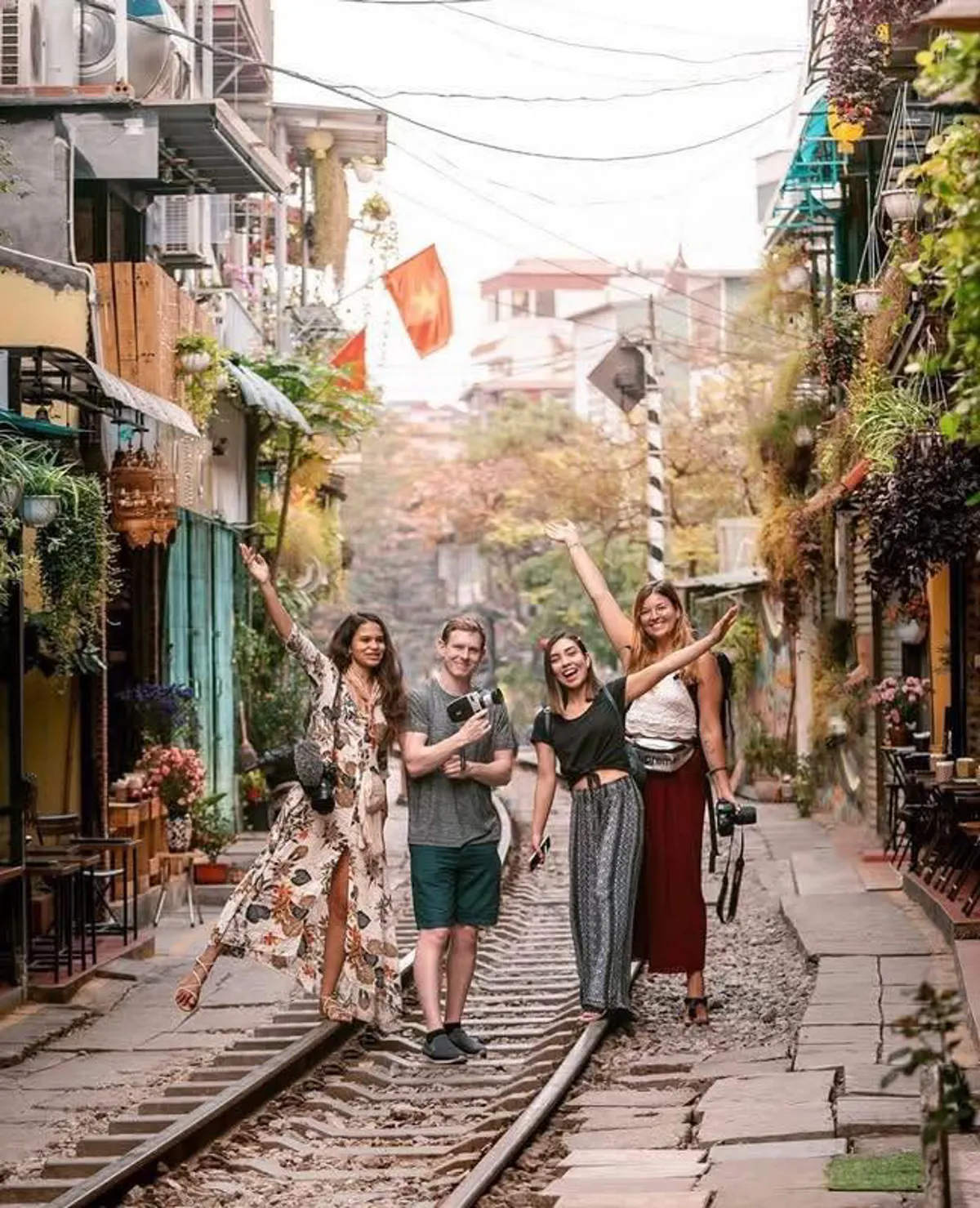
For Israeli citizens considering a visit to Vietnam, planning involves several key steps, from securing the correct entry permits to understanding travel logistics. The average flight duration from Jerusalem to Hanoi, including connections, is approximately 15 hours. This guide provides practical advice to help prepare for a rewarding experience in Southeast Asia.
Visa Procedures for Israeli Passport Holders
Obtaining a visa is a primary consideration for Israeli passport holders planning a holiday in Vietnam. There are two principal methods available for securing the necessary entry permit, catering to different preferences and timeframes.
The traditional approach involves applying for a Vietnam visa directly at the Vietnamese Embassy in Israel before your departure. This method is valid for entry at all Vietnamese borders, whether by air, land, or sea. The process typically requires submitting your original passport and a range of supporting documents, with a processing time of approximately 4-5 working days. The embassy's contact details are provided below for direct inquiries.
Alternatively, a more streamlined option involves utilizing a travel agent in Vietnam to facilitate an approval letter. This letter permits you to receive your visa stamp upon arrival at one of Vietnam's international airports. A travel consultant can assist with the necessary paperwork and send the approval letter via email or fax. Upon receiving this letter, you have two choices: either present it at the Vietnamese Embassy or Consulate in your home country to obtain the visa stamp beforehand, or opt for the visa on arrival service at a Vietnamese airport. For the latter, ensure you have a printed copy of your approval letter (which airlines may request before boarding) and a passport-sized photograph. Upon landing, proceed to the Visa on Arrival counter, present your documents, and pay the required stamp fee to the immigration officials. Completing the visa form in advance can help minimize waiting times at the immigration counter.
| Entity | Details |
|---|---|
| Vietnamese Embassy in Israel | |
| Address | 4th floor, Beit Asia – 4 Weizman street, Tel Aviv, Israel |
| Phone | (972) 36966304 or (972) 36966311 |
| Fax | (972) 36966243 |
| Website | http://www.vietnamembassy-israel.org/en/ |
| vnembassy.il@mofa.gov.vn |
Air Travel Routes from Israel to Vietnam
The geographical distance between Israel and Vietnam spans approximately 7,687 kilometers, making air travel the most practical and efficient mode of transport. Flights from Israel typically land at one of Vietnam's three primary international airports: Noi Bai International Airport in Hanoi (northern Vietnam), Da Nang International Airport in central Vietnam, or Tan Son Nhat International Airport in Ho Chi Minh City (southern Vietnam). The journey generally takes around 14 hours, including layovers, as direct flights are not commonly available.
A selection of airlines offers connecting services between the two countries, including carriers such as Cathay Pacific, Cathay Dragon, Korean Air, Vietnam Airlines, and Aeroflot Airlines. The choice of airline often depends on individual preferences for schedule and budget. It is generally advisable to book international airfares from your home country. While international flights are the primary concern, travelers often utilize various domestic transport options upon arrival, including overnight rail journeys for longer distances between cities.
Optimal Seasons for Visiting Vietnam
Vietnam is a destination that can be appreciated throughout the calendar year, owing to its considerable north-south length of nearly 2,000 kilometers, which results in varied weather patterns across its regions. Understanding these climatic differences is useful for planning your visit.
Northern Vietnam experiences four distinct seasons. Spring and autumn bring mild conditions, while summer, from June to August, is typically hot and humid, with temperatures occasionally reaching 40°C. This period also marks the rainy season, characterized by heavy downpours that can make low-lying delta areas feel particularly warm and sticky, sometimes leading to localized flooding. Following autumn, winter arrives with cooler temperatures and persistent fine mists. The northern mountainous areas share this general pattern but with noticeably cooler temperatures and the possibility of ground frosts.
In contrast, southern Vietnam is influenced by a tropical monsoon climate, featuring two main seasons: a dry period and a rainy period. Temperatures in the south remain relatively consistent throughout the year, usually ranging from 25°C to 35°C. The dry season extends from December to late April or May, while the rainy season occurs from May through November. Along the central coast, the rainfall pattern is reversed due to the northeast monsoon. This region is particularly susceptible to typhoons, which typically occur from August to November, bringing intense rain and strong winds, though weather conditions can be unpredictable.
Considering these regional variations, the period from September to April is widely regarded as the most favorable time to visit Vietnam. During these months, the country generally experiences lower rainfall, and temperatures are more agreeable across all regions, although some temperature differences between the north and the south will still be present.
Exploring Vietnam: Key Destinations and Tour Types
Planning a trip to Vietnam from Israel, especially for first-time visitors, can seem complex given the country's extensive offerings and numerous places to explore. Potential challenges might include language differences and the dynamic traffic systems. However, Vietnam provides a wide array of experiences, and various tour styles are available to suit different interests, such as cultural and historical explorations, adventure and discovery trips, culinary tours, beach holidays, or luxury getaways.
Starting Your Journey in Ho Chi Minh City
Ho Chi Minh City, located in the south, serves as a dynamic starting point for many travelers. This city is known for its energetic pace, diverse street food scene, and a blend of classic French colonial architecture with modern amenities, including upscale hotels and dining establishments. The city and its surroundings offer numerous activities, from walking tours to significant landmarks like the Notre-Dame Cathedral Basilica of Saigon, the Reunification Palace, and Ben Thanh Market. Excursions can extend to the Cu Chi Tunnels for historical insights or a cruise along the Saigon River. Further afield, visitors can explore the Mekong Delta, including the Cai Rang floating market, or reach nearby beaches and islands.
Discovering Hanoi and Northern Vietnam
Hanoi, the capital in the north, presents a somewhat calmer atmosphere compared to Ho Chi Minh City. It is recognized as a center of national cultural heritage and political history spanning over a millennium, often described as a living museum. The city's Old Quarter showcases a harmonious fusion of Eastern and Western influences, evident in its architecture, cuisine, and local customs, stemming from Chinese traditions and decades of French colonial presence. From Hanoi, visitors can access the country's northern mountainous areas, including Sapa, where the Fansipan cable car offers views of Indochina's highest peak. Other northern attractions include Ha Giang, Dien Bien Phu, Ninh Binh, and the iconic Halong Bay. The iconic Halong Bay is also a major draw, offering opportunities to explore its unique seascape and relax on its beaches.
Central Vietnam: Da Nang, Hoi An, and Hue
Da Nang, central Vietnam's largest urban center, functions as an important port and a convenient midpoint between Hanoi and Ho Chi Minh City. While the city itself is noted for its beaches and the Golden Bridge on Ba Na Hills, its strategic location makes it an excellent base for exploring the UNESCO World Heritage Sites of Hoi An to the south and Hue to the north. Visitors seeking a relaxing beach holiday combined with shorter excursions often choose to stay in the Da Nang area. Across Vietnam, from city markets to artisan workshops, visitors will find a diverse array of unique purchases and souvenirs to commemorate their travels.
For those with more extensive travel plans, combining a visit to Vietnam with other countries in Southeast Asia, such as Cambodia, Myanmar, Laos, and Thailand, is readily achievable.
Essential Contact Information for Israeli Citizens in Vietnam
While traveling in Vietnam, Israeli citizens may require assistance from their embassy. It is prudent to have the contact details for the Israeli Embassy in Hanoi readily available for any unforeseen circumstances or consular services.
| Entity | Details |
|---|---|
| Israeli Embassy in Hanoi, Vietnam | |
| Address | 10th floor – Hanoi Tower, 49 Hai Ba Trung, Hoan Kiem, Hanoi, Vietnam |
| Tel | (+84) 24 3718 7500 |
| Fax | (+84) 24 3843 5760 |
| Website | http://www.embassies.gov.il/hanoi |
| Working hours (verify upon travel) | Monday-Thursday: 09.00-16.30, Friday: 09.00-14.30 |
| Head of Mission | Mr Nadav Eshcar, Ambassador |
Frequently Asked Questions
What is the typical flight duration from Israel to Vietnam?
The average flight time from Jerusalem, Israel, to Hanoi, Vietnam, including connecting flights, is approximately 15 hours.
Are there direct flights between Israel and Vietnam?
Currently, direct flights between Israel and Vietnam are not commonly available. Travelers typically use connecting flights offered by various international airlines.
What are the primary visa options for Israeli passport holders visiting Vietnam?
Israeli passport holders can obtain a Vietnam visa either by applying at the Vietnamese Embassy in Israel before travel or by arranging a Visa on Arrival (VOA) approval letter through a travel agent, which allows them to get the visa stamp at a Vietnamese international airport.
When is the most favorable time of year to visit Vietnam?
The period from September to April is generally considered the most suitable time to visit Vietnam, as it experiences the lowest rainfall across the country and offers more pleasant temperatures.
Which major cities in Vietnam are popular starting points for tours?
Ho Chi Minh City in the south, Hanoi in the north, and Da Nang in central Vietnam are popular starting points for various tours, each offering access to distinct regional attractions and experiences.








