
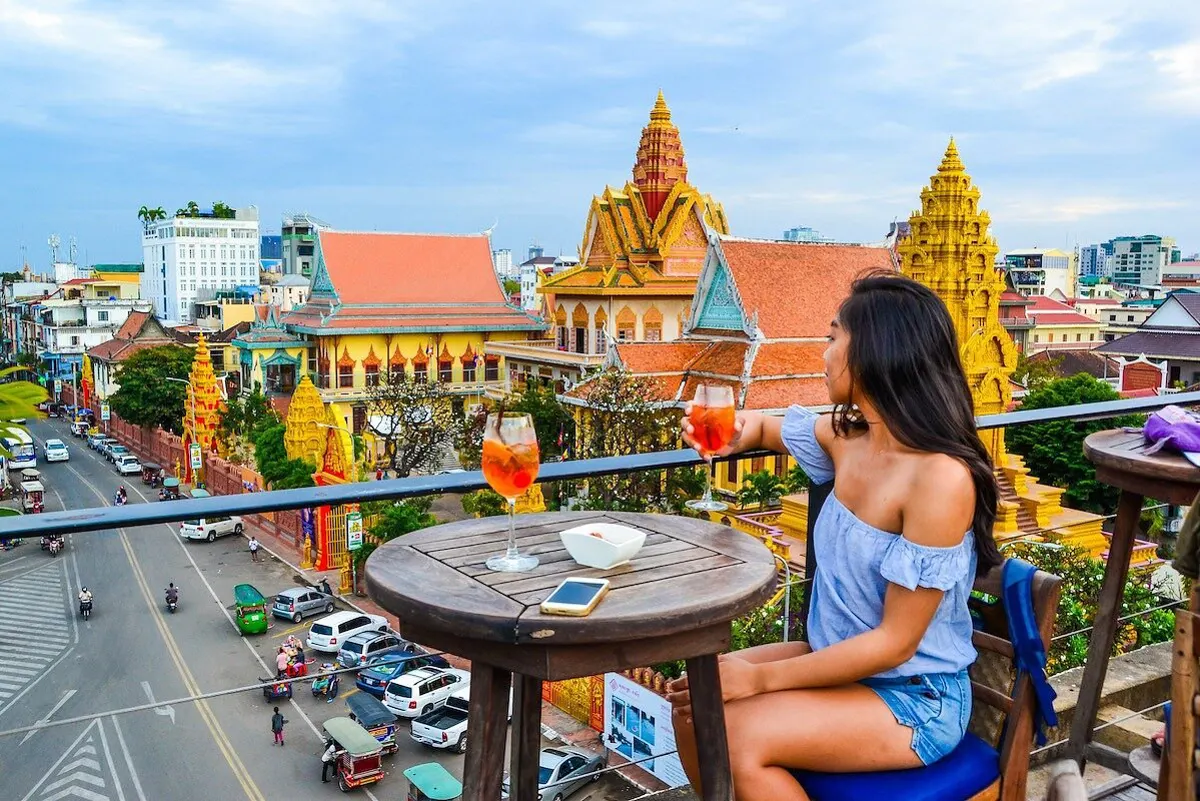
Phnom Penh in September experiences the height of Cambodia's monsoon season, characterized by frequent rainfall and high humidity. While this period presents certain travel considerations, it also offers a unique perspective on the city and its surrounding landscapes, often with fewer crowds and potentially lower travel costs. The verdant scenery, refreshed by the rains, provides a different kind of beauty compared to the dry season. Visitors planning a trip during this month should prepare for wet conditions but can still enjoy many aspects of the Cambodian capital, experiencing a more tranquil side of its cultural and natural offerings.
Understanding September Weather in Phnom Penh
September marks a significant period of the rainy season in Phnom Penh, with substantial precipitation and consistently warm temperatures. The city typically records an average monthly rainfall of 225 millimeters (approximately 18 inches), making it one of the wetter months of the year. This rainfall is distributed across about 12 wet days throughout the month. Travelers should anticipate regular downpours, which can sometimes be heavy and intense, but frequently last for only a short duration, often giving way to clear skies again.
Temperatures remain elevated, reflecting the tropical climate prevalent in Southeast Asia. The average monthly temperature hovers around 28.3°C (74.9°F). Daily highs can reach up to 33°C (80.6°F), while nighttime lows generally do not drop below 23°C, ensuring warm evenings. Humidity levels are notably high, averaging around 85%, which contributes to the feeling of warmth and can make the air feel heavy. Despite the frequent rain, there are still ample periods of sunshine, allowing for outdoor activities between showers. However, with an overall chance of rain around 60% on any given day, waterproof gear is considered a necessity for any September visit.
Advantages and Disadvantages of a September Visit
Traveling to Phnom Penh in September comes with both distinct benefits and potential drawbacks that visitors should carefully consider. One significant advantage is the potential for considerable cost savings. As September falls outside the peak tourist season, various travel services, including accommodations, guided tours, and transportation providers, often introduce more competitive pricing or special promotions. This can make a trip to the Cambodian capital more accessible for budget-conscious travelers.
Another notable benefit is the reduced number of tourists. With fewer international visitors, popular attractions, historical sites, and local dining establishments are generally less crowded. This allows for a more relaxed and intimate exploration of the city's cultural heritage and daily life. The decreased tourist volume also translates to greater convenience when booking services; availability for hotels and tours is typically higher, and last-minute arrangements are often more feasible without the need for extensive advance reservations. While spontaneous planning is easier, it is always prudent to have a few preferred options in mind to minimize any unexpected inconveniences. This quieter atmosphere can also provide a more authentic and personal experience, allowing travelers to observe local customs and interactions without the distractions of large tour groups.
Conversely, the rainy season presents several inherent challenges. The frequent rainfall and high humidity can make extended outdoor activities less comfortable or, at times, impractical. There is also a risk of localized flooding in certain low-lying areas of the city and its surroundings, which can disrupt travel plans, impede pedestrian movement, and make navigation difficult. Strong wind gusts can accompany some of the more intense storms, potentially creating hazardous conditions, particularly for activities like boat rides on larger rivers or lakes, where waves can become significant. For safety, it is generally advised to exercise caution and potentially avoid activities such as mountain hiking or overnight stays in remote wilderness areas during this period due to the increased risk of slippery paths, mudslides, and flash floods.
Recommended Activities for September Travelers
Despite the wet weather, September offers unique opportunities to experience Phnom Penh and its surrounding regions in a distinct light. The landscape undergoes a dramatic transformation, with tropical forests appearing exceptionally lush and rice fields becoming a vibrant green, often partially submerged. This period is considered particularly ideal for exploring the Cambodian countryside, as the initial flooding of fields creates striking natural scenery that is different from the dry season.
Boat excursions along the Mekong and Tonle Sap rivers are a popular and rewarding choice, providing a different perspective of the city and its natural environment. Travelers can observe local riverine life, spot various bird species such as white storks, and enjoy the tranquil beauty of the riverbanks. Venturing upstream towards Tonle Sap Lake offers a chance to tour mangrove areas and local floating villages, showcasing the unique lifestyle of communities living on the water. For those with an interest in local agriculture or wildlife, visits to nearby crocodile farms can be arranged. After a day of exploration, enjoying a fresh meal at a riverside restaurant can be a particularly pleasant experience, especially as the air cools and becomes more comfortable in the evening. For travelers seeking indoor entertainment or a way to cool off without venturing far from the city center, local water parks provide a family-friendly alternative. Additionally, exploring Cambodian and international cuisine is a rewarding activity that can be enjoyed regardless of the weather, with numerous local eateries and upscale restaurants offering a diverse range of dishes.
Practical Advice for Traveling in Phnom Penh During September
Careful and thorough preparation is paramount for ensuring a comfortable and safe trip to Phnom Penh in September. Packing appropriate gear is essential. This should include a robust nylon backpack cover or a completely waterproof bag to safeguard electronics, documents, and other valuables from moisture. It is also advisable to individually wrap clothing and other sensitive items in thick, large plastic bags within your luggage; this provides an extra layer of protection, ensuring garments remain dry even if your main bag becomes wet.
Raincoats are an indispensable item for this time of year. Opt for a lightweight, durable raincoat or poncho that allows for ease of movement and helps keep your body and feet dry during the inevitable downpours. While raincoats are crucial, a compact umbrella can also be useful for shorter showers or when navigating crowded areas. Beyond rain gear, consider assembling a personal medical kit containing basic first-aid supplies such such as bandages, antiseptic wipes, pain relievers, and any necessary personal prescription medications. This can be invaluable in addressing minor ailments or unexpected accidents in a foreign place. For more serious concerns, understanding local healthcare options is important, and resources like a guide to healthcare facilities can be helpful, even if for a different region, for general preparation.
Monitoring the local weather forecast diligently both before your departure and throughout your trip is highly recommended. This allows for flexible planning of daily activities and destinations, enabling you to adjust your itinerary as needed. Travelers might need to consider modifying plans or even cancelling certain outdoor excursions if severe weather, such as prolonged heavy storms, is predicted, prioritizing personal safety above all else. During intense stormy conditions, it is best to avoid coastal areas or mountainous regions. Swimming in the ocean during heavy rain is generally not advised due to potentially strong currents, reduced visibility, and increased risks. Similarly, engaging in activities like climbing or trekking on rainy days can be extremely risky due to slippery paths and an increased likelihood of landslides or rockfalls. While September's weather has its own unique characteristics and beauty, being prepared for regular storms can significantly help in preventing disruptions to your planned itinerary and ensuring a more enjoyable experience.
Frequently Asked Questions
Is September a good month to visit Phnom Penh?
September falls within Phnom Penh's rainy season, characterized by frequent rainfall and high humidity. While it's not considered peak tourist season, it offers advantages like fewer crowds and potentially lower travel costs. Many travelers find the lush, rain-refreshed landscapes and unique atmosphere appealing, provided they are adequately prepared for the weather conditions.
What kind of clothing should I pack for Phnom Penh in September?
Lightweight, breathable clothing made from quick-drying fabrics is highly recommended due to the warm and humid conditions. Crucially, pack waterproof items such as a rain jacket or poncho, and consider waterproof covers for your backpack or day bag to protect your belongings. Sandals or waterproof shoes are also practical choices.
Will the rain in September significantly affect my travel plans?
Rainfall in September often occurs in intense but relatively short bursts, rather than prolonged, all-day downpours. This allows travelers to typically plan activities around the showers. However, heavy or continuous rain can cause localized flooding in certain areas and may impact outdoor excursions, especially those involving extensive walking or open water. Always check local forecasts and be flexible with your plans.
Are there any specific activities to avoid in Phnom Penh during September?
During periods of heavy rain or stormy conditions, it is advisable to avoid activities that could become hazardous. This includes mountain trekking due to slippery trails and the potential for landslides, or swimming in large bodies of water like the ocean due to strong currents and reduced visibility. Boat trips might also be affected by strong winds and large waves, so it's essential to verify current conditions with local operators before embarking.
Are tourist attractions open as usual during the rainy season?
Most major tourist attractions in Phnom Penh, including historical sites, museums, and cultural venues, generally remain open during the rainy season. However, access to some less developed or outdoor-focused sites might be more challenging due to muddy conditions or temporary closures during severe weather. It is always a good practice to confirm opening hours and accessibility with the specific venue before your visit.








