
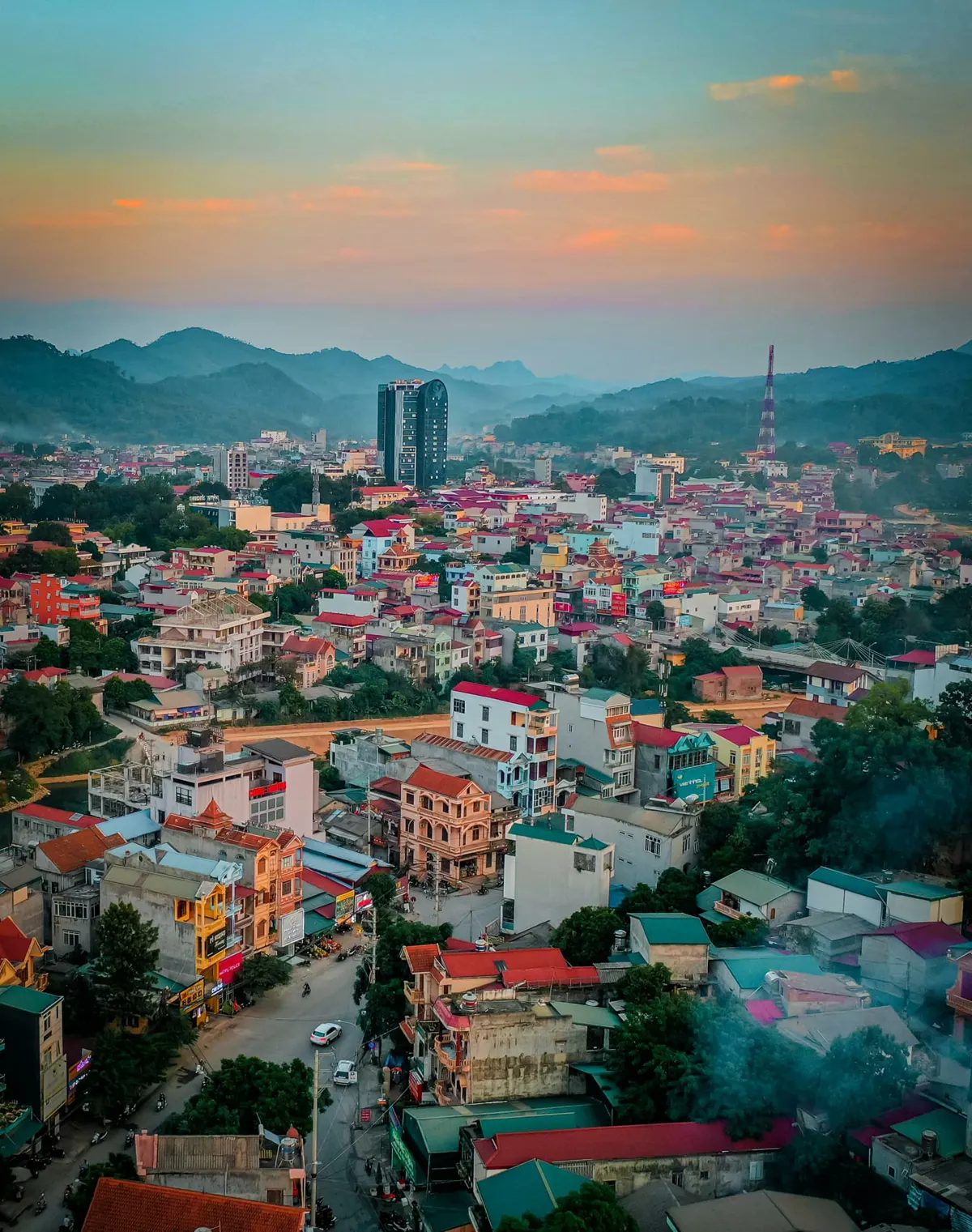
The most favorable time to plan a trip to Ban Gioc Waterfall, situated in northern Vietnam, is generally from September through October. During these months, the region transitions from the wet season, presenting the waterfall in a more settled yet powerful state, with pleasant weather conditions for exploration.
The Grandeur of Ban Gioc Waterfall
Ban Gioc Waterfall, located approximately 20 kilometers from Cao Bang City in Vietnam's northern reaches, stands as a significant natural spectacle. It holds the distinction of being the widest waterfall within Vietnam and is recognized as the largest in Asia. Globally, it ranks as the fourth-largest waterfall shared by two nations, following Iguazu Falls, Victoria Falls, and Niagara Falls.
Cascading from a height of 70 meters, the water descends over multiple levels, framed by dense foliage and striking karst formations. The falls extend over 300 meters, marking a natural boundary between Vietnam and China. Different sections of the waterfall exhibit varied flows, from forceful torrents over steep drops to gentler currents that create a fine mist in the air. The surrounding area features a diverse natural setting, including rock walls, bamboo groves, and dense jungles.
Optimal Seasons for Experiencing Ban Gioc
While Ban Gioc Waterfall welcomes visitors throughout the year, the period from September to October is widely considered the most advantageous for a visit. This timeframe marks the conclusion of the region's rainy season, resulting in a more controlled and visually striking water flow. The surrounding environment during these months is often described as particularly appealing.
During early autumn, the weather conditions are agreeable, contributing to a comfortable experience for travelers. The Quay Son River, which feeds the falls, often displays a distinct turquoise hue, complemented by a gentle mist and a shimmering appearance when sunlight filters through. This period also coincides with the golden harvest season for local rice fields, adding another layer of scenic beauty to the mountainous backdrop, creating a harmonious landscape often sought by photographers.
Seasonal Variations at the Falls
The landscape around Ban Gioc Waterfall transforms with each passing season, offering distinct views for those who visit at different times. In spring, the area comes alive with the blooming of flame-red flowers, providing a contrast to the water's flow. As autumn progresses beyond the peak visiting months, the surrounding vegetation often takes on a golden appearance.
Conversely, the wettest months, typically from June to August, are generally less recommended for a visit. Heavy rainfall during this period significantly increases the volume and force of the water, which can cause different sections of the waterfall to merge into a single powerful cascade. The extensive spray generated during these months can also make photography challenging and reduce visibility. In contrast, winter sees the water flow at a slower pace, creating a different, more subdued visual.
| Season | Typical Conditions | Water Flow | Photography |
|---|---|---|---|
| September - October (Autumn) | Pleasant climate, clear skies, golden rice fields | Substantial but calmer, turquoise river | Excellent, less spray |
| Spring | Flame-red blossoms, fresh greenery | Moderate | Good |
| Summer (June - August) | Heavy rain, high humidity | Strong, forceful, tiers may merge | Challenging due to heavy spray |
| Winter | Cooler temperatures | Slower, more subdued | Good, clear air |
Journeying to Ban Gioc Waterfall
Travelers typically access Ban Gioc Waterfall by first reaching Cao Bang City from Hanoi. Several transportation methods are available for this journey, catering to different preferences and budgets.
Public bus services operate frequently from Hanoi's My Dinh Station to Cao Bang, with departures occurring hourly throughout the day. The travel time for this segment is approximately 8.5 hours. Fares for a one-way ticket generally range from US $8 to US $12, depending on the service type and time of travel; visitors should confirm current pricing. Overnight bus options, often equipped with sleeper berths, are also available. Upon arrival in Cao Bang, a subsequent bus ride from the local station will complete the journey to Ban Gioc Waterfall. For those planning longer distance travel within Vietnam, overnight rail journeys in Vietnam offer another option, though not directly to Cao Bang.
For those seeking a more structured travel experience, vans and organized tour buses can be arranged through various accommodations, including hostels, hotels, and guesthouses, or via local travel agencies. Opting for an organized tour is often suggested for convenience, as arrangements for transport and other logistics are typically handled by consultants. Adventurous individuals may choose to travel by motorbike, a choice that offers the opportunity to navigate scenic routes through verdant valleys and over dramatic karst mountain passes across northern Vietnam.
Activities and Perspectives at the Falls
Visitors to Ban Gioc Waterfall have several options for experiencing its scale and beauty up close. Along the Vietnamese side of the falls, elevated wooden walkways guide individuals over flowing water, leading towards the sandy areas beneath the central cascades. These pathways provide various vantage points for appreciating the natural surroundings.
A popular activity involves taking a bamboo raft ride to approach the base of the waterfall. These rides typically last around 10 minutes and cost approximately US $2 (verify current pricing). The rafts are distinguishable by the color of their canopies: green indicates a raft operating from the Vietnamese side, while blue signifies one from the Chinese side.
For a different perspective, some travelers choose to locate the path leading to a hilltop pagoda. Ascending the slopes near the waterfall can offer expansive views of the karst valley below, providing a broader understanding of the region's geography. The area also presents numerous opportunities for photography, from open grassy banks to large rocks within the river, allowing for diverse compositional choices. Beyond the immediate surroundings of the falls, visitors exploring northern Vietnam might also consider seeking out unique local products and traditional crafts as part of their broader travel experience.
Frequently Asked Questions
What is the best month to visit Ban Gioc Waterfall?
The most recommended months to visit Ban Gioc Waterfall are September and October. This period follows the main rainy season, offering clearer weather, a substantial yet controlled water flow, and comfortable temperatures.
How long does it take to get to Ban Gioc Waterfall from Hanoi?
The journey from Hanoi to Ban Gioc Waterfall, typically involving a bus ride to Cao Bang City and then a local connection, generally takes about 8.5 hours for the main bus segment, plus additional time for transfers.
Are there activities available at Ban Gioc Waterfall?
Yes, visitors can walk on elevated wooden pathways along the falls, take short bamboo raft rides to get closer to the cascades, and for those seeking panoramic views, a climb to a nearby hilltop pagoda is an option.
What makes Ban Gioc Waterfall unique?
Ban Gioc Waterfall is notable for being the widest waterfall in Vietnam and the largest in Asia. It is also one of the world's largest national-bordered waterfalls, shared between Vietnam and China, featuring a multi-tiered cascade over 70 meters high and spanning more than 300 meters.
Is it advisable to visit Ban Gioc Waterfall during the summer?
Visiting during the summer months (June to August) is generally less ideal due to heavy rainfall. This leads to a much stronger water flow, increased spray that can hinder photography, and potentially less comfortable conditions for exploring the area.








