
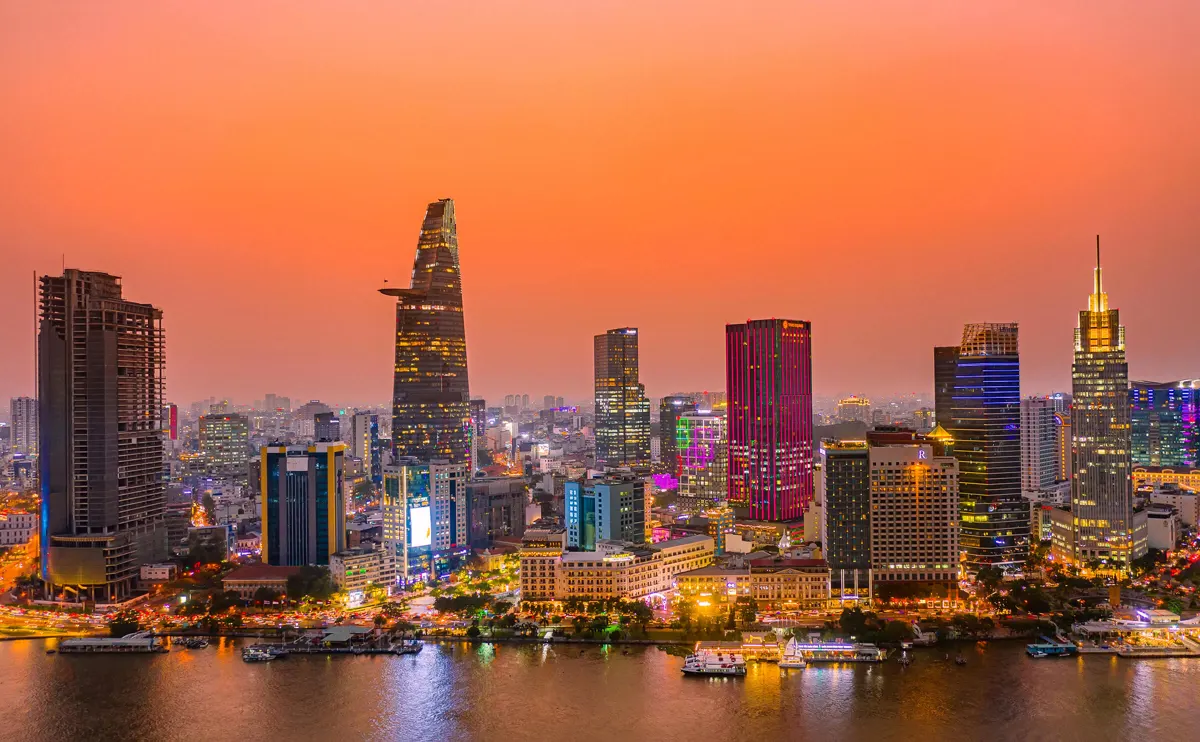
The Municipal Theatre of Ho Chi Minh City, widely recognized as the Saigon Opera House, is a significant architectural landmark and a cultural hub in Vietnam's largest city. Completed in 1900, this structure showcases French colonial design and serves as a primary venue for national ballet, orchestral performances, and opera. Beyond its artistic role, the theatre also hosts various major events and was officially designated a national relic in 2012.
A Glimpse into History
The origins of theatrical performances for the French community in Saigon date back to 1863, following the French conquest of Cochinchina. Initially, shows were held in temporary wooden structures. By 1898, construction commenced on a dedicated theatre building at the site of a previous temporary venue, culminating in its inauguration on January 1, 1900.
During the interwar period, despite municipal funding covering operational expenses, the theatre experienced a decline in regular attendance due to the rise of alternative entertainment options like nightclubs. Consequently, performances became infrequent, primarily featuring occasional concerts and traditional Vietnamese Cai Luong programs. In 1943, some ornamental elements and statues were removed from the façade in an effort to modernize its appearance. The theatre sustained considerable damage from Allied aerial attacks in 1944, leading to its closure. After the Geneva Accords in 1954, it temporarily housed French civilians relocating from North Vietnam. In 1955, the building underwent renovation and was repurposed as the Congress House for the Republic of Vietnam, later known as the Lower House. Following 1975, the structure reverted to its original purpose as a performing arts venue. A major restoration project in 1998 aimed to preserve its original French architectural style, coinciding with Saigon's 300th anniversary. In 2005, external lighting was installed to enhance its nighttime appearance. A small park with fountains that once stood in front of the theatre was later removed to facilitate the construction of Ho Chi Minh City's first metro line, which began in 2008. As of 2012, the Municipal Theatre holds national relic status and remains a celebrated location for cultural and entertainment activities.
Architectural Grandeur
The construction of the Saigon Opera House began in 1898 and concluded in 1900, encompassing an area of nearly 3,200 square meters. Its design reflects the distinctive style associated with architect Félix Olivier, with supervision provided by French architects Ernest Guichard and Eugène Ferret. The building's aesthetic draws inspiration from prominent Parisian structures of the era, such as the Palace Garnier and the Petit Palais.
Externally, the theatre features stone-carved decorations and statues adorning its entrance. It was built more than two meters above street level and incorporates a double set of doors, designed to mitigate external traffic noise. Inside, the auditorium originally offered seating for 1,800 people across a main orchestra level and two upper tiers. The architectural details, including arched windows with raised railings, exhibit a strong classical French influence. Many interior materials, such as polished granite floors, crystal chandeliers, stone figures, stair railings, cartouches, and ceiling elements, were imported directly from France. The venue is equipped with contemporary electrical, lighting, and sound systems, designed to contain acoustics within the theatre. Today, the Saigon Opera House accommodates nearly 500 attendees in its oval auditorium, featuring plush velvet seating that ensures clear views from every position. The building is a notable sight in Ho Chi Minh City, captivating observers both day and night, especially when illuminated with colorful lights after dusk. It stands as a counterpart to the Hanoi Opera House, constructed between 1901 and 1911.
Performances and Cultural Events
The Municipal Theatre serves as the primary base for the Ho Chi Minh City Ballet Symphony Orchestra and Opera. It hosts a diverse array of performances, including classical concerts, opera productions, ballet, traditional and contemporary Vietnamese dance, and theatrical plays. The venue is particularly recognized for its evening cultural presentations.
Among the popular shows regularly staged here are:
- A O Show: This performance combines elements of bamboo circus, acrobatics, contemporary dance, and traditional Vietnamese music with theatrical visual arts. The name “A O” is derived from “Lang Pho,” signifying village and city, and the show explores the contrast between the cultural richness of rural Vietnamese life and the rapid pace of urbanization. This hour-long production offers audiences an artistic and emotional perspective on Vietnam.
- Teh Dar: Meaning “going to the circle” in the K’Ho highland tribe’s language, Teh Dar transports viewers into the realm of Vietnamese highlanders through untold stories. It presents an engaging cultural show featuring a blend of bamboo cirque and acrobatics, accompanied by live music performed on traditional tribal instruments.
- The Mist: This production narrates the story of Southern Vietnamese farming life through neo-classical and modern dance, performed by skilled artists. Utilizing rice cultivation as a central metaphor, the show honors the dedication and challenges faced by farmers, from the misty fields at dawn to the moment of harvest. This hour-long performance evokes a range of emotions through live music, visual effects, and dynamic lighting. The costumes incorporate traditional “ao ba ba,” “ao dai,” and robes, complemented by wooden clogs.
The Municipal Theatre is located at: No. 7 Cong Truong Lam Son Street, District 1, Ho Chi Minh City.
Planning Your Visit
For those interested in acrobatics and cultural showcases, attending a performance at the Saigon Opera House is highly recommended. Individuals with an interest in architecture may consider signing up for the short theatre tours offered before certain performances. Ticket prices vary depending on the specific show and seating category.
Visitors are generally advised to wear smart casual attire, with more formal dress appropriate for special occasions. Due to potential high demand, particularly on weekends or during the Tet holiday, it is advisable to book show tickets in advance. The Municipal Theatre does not have standard public opening hours or an entrance fee, as access is primarily for ticketed events and performances. Ticket costs fluctuate based on the event type, timing, and seat class. For current schedules, visitors can consult the Lune Production website (https://www.luneproduction.com/saigon-opera-house) or visit the box office adjacent to the theatre, which operates daily from 9:00 AM to 4:30 PM. Tickets can be purchased directly at the box office, online, or through travel assistance services, with e-tickets typically delivered via email. For managing finances during your trip, consider reviewing banking services in Ho Chi Minh City.
Exploring the Surroundings: Nearby Attractions
The Saigon Opera House is centrally located, making it convenient to visit several other notable landmarks in Ho Chi Minh City. Here is a summary of nearby points of interest:
| Attraction | Location | Distance from Opera House | Operating Hours | Entrance Fee / Notes |
|---|---|---|---|---|
| Nguyen Hue Pedestrian Street | Nguyen Hue Street, Ben Nghe Ward, District 1, Ho Chi Minh City | 300m (~4 mins walk) | 24 hours daily | Free. Especially lively on weekend nights. |
| Saigon Notre-Dame Cathedral | No.1 Cong Xa Paris Street, Ben Nghe Ward, District 1, Ho Chi Minh City | 500m (~7 mins walk) | Currently under renovation | Free to view from outside. |
| Ben Thanh Market | Le Loi Street, Ben Thanh Ward, District 1, Ho Chi Minh City, Vietnam | 800m (~10 mins walk) | Daily 7:00 AM – 6:00 PM (Day Market); 6:00 PM – 12:00 AM (Night Market at East Gate – Phan Boi Chau Street and West Gate – Phan Chu Trinh Street) | Free entry. Offers clothing, textiles, handicrafts, fresh food, and flowers. For unique purchases, explore essential souvenirs and unique purchases. |
| Independence Palace | No. 135 Nam Ky Khoi Nghia Street, Ben Thanh Ward, District 1, Ho Chi Minh City | 1km (~12 mins walk) | 8:00 AM – 5:30 PM (Ticket sales: 8:00 AM – 4:00 PM) | 40,000VND/adult, 10,000 VND/child. Additional 25,000 VND/adult, 5,000 VND/child for "From Norodom Palace to Independence Palace 1868 – 1966" exhibit. |
| Central Post Office | No. 2 Cong Xa Paris Street, District 1, Ho Chi Minh City | 550m (~8 mins walk) | 7:00 AM – 7:00 PM (Mon-Fri); 8:00 AM – 6:00 PM (Sat-Sun) | Free. |
| People’s Committee Building (Saigon City Hall) | 86 Le Thanh Tong Street, District 1, Ho Chi Minh City | 300m (~4 mins walk) | Exterior viewing only | Free to view and photograph outside. |
| Ho Chi Minh City Museum of Fine Arts | 97A Pho Duc Chinh Street, District 1, Ho Chi Minh City | 1km (~12 mins walk) | 8:00 AM – 5:00 PM | 30,000VND/adult. |
Getting to the Municipal Theatre
Given its central location in Ho Chi Minh City, the Saigon Opera House is easily accessible. Many visitors find it convenient to reach on foot if they are staying in the immediate vicinity. For those located further away, taxis or motorbikes are readily available transportation options. Considering a private car or van offers the most flexibility, especially if you plan to combine your visit with other significant attractions throughout the day.
Frequently Asked Questions
What is the official name of the Saigon Opera House?
The official name is The Municipal Theatre of Ho Chi Minh City.
When was the Saigon Opera House constructed?
Construction began in 1898 and the theatre was inaugurated on January 1, 1900.
Can I visit the Saigon Opera House without attending a show?
Generally, the Saigon Opera House is open to the public only during scheduled events and performances. There are no standard public visiting hours or entrance fees for general access. Some performances may offer short architectural tours before the main event.
How can I purchase tickets for performances?
Tickets can be bought directly at the theatre's box office, which operates daily from 9:00 AM to 4:30 PM. They are also available online through the Lune Production website or via travel assistance services, often delivered as e-tickets.
What kind of shows are typically held at the Municipal Theatre?
The theatre hosts a variety of performances, including classical concerts, opera, ballet, traditional and modern Vietnamese dance, and theatrical plays. Popular shows include the A O Show, Teh Dar, and The Mist.








