
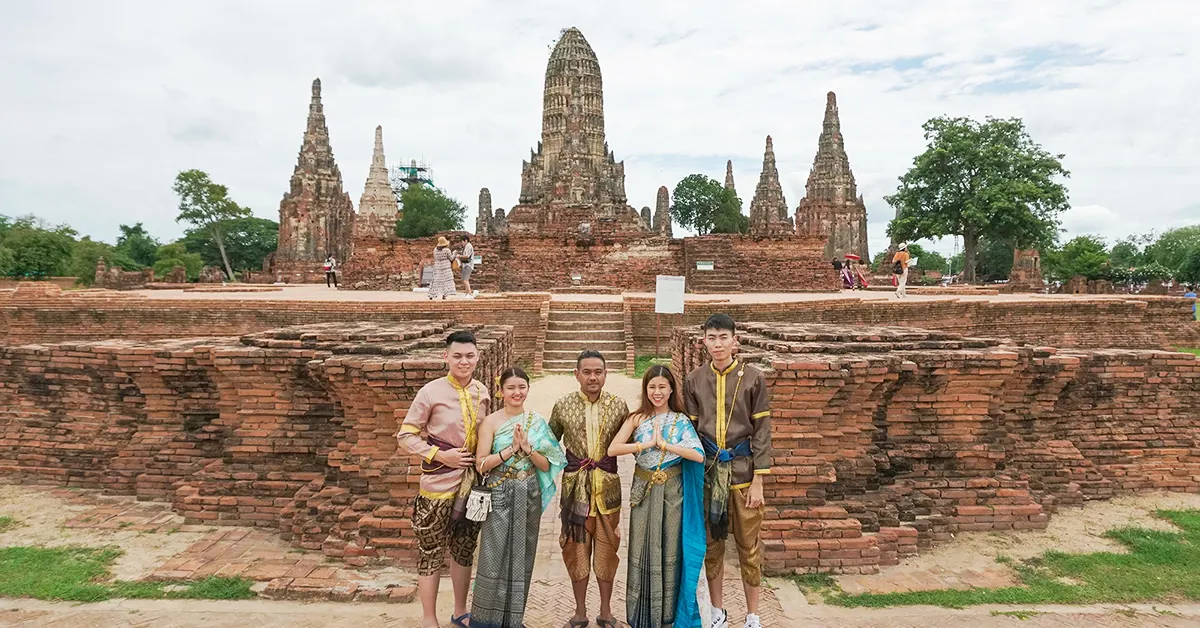
Thailand experiences a distinct rainy season, frequently referred to as the monsoon season, which generally extends from May through October. Although this period sees increased rainfall, it also offers particular benefits for travelers, including reduced crowds, lower prices, and a chance to see the country's landscapes at their most verdant. Understanding the regional variations and preparing appropriately can lead to a rewarding visit.
Understanding Thailand's Monsoon Season
Thailand's climate is characterized by three main seasons: hot, cool, and rainy. The rainy season, or monsoon season, typically runs from May to October across much of the country. During these months, areas such as Bangkok, Phuket, and Chiang Mai commonly experience daily rainfall. However, the exact timing and intensity of the monsoon can vary significantly by region.
For instance, while most of Thailand is in its rainy phase, the southern coast around Koh Samui often experiences its peak tourist season from May to October, with its rainy period occurring later, from November to February. This regional difference means that even during the general monsoon season, travelers can find drier destinations within the country. While some visitors may avoid this time due to high humidity and the possibility of severe weather, others choose it specifically for the cooler temperatures after rain and the refreshed natural scenery.
Advantages of Traveling During the Rainy Season
Despite the perception of constant rain, visiting Thailand during the monsoon season offers several appealing benefits that can enhance a trip.
Significant Sales and Shopping Opportunities
The monsoon period often coincides with major sales events, particularly in Bangkok. Many retailers, from large shopping complexes like Siam and Central World to weekend markets such as Chatuchak, Artbox, and The Camp, offer substantial price reductions. This makes it an opportune time for visitors to find appealing deals on various items, including decorations, bags, and local souvenirs. These markets, especially those specializing in fashion products, attract many shoppers with their discounted services.
Abundant Fresh Fruits
The rainy season is an ideal time to enjoy a variety of tropical fruits in Thailand. Rambutan, mangosteen, and durian are particularly plentiful and flavorful during these months. To experience this bounty, travelers can visit several floating markets. Damnoen Saduak is recognized as Thailand's oldest floating market, while Taling Chan market is situated approximately 12 kilometers from the capital. Amphawa, located about 80 kilometers from Bangkok, also offers a traditional market experience. At these locations, boats are often laden with fresh produce. Additionally, Bangkok's Or Tor Kor Fruit Market is celebrated for its diverse and colorful fruit selection, where visitors can often sample items before making a purchase.
| Market Name | Proximity to Bangkok | Noteworthy Features |
|---|---|---|
| Damnoen Saduak | Not specified, but oldest | Renowned as Thailand's oldest floating market |
| Taling Chan | Approximately 12 kilometers from the capital | Offers a traditional market experience close to Bangkok |
| Amphawa | Around 80 kilometers from Bangkok | Known for its evening market atmosphere |
| Or Tor Kor Fruit Market | Located within Bangkok | Celebrated for its wide selection of colorful fruits, tasting encouraged |
Engaging Activities for Rainy Days
Even with rain, there are unique activities to pursue. From July to late October, the Khek River in Phitsanulok City, Northern Thailand, hosts a rafting festival. This river features numerous narrow bends and sections resembling waterfalls, and the fast-flowing water during the monsoon season provides an exciting experience for participants. The rafting journey typically covers about eight kilometers and lasts around three hours. After the activity, visitors can enjoy Arabica coffee harvested from local farms around Phitsanulok at the Kaeng Song Festival.
For those preferring indoor activities, watching Muay Thai, Thailand's traditional martial art, is an excellent option. Bangkok hosts two of the largest Thai boxing arenas, Lumpinee Stadium and Rajadamnern Stadium, which draw large audiences daily. Near Sanam Luang Park (close to Khao San Road), an arena sometimes allows foreign visitors to participate in exhibition matches during events like the Queen's Cup. Alternatively, for those interested in the sport without the direct combat, 'Muay Thai Live' offers a theatrical performance daily in the Asiatique shopping area along the Chao Phraya River.
Potential Challenges of Monsoon Travel
While the rainy season offers distinct advantages, travelers should also be aware of potential drawbacks that might affect their plans.
One common challenge is the occurrence of sudden, heavy downpours, which can leave travelers wet and increase the risk of illness if not properly prepared. Furthermore, significant rainfall can sometimes lead to localized flooding, making streets dirty and slippery, which may pose safety concerns for pedestrians and motorists alike. These conditions can disrupt travel plans and make getting around more difficult.
Another consideration is that some hotels and restaurants might operate with reduced hours or temporarily close during the monsoon season, as it is generally not the peak tourist period. This could limit choices for accommodation and dining in certain areas. Therefore, visitors should research specific venues in advance if traveling during these months.
Preparing for Travel During Thailand's Monsoon Season
Careful preparation is key to a comfortable and enjoyable trip during Thailand's rainy season. Anticipating the weather and packing appropriately can significantly mitigate potential inconveniences.
Before each leg of your journey, it is advisable to consult weather forecasts diligently. Online resources provide up-to-date information, allowing you to plan your daily activities and select destinations that might be less affected by rain. Flexibility in your itinerary can also be beneficial, allowing for adjustments based on real-time weather conditions.
Instead of bulky luggage, a convenient waterproof backpack is highly recommended. This ensures that personal belongings, electronics, and important documents remain dry, regardless of the weather. Additionally, always carry a lightweight raincoat. Being caught in a sudden downpour without protection can lead to discomfort and potentially illness. A compact, foldable raincoat stored at the bottom of your bag provides readily available protection.
Frequently Asked Questions
Is it always raining during Thailand's monsoon season?
No, it does not rain continuously. While daily rainfall is common, especially in the afternoon, showers are often intense but brief. There are still many hours of sunshine, allowing for outdoor activities, particularly in the mornings.
Are all parts of Thailand affected by the monsoon at the same time?
The general monsoon season runs from May to October for most regions, including Bangkok, Phuket, and Chiang Mai. However, islands in the Gulf of Thailand, like Koh Samui, Koh Phangan, and Koh Tao, experience their heaviest rainfall from November to February, making May to October a drier period for them.
What kind of clothing should I pack for the rainy season?
Lightweight, quick-drying clothing is ideal. Include a waterproof jacket or a compact raincoat, and waterproof shoes or sandals. An umbrella can also be useful for navigating short distances in light rain.
Is transportation affected during the monsoon season?
Heavy rains can sometimes cause localized flooding, which may lead to delays or temporary disruptions in road transport, especially in urban areas. Flights and boat services are generally less affected unless there are severe storms, which are less common but can occur.
Are beaches still enjoyable during the rainy season?
While some days may be overcast or rainy, many beaches remain pleasant. The sea might be rougher on certain days, affecting swimming or water sports. However, the reduced crowds often mean a more peaceful beach experience, and there are still plenty of sunny intervals.








