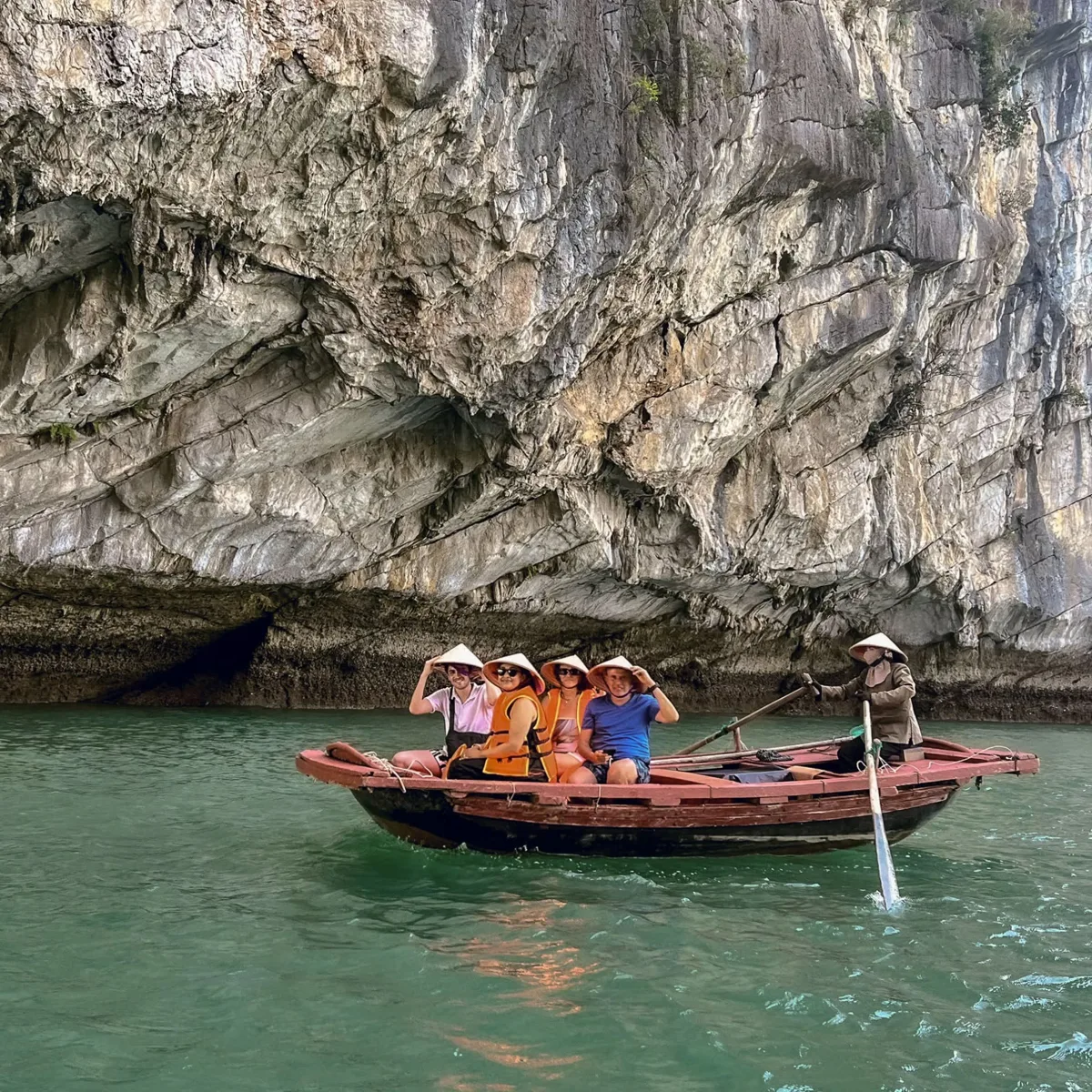
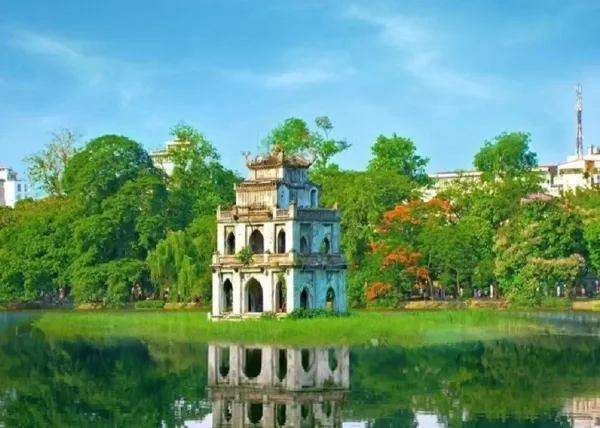
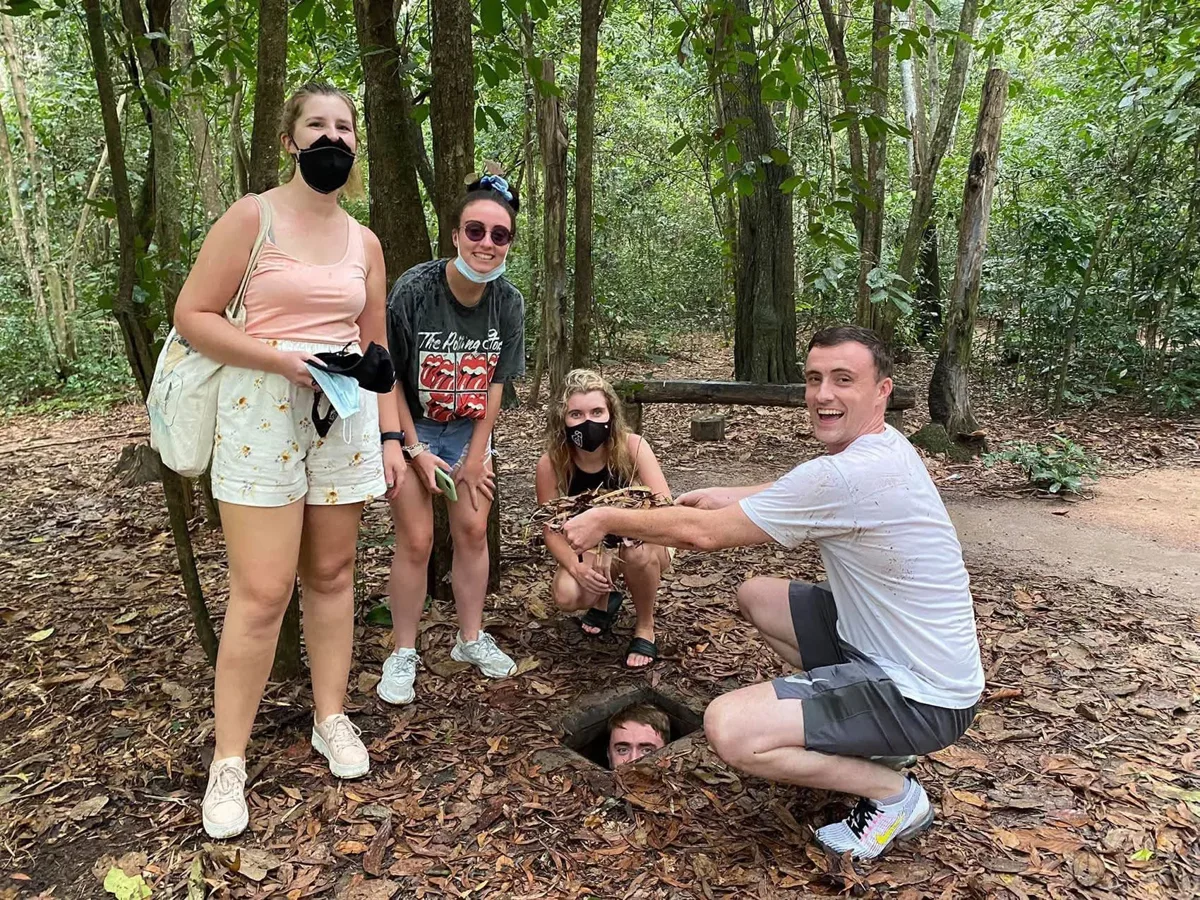
Vietnam offers an incredible spectrum of urban experiences, from ancient cultural centers to modern metropolises and serene island retreats. Travelers can explore a country rich in history, diverse natural environments, and unique local traditions. Deciding which places to include in an itinerary can be challenging, given the multitude of compelling options available across its length and breadth.
Northern Vietnam's Cultural and Mountainous Highlights
Hanoi: The Enduring Capital
Hanoi, Vietnam's capital, presents a compelling fusion of historical depth and contemporary life, showcasing traditional Vietnamese customs intertwined with significant French architectural influences. Visitors often find themselves drawn to the lively atmosphere of weekend activities around Hoan Kiem Lake, or exploring the narrow lanes of the Old Quarter, with evenings coming alive along Ta Hien Street. For peaceful moments, the serene sunsets over West Lake or a leisurely walk along Phan Dinh Phung Street provide a contrast. Beyond the central districts, excursions to Duong Lam Village reveal ancient architecture, while Bat Trang Pottery Village and Van Phuc Silk Village offer insights into traditional crafts.
The city also serves as a key destination for historical and cultural discovery, with sites like the Museum of Ethnology, Thang Long Imperial Citadel, and Hoa Lo Prison offering powerful narratives. French colonial architecture is visible in landmarks such as the Long Bien Bridge, the Hanoi Opera House, and St. Joseph's Cathedral. Van Mieu, Vietnam's first university, is an important stop, alongside traditional water puppetry performances. Hanoi's culinary scene is a highlight, with specialties like Egg Coffee, the renowned Pho noodle soup, Bun Cha, Banh Mi, La Vong Grilled Fish, Banh Cuon, and Vietnamese Shrimp Fritters. Visitors can explore the specific regional variations of this iconic dish by consulting a guide to Pho varieties.
Sapa: A Highland Trekking Destination
Sapa, situated in the northern mountains, offers an authentic experience amidst dramatic natural scenery, characterized by majestic mountains, dense forests, and expansive terraced rice fields. It is a favored spot for walking and hiking, with the Muong Hoa Valley noted for its stunning rice terraces. Exploring local communities such as Cat Cat, Y Linh Ho, or Ta Van allows visitors to observe the daily routines of ethnic minority groups and learn about their customs; many local families welcome guests into their homes for overnight stays. Traditional meals like Salmon, Stream Fish, and Bamboo-Tube Rice are available.
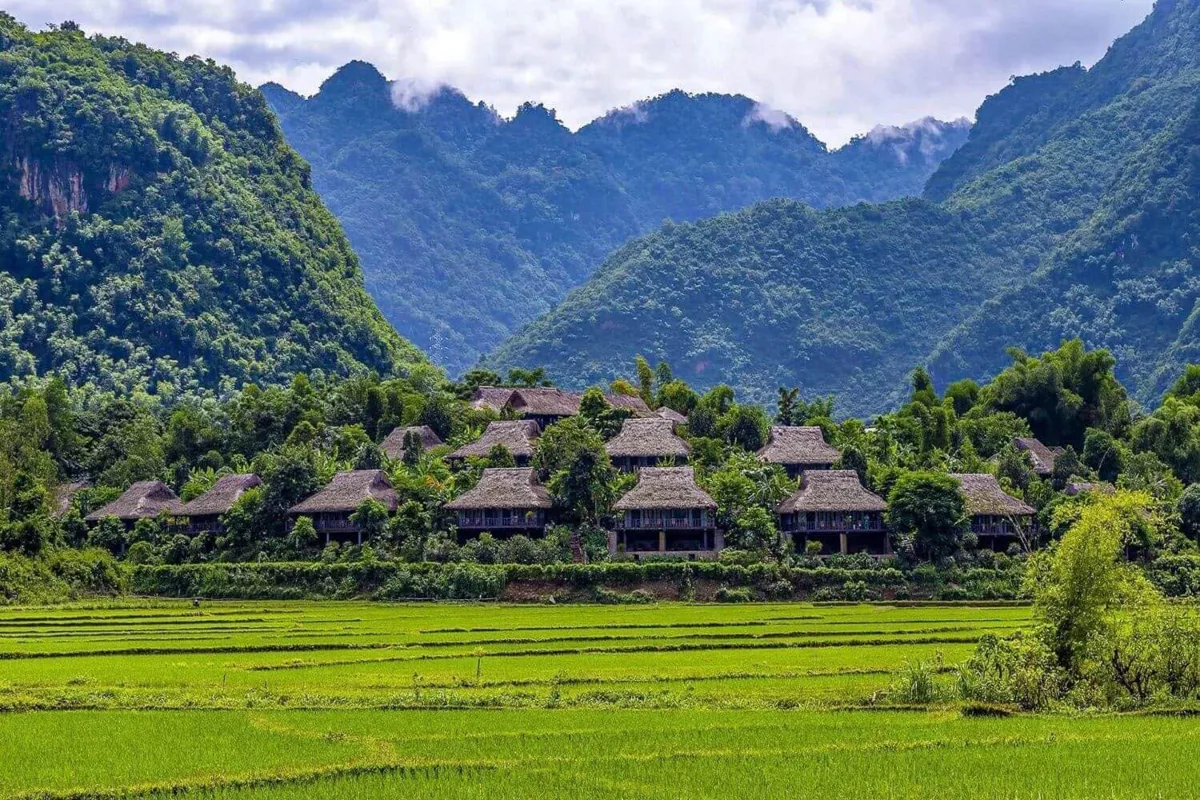
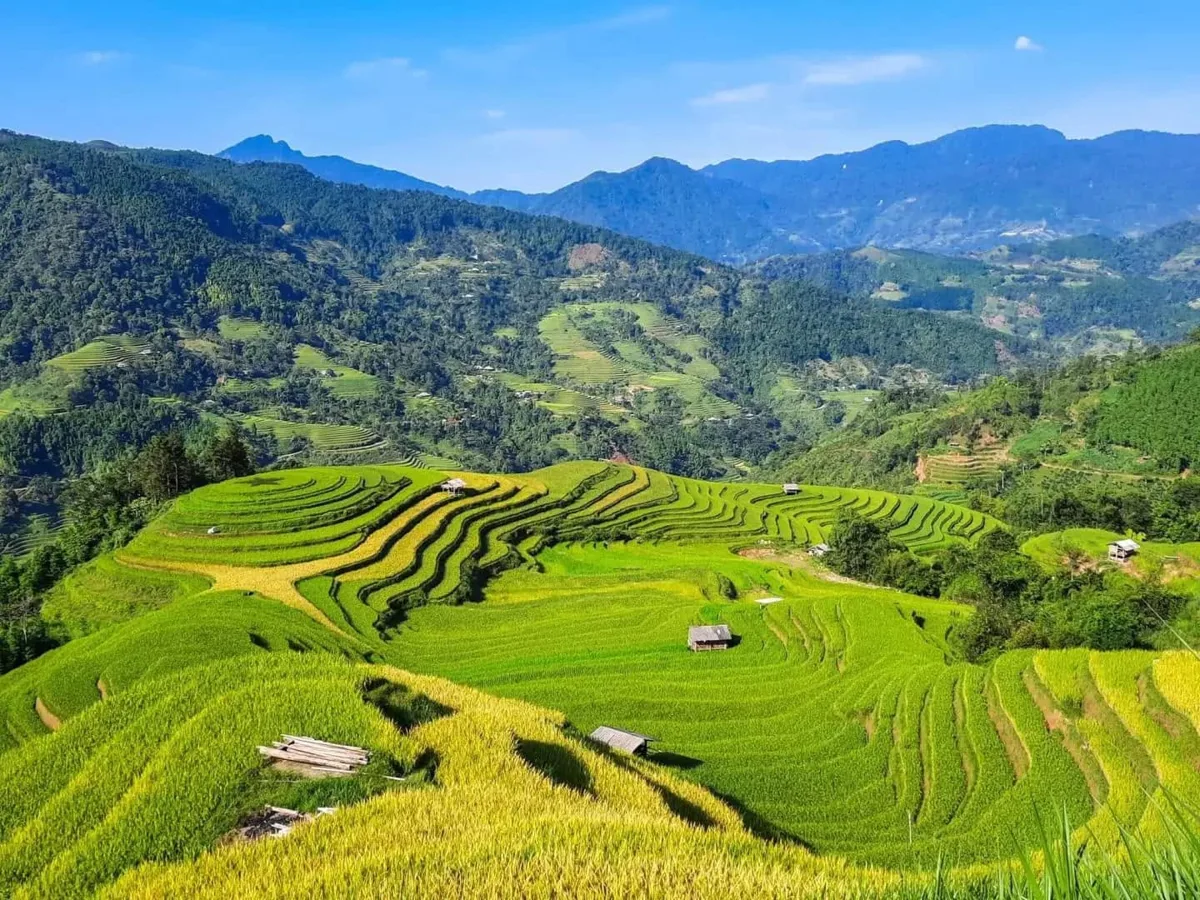
Visiting ethnic markets, such as Bac Ha or Can Cau, is an essential activity for experiencing local culture, where traditional handicrafts, clothing, and regional foods like Corn Wine and grilled meats are found. Beyond cultural engagement, Sapa offers natural attractions like Silver Waterfall and hot springs at Ban Ho. Ascending Fansipan Mountain provides expansive views of the cloud-shrouded mountainous terrain.
Central Vietnam's Imperial Grandeur and Coastal Beauty
Hue: The Former Imperial Capital
Hue, located in central Vietnam, is steeped in history and culture, set against appealing natural backdrops. This city once served as Vietnam's imperial capital, functioning as the seat of the Nguyen Dynasty from 1802 until 1945. The extensive Imperial City complex encompasses palaces, temples, and gardens, offering a glimpse into the lives of the emperors. A significant historical site is the Thien Mu Pagoda, recognized as one of Vietnam's oldest and most aesthetically pleasing pagodas, affording striking vistas over the Perfume River.
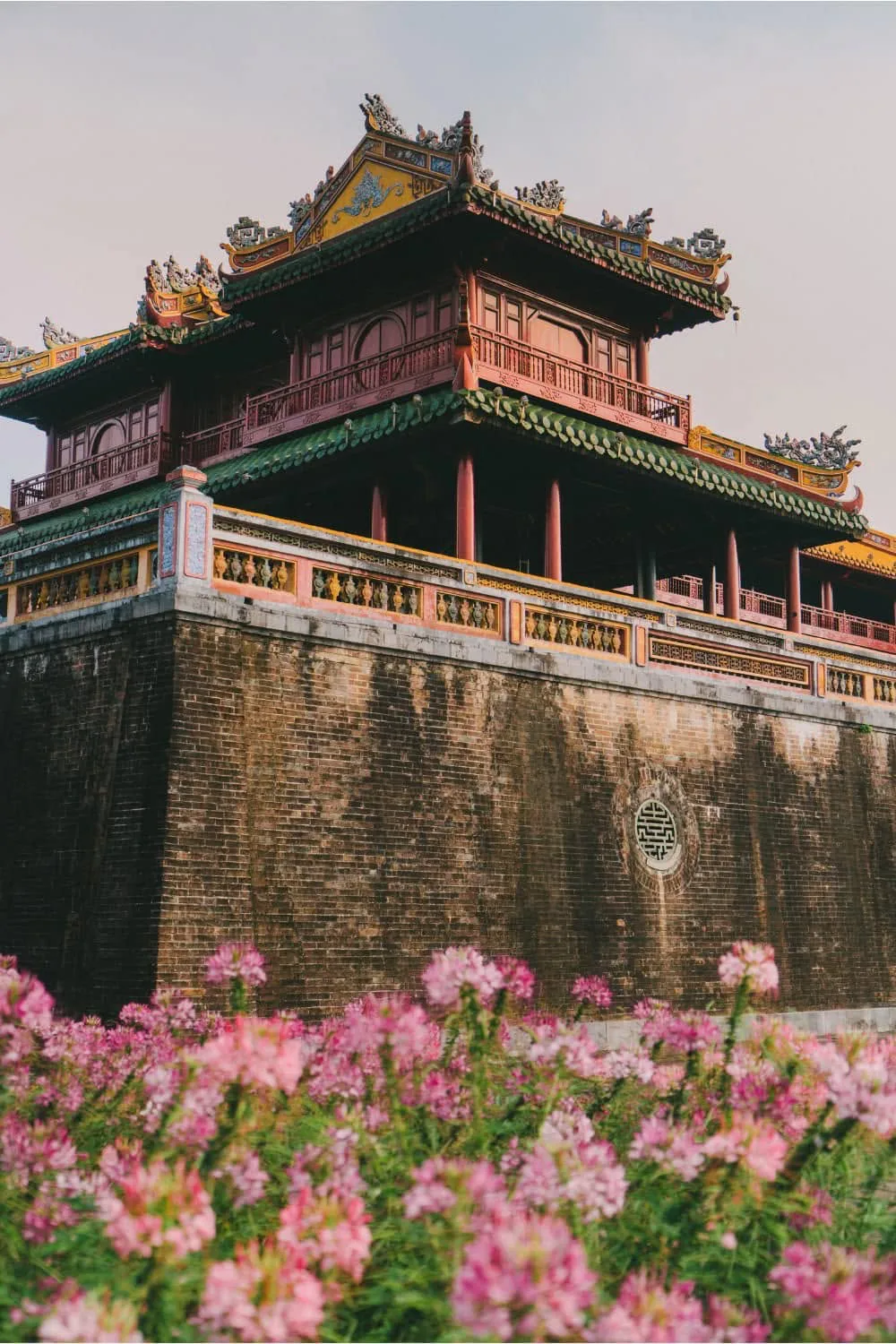
Experiencing the city often involves a walk across the Truong Tien Bridge or traditional wooden boat excursions along the river. For nature enthusiasts, Bach Ma National Park hosts diverse plant and animal species, allowing visitors to hike through forests, swim in waterfalls, and enjoy panoramic views. No visit to Hue is complete without sampling its renowned royal cuisine, including Bun Bo Hue, Banh Khoai, and Nem Lui.
Da Nang: A Modern Coastal Metropolis
Da Nang, a coastal city in central Vietnam, draws both domestic and international visitors with its scenic landscapes, appealing beaches, and rich cultural heritage. My Khe Beach is a prime attraction, featuring clear waters and white sands, ideal for swimming, sunbathing, and water sports, complemented by fresh seafood at beachfront restaurants. The Marble Mountains, a collection of five limestone hills, offer commanding views and house various caves and pagodas. The Son Tra Peninsula further provides impressive ocean and city vistas, accessible via drives or motorbike rides, alongside hiking paths and additional beaches. For active pursuits, options include helicopter tours, surfing, stand-up paddleboarding, Han River cruises, and scenic drives along the Hai Van Pass.
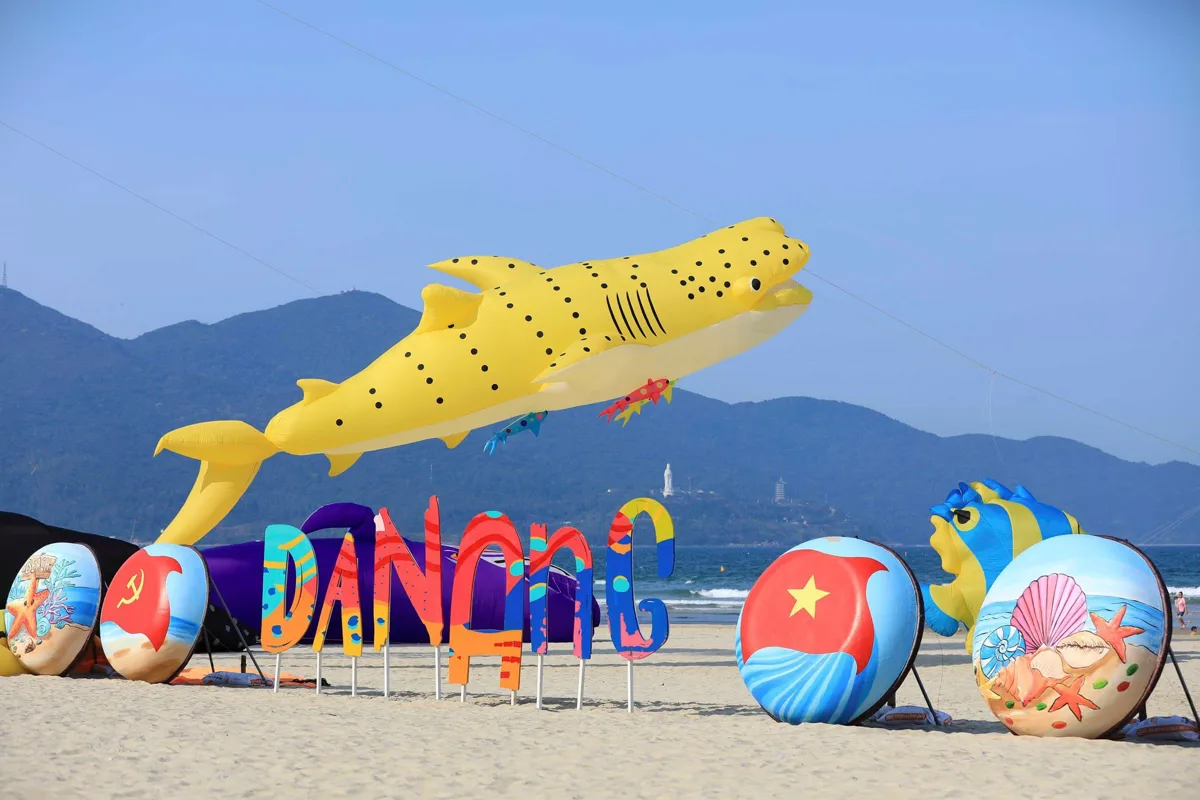
The city is also appreciated for its culinary offerings, particularly fresh seafood and local specialties like Banh Xeo, Mi Quang, and Cao Lau, available at numerous street food stalls. A popular excursion is a day trip to Ba Na Hills, a mountain resort featuring a French-inspired village, the Golden Bridge, and a cable car system, providing an escape to cooler mountain air and expansive countryside views.
Hoi An: The Ancient Trading Port
Hoi An, an ancient town in central Vietnam, is a UNESCO World Heritage Site celebrated for its remarkably preserved architecture. One of the primary activities is exploring the town's historic streets and structures, characterized by distinctive yellow-painted buildings, narrow pathways, and traditional shops. Significant historical sites include the Japanese Covered Bridge and the Phuc Kien Assembly Hall; visitors can also wander the old streets to appreciate the tranquil ambiance.
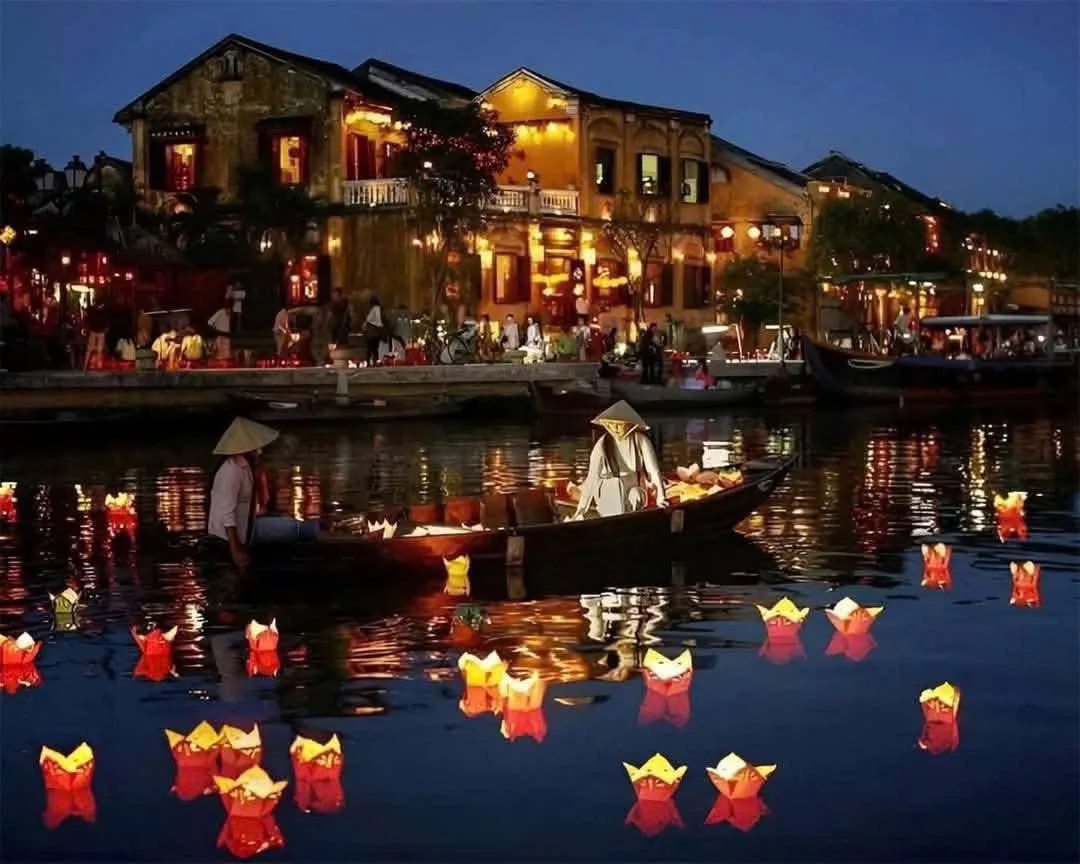
For relaxation, Hoi An boasts appealing beaches like Cua Dai and An Bang, easily accessible for lounging, swimming, or water sports. The Seven-Acre Coconut Forest offers a peaceful setting for cycling or boat trips, with opportunities to taste coconut-based treats. Hoi An is noted for its distinctive cuisine, with regional dishes such as Pha Lau, Cao Lau, and Quang noodles. The town is famous for its lantern festival, held on the 14th day of each lunar month, when colorful lanterns illuminate the town, and visitors release their own onto the river.
Southern Vietnam's Coastal, Highland, and Metropolitan Experiences
Da Lat: The City of Eternal Spring
Located in Vietnam's Central Highlands, Da Lat is often referred to as the "City of Eternal Spring" due to its consistently cool climate, combined with striking natural surroundings. Popular attractions include Xuan Huong Lake and the extensive flower gardens. A cable car ride to the summit of Lang Biang Mountain provides commanding views of the surrounding landscape. For adventure, trekking in nearby forests or exploring the region's many waterfalls are popular choices.
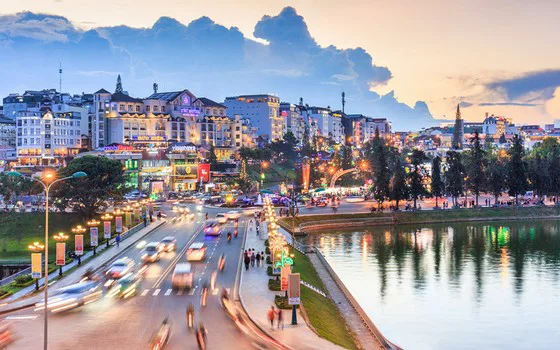
Da Lat also offers cultural and historical sites like the Bao Dai Summer Palace, once the residence of Vietnam's last emperor. The city features beautiful temples and pagodas, such as the Linh Phuoc Pagoda, known for its intricate mosaic artistry. Culinary enthusiasts will appreciate Da Lat's active food scene, well-known for fresh produce including strawberries, avocados, and locally grown coffee. Sampling local specialties like Banh Trang Nuong and Nem Nuong is highly recommended.
Nha Trang: A Premier Beach Resort
Nha Trang, a coastal city in south-central Vietnam, is celebrated for its remarkable beaches and transparent waters, attracting a broad range of visitors. The main draw is Nha Trang Beach, extending for six kilometers along the coast, offering opportunities for relaxation, swimming, or water sports like jet skiing and parasailing. Island hopping is another popular activity, with several nearby islands accessible by boat. Hon Mun Island is particularly recognized for its coral reefs and diverse marine life, suitable for snorkeling or scuba diving.
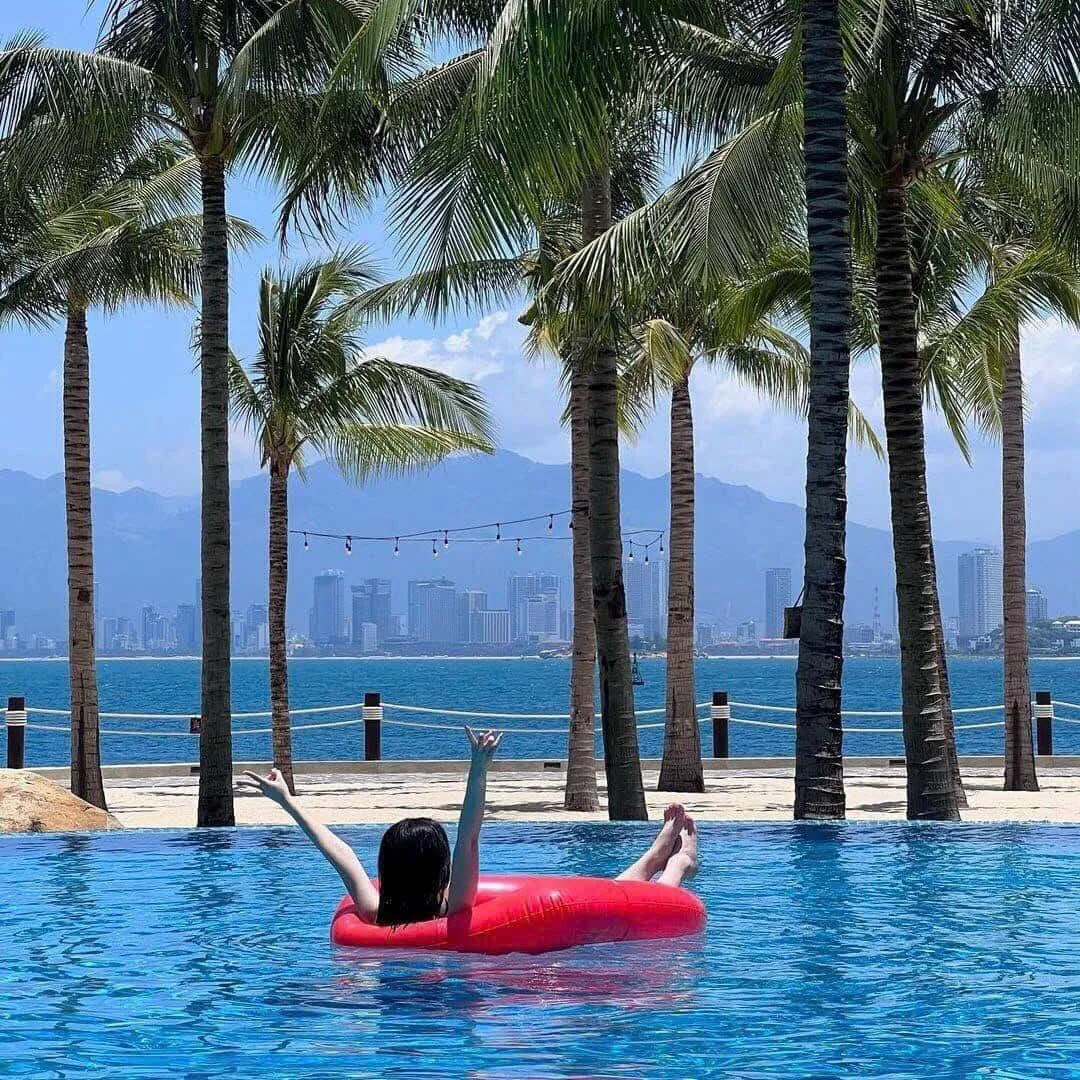
For those with an interest in culture and historical structures, Nha Trang presents compelling sites like the Po Nagar Cham Towers, constructed between the 7th and 12th centuries for Hindu worship. Additionally, Nha Trang's culinary offerings, especially its fresh seafood like fish and shrimp, should not be overlooked, with local dishes such as Banh Can and Bun Cha Ca highly recommended.
Can Tho and the Mekong Delta: Life on the Waterways
Can Tho, a significant city within Vietnam's Mekong Delta region, is characterized by its dynamic floating markets, verdant rice paddies, and welcoming local population, making it an essential stop for anyone exploring southern Vietnam. One of the most distinctive experiences involves visiting its renowned floating markets, such as Cai Rang or Tra On, where a boat journey along the river allows visitors to observe the lively activity of vendors offering fresh produce and handcrafted items. Exploring the rural areas by bicycle is a favored activity, enabling visitors to traverse surrounding rice fields and fruit orchards, stopping in local communities.
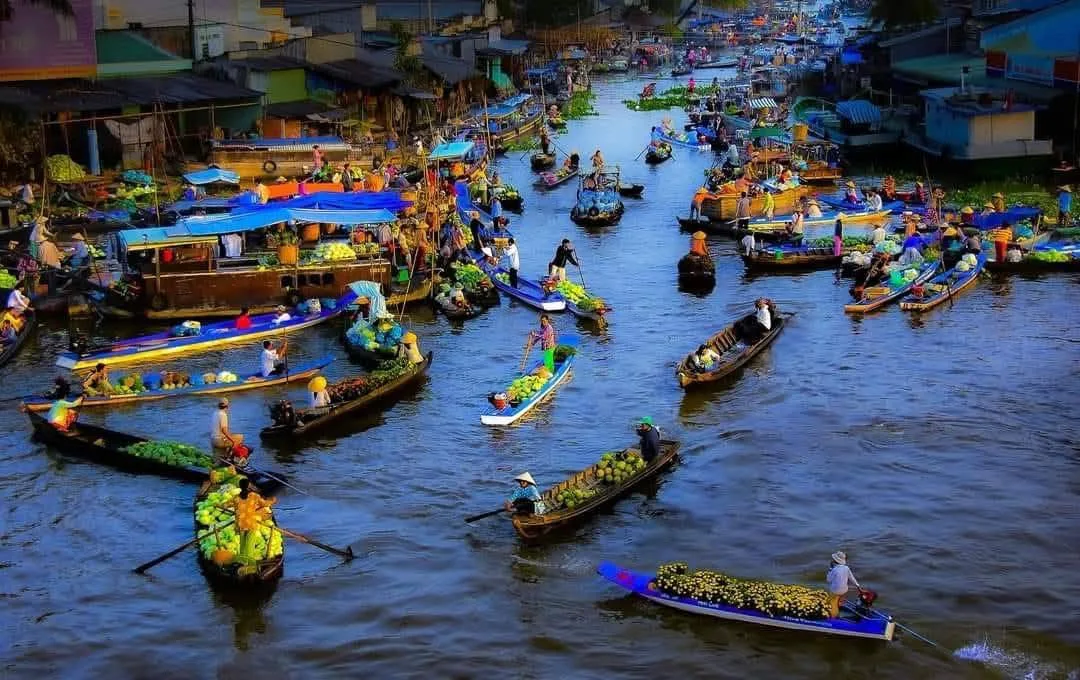
Can Tho also features cultural and historical sites like the Binh Thuy Ancient House, exemplifying traditional Vietnamese architecture, and pagodas such as Munirangsyaram Pagoda. Beyond Can Tho, the broader Mekong Delta region provides further exploration through boat tours along its intricate canals, often including stops at local villages to observe traditional crafts like coconut candy making, and showcasing extensive fruit orchards.
Ho Chi Minh City: The Southern Metropolis
Ho Chi Minh City, commonly known as Saigon, stands as Vietnam's largest urban center and a focal point for culture, history, and commerce. A key attraction is its array of historical locations. The War Remnants Museum offers a powerful account of the Vietnam War from a local perspective, while the Reunification Palace, a site of significant historical events in 1975, is also worth visiting. Other landmarks include the Notre Dame Cathedral and the Central Post Office, showcasing French colonial architectural influences.
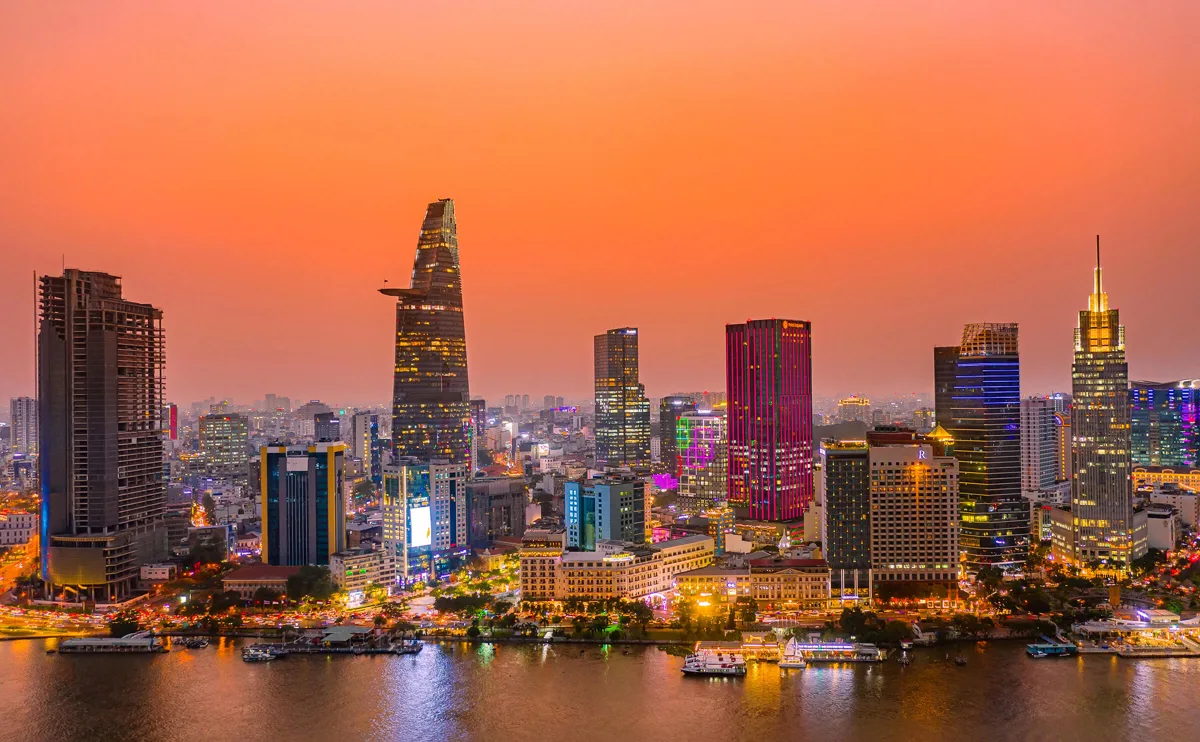
The city also provides numerous museums and galleries, such as the Museum of Vietnamese History and the Fine Arts Museum, excellent venues for understanding the country's extensive cultural heritage. Ho Chi Minh City supports a flourishing arts community and offers an opportunity to experience the energy and dynamism of modern Vietnam through its markets, souvenirs, and active nightlife. For travelers seeking moments of calm amidst the urban rush, the city also offers various spa and massage centers.
Phu Quoc: Island Paradise in the Gulf
Phu Quoc, a picturesque island in the Gulf of Thailand off Vietnam's coast, is an ideal destination for those who appreciate nature and beaches, offering unspoiled shores, clear waters, and lush forests. One of its prime attractions is the beautiful Long Beach, stretching for 20 kilometers on the island's west side, where visitors can relax, swim, or engage in water activities like kayaking and snorkeling. Exploring the island's natural environment is another rewarding option; Phu Quoc National Park, in the northern part, is home to diverse flora and fauna. Guests can hike through the forest, observe wildlife, and visit scenic waterfalls.
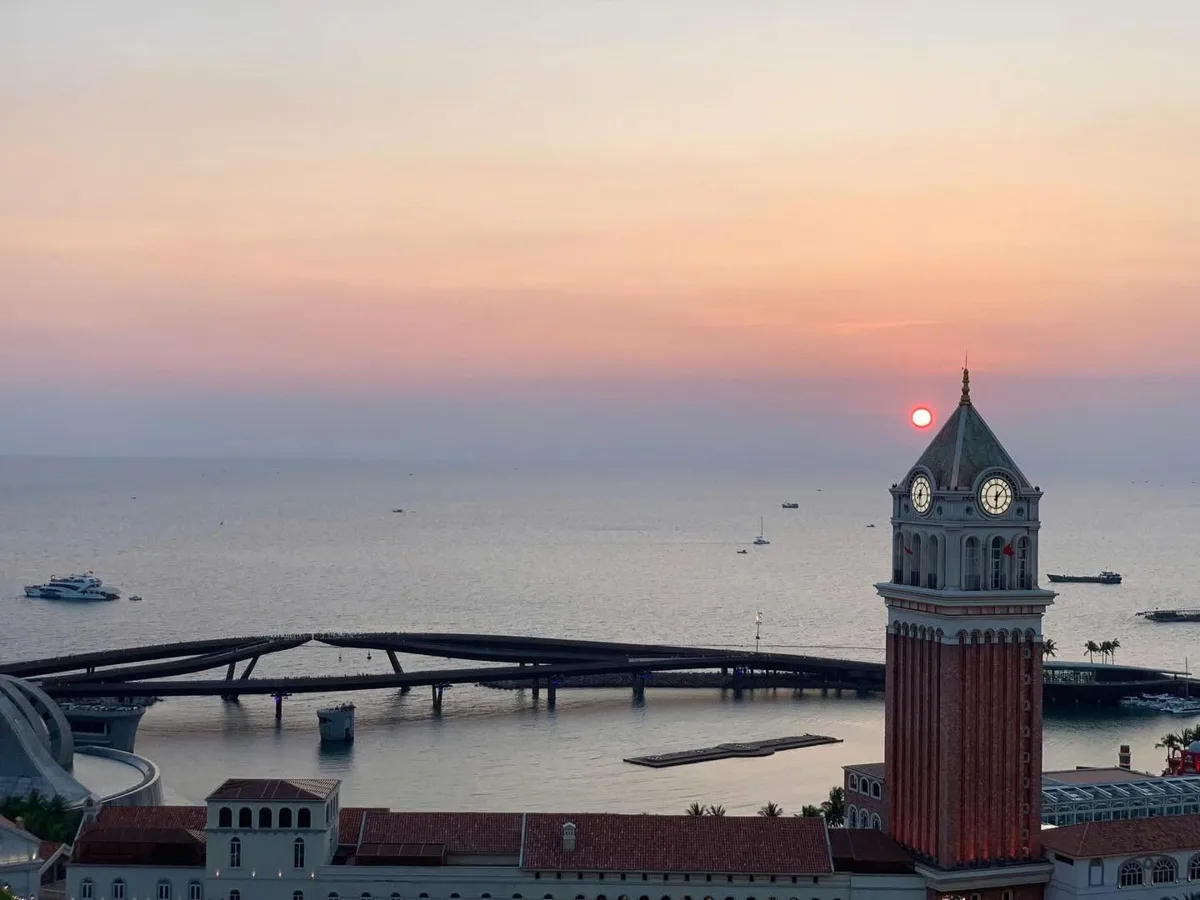
An interesting cultural site is the Dinh Cau Temple, positioned on a rocky outcrop overlooking the sea, exemplifying traditional Vietnamese architecture. The island also features fishing communities, where travelers can learn about local lifestyles and sample fresh seafood. Phu Quoc is regarded as an excellent place to unwind, with options for spa treatments, yoga sessions, or simply basking in the tranquil surroundings. Additionally, understanding the visa-free entry policy for Phu Quoc Island can simplify travel planning.
Planning Your Urban Exploration in Vietnam
Planning a trip to Vietnam's cities involves considering several practical aspects to enhance your experience. Each city offers distinct attractions and atmospheres, so tailoring your itinerary to your interests is key. Transportation between cities is readily available via domestic flights, trains, and buses, with varying levels of comfort and speed. For instance, Vietnam's premium rail journeys offer a comfortable way to see the landscape. Local transport within cities ranges from taxis and ride-hailing apps to cyclos and motorbikes, providing diverse ways to navigate.
Understanding the best time to visit can significantly impact your journey. Northern cities like Hanoi and Sapa experience distinct seasons, with cooler, drier winters and hot, humid summers. Central cities such as Hue, Da Nang, and Hoi An generally have dry, warm weather from February to August, with a rainy season towards the end of the year. Southern destinations like Ho Chi Minh City and Phu Quoc maintain a relatively consistent tropical climate, though with pronounced wet and dry seasons. Packing according to the season and region is advisable, and visitors should also familiarize themselves with local customs to ensure a respectful and enriching interaction with the culture.
| City | Primary Appeal | Typical Climate (Dry Season) | Key Cultural Aspect |
|---|---|---|---|
| Hanoi | Historical & Cultural Capital | Oct - Apr (Cooler) | Ancient traditions, French colonial influence |
| Sapa | Mountain Trekking & Ethnic Culture | Mar - May, Sep - Nov (Mild) | Highland ethnic minority life |
| Hue | Imperial History & Architecture | Feb - Aug (Warm) | Nguyen Dynasty heritage, royal cuisine |
| Da Nang | Modern Coastal City & Beaches | Feb - Aug (Hot) | Urban amenities, natural wonders |
| Hoi An | Ancient Town & Heritage Site | Feb - Aug (Warm) | Preserved trading port, lantern festivals |
| Da Lat | Highland Resort & Cool Climate | Nov - Mar (Cool) | French villas, flower gardens |
| Nha Trang | Beach Resort & Island Hopping | Jan - Aug (Warm) | Coastal leisure, marine activities |
| Can Tho | Mekong Delta Life & Floating Markets | Dec - Apr (Dry) | Riverine commerce, fruit orchards |
| Ho Chi Minh City | Southern Metropolis & History | Dec - Apr (Dry) | War history, modern commerce |
| Phu Quoc | Island Relaxation & Nature | Nov - Apr (Dry) | Pristine beaches, national park |
Frequently Asked Questions
What is the ideal duration for visiting several cities in Vietnam?
Most travelers recommend allocating at least two to three weeks to experience a good selection of Vietnam's key cities, allowing sufficient time for exploration and travel between destinations without feeling rushed. A shorter trip might focus on one region, such as the North or South.
Are these cities suitable for family travel with children?
Many cities in Vietnam are well-suited for families. Destinations like Da Nang and Nha Trang offer beaches and amusement parks, while Hoi An provides a pedestrian-friendly environment and cultural activities. Larger cities like Hanoi and Ho Chi Minh City have a range of attractions and conveniences, though navigating traffic may require extra care.
What are the primary modes of transportation between Vietnamese cities?
Inter-city travel in Vietnam primarily relies on domestic flights for longer distances, which are efficient and relatively affordable. Trains offer a scenic and comfortable alternative, especially for routes along the coast. Buses are the most economical option, connecting nearly all major cities and towns, though travel times can be longer.
Is it easy to find English-speaking guides in these cities?
In major tourist cities like Hanoi, Ho Chi Minh City, Hue, Da Nang, and Hoi An, it is generally straightforward to find English-speaking guides. Many tour operators and hotels offer guided services, and younger generations in tourist areas often have some English proficiency. In more rural or less frequented areas like parts of the Mekong Delta or remote Sapa villages, English speakers might be less common.
What local delicacies should I prioritize trying in Vietnam's cities?
Vietnam's culinary landscape is incredibly diverse. In Hanoi, Pho and Bun Cha are essential. Hue is famous for its royal cuisine, including Bun Bo Hue. Hoi An offers Cao Lau and Quang noodles. Ho Chi Minh City presents a wide array of street food. Across the country, Banh Mi is a ubiquitous and delicious choice. Seafood is a highlight in coastal cities like Da Nang and Nha Trang, while Da Lat is known for its fresh produce.