
Planning an international trip requires attention to detail, especially when traveling from Brazil to Vietnam. This guide provides comprehensive information to assist Brazilian citizens in organizing their visit, covering entry requirements, transportation, popular destinations, and practical advice for a smooth journey.
Understanding Vietnam: A Brief Overview for Travelers
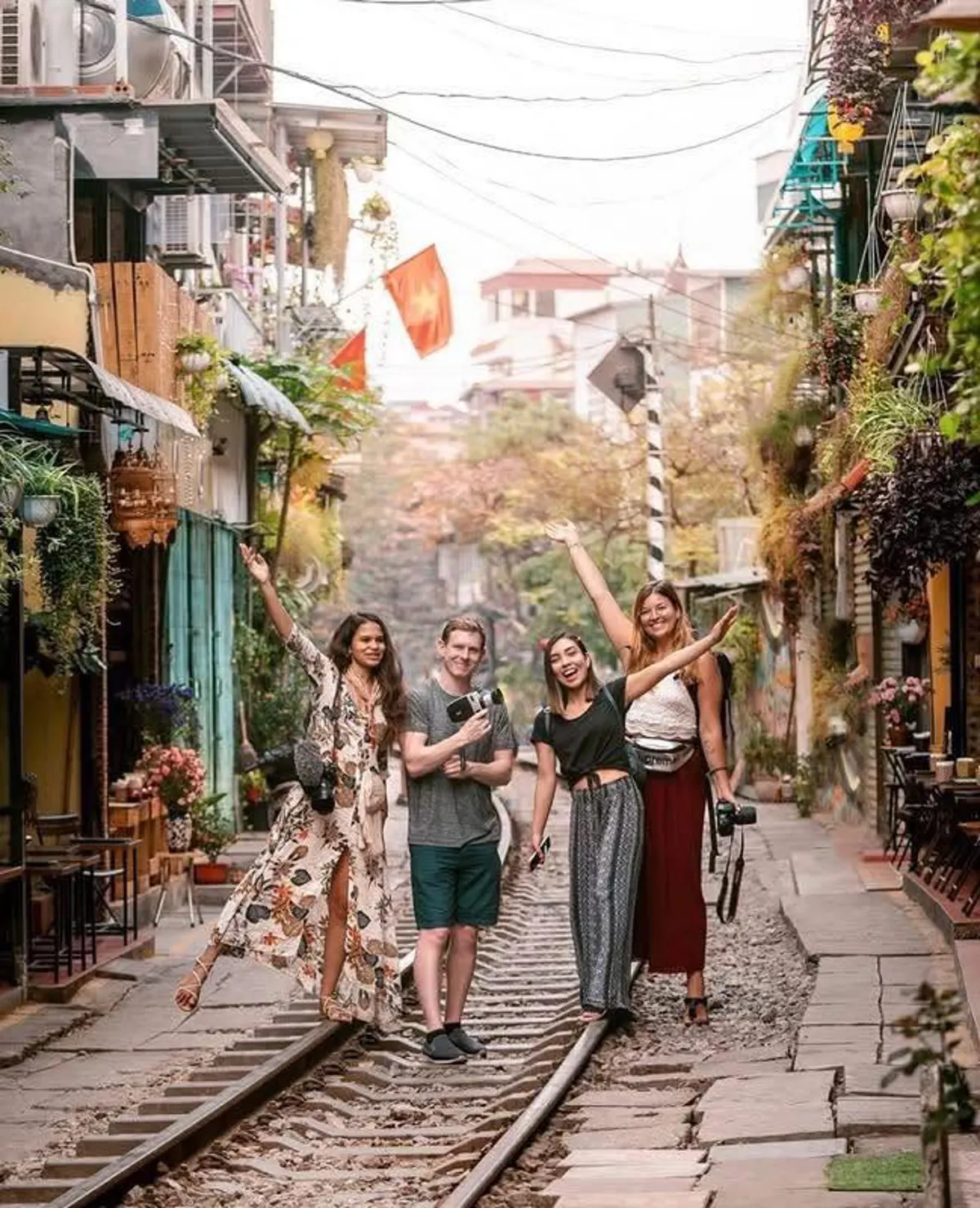
Vietnam offers a diverse landscape, from the northern mountains to the southern deltas, alongside a rich cultural heritage spanning centuries. Its history reflects influences from various nations, notably France and China, evident in its architectural styles that blend traditional temples with colonial-era structures and modern designs. This blend creates a unique visual experience for those exploring Vietnamese cities.
Beyond its visual appeal, Vietnamese cuisine is a significant draw, with each region presenting distinct flavors and dishes. The country's welcoming policies and streamlined visa processes have made it an increasingly accessible destination for international visitors, including those from Brazil, seeking both natural beauty and historical depth.
Entry Requirements for Brazilian Citizens Traveling to Vietnam
Brazilian passport holders planning to enter Vietnam must ensure their passport remains valid for at least six months beyond their intended arrival date. There are two primary methods for obtaining a Vietnamese visa:
Option 1: Visa Application at the Vietnamese Embassy in Brazil
Travelers can apply for a visa directly at the Embassy of Vietnam in Brazil. This visa is valid for entry at all Vietnamese borders, including airports, land crossings, and seaports. The application typically requires an updated passport and takes approximately 4-6 working days to process. Additional documents, such as a stamped envelope with a precise home address, are usually required. For specific and current requirements, it is advisable to contact the embassy directly.
| Entity | Detail |
|---|---|
| Address | SHIS QI 09 Conj. 10 Casa 1, Lago Sul, CEP: 71625 – 100 Brasilia/DF |
| Phone | (00 55 61) 3364 5876 / 3364 0675 |
| Fax | (00 55 61) 3364 5836 |
| embavina.brasil@yahoo.com | |
| Website | www.vietnamembassy-brazil.org/ |
Option 2: Visa Approval Letter for Airport Arrival
An alternative for those flying into Vietnam is to obtain a Visa Approval Letter. This method is exclusively for entry at Vietnamese international airports. The process involves completing an online visa form, after which a pre-approved letter and an Application for Entry and Exit Visa form are issued, typically within 3-4 working days (excluding Saturdays and Sundays). Travelers should complete the Entry and Exit Visa form in advance, attaching a recent 4x6 cm photo with a straight-forward face.
Upon arrival at a Vietnamese airport, this completed form, along with the approval letter, is submitted to the Customs officer at the Landing Visa Counter. A stamp fee is then paid in cash: 25 USD per person for a single-entry visa or 50 USD per person for a multiple-entry visa. This fee is paid directly at the airport to receive the visa stamp in the passport.
Choosing the Best Time to Visit Vietnam
Vietnam experiences a tropical monsoon climate, leading to distinct weather patterns across its regions. Northern Vietnam features four seasons: spring, summer, autumn, and winter. The most agreeable times to visit this area are generally from January to April and September to December, when temperatures are moderate and rainfall is less frequent.
Southern Vietnam maintains a more consistent climate, with temperatures typically ranging from 26-30 degrees Celsius year-round. This region has two main seasons: a rainy season from May to November and a dry season during the remaining months. Many international visitors prefer to travel to Vietnam during the cooler periods, generally from August to March. Considering the climate for your chosen travel dates is important when packing and planning activities.
Flights from Brazil to Vietnam: Routes and Airlines
Traveling from Brazil to Vietnam covers a significant distance, approximately 17,899 kilometers, with flights typically lasting around 30 hours. Air travel is the most efficient and convenient method for this journey.
Vietnam has several international airports, with Noi Bai International Airport (HAN) in the North (Hanoi) and Tan Son Nhat International Airport (SGN) in the South (Ho Chi Minh City) being the most frequently used by international travelers. Da Nang International Airport (DAD) serves the central region, but Hanoi and Ho Chi Minh City often offer a wider selection of airlines and flight connections. Airlines that commonly serve routes between Brazil and Vietnam include Emirates, Qatar Airways, Ethiopian Air, and Vietnam Airlines. Airfares can vary based on the departure city in Brazil and the specific travel dates.
Exploring Vietnam: Regional Highlights and Tour Ideas
Vietnam offers a wealth of destinations, with many itineraries beginning in either Hanoi in the North or Ho Chi Minh City in the South. The duration of your trip and your interests will guide your exploration.
Northern Vietnam Destinations
Hanoi, the capital, is known for its extensive history and cultural preservation. The city's Old Quarter maintains its ancient architectural style, though many buildings now serve commercial purposes. Notable sites include the Ho Chi Minh Mausoleum, Long Bien Bridge, Hoa Lo Prison (also known as the 'Hanoi Hilton'), the Temple of Literature, Bat Trang pottery village, Hoan Kiem Lake, and Ngoc Son Temple. Hanoi also serves as a convenient base for excursions to nearby attractions such as Halong Bay, Sapa, Hoa Lu Tam Coc, and Mai Chau Valley. A 5-7 day trip can cover major northern highlights like Halong Bay, Hoa Lu Tam Coc, and Sapa town. Longer trips, up to 10 days, allow for deeper exploration of the North or a comprehensive journey from North to South, including destinations like Hoi An, the Mekong Delta, and the Cu Chi Tunnels.
Southern Vietnam Destinations
Ho Chi Minh City, often referred to as Saigon, is the country's economic and financial center, characterized by its energetic pace. Visitors can explore sites such as the War Remnants Museum, the Central Post Office, Ben Thanh Market, Notre Dame Cathedral, and the Reunification Palace. Ho Chi Minh City is also a gateway to the Mekong Delta, the Cu Chi Tunnels, and coastal areas like Vung Tau. Whether you have a few days or longer, there are numerous options for experiencing the South, from cultural and historical tours to leisure and beach holidays.
A Guide to Vietnamese Cuisine: Must-Try Dishes and Locations
Vietnamese food is celebrated globally, with each region offering its own specialties. Here are some dishes to seek out during your visit:
| Dish | Description | Typical Price (VND) | Suggested Locations |
|---|---|---|---|
| Pho | A classic noodle soup with aromatic broth, rice noodles, beef or chicken, and fresh herbs. | 25,000 – 50,000 per bowl | 10 Ly Quoc Su Street, Hanoi; 49 Bat Dan Street, Hanoi |
| Bun Cha | Grilled pork served with rice noodles, a savory fish sauce broth, and fresh herbs. | Varies | 1 Hang Manh Street, Hanoi; 24 Le Van Huu, Hanoi |
| Banh My | A Vietnamese baguette sandwich filled with various ingredients like meat, egg, or pork, combined with herbs, chili sauce, and savory fillings. | 15,000 – 30,000 per sandwich | 2B Phan Chu Trinh Street, Hoi An; various eateries in Hoi An Old Town |
| My Quang | Quang-style noodles mixed with pork, chicken, or eggs, herbs, and a small amount of broth. | Varies | Hoi An town |
| Bun Rieu | A crab noodle soup, featuring a crab-based broth with tomatoes, rice vinegar, herbs, and rice noodles. | Varies | Small eateries on Nguyen Canh Chan Street, Ho Chi Minh City |
Other regional specialties include Banh Cuon, Bun Ca, and Bun Oc in Hanoi, and Banh Xeo and Cao Lau in Hoi An. Exploring the food stalls along the Thu Bon River in Hoi An can also reveal a wide array of local delicacies. For those interested in unique purchases, many markets offer local food products and ingredients.
Essential Travel Information for Visitors to Vietnam
Familiarizing yourself with local practicalities can enhance your travel experience:
- Currency: The official currency is the Vietnamese Dong (VND). While some places accept USD or credit cards, it is advisable to carry small denominations of VND. The currency can be confusing due to the many zeros, so double-check transactions.
- Electrical Adaptors: Vietnam primarily uses two-pin electrical outlets. Travelers should bring appropriate adaptors for their devices.
- Money Exchange: It is generally recommended to exchange a small amount of VND in your home country for immediate needs upon arrival. Larger sums can be exchanged at banks or authorized money exchange shops in city centers, which often offer better rates than airports. For instance, banking options in Hanoi are plentiful.
- SIM Cards: For extended stays, purchasing a local SIM card can be beneficial for data access and local communication. These are readily available at airports or through hotels.
- Time Difference: Vietnam is 9 hours ahead of Brazil.
Brazilian Consular Services in Vietnam
Should Brazilian citizens require any assistance during their stay in Vietnam, the Embassy of Brazil in Hanoi can provide support. It is advisable to note their contact details:
| Entity | Detail |
|---|---|
| Address | 14, Thuy Khue Street, D/6/7 Tay Ho Hanoi, Vietnam |
| Telephone | (+84) 24 3843 2544 |
| Fax | (+84) 24 3843 2542 |
| brasemb.hanoi@itamaraty.gov.br | |
| Website | hanoi.itamaraty.gov.br |
| Office Hours | 09:00-12:00 and 13:30-16:00 |
| Head of Mission | Marco Brandão, Ambassador |
Frequently Asked Questions
Do Brazilian citizens need a visa to enter Vietnam?
Yes, Brazilian citizens are required to obtain a visa before traveling to Vietnam. This can be done either through the Vietnamese Embassy in Brazil or by obtaining a Visa Approval Letter for airport arrival.
What is the best time of year for Brazilians to visit Vietnam?
For Northern Vietnam, the periods from January to April and September to December offer pleasant temperatures. Southern Vietnam has a more consistent climate, but many travelers prefer the dry season from December to April. Overall, August to March is often recommended for cooler weather.
How long does it take to fly from Brazil to Vietnam?
Direct flights are not typically available, so journeys usually involve layovers. The total travel time, including flight duration and connections, is approximately 30 hours.
Can I use Brazilian Reais (BRL) in Vietnam?
No, the official currency in Vietnam is the Vietnamese Dong (VND). It is necessary to exchange BRL or USD for VND. Some establishments may accept USD or credit cards, but VND is essential for daily transactions.
Is it safe for Brazilian tourists to travel to Vietnam?
Vietnam is generally considered a safe destination for tourists. However, as with any international travel, it is always wise to exercise standard precautions, such as being aware of your surroundings, safeguarding valuables, and staying informed about local customs and regulations.








