
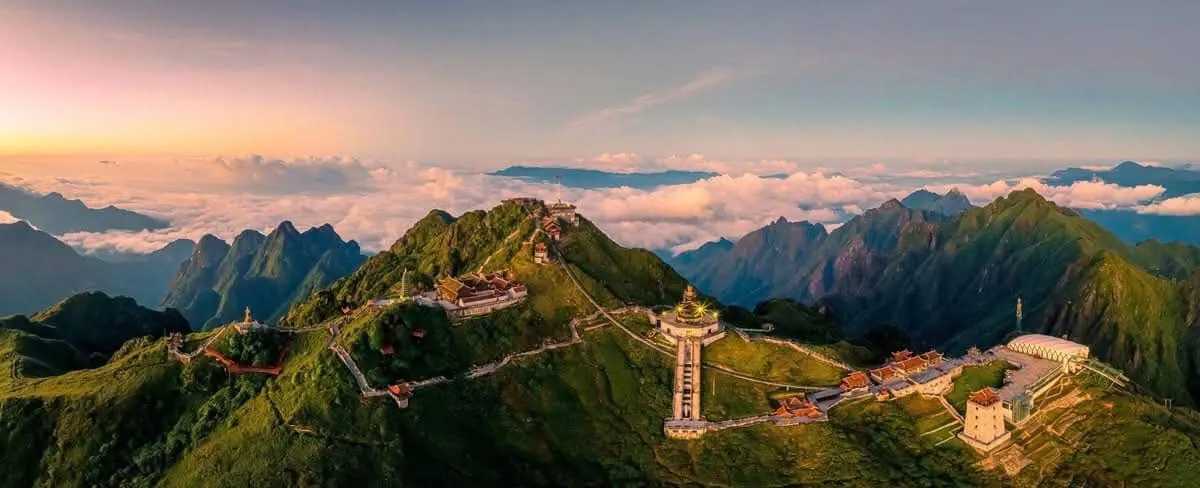
Travelers considering a visit to Sapa in January will encounter the region's coldest period, often characterized by chilly temperatures and a distinct possibility of snow, which draws many to this northern Vietnamese mountain town. This month offers a unique perspective on Sapa, with fewer crowds and a serene, often misty, landscape. Understanding the local climate and preparing appropriately ensures a comfortable and memorable experience.
Sapa's January Climate Overview
Sapa, situated in Vietnam's Lao Cai province, experiences a subtropical highland climate due to its mountainous setting. January marks the peak of winter and is typically the second coldest month of the year. Daily average temperatures hover around 10°C, though they can frequently drop below this, particularly in the mornings and evenings. Visitors should anticipate approximately three hours of sunshine each day, making daylight hours brief and often cool.
The weather in Sapa during January can be quite variable, shifting between periods of sun, rain, and even frost. An average of 23mm of precipitation is common throughout the month. Humidity levels can reach around 82%, but the lower temperatures generally prevent any significant discomfort from the moisture. While the cold can be intense, it also creates an ideal environment for outdoor pursuits like walking, provided travelers are dressed warmly. However, fog and frost are regular occurrences, so checking local weather forecasts before embarking on any excursions is advisable.
Activities and Attractions for a January Visit
Despite the colder weather, Sapa offers a range of compelling activities and attractions that are well-suited for a January visit, allowing travelers to experience the region's distinctive charm. The crisp air and often misty conditions lend a dramatic atmosphere to the mountainous scenery.
One highly recommended destination is Cat Cat Village, located a short distance from Sapa town. This settlement is known for its scenic views, traditional customs, and cultural practices. Many visitors choose to explore the area through guided treks, with options like a classic day tour that includes meals, a stop at a local elementary school, opportunities to purchase crafts, and a view of the waterfall near the old French electric station. The village provides a glimpse into the daily life of ethnic minority communities.
Another notable site is Hoang Yen Chao Castle, an architectural marvel from the 20th century that attracts numerous visitors annually. Its impressive structure is open for exploration both externally and internally. Additionally, Ham Rong Mountain presents a fascinating destination, featuring various themed gardens such as Orchid Garden 1 and Orchid Garden 2, along with the Clouding Yard and Sky Gate. The vibrant colors of the orchid gardens are often highlighted as a particularly striking feature by those who reach the summit.
Preparing for Sapa's Winter Weather: What to Pack
Given Sapa's consistently low temperatures and frequent fog in January, careful packing is essential for a comfortable journey. Layering is key to adapting to temperature fluctuations throughout the day.
- Warm Clothing: Essential items include a fleece jacket and a poncho for insulation.
- Waterproof Outerwear: A waterproof jacket is crucial to stay dry and warm against rain, mist, or potential snow.
- Head and Ear Protection: A hat, preferably made of wool or leather, that covers the head and ears will provide significant warmth.
- Gloves: Leather or wool gloves are indispensable for keeping hands warm in the chilly conditions.
- Personal Medications: It is advisable to bring any necessary personal medical prescriptions, as finding specific brands or types of medication can be challenging in Sapa, which is a smaller, developing town. For general health concerns, visitors can consult a Sapa healthcare guide.
- Camera and Devices: Don't forget equipment to capture the unique winter beauty of Sapa.
- Snacks: Carrying snacks like chocolate can help maintain body warmth from within during cold excursions.
January Festivals and Cultural Events in Sapa
January in Sapa is often a time for significant cultural celebrations, particularly those tied to the lunar calendar. These festivals offer a deep insight into the traditions of the region's ethnic minority groups.
The Gau Tao Festival, a H'mong celebration, typically occurs from the 2nd to the 4th day of the lunar new year, which usually falls in late January or early February of the Gregorian calendar. Individual families within the H'mong community take turns hosting this event, inviting a village shaman to perform rituals expressing gratitude to ancestors and deities, as well as praying for good fortune and happiness. Following the ceremonial aspects, the entire village participates in traditional sports, dance competitions, and music performances using traditional instruments. This ancient festival also serves as an occasion for single individuals to showcase their talents and potentially find partners, playing a vital role in the cultural life of the H'mong people and surrounding communities.
Another important event is the Roong Pooc Festival, observed by the Giay people in early January of the lunar calendar. This festival is traditionally held in Ta Van village and attracts large gatherings from nearby areas, having grown into the largest festival in the Muong Hoa Valley. The celebration honors the Mother of the Land, with participants offering prayers for a bountiful harvest in the coming season. Beyond the worship, the festival features traditional games, songs, and dances. It also provides a social opportunity for old friends to reconnect and for younger generations to seek potential spouses, all set against a backdrop of traditional music and local cuisine.
Practical Advice for Traveling to Sapa in January
Traveling to Sapa in January comes with several practical considerations that can enhance the overall experience. This month is generally considered the off-season for tourism, which means fewer visitors at popular sites and often more favorable rates for accommodation.
While the reduced crowds can be appealing, the weather can be challenging, with possibilities of snow and ice. For those considering a homestay experience with local ethnic minority families, it's important to note that many traditional homes may not have modern heating systems, relying instead on a central fire for warmth. Prioritizing staying dry and warm is crucial throughout your trip. Additionally, when venturing beyond Sapa Town into more remote areas or visiting ethnic minority communities, having sufficient cash on hand is highly recommended, as access to banking facilities in Sapa or ATMs may be limited.
Frequently Asked Questions
Is it cold in Sapa in January?
Yes, January is one of the coldest months in Sapa, with daily average temperatures around 10°C, often dropping lower. Visitors should prepare for chilly conditions.
Can you see snow in Sapa during January?
Sapa does experience occasional snowfall in January, making it a draw for many visitors hoping to see a rare white landscape in Vietnam. However, snow is not guaranteed.
What cultural events happen in Sapa in January?
January, particularly according to the lunar calendar, can feature significant festivals like the H'mong Gau Tao Festival and the Giay Roong Pooc Festival, offering insights into local traditions.
What should I wear for a Sapa trip in January?
Packing warm layers is essential, including a fleece, a waterproof jacket, a warm hat covering the ears, and gloves. Personal medications are also recommended due to limited local availability.
Is January a good time to visit Sapa?
January offers a unique Sapa experience with fewer tourists and the possibility of snow. While cold, it's suitable for those prepared for winter conditions and interested in cultural festivals and serene landscapes.








