
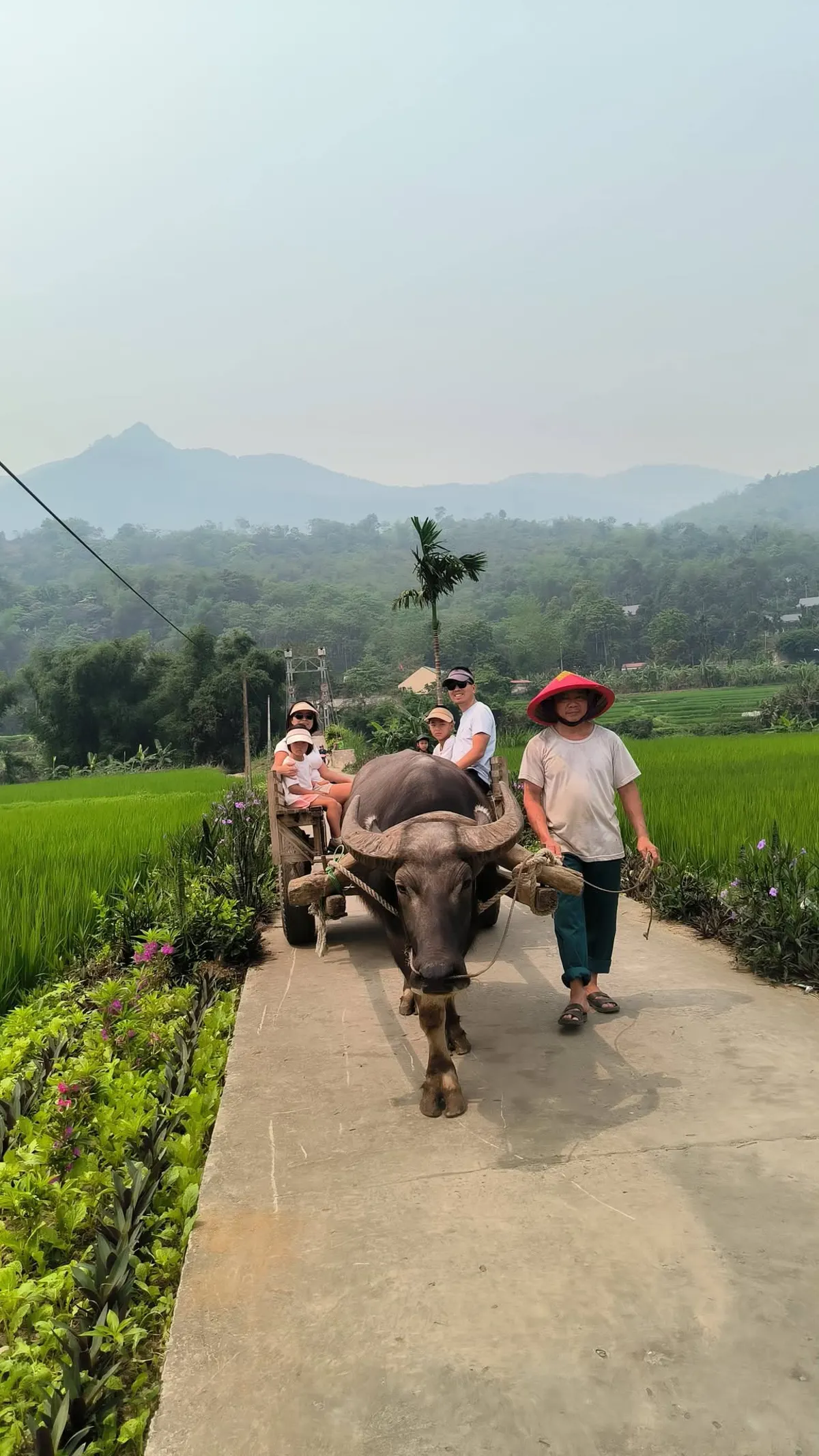
Travel to Vietnam in June often introduces visitors to the country's monsoon season, characterized by daily rainfall, consistent humidity, and temperatures that vary from hot to refreshingly cool, depending on the timing of precipitation. While many tourists typically avoid this month, understanding the regional weather differences and adopting flexible travel strategies can lead to a distinctive and rewarding experience. June offers opportunities for exploring Vietnam with fewer crowds and at lower prices, presenting a different perspective compared to peak season travel.
Understanding Vietnam's June Monsoon Season
June marks the full onset of the monsoon season across most of Vietnam, though regional timing varies. Southern Vietnam generally enters its wet period in May, while the northern and central regions experience their heaviest rainfall during June. This means that rain is a constant presence somewhere in the country throughout the month, creating specific travel conditions. A notable aspect of June rain is its intensity and often predictable patterns; these are typically not light drizzles but rather heavy tropical downpours that can quickly lead to street flooding.
Rainfall patterns in Vietnam during June often follow a daily rhythm. Mornings frequently begin with clear skies or light cloud cover, with clouds gradually building through the late morning. Heavy rain commonly arrives between noon and 4 PM, lasting anywhere from one to four hours. Evenings may then clear, offering brief dry intervals. However, June rain can sometimes deviate from this schedule, bringing all-day downpours or unexpected morning storms, requiring travelers to maintain flexibility and have indoor activity alternatives. Despite the wet conditions, benefits of traveling to Vietnam during the rainy season include dramatically green landscapes, significantly reduced tourist numbers, and lower accommodation prices, often 40% to 60% below peak season rates.
Temperature patterns across Vietnam in June fluctuate based on region and rainfall. Periods before rain can bring oppressive heat and high humidity. During a downpour, temperatures often drop suddenly, providing temporary relief. After the rain, humidity levels typically rise again as evaporation occurs. This cycling of temperatures suggests that travelers should pack layers, even when visiting a tropical destination.
Regional Weather Breakdown: North, Central, and South
Vietnam's elongated geography results in distinct weather patterns across its three main regions during June. Understanding these differences is crucial for planning.
Northern Vietnam in June: Peak Monsoon
Northern Vietnam experiences its wettest months in June, with the monsoon in full effect. This period brings both a respite from earlier heat and new challenges from consistent rainfall.
- Hanoi: Average temperatures in Hanoi during June hover around 28 degrees Celsius, but the perceived temperature can vary significantly. Conditions before a storm might feel like 35 degrees Celsius due to high humidity, while during rain, temperatures can drop to a more comfortable 24 degrees. Rainfall reaches its annual peak, with monthly totals averaging around 240mm, meaning substantial rain falls almost daily. Streets in Hanoi can transform into temporary rivers during heavy downpours as drainage systems struggle with sudden volumes. Traffic may slow, and visibility can decrease dramatically. A common strategy for visitors is to maximize early mornings for outdoor activities, often retreating indoors by late morning to avoid afternoon storms.
- Ha Long Bay: June weather in Ha Long Bay creates an atmospheric setting, with mist often shrouding the karst formations. However, rough seas from storms can make cruises feel rocky, and some water activities may be canceled. The advantage of visiting Ha Long Bay in June is the significantly reduced number of tourists; cruises may operate at 40% capacity compared to winter sellouts, offering more spacious cabins and attentive service. For those considering a journey through this iconic landscape, a Halong Bay cruise can still be a rewarding experience, even with the weather variations.
- Sapa and Northern Mountains: This region also experiences its wettest period in June, marked by frequent fog and rain. Despite the moisture, the rice terraces are at their most beautiful, with recent transplanting and abundant water creating the iconic bright green scenery. Trekking through rain and fog is common, but many find the scenery justifies the discomfort. Clouds and fog create moody conditions, which can be challenging for photography but occasionally yield magical light when breaks occur.
- Cat Ba Island: June on Cat Ba Island typically brings beach heat punctuated by frequent storms. Mornings often allow for beach activities before afternoon rain arrives. This pattern necessitates adjusting expectations from all-day beach relaxation to strategic morning water time.
Central Vietnam in June: Extended Dry Season
Central Vietnam generally offers the most favorable weather conditions in the country during June. While the north and south contend with monsoons, the central coast often enjoys an extended dry season, providing a comparatively pleasant climate.
- Hoi An: Hoi An typically remains dry in June, with only occasional rain beginning to appear. Average temperatures are around 29 degrees Celsius, accompanied by high humidity, but with significantly less rainfall than other regions. The beaches around Hoi An, such as An Bang Beach, offer warm water (around 28 degrees Celsius) and gentle waves, ideal for swimming. Tourist numbers are lower than during peak season, contributing to more peaceful beach experiences. Hoi An is one of the essential destinations in Vietnam for cultural exploration.
- Da Nang: Da Nang extends the dry season pattern with mostly sunny weather in June. My Khe Beach sees fewer tourists than in winter, despite excellent swimming conditions. The weather in central Vietnam allows for typical beach vacation activities that are often not possible elsewhere in the country during this month. The city also feels less crowded, enhancing exploration.
- Marble Mountains: These can be explored comfortably during the morning and late afternoon in June. Midday heat remains intense, requiring sun protection and hydration. Reduced tourist numbers mean less waiting and more space at popular viewpoints.
- Hue: Hue typically experiences relatively dry conditions in June, though temperatures remain hot. The Imperial City grounds can be toured without constant rain interruptions, unlike northern sites. However, the heat and humidity necessitate strategic timing, with early morning or late afternoon visits being most effective, often involving shorter site visits with longer rest breaks.
- Quy Nhon and the Central Coast: These less developed areas offer exceptional value and solitude in June. They see minimal tourism even during ideal weather months, and June brings even greater isolation while maintaining decent weather. Visitors may find themselves with private beach access, with entire stretches of sand often empty.
- Da Lat (Central Highlands): Da Lat maintains comfortable conditions during June. Its elevation provides a welcome escape from coastal heat, with temperatures typically ranging from 18°C to 24°C. Any rain that occurs usually comes as brief afternoon showers rather than prolonged events. June is also when Da Lat's flowers often peak, thanks to the rain and moderate temperatures, creating beautiful garden displays.
- Phong Nha Cave Systems: The cave systems in Phong Nha remain accessible in June, despite monsoon conditions elsewhere. The central location means less rain than in the north or south. Cave temperatures stay consistent, offering comfortable conditions for exploration. While outside conditions might occasionally be wet, the interior of the caves, including Son Doong Cave, remains ideal for adventure.
Southern Vietnam in June: Deep into the Monsoon
Southern Vietnam in June is fully immersed in the monsoon season, with daily rain being a regular occurrence. This region typically experiences some of the wettest conditions in the country during this month.
- Ho Chi Minh City: Ho Chi Minh City experiences the monsoon in full force in June. Average temperatures are around 28 degrees Celsius, but humidity makes it feel hotter. Rain typically arrives daily with notable predictability, usually between 2 PM and 5 PM. These storms are characterized by rapid onset, dark clouds, thunder, lightning, and torrential downpours that can reduce visibility to near zero. Streets may flood within minutes, and the city often slows down during peak storms as people seek shelter. A common strategy for visitors is to plan morning activities (from 7:00 AM to 1:00 PM) during dry windows, extending lunch into the early afternoon at cafes with good views of the rain, and then enjoying the refreshing air of the early evening for street food exploration after the storm passes.
- Mekong Delta: In June, the Mekong Delta transforms into a water world. Rivers swell with monsoon rains, leading to high water levels and strong currents. The landscape becomes incredibly lush and green as plants thrive. Floating markets, such as Cai Rang Floating Market, operate normally despite the rain, with vendors and buyers accustomed to conducting business under umbrellas and tarps. For those interested in exploring this aquatic region, consider a Mekong Delta cruise to experience its unique character.
- Phu Quoc Island: Phu Quoc Island is entirely within the monsoon season in June, characterized by daily rain and rough seas. Beach activities are weather-dependent, with morning windows often available before afternoon storms. Snorkeling and diving operations may run on reduced schedules when conditions permit. While challenging, the extreme shoulder season pricing and empty beaches can attract budget travelers. Visitors often adapt by enjoying morning beach time, spending afternoons indoors (reading, napping, or spa treatments), and taking evening beach walks after the rain for dramatic sunsets.
- Con Dao Islands: The Con Dao Islands experience similar monsoon conditions to Phu Quoc in June. The remote location, combined with challenging weather, results in very few tourists. This can provide significant solitude on pristine, empty beaches. Flexibility is required due to rain, but the isolation often creates a profound sense of peace.
- Can Tho and Deeper Mekong Regions: These areas can become extremely wet in June, with river flooding and monsoon rain creating a truly aquatic environment. This abundance of water, however, highlights the delta's role as Vietnam's rice bowl, with endless green fields creating a beautiful, albeit very wet, landscape.
- Nha Trang: Nha Trang experiences monsoon conditions similar to the southern regions during June. Beaches are often affected by rough seas and frequent rain, which can reduce their appeal for typical sunbathing. However, the city's entertainment options, including theme parks, spas, and restaurants, remain open, making indoor activities a primary focus for June visits.
Comparison of Regional Weather in June
| Region | Typical June Weather | Average Temperature | Rainfall Characteristics | Key Considerations |
|---|---|---|---|---|
| Northern Vietnam | Peak monsoon, wettest period | ~28°C (Hanoi) | Heavy, daily downpours, street flooding common | Early mornings for outdoor activities, indoor alternatives for afternoons. |
| Central Vietnam | Extended dry season, most favorable | ~29°C (Hoi An) | Occasional rain, significantly less than other regions | Good for beaches and outdoor exploration, but midday heat is intense. |
| Southern Vietnam | Deep monsoon, very wet | ~28°C (Ho Chi Minh City) | Daily, intense afternoon storms, widespread flooding | Morning activities, indoor options for afternoons, embrace the rain. |
Essential Packing for Wet Season Travel
Proper gear can significantly enhance a monsoon travel experience, making it manageable rather than miserable. Specific equipment is often necessary for navigating Vietnam's June weather.
- Rain Protection Gear: Quality waterproof equipment is crucial. A proper waterproof jacket with sealed seams and a hood is essential for protecting your core during sudden downpours, as cheap plastic ponchos often fail in strong winds and heavy rain. Waterproof backpack covers or dry bags are vital for protecting electronics and other essential items, as rain can come from all directions. Waterproof phone pouches that allow touchscreen use are also recommended for continued navigation and communication during storms.
- Quick-Dry Clothing: In high humidity, regular clothes can stay wet for days. Technical fabrics that dry within hours are highly beneficial, allowing for frequent washing and reducing the perpetual dampness often associated with monsoon travel.
- Footwear for Wet Conditions: Attempting to keep feet completely dry is often futile. Instead, opt for footwear that handles moisture well. Sport sandals with good traction are excellent primary footwear choices as they dry quickly, help prevent blisters in wet conditions, and provide adequate support. Additionally, one pair of quality waterproof shoes can be useful for situations requiring covered footwear, such as temple visits or nicer restaurants.
- Practical Accessories: Small items can make a big difference. Microfiber towels dry quickly and pack compactly, proving essential for frequent drying needs. Ziplock bags in various sizes offer an extra layer of protection for individual items like phones, wallets, and documents inside a backpack. A portable phone charger is also highly recommended to maintain device power during prolonged periods of indoor waiting or when power outlets are scarce. Staying connected is important, and a Vietnam SIM card guide can help you prepare.
Activities and Culinary Experiences During June
Vietnam's weather in June often requires a reevaluation of typical tourist activities and timing, opening doors to alternative experiences.
Strategic Morning Focus
Early mornings become particularly valuable during the June monsoon season, as the hours from dawn until late morning typically offer the most favorable weather windows. Prioritizing sunrise activities can be very rewarding; temple visits at dawn avoid both rain and intense heat, early morning market explorations capture authentic local life before crowds arrive, and beach walks at sunrise take advantage of the best weather and light. The urgency of these morning windows often means a quicker pace, with travelers grabbing quick bites before heading to attractions to maximize dry periods.
Indoor Cultural Immersion
Museums and cultural centers serve as excellent refuges during June, providing air-conditioned indoor spaces during afternoon storms. Cultural activities like cooking classes offer a perfect combination of learning and shelter from the rain, with market visits often conducted during morning dry windows and cooking demonstrations held in covered areas. Traditional performances, such as water puppets, traditional music, and cultural shows, are ideal for rainy evenings. Shopping centers and local markets also transform into social hubs during storms, offering opportunities for people-watching and experiencing local community life as everyone seeks shelter.
Rain-Embracing Experiences
For many, adapting to and even embracing the June rain can significantly improve the travel experience. With proper gear, walking in the rain can become enjoyable, as cities take on a unique energy during downpours. Street life continues, and navigating the temporary floods alongside locals can create unexpected connections. Photography during and immediately after rain can yield striking results, with wet surfaces creating reflective effects and the cleared air after storms offering exceptional clarity.
Culinary Delights During Monsoon Season
Vietnamese cuisine in June often leans towards comforting dishes that are particularly appealing in the cooler, wetter weather. Hot comfort foods gain popularity, with hot soups like pho becoming even more appealing as the cooling rain makes them comforting rather than heat-inducing. Hot pot culture thrives during the rainy season, offering cozy social experiences around steaming broth while rain falls outside. Banh xeo, or sizzling crepes, are also a favorite, with their hot, crispy pancakes and cool, fresh herbs creating a perfect contrast. Consider a culinary journey to explore these flavors.
Strategic eating times are also beneficial in June. Eating lunch before the typical storm arrival (around 11 AM or noon) allows travelers to finish meals before getting caught in downpours. Dinner after evening rain often brings the best dining experiences, with the post-storm freshness making outdoor dining pleasant and street food vendors attracting crowds enjoying the comfortable evening air.
Beverage Culture
Hot Vietnamese coffee consumption often increases during rainy June days, with the combination of caffeine and warmth proving satisfying while watching storms. Beer culture also shifts, with afternoon bia hoi sessions extending as people settle in for longer periods when the weather prevents them from leaving. This often intensifies the social aspect as travelers and locals bond over shared weather conditions.
Who Should (and Shouldn't) Visit Vietnam in June
After considering the diverse conditions across Vietnam in June, it is important to assess whether this month aligns with individual travel preferences and expectations. For those planning a comprehensive trip, a Grand Vietnam Journey can be tailored to navigate the seasonal variations.
Travelers Who Might Thrive in June
- Adventure Travelers: Those seeking authentic experiences beyond typical tourist comforts may appreciate June. The rain creates a dramatic backdrop and necessitates adaptation, offering profound cultural immersion rather than just relaxation.
- Budget Travelers: June typically offers the lowest prices of the year, with accommodation costs potentially 50% to 70% below peak rates. For whom financial savings are a priority over consistent sunny weather, June provides maximum value.
- Photographers: Individuals looking for dramatic weather and uncrowded attractions often find June appealing. The monsoon season creates unique light conditions and atmospheric scenes, and the absence of large tourist groups allows for unobstructed compositions.
- Flexible Travelers: Visitors without rigid itineraries who can adjust plans daily based on weather forecasts will navigate June successfully. The ability to pivot between indoor and outdoor activities spontaneously makes the month manageable.
Travelers Who Should Reconsider June
- First-Time Vietnam Visitors: For a first introduction to Vietnam, the weather challenges in June might overshadow the country's beauty. It is often recommended to experience Vietnam during drier months first and save June for return visits once an appreciation for the country has been established.
- Beach Vacation Seekers: Those expecting continuous sunny relaxation will likely face disappointment in June. Daily rain and rough seas frequently disrupt beach plans and limit water activities. If beach time is a primary goal, almost any other month would be more suitable.
- Travelers with Fixed Sightseeing Itineraries: Individuals requiring strict adherence to schedules will likely struggle in June. The rain often forces constant adjustments and cancellations, leading to frustration for those who need predictability and fixed timing.
- Elderly Travelers or Those with Mobility Challenges: Flooded streets and slippery conditions can create safety hazards. Getting in and out of transportation during downpours can also be difficult. Better months offer safer and more accessible travel conditions.
Frequently Asked Questions
What are the general weather conditions in Vietnam during June?
June in Vietnam is largely characterized by the monsoon season, bringing daily rainfall, high humidity, and fluctuating temperatures. While some regions experience heavy downpours, others, particularly in Central Vietnam, may still enjoy relatively dry conditions.
Which region of Vietnam has the best weather in June?
Central Vietnam, including cities like Hoi An, Da Nang, and Hue, typically offers the most favorable weather in June. This region often experiences an extended dry season with less rainfall compared to the northern and southern parts of the country.
What should I pack for a trip to Vietnam in June?
Essential packing for June includes quality waterproof gear such as a waterproof jacket, backpack covers, and phone pouches. Quick-dry clothing, sport sandals with good traction, and a pair of waterproof shoes are also highly recommended. Microfiber towels, Ziplock bags, and a portable phone charger are useful accessories.
Are popular attractions open during the monsoon season in June?
Most popular attractions remain open in June, though outdoor activities may be affected by rain. Many travelers find that the reduced tourist numbers during this month allow for a more peaceful exploration of sites. Indoor attractions like museums, cooking classes, and traditional performances are excellent alternatives during rainy periods.
Is June a good time for a beach vacation in Vietnam?
June is generally not ideal for a typical beach vacation in most of Vietnam due to frequent rain and rough seas, particularly in the north and south. However, the central coast, around Hoi An and Da Nang, can still offer pleasant beach conditions with less rainfall.








