
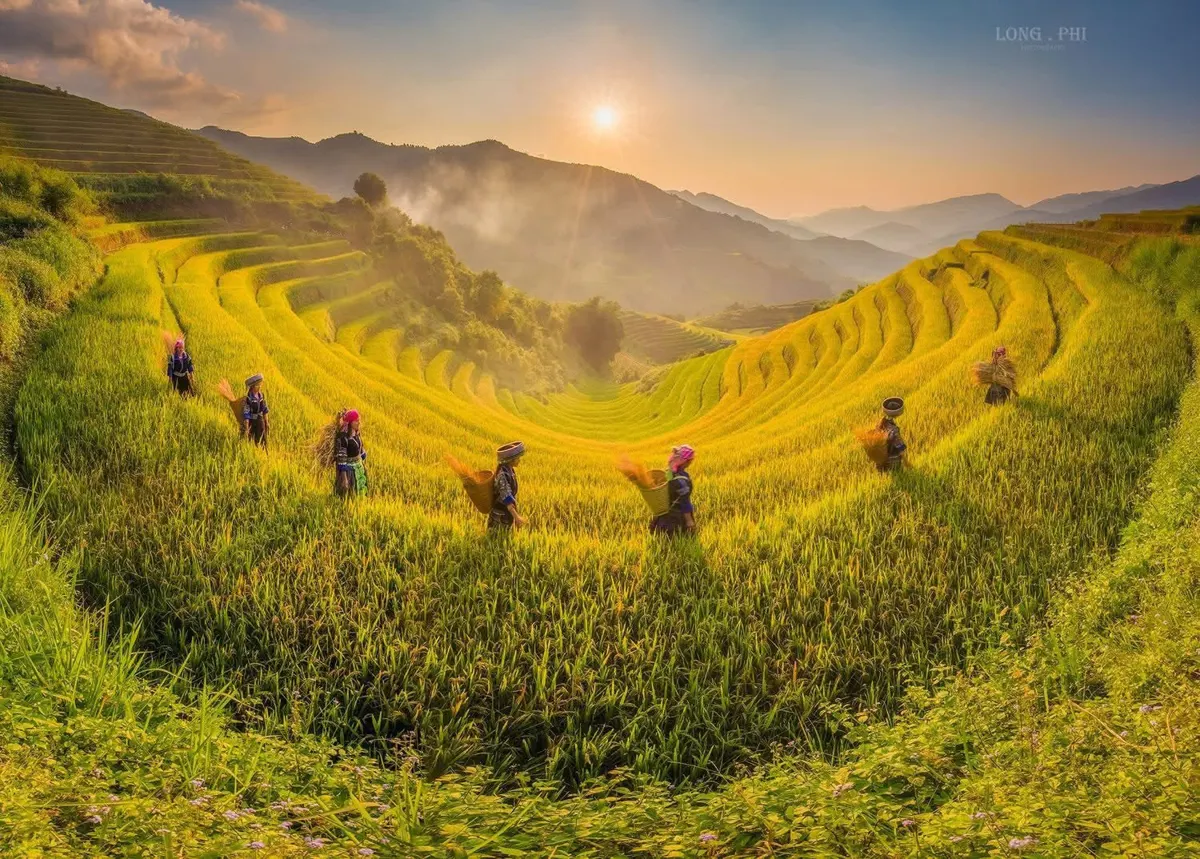
Deciding whether to visit Vietnam during the Tet holiday, also known as Lunar New Year, involves weighing both distinct benefits and practical considerations. This period is the most significant annual celebration for Vietnamese families, marked by reunions and traditions. For travelers, it presents an opportunity to witness unique cultural festivities, yet it also comes with changes to typical travel services and infrastructure.
Understanding Tet: Vietnam's Most Important Holiday
Tet Nguyên Đán, commonly referred to as Tet, represents the Vietnamese Lunar New Year, holding immense cultural and social importance. It is a time when people typically return to their ancestral homes to gather with relatives, observe traditions, and enjoy an extended period of rest. This widespread movement of people and focus on family life significantly impacts daily operations across the country, influencing everything from transportation to the availability of services.
The holiday period means many locals are focused on family and home, leading to shifts in the usual pace of urban centers and tourist areas. While some aspects of travel might become more complex, the underlying spirit of Tet permeates the entire nation, offering a unique window into Vietnamese customs and community life.
Benefits of Traveling During the Tet Period
Visiting Vietnam during Tet offers several distinct advantages, particularly for those seeking a different kind of travel experience. One notable benefit is the increased availability of accommodations. As most Vietnamese residents travel back to their hometowns rather than taking leisure trips during this time, hotels often have more vacancies. Some establishments may even host special New Year's Eve dinners or countdown events, providing a festive atmosphere for guests.
Another advantage is the noticeable reduction in urban traffic. Vietnamese cities, often characterized by their dense motorcycle traffic, become remarkably quieter during the holiday. Roads that are typically congested before Tet clear out significantly, offering a more tranquil environment. While this can make cities feel somewhat subdued, it also provides a peaceful setting for exploration. Furthermore, despite common misconceptions, many food establishments, including restaurants, fast-food outlets, and coffee shops, remain open throughout Tet, though some may close on the first day of the Lunar New Year for family observances. This ensures visitors still have dining options available.
Potential Challenges for Visitors During Tet
While Tet offers unique cultural insights, travelers should be aware of several potential challenges. Transportation, for instance, becomes particularly strained. Flights, trains, and buses often experience heavy bookings well in advance, as numerous individuals working away from home seek to return for family reunions. Popular routes, such as those connecting Hanoi with Ho Chi Minh City, Sapa, or Da Nang, are frequently fully reserved. Consequently, securing tickets requires early planning and booking.
Another consideration is the closure of many significant tourist attractions. Historical sites, museums, and certain cultural venues may temporarily shut down during the holiday, especially on the first few days. This can limit options for those primarily interested in historical or educational tours. Additionally, service prices across various sectors tend to increase during Tet. It is common for goods and services, from a simple cup of coffee to hotel and cruise packages, to be subject to surcharges, sometimes nearly doubling in cost. This is not typically aimed at visitors but is a general practice during the holiday period, reflecting increased demand and reduced staffing.
| Aspect | Normal Travel Period | Tet Holiday Period |
|---|---|---|
| Accommodation Availability | Moderate to High demand | Generally High availability |
| Urban Traffic Levels | High congestion | Significantly reduced, quieter roads |
| Attraction Openings | Most open regularly | Many historical/cultural sites closed |
| Service Costs | Standard pricing | Often surcharged (up to double) |
| Cultural Activities | Standard tours, daily life | Unique festive decorations, family traditions, special events |
| Intercity Transportation | Regular availability | High demand, often fully booked |
Experiencing Unique Tet Traditions and Celebrations
Traveling during the weeks leading up to Tet and through the holiday itself provides an exclusive opportunity to witness and participate in distinctive Vietnamese traditions. The atmosphere across the country becomes exceptionally lively as preparations intensify. Streets and markets transform, filled with vendors selling traditional Tet decorations. In northern Vietnam, peach blossoms are a common sight, while the south is adorned with bright yellow apricot blossoms. Kumquat trees, symbolizing luck and wealth, are also widely sold, with specific criteria for selection: a tree is considered auspicious if it displays a strong trunk, abundant leaves, green kumquats, orange kumquats, and young white flowers.
A deeply rooted tradition is the making of bánh chưng, a savory sticky rice cake. Many families gather to prepare the ingredients, wrap the cakes, and then boil them for several hours, often overnight. This lengthy cooking process becomes a cherished time for family members to converse, share stories, and reinforce their bonds. Beyond individual households, public spaces and streets are elaborately decorated with colorful lights and ornaments, reflecting the festive spirit. This period truly showcases a special side of Vietnam, distinct from any other time of year.
Essential Planning Tips for a Tet Holiday Visit
For those considering a trip to Vietnam during the Tet holiday, strategic planning is crucial to ensure a smooth and enjoyable experience. Given the high demand for intercity travel, it is highly advisable to book flights, overnight rail journeys, and bus tickets well in advance. This foresight helps secure preferred routes and avoids potential last-minute complications due to fully booked services, especially for popular destinations like Sapa.
Researching the operating hours of specific attractions and venues is also important, as many may have altered schedules or temporary closures. While some historical sites might be unavailable, this period can be ideal for exploring natural landscapes or enjoying the tranquility of less crowded areas, such as Halong Bay's best beaches. Be prepared for potential price increases on various services and goods, and factor this into your budget. Embracing the unique cultural atmosphere and understanding that the pace of life slows down will contribute to a more rewarding travel experience during this significant Vietnamese holiday.
Frequently Asked Questions
What is Tet and when does it occur?
Tet is the Vietnamese Lunar New Year, the most important annual holiday in Vietnam. Its date varies each year, typically falling in late January or early February, based on the lunar calendar.
Will all restaurants and shops be closed during Tet?
While some smaller, family-run establishments may close, especially on the first day of the Lunar New Year, many restaurants, fast-food chains, and coffee shops remain open. Major supermarkets might have reduced hours but are generally accessible.
Is transportation difficult during the Tet holiday?
Yes, transportation can be challenging due to high demand from locals traveling home. Flights, trains, and buses often sell out far in advance. Booking tickets several months ahead is strongly recommended.
Are tourist attractions open during Tet?
Many historical sites, museums, and some cultural attractions may close for a few days during Tet. However, natural sites, public parks, and some modern entertainment venues typically remain open, often with special holiday events.
Should I expect higher prices when traveling during Tet?
Yes, it is common for service prices, including accommodation, food, and transportation, to be higher during the Tet holiday. This is due to increased demand and holiday surcharges, affecting both locals and visitors alike.








