
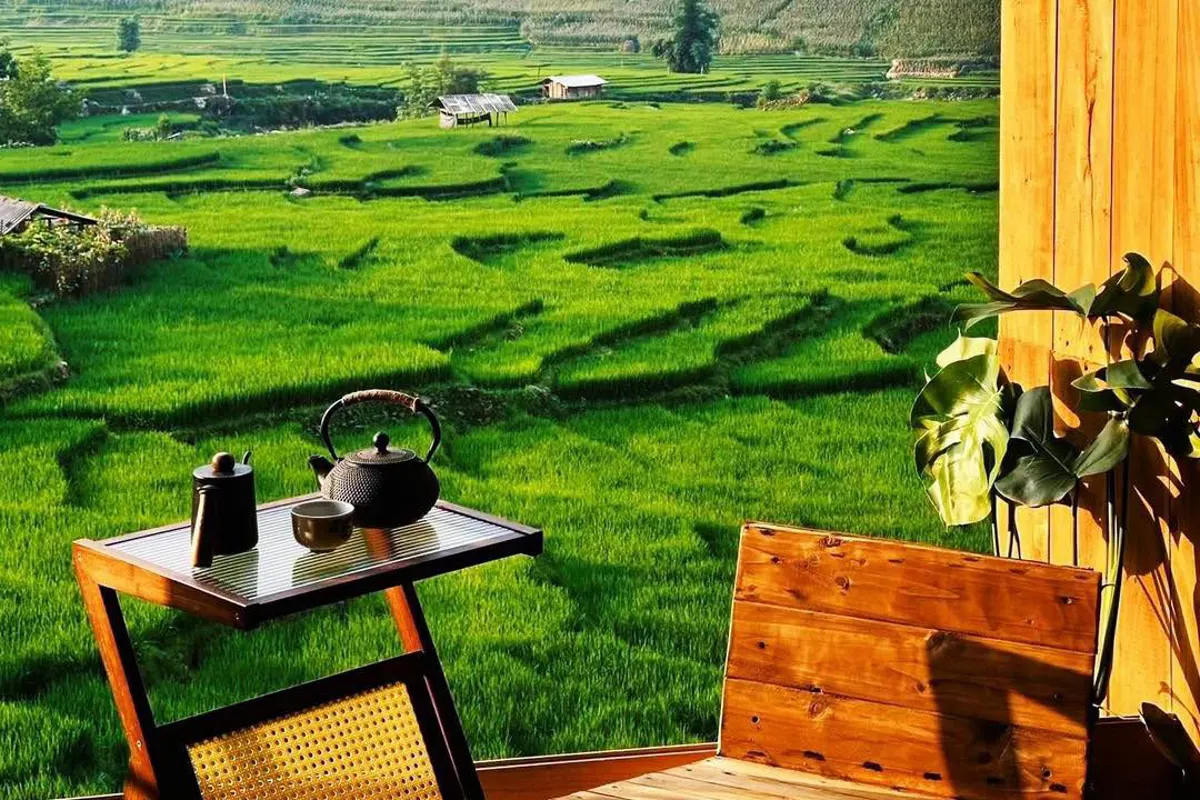
September in Sapa offers a distinct travel experience, characterized by comfortable daytime temperatures and cooler evenings. This period is particularly appealing for those wishing to witness the region's famous terraced rice fields as they turn golden, signaling the harvest season. Visitors can anticipate a blend of pleasant weather and unique cultural observations during this time.
Understanding Sapa's September Climate
Sapa in September typically presents a mild climate, with daytime temperatures ranging from approximately 23°C to 25°C. As evening approaches, the air cools considerably, with temperatures often dropping to between 15°C and 17°C. This noticeable shift between day and night temperatures means travelers might experience conditions akin to multiple seasons within a single day.
Compared to August, September generally sees less rainfall, though showers often occur during the night. Occasionally, a tropical depression can lead to several consecutive days of rain. The average precipitation for the month is around 268 mm, and humidity levels can reach up to 82%. Despite the generally comfortable temperatures, the combination of humidity and temperature shifts means travelers should remain mindful of potential heat exhaustion or fatigue, especially during active exploration.
Seasonal Highlights and Activities in Sapa During September
September marks a significant time in Sapa's agricultural calendar: the ripe rice season. The terraced fields, which define much of the region's landscape, transform into expansive canvases of iridescent yellow. This visual spectacle attracts many visitors eager to photograph the scenery and observe local communities engaged in the annual harvest. The atmosphere across the northwestern hills and mountains becomes notably more active with harvesting activities.
Beyond the agricultural scenery, September is also considered an opportune time for "cloud hunting" in Sapa, a popular activity given the town's frequent misty conditions. Travelers can explore various natural attractions such as Heaven Gate, the cascading waters of Love Waterfall and Silver Waterfall, and the panoramic views from Ham Rong Mountain. For those interested in ascending Vietnam's highest peak, Mount Fansipan, information on the Sapa cable car system can be useful. Engaging with the local ethnic minority communities, often seen in their traditional attire, provides insights into their daily lives and customs. The local "Love Markets" also offer a chance to witness unique cultural exchanges.
Culinary Experiences in Sapa
A visit to Sapa is incomplete without sampling its distinctive local cuisine, which reflects the region's ingredients and cultural traditions. Travelers can seek out dishes like Thit Trau Gac Bep, a smoked buffalo meat known for its rich flavor. Other local specialties include roasted chestnuts, often sold by street vendors, and salmon hotpot, a comforting meal particularly suited to Sapa's cooler evenings. These culinary offerings provide a genuine taste of the area's gastronomic heritage.
Essential Packing Advice for a September Visit
Preparing for Sapa's September weather requires thoughtful packing due to the daily temperature fluctuations. While daytime can be pleasant, evenings turn cool. It is advisable to pack a lightweight yet warm jacket for cooler periods, especially if not accustomed to mountain climates. Layering is key to adapting to changing conditions throughout the day.
For footwear, considering Sapa's predominantly steep and mountainous terrain, comfortable and sturdy shoes are essential. Sneakers or hiking boots are recommended to ensure safety and comfort during exploration. Additionally, with Sapa's renowned scenic beauty, bringing a camera, camcorder, or a smartphone with a good camera is highly recommended to capture the expansive landscapes and cultural moments.
Planning Your Sapa Trip in September
When planning a trip to Sapa in September, it is prudent to regularly consult weather forecasts, as conditions can sometimes be unpredictable. Being aware of any local festivals or events scheduled during your visit can enhance the experience, offering opportunities to participate in cultural celebrations.
For those unfamiliar with the area or seeking structured exploration, booking a guided tour can be beneficial. Tour guides often lead visitors to key attractions and provide context about the region's history and communities. While Sapa in September generally offers favorable conditions, being prepared for occasional sudden rainfall or temperature shifts ensures a more comfortable and enjoyable journey. For managing finances during your stay, understanding the local banking facilities in Sapa is a practical step.
Benefits and Considerations for September Travel to Sapa
| Aspect | Details |
|---|---|
| Advantages | Comfortable, cool daytime temperatures suitable for outdoor activities. Fewer heavy rains compared to August. Harvest season offers unique visual appeal with golden rice terraces. Less crowded than peak season, allowing for more peaceful exploration and interaction with locals. |
| Considerations | Temperature differences between day and night can be significant, requiring adaptable clothing. Occasional sudden rainfall may limit outdoor plans. Humidity can be high. |
Frequently Asked Questions
Is September a good month to visit Sapa?
Yes, September is generally considered a good time to visit Sapa. The weather is often cool and comfortable during the day, and it is the peak of the rice harvest season, offering spectacular views of golden terraced fields.
What kind of weather can I expect in Sapa in September?
In September, Sapa experiences daytime temperatures around 23°C to 25°C, cooling down to 15°C to 17°C at night. Rainfall is less frequent than in August, often occurring at night, though tropical depressions can bring heavier, multi-day rains. Humidity can reach up to 82%.
What should I pack for a Sapa trip in September?
Travelers should pack layers of clothing, including a lightweight jacket for cooler evenings and mornings. Sturdy footwear like sneakers or hiking boots is recommended for navigating the mountainous terrain. Don't forget a camera to capture the scenic landscapes.
Are the rice terraces visible in September?
Absolutely. September is the prime harvest season for rice in Sapa, meaning the terraced fields are typically at their most visually striking, displaying a rich golden hue before the rice is gathered. This makes it an excellent time for photography and experiencing local agricultural life.
Can I find local crafts and souvenirs in Sapa?
Yes, Sapa offers opportunities to find local crafts and souvenirs, particularly from the ethnic minority communities. Exploring local markets can reveal unique textiles, handicrafts, and other items that reflect the region's culture. For more ideas on unique purchases from a trip to Vietnam, consider researching further.








