
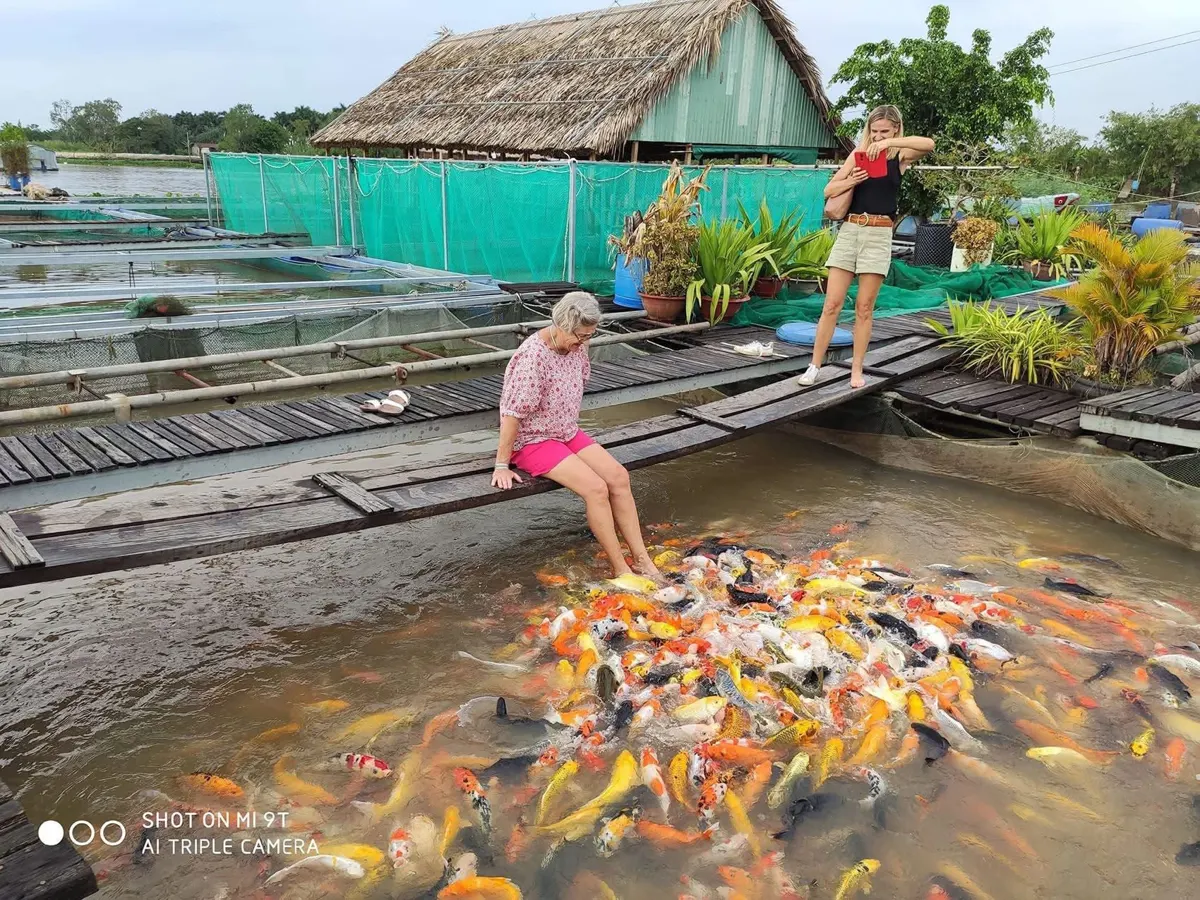
July in Vietnam presents a varied climate across its regions, offering both sun-drenched coastal experiences and verdant, rain-nourished landscapes. While the central areas typically enjoy dry, sunny conditions, northern and southern parts often experience higher humidity and afternoon showers. Travelers planning a trip to Vietnam in July can find diverse opportunities, from relaxing on beaches to exploring cultural sites and lush mountains, provided they prepare for regional weather differences.
Understanding Vietnam's Climate in July
Vietnam lies entirely within the northern tropical zone, resulting in generally high temperatures during July. The country experiences an average temperature ranging from approximately 33°C to 35°C, though specific locations can see lows around 12°C and highs reaching 40°C. Evenings bring a more comfortable average of 24°C, suitable for outdoor enjoyment after sunset, which typically occurs between 18:15 and 18:22.
Rainfall varies considerably by destination. The national average for July is around 97 mm, with between 6 and 24 days experiencing precipitation. Some areas receive significantly less rain, while others encounter more frequent downpours. This regional disparity in both temperature and rainfall means careful destination selection is key for a July visit.
Regional Weather Breakdown for July
| Region | July Weather Overview | Average Temperature | Rainfall |
|---|---|---|---|
| North (Hanoi, Sapa, Halong Bay) | Hot and humid, with frequent afternoon downpours. Landscapes are exceptionally green. | 29°C to 34°C | ~200 mm (Hanoi) |
| Central (Da Nang, Hoi An, Nha Trang, Hue) | Generally dry, sunny, and hot, making it ideal for beach activities. | 30°C to 35°C | ~30-50 mm (Hoi An, Nha Trang) |
| South (Ho Chi Minh City, Mekong Delta, Phu Quoc) | Warm and humid, with daily short, heavy afternoon showers. Mornings are typically clear. | 28°C to 33°C | ~180 mm (Ho Chi Minh City) |
Key Destinations and Activities for July
Each region of Vietnam offers distinct experiences during July, catering to different travel preferences. Understanding the local weather patterns helps in selecting the most suitable activities.
Northern Vietnam Highlights
In Hanoi, July brings intense summer heat and humidity, punctuated by sudden afternoon rains. Early mornings and evenings are often cooler, providing excellent times for exploring the city's cultural sites. Visitors often enjoy walks around Hoan Kiem Lake, visits to museums, and sampling local beverages like iced egg coffee. Halong Bay, while not entirely dry, offers fewer crowds and good opportunities for water activities such as kayaking and swimming, with 7-8 hours of sunshine daily. Consider bringing sun protection for boat trips. For those seeking cooler temperatures, Sapa, situated at 1,600m above sea level, provides a refreshing escape with temperatures between 18°C and 24°C. Frequent rainfall enhances the verdant appearance of the terraced rice fields, creating a unique backdrop for scenic trekking. Ascending Mount Fansipan by cable car is a popular activity here.
Central Vietnam Delights
Da Nang typically experiences some of Vietnam's most favorable summer weather in July, characterized by hot, sunny days and minimal rainfall. Its extensive beaches and clear skies attract many seeking seaside relaxation. My Khe Beach, Ba Na Hills (accessible by cable car), and the Marble Mountains are popular attractions. Hoi An also enjoys warm, dry conditions with only occasional light showers, making it perfect for riverside strolls, cycling through rural areas, or experiencing the town's lantern-lit evenings. Nha Trang shines with abundant sunshine and minimal rain, making it ideal for beach holidays and water sports like snorkeling or diving, or relaxing at hot mineral springs. Da Lat, known for its cool and misty climate, offers a peaceful contrast to the coastal heat. With pine forests, rolling hills, and blooming gardens, it serves as a serene summer retreat. Light afternoon rains contribute to its refreshing ambiance, and popular activities include visiting flower gardens and exploring waterfalls.
Southern Vietnam Experiences
Ho Chi Minh City in July is warm and humid, with tropical rain showers typically occurring in the late afternoon. Mornings are generally clearer and more energetic, suitable for exploring indoor attractions like museums or shopping centers, or visiting historical sites such as the Cu Chi Tunnels. Phu Quoc, despite being in its rainy season, offers quiet beaches and opportunities to enjoy nature and fresh seafood with fewer visitors. Rain showers are usually brief and manageable, allowing for peaceful island exploration. Ham Ninh fishing village and Phu Quoc Night Market are popular spots.
Cultural Events in July
July in Vietnam includes several significant cultural observances that offer insight into local traditions and history.
- Vu Lan Festival (Le Vu Lan): Often called Vietnam's 'Mother's Day,' this profound Buddhist festival takes place in mid-to-late July. It is a time for expressing gratitude and honoring parents and ancestors through rituals and offerings. Temples in cities like Hue, Hanoi, and Ho Chi Minh City host ceremonies with lanterns and prayers, creating a serene atmosphere.
- Vietnamese War Invalids and Martyrs Day (Ngay Thuong Binh Liet Si): Observed annually on July 27, this solemn day commemorates those who died or were wounded while serving the country. Ceremonies are held at memorials and monuments nationwide, particularly in historically significant areas, offering a chance to reflect on Vietnam's past sacrifices.
Is July a Good Time to Visit Vietnam?
Yes, July can be an excellent time to visit Vietnam, particularly if your plans include the central region, where the weather is predominantly dry, sunny, and ideal for beach activities. Destinations such as Da Nang, Hoi An, and Hue offer optimal conditions for swimming, sightseeing, and cultural exploration. While the northern and southern areas experience higher humidity and afternoon rain, mornings often remain clear and suitable for tours.
The increased rainfall in some regions contributes to exceptionally lush, green landscapes in places like Sapa and the Mekong Delta. July also often means fewer international tourists in certain popular areas, potentially leading to a more relaxed experience and access to summer travel promotions. Essential items to pack include lightweight clothing, sun protection, and a compact umbrella for unexpected showers.
Comparing July Travel with June and August
July sits in the middle of Vietnam's summer, sharing characteristics with June and August but also presenting unique conditions for travelers.
- Temperature: All three months are hot, but July typically registers as the warmest, especially in the northern and southern parts of the country.
- Rainfall: June marks the beginning of the rainy season, with showers often being short and predictable. Rainfall tends to be heavier in July and August, particularly in the north and south, which might influence outdoor plans. Conversely, central Vietnam (Hoi An, Da Nang, Nha Trang) generally remains drier and sunnier throughout July.
- Crowds: June and July are popular months for domestic tourism due to school holidays, which can make certain attractions busier. August usually sees a slight decrease in temperatures and generally fewer crowds.
Practical Advice for Exploring Vietnam in July
Preparing appropriately for Vietnam's July climate can significantly enhance your travel experience.
What to Wear
Opt for lightweight fabrics such as cotton or linen trousers and quick-drying materials. Sandals are often more practical than closed-toe shoes, especially given the possibility of sudden rain. In highland areas like Sapa, local markets offer walking boots suitable for trekking. Evenings in these regions can be cooler, so a merino wool layer might be beneficial. When visiting religious sites such as temples and churches, ensure your attire is conservative, meaning long pants and long-sleeved cotton shirts. Avoid shorts, skirts, low necklines, or bare shoulders.
Essential Items to Pack
- Sun Protection: Sunglasses, wide-brimmed hats, and high-SPF sunscreens are crucial.
- Cooling Aids: A portable, rechargeable mini-fan can provide relief from the heat. Wet tissues are useful for refreshing and lowering skin temperature.
- Rain Gear: A thin, light coat can offer sun protection and light rain coverage. An umbrella or a compact raincoat is advisable for unexpected downpours.
Staying Hydrated
Given the high temperatures and humidity, staying hydrated is paramount. Always carry a water bottle, especially when visiting remote areas, as sweating leads to fluid loss and can cause fatigue. Bottled water is readily available at grocery and convenience stores in urban centers. Additionally, Vietnam offers a variety of refreshing local beverages, such as lime juice, tamarind water, coconut water, and apricot juice, which can help quench thirst and provide a pleasant cooling effect.
Transportation Tips
In larger cities, ride-hailing applications like Grab or Bee offer convenient and reasonably priced transportation, helping you avoid the daytime heat. Public buses provide a more economical alternative. For longer journeys, consider overnight rail journeys in Vietnam for comfort and efficiency.
Planning Your Activities
Checking the local weather forecast regularly is recommended. If possible, schedule outdoor activities for early mornings or evenings when temperatures are cooler. Reserve daytime hours for indoor attractions like museums, galleries, or shopping, especially in hotter regions.
Suggested Itineraries for July Travel
Planning your route based on regional weather can optimize your July trip to Vietnam. Here are two itinerary suggestions:
7-Day Central Vietnam Itinerary: Culture, Beach, and Local Experiences
This route focuses on Central Vietnam, known for its beautiful scenery and minimal rainfall in July, offering an ideal mix of cultural exploration and beach relaxation. The itinerary is designed for a relaxed pace with minimal travel between destinations.
- Day 1: Arrive in Da Nang, transfer to Hoi An, and settle into your accommodation.
- Day 2: Explore Hoi An Ancient Town, participate in a lantern-making class, and visit the night market.
- Day 3: Take a day trip to My Son Sanctuary or cycle through the surrounding countryside villages.
- Day 4: Enjoy a beach day at An Bang or experience a basket boat ride in Coconut Village.
- Day 5: Take a scenic drive to Hue via the Hai Van Pass, stopping for coastal views.
- Day 6: Visit Hue Imperial City and enjoy a sunset cruise on the Perfume River.
- Day 7: Return to Da Nang for your departure flight.
10-Day North + Central Vietnam Itinerary: UNESCO Sites & Beach
This itinerary combines the historical and natural wonders of Northern Vietnam with the dry, sunny beaches of Central Vietnam. While the North may experience some summer showers, Halong Bay and Ninh Binh remain captivating.
- Day 1: Arrive in Hanoi, take a walking tour, and sample local street food.
- Day 2: Full-day Hanoi city tour, including the Old Quarter, Ho Chi Minh Mausoleum, and Temple of Literature.
- Day 3: Transfer to Ninh Binh, visit Tam Coc, Bich Dong Pagoda, and Mua Cave.
- Day 4: Relax in Ninh Binh or explore Hoa Lu Ancient Capital.
- Day 5: Travel to Halong Bay for an overnight cruise. Consider visiting Halong Bay's best beaches for relaxation.
- Day 6: Morning cruise activities, return to Hanoi, then fly to Da Nang.
- Day 7: Explore Hoi An Ancient Town, perhaps having a custom dress tailored, or relax at riverside cafes.
- Day 8: Beach day in Hoi An or an optional visit to My Son Sanctuary.
- Day 9: Day trip to Hue, visiting the Imperial Citadel and royal tombs.
- Day 10: Depart from Da Nang.
Frequently Asked Questions About Traveling in Vietnam in July
Is Vietnam warm in July?
Yes, July is one of the warmest months across Vietnam. Average temperatures in cities like Hanoi and Ho Chi Minh City typically range from 29°C to 35°C.
Which part of Vietnam is cooler in July?
While not truly cold, highland areas such as Sapa and Da Lat offer significantly cooler conditions compared to lowland cities, with temperatures generally between 18°C and 25°C.
Is July a rainy month across Vietnam, and where is it wettest?
July does see increased rainfall, particularly in Northern and Southern Vietnam. The Central Coast, including destinations like Da Nang, Hoi An, and Nha Trang, tends to remain drier and more stable.
Is July suitable for mountain trekking?
Trekking is possible, but exercise caution due to potentially slippery trails from rain. It's advisable to choose well-maintained routes in areas like Sapa or Pu Luong and always check local weather forecasts before heading out.
Can I visit beaches safely in July, especially in Da Nang, Hoi An, or Nha Trang?
Absolutely. Beaches along Central Vietnam's coast are generally at their best in July, offering calm seas, sunny days, and a lively local atmosphere.
What about crowds and costs in July?
July is a peak season for domestic travelers due to school holidays, so some areas, particularly beaches, may experience higher visitor numbers. Booking flights and accommodations in advance is recommended to secure better rates and availability.








