
Vietnam experiences a tropical monsoon climate, but its elongated geography leads to considerable variations in weather across different regions. The northern part of the country observes four distinct periods—spring, summer, autumn, and winter—while the southern areas typically have two main seasons: a dry period and a rainy period. This regional diversity means that depending on your travel interests and preferred activities, certain times of the year may be more suitable for specific destinations.
Understanding Vietnam's Climate Zones
Vietnam's climate is broadly divided into three main regions: the North, Central, and South. Each region is influenced by different weather systems and monsoon patterns, resulting in unique seasonal characteristics. Travelers should consider these differences when planning their itinerary, as conditions can range from cool and dry in one area to hot and humid with heavy rainfall in another, even within the same month.
The northern provinces, including Hanoi and Sapa, experience a full cycle of four seasons, with noticeable changes in temperature and precipitation. Central Vietnam, encompassing cities like Hue, Da Nang, and Hoi An, often serves as a transitional zone, with its own specific rainy periods. The southern regions, such as Ho Chi Minh City and the Mekong Delta, maintain consistently warm temperatures year-round, differentiated primarily by dry and wet periods.
Spring in Vietnam: Festivals and Mild Weather (February to April)
Spring in Northern Vietnam is a brief period, typically from February to early April. Temperatures begin to rise, creating a more comfortable atmosphere that is less cold and arid than winter. This season is characterized by a calm ambiance, clear skies, ample sunshine, and gentle breezes, though occasional light rain showers can occur. This timeframe also coincides with numerous Vietnamese festivals, including the significant Tet holiday, the traditional Lunar New Year, alongside other cultural and religious observances. Visitors during this period can experience a rich festive atmosphere.
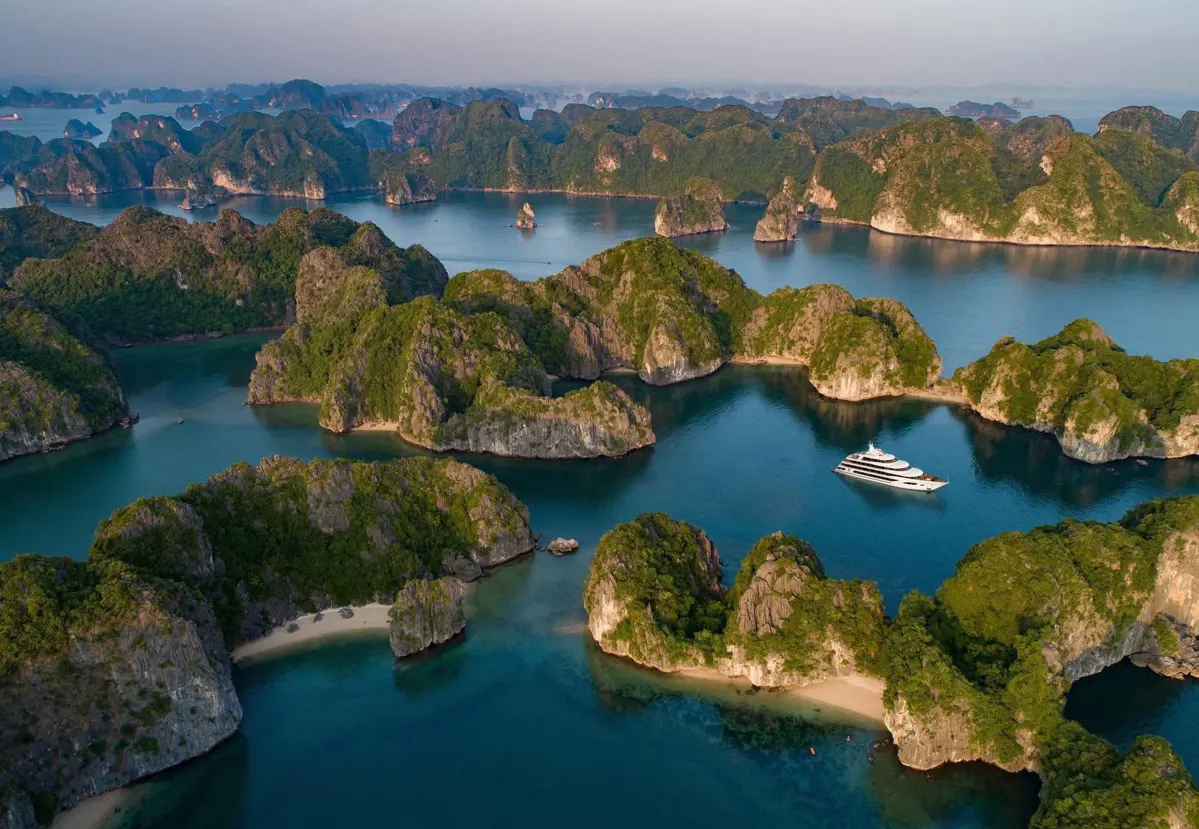
During spring, many flowers come into bloom, notably apricot and peach blossoms, which are symbolic for the Tet holiday. March and April are often considered excellent months for visiting the entire country. The northern areas become warmer and drier, making them suitable for outdoor pursuits like trekking in mountainous areas such as Sapa or Mai Chau, or enjoying a cruise on Halong Bay to admire its scenic beauty. In the central and southern parts of Vietnam, these months bring sunny days, pleasant weather, clear skies, and calm seas. As this is a popular time for tourism due to the favorable conditions, it is advisable to arrange travel plans and accommodations well in advance.
Summer in Vietnam: Coastal Retreats and Southern Rains (Late April to Late August)
Throughout Vietnam, summer brings hot and humid conditions, generally from late April to late August. Average temperatures hover around 34°C, occasionally climbing above 40°C. Many people tend to avoid outdoor activities between 10 am and 3 pm due to the intense heat. Those traveling during this time should remember to use sun protection, wear head coverings, and maintain hydration. It is also important to note that heavy afternoon downpours and thunderstorms are common occurrences.
This period marks the rainy season in Southern Vietnam, extending from May to November, with the highest rainfall typically observed from June to August. During these months, sudden, intense afternoon rains are likely in Ho Chi Minh City and surrounding provinces. Frequent heavy rainfall can sometimes lead to localized flooding. After the rain subsides, the weather often returns to hot and humid conditions. In contrast, Central Vietnam experiences its most favorable weather during summer, with dry and sunny days that offer a pleasant escape from tropical heat and rain. Summer is also a peak period for domestic tourism, leading to crowded conditions at popular beaches such as Nha Trang and My Khe, as well as other well-known destinations including Hue and Hoi An.
Autumn in Vietnam: Northern Harvests and Central Rainfall (September to November)
Autumn in Vietnam is a brief transitional period, lasting from September to November. The distinct characteristics of autumn are most apparent in Hanoi and Northern Vietnam, particularly in October, when the weather is mild, slightly cool, breezy, and sunny. Hanoi is frequently cited as the premier location to experience the essence of Vietnamese autumn. This season is often regarded as the most pleasant time of year, sometimes referred to as 'wedding season,' making it ideal for sightseeing or simply enjoying a beverage outdoors.
For those interested in trekking and outdoor activities, October and November are considered optimal months in the North, with destinations like Sapa, Ha Giang, Mai Chau, and Mu Cang Chai offering excellent conditions. This period is also ideal for observing the golden rice paddies during the harvest season in these northern mountainous regions. However, Central and Southern Vietnam experience different conditions. Central Vietnam sees its highest precipitation during these months, with numerous tropical rains and storms causing flooding in areas such as Hoi An, Hue, and Quang Binh. Travelers might consider avoiding these central locations in October and November. Meanwhile, rainfall in Southern Vietnam gradually diminishes, becoming drier and warmer, especially by November. While not always the most ideal time to visit the South, there are still sunny and clear days available for exploration.
Winter in Vietnam: Cool North, Dry South (December to February)
Winter in Northern Vietnam typically spans from December to early February, characterized by relatively cold and dry conditions. Temperatures generally range between 14°C and 20°C, occasionally dropping below 10°C, and even reaching 0°C in remote mountainous areas like Sapa, Ha Giang, and Lang Son. January is usually the coldest month. This season often brings persistent mists, which can sometimes obscure views at destinations such as Halong Bay.
In Central Vietnam, rainfall significantly decreases during these months, though the weather can still feel damp, leading to cool and chilly nights. Temperatures average around 17°C to 25°C, providing suitable conditions for exploring sites like Hue Imperial Citadel or the ancient town of Hoi An. Conversely, Southern Vietnam enters its dry season from approximately December to April, featuring consistently pleasant, warm, and sunny weather. Days are typically bright with clear blue skies, crisp air, dry heat, and low humidity. Morning and evening temperatures become comfortably mild, making the dry season an excellent time to visit cities like Ho Chi Minh City, the Mekong Delta, Can Tho, and Chau Doc. For those seeking sunbathing opportunities, Phu Quoc Island or Mui Ne are popular choices. Travelers planning to journey from Northern to Southern Vietnam during these months should pack a variety of clothing to accommodate the significant temperature changes.
Vietnam's Monsoon System Explained
Vietnam's climate is largely governed by two distinct monsoon systems, each bringing different weather patterns to various parts of the country.
- Southwest Monsoon (May to September): From May through September, Vietnam is influenced by the south or southwesterly monsoon. This period marks the rainy season for both the northern and southern regions. The southwest monsoon delivers substantial rainfall, particularly to mountainous areas and coastal zones, making it the wettest time of the year for these specific areas. During this monsoon, temperatures remain high, often exceeding 30°C with elevated humidity levels.
- Northeast Monsoon (October to April): The northeast monsoon predominates from October to April, affecting the northern regions and central coastal areas. During this season, Northern Vietnam experiences cooler and drier conditions, with average temperatures ranging from 15°C to 25°C. Central Vietnam, however, faces considerable rainfall, especially in October and November. The southern region enjoys its dry season during this time, characterized by abundant sunshine and minimal rainfall.
For the year 2026, the monsoon seasons in Vietnam are anticipated to follow these typical patterns. The southwest monsoon is expected to commence in May and continue through September, bringing heavy rains and humid conditions. Travelers planning visits to northern and southern Vietnam during these months should be prepared for frequent showers and potential localized flooding. The northeast monsoon will then take over from October to April, providing cooler weather in the north and dry, sunny conditions in the south.
The monsoon seasons are crucial for Vietnam's agriculture, particularly for rice cultivation, which depends heavily on the seasonal rains. However, these periods can also impact travel plans, potentially causing delays due to heavy rainfall and flooding. Certain tourist activities, such as extensive trekking or beach visits, might be restricted during peak rainy periods. For example, those interested in mountain excursions around Sapa might find clearer conditions outside the peak southwest monsoon.
Seasonal Travel Considerations for Vietnam
Choosing the ideal time to visit Vietnam largely depends on your personal preferences and the activities you plan to undertake. Given the country's diverse climate, there isn't a single 'best' time that suits everyone, but rather optimal periods for different regions and experiences. For instance, if you prioritize exploring the northern regions, the period from October to April during the northeast monsoon offers cooler and drier weather. Conversely, the southern region is also best visited during this same timeframe, benefiting from the dry season's pleasant and sunny conditions. Travelers considering long-distance travel across Vietnam should also factor in seasonal weather impacts on transportation.
| Season | Northern Vietnam | Central Vietnam | Southern Vietnam |
|---|---|---|---|
| Spring (Feb-Apr) | Mild, pleasant, occasional drizzle; festivals. Good for trekking, Halong Bay. | Sunny, mild, calm sea. Excellent beach weather. | Sunny, mild, calm sea. Excellent beach weather. |
| Summer (Late Apr-Aug) | Hot, humid, heavy afternoon rains. | Dry, sunny, ideal for beaches. | Rainy season, heavy afternoon downpours, potential flooding. |
| Autumn (Sep-Nov) | Mild, cool, windy, sunny (Oct); golden rice paddies (Oct-Nov). | Peak rainfall, tropical storms, flooding (Oct-Nov). | Decreasing rainfall, drier, warmer (especially Nov). |
| Winter (Dec-Feb) | Cold, dry, misty (Jan coldest); mountain areas very cold. | Decreased rainfall, wet, cool nights. Good for sightseeing. | Dry season, warm, sunny, low humidity. Excellent overall. |
Frequently Asked Questions
When is the most comfortable time to visit Northern Vietnam?
The most comfortable time to visit Northern Vietnam is generally during spring (February to April) or autumn (September to November). Spring offers mild temperatures and a festive atmosphere, while autumn brings cool, dry, and sunny days, particularly in October.
Which months are best for beach holidays in Central Vietnam?
For beach holidays in Central Vietnam, the summer months from late April to late August are typically the most favorable. This period is characterized by dry, sunny weather and calm seas, making it ideal for coastal activities.
Is it advisable to visit Southern Vietnam during its rainy season?
Visiting Southern Vietnam during its rainy season (May to November, with peak rainfall from June to August) is possible, but travelers should be prepared for sudden, heavy afternoon downpours. While these rains are usually short-lived, they can cause temporary inconvenience or localized flooding. Mornings often remain clear.
How do the monsoon seasons affect travel plans in Vietnam?
The monsoon seasons can significantly affect travel plans. The southwest monsoon (May-September) brings heavy rains to the North and South, potentially causing travel delays and limiting outdoor activities like trekking or beach visits. The northeast monsoon (October-April) brings heavy rains to Central Vietnam in October and November, which can lead to flooding in coastal areas, while providing cooler, drier weather in the North and sunny conditions in the South.
Are there any specific cultural events tied to certain seasons?
Yes, spring, particularly February, coincides with the Vietnamese Traditional Lunar New Year, known as Tet. This is a major national holiday marked by numerous cultural, historical, and religious festivals across the country. Observing these events can be a highlight of a spring visit, and travelers might also consider purchasing unique local souvenirs during this festive period.








